Oerlemans Rick, Ruiz-Moreno Angel Jonathan, Cong Yingying, Dinesh Kumar Nilima, Velasco-Velazquez Marco A, Neochoritis Constantinos G, Smith Jolanda, Reggiori Fulvio, Groves Matthew R, Dömling Alexander
Department of Drug Design, University of Groningen The Netherlands
Departamento de Farmacología y Unidad Periférica de Investigación en Biomedicina Traslacional, Facultad de Medicina, Universidad Nacional Autónoma de México (UNAM) Ciudad de México Mexico.
RSC Med Chem. 2020 Dec 21;12(3):370-379. doi: 10.1039/d0md00367k.
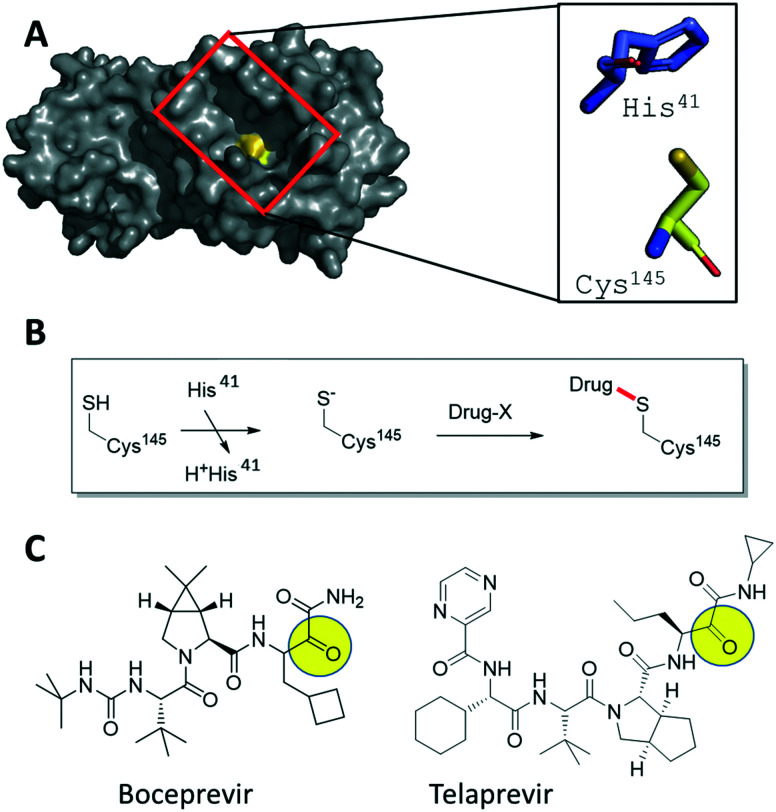
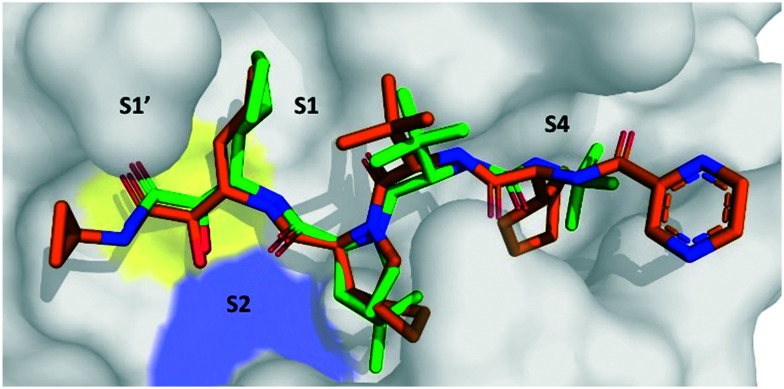
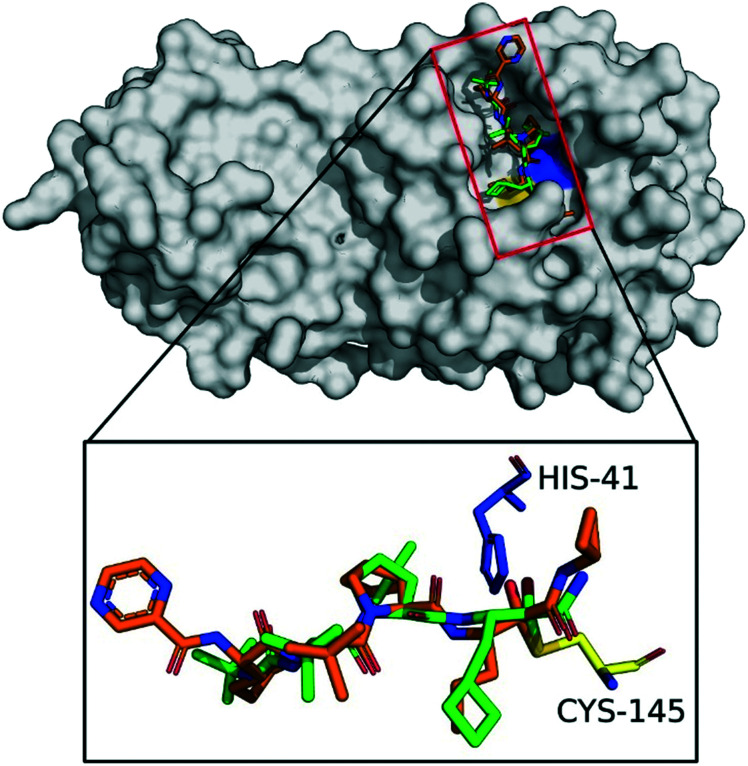
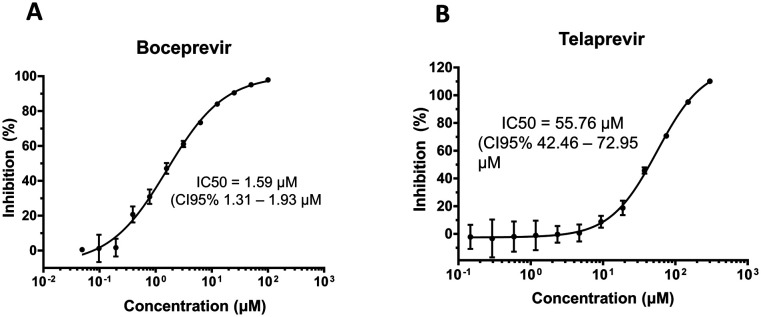
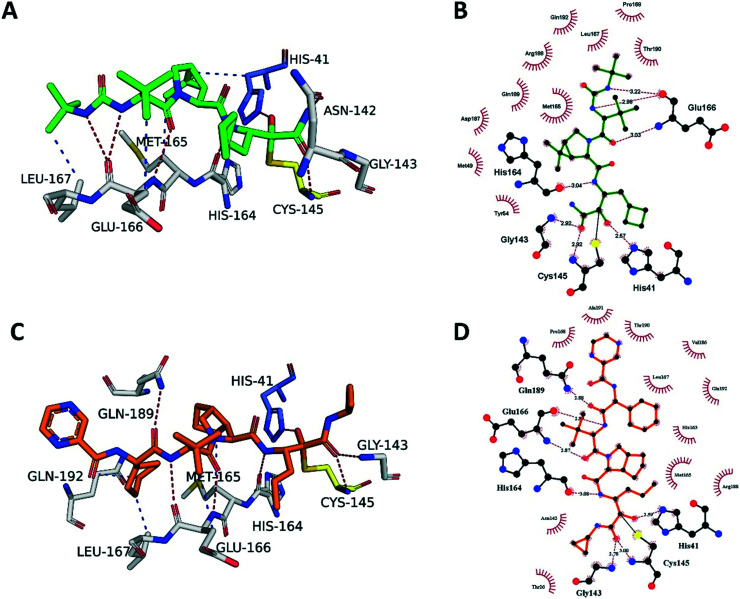
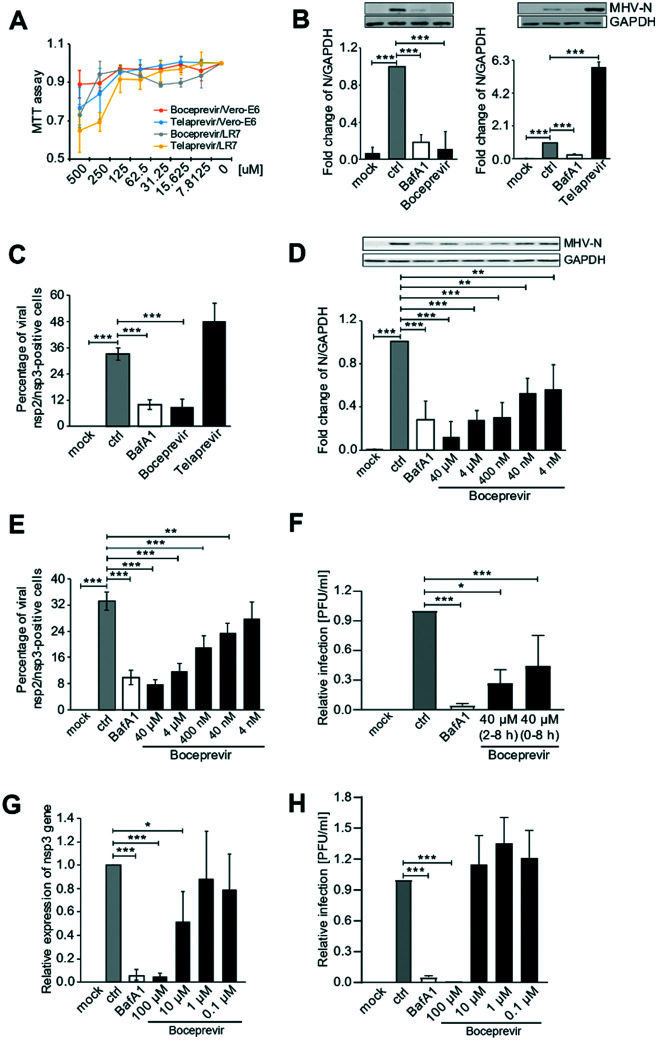
The rapid growth of COVID-19 cases is causing an increasing death toll and also paralyzing the world economy. drug discovery takes years to move from idea and/or pre-clinic to market, and it is not a short-term solution for the current SARS-CoV-2 pandemic. Drug repurposing is perhaps the only short-term solution, while vaccination is a middle-term solution. Here, we describe the discovery path of the HCV NS3-4A protease inhibitors boceprevir and telaprevir as SARS-CoV-2 main protease (3CLpro) inhibitors. Based on our hypothesis that α-ketoamide drugs can covalently bind to the active site cysteine of the SARS-CoV-2 3CLpro, we performed docking studies, enzyme inhibition and co-crystal structure analyses and finally established that boceprevir, but not telaprevir, inhibits replication of SARS-CoV-2 and mouse hepatitis virus (MHV), another coronavirus, in cell culture. Based on our studies, the HCV drug boceprevir deserves further attention as a repurposed drug for COVID-19 and potentially other coronaviral infections as well.
新冠病毒病例的迅速增长导致死亡人数不断增加,同时也使世界经济陷入瘫痪。药物研发从构思和/或临床前阶段到上市需要数年时间,对于当前的新冠疫情来说,这不是一个短期解决方案。药物重新利用可能是唯一的短期解决方案,而疫苗接种是中期解决方案。在此,我们描述了丙肝病毒NS3-4A蛋白酶抑制剂博赛匹韦和特拉匹韦作为新冠病毒主要蛋白酶(3CLpro)抑制剂的发现过程。基于我们的假设,即α-酮酰胺类药物可以与新冠病毒3CLpro的活性位点半胱氨酸共价结合,我们进行了对接研究、酶抑制和共晶体结构分析,最终确定博赛匹韦而非特拉匹韦在细胞培养中可抑制新冠病毒和另一种冠状病毒小鼠肝炎病毒(MHV)的复制。基于我们的研究,丙肝药物博赛匹韦作为一种重新利用的药物用于治疗新冠病毒感染以及潜在的其他冠状病毒感染值得进一步关注。