• 文献检索
  • 文档翻译
  • 深度研究
  • 学术资讯
  • Suppr Zotero 插件Zotero 插件
  • 邀请有礼
  • 套餐&价格
  • 历史记录
应用&插件
Suppr Zotero 插件Zotero 插件浏览器插件Mac 客户端Windows 客户端微信小程序
定价
高级版会员购买积分包购买API积分包
服务
文献检索文档翻译深度研究API 文档MCP 服务
关于我们
关于 Suppr公司介绍联系我们用户协议隐私条款
关注我们

Suppr 超能文献

核心技术专利:CN118964589B侵权必究
粤ICP备2023148730 号-1Suppr @ 2026

文献检索

告别复杂PubMed语法,用中文像聊天一样搜索,搜遍4000万医学文献。AI智能推荐,让科研检索更轻松。

立即免费搜索

文件翻译

保留排版,准确专业,支持PDF/Word/PPT等文件格式,支持 12+语言互译。

免费翻译文档

深度研究

AI帮你快速写综述,25分钟生成高质量综述,智能提取关键信息,辅助科研写作。

立即免费体验

碎屑沉积物中的微生物诱导沉积构造:对火星古生命勘探的启示。

Microbially Induced Sedimentary Structures in Clastic Deposits: Implication for the Prospection for Fossil Life on Mars.

机构信息

Old Dominion University, Department of Ocean and Earth Sciences, Norfolk, Virginia, USA.

出版信息

Astrobiology. 2021 Jul;21(7):866-892. doi: 10.1089/ast.2021.0011. Epub 2021 May 25.

DOI:10.1089/ast.2021.0011
PMID:34042490
原文链接:https://pmc.ncbi.nlm.nih.gov/articles/PMC8262410/
Abstract

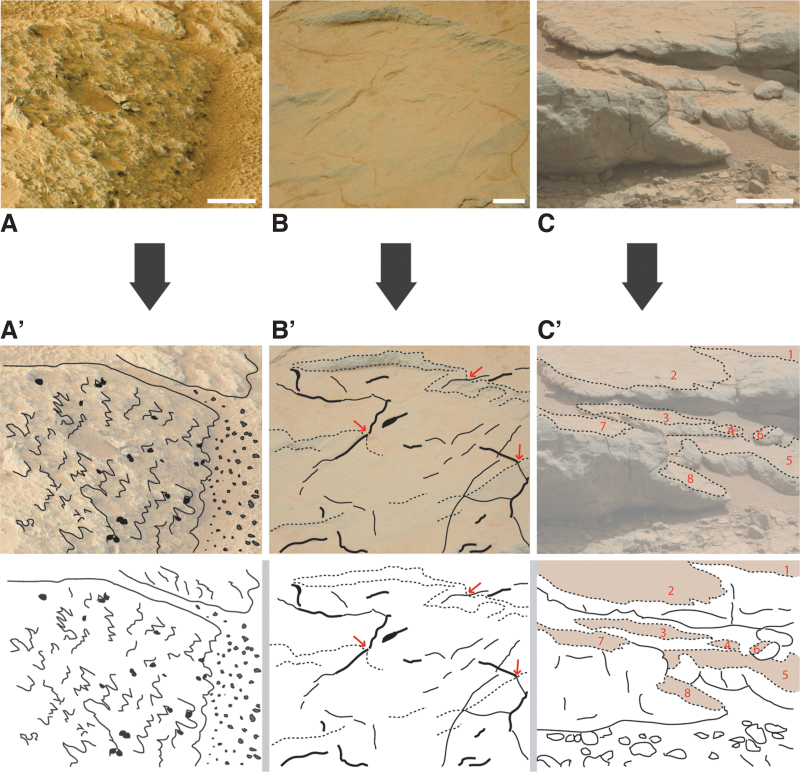
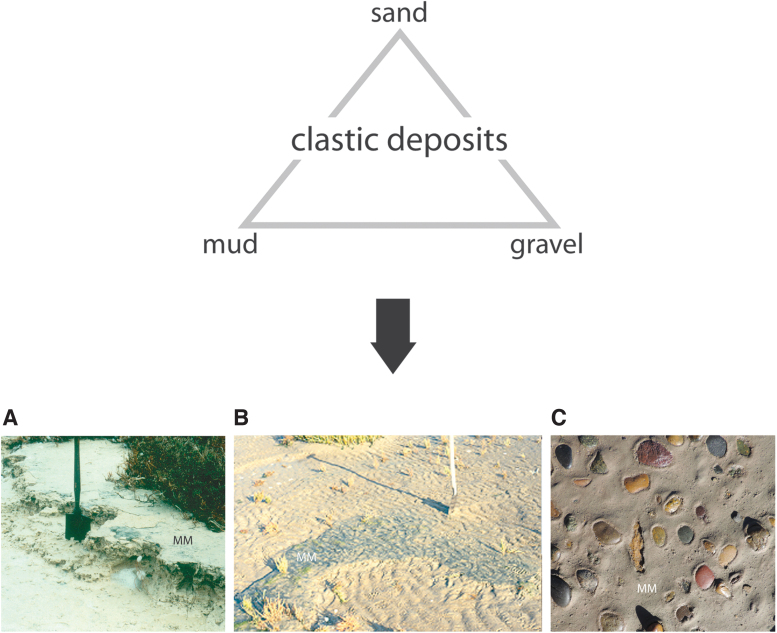
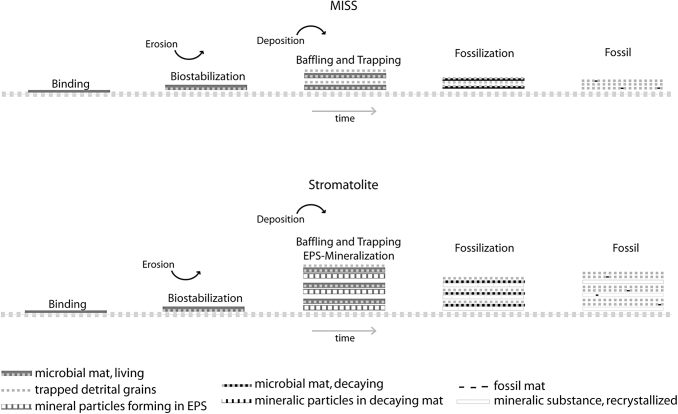
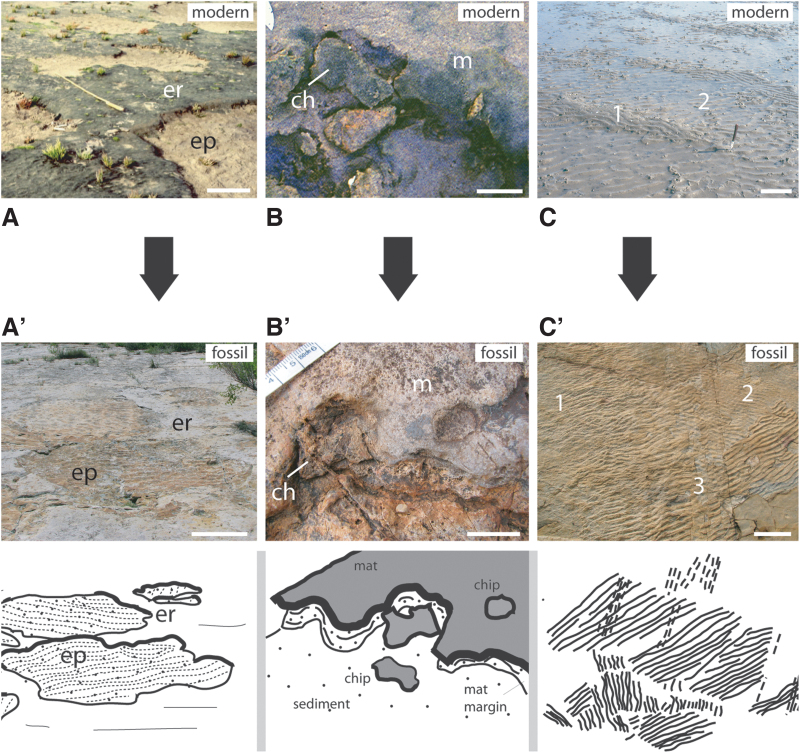
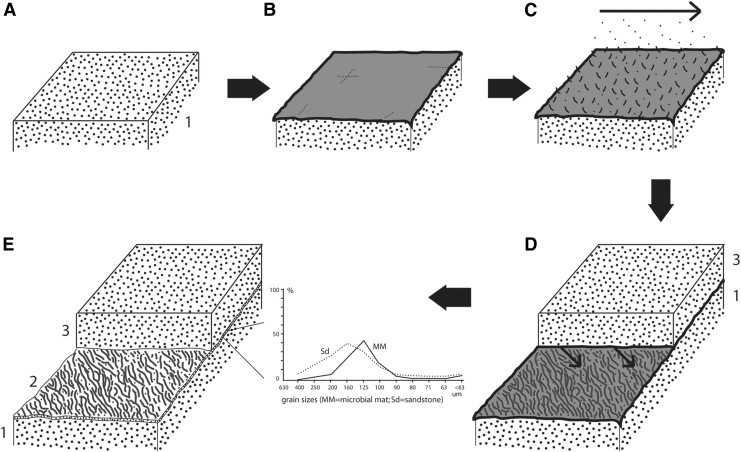
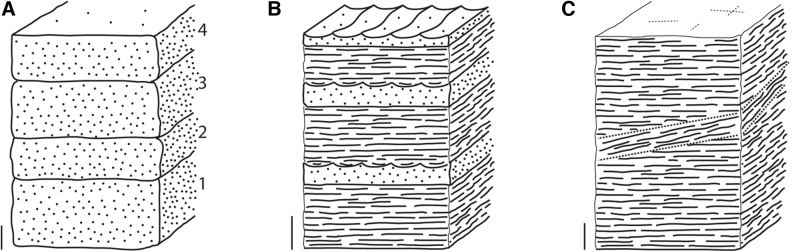
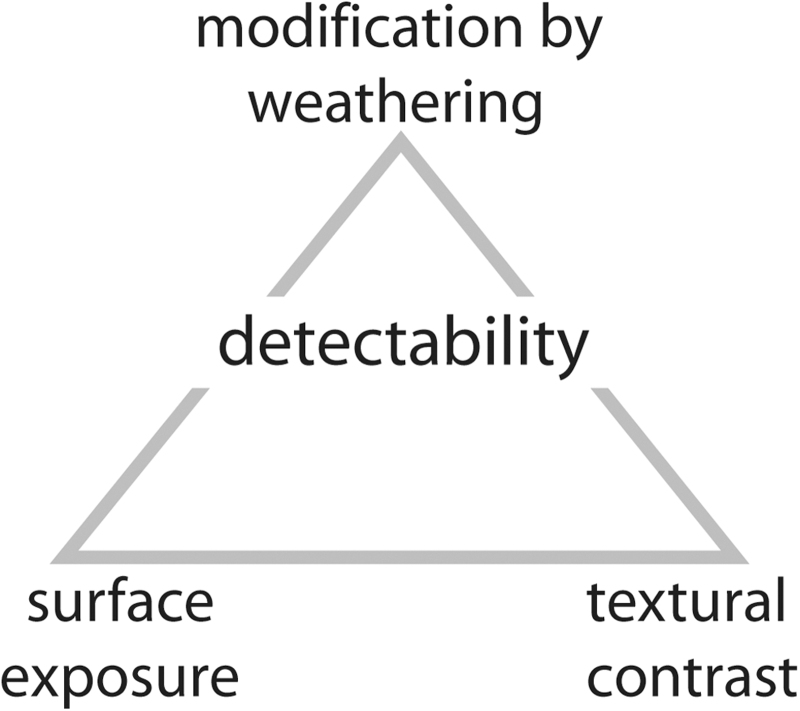
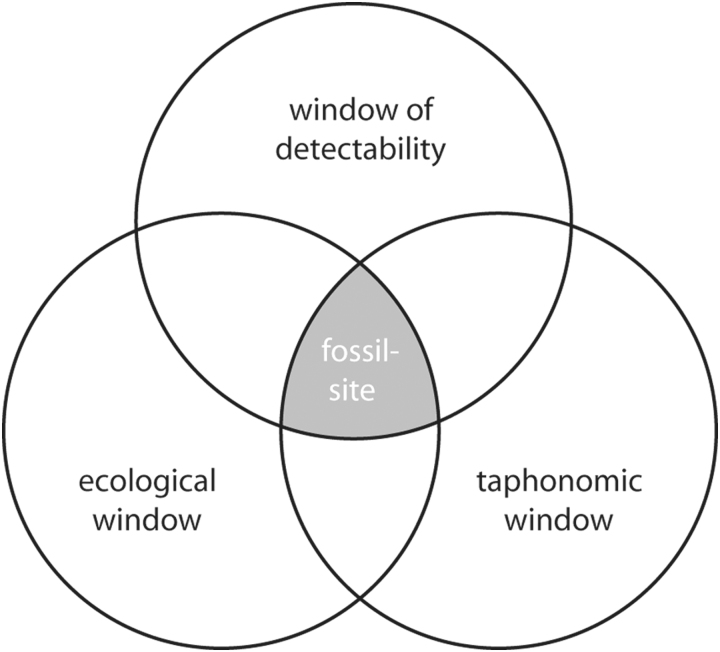
Abundant and well-preserved fossil microbenthos occurs in siliciclastic deposits of all Earth ages, from the early Archean to today. Studies in modern settings show how microbenthos responds to sediment dynamics by baffling and trapping, binding, biostabilization, and growth. Results of this microbial-sediment interaction are microbially induced sedimentary structures (MISS). Successful prospection for rich MISS occurrences in the terrestrial lithological record requires unraveling genesis and taphonomy of MISS, both of which are defined only by a narrow range of specific conditions. These conditions have to coincide with high detectability which is a function of outcrop quality, bedding character, and rock type. Assertions on biogenicity of MISS morphologies must be based on the presence of microbially induced sedimentary textures (MIST), which are MISS-internal textures comprising replacement minerals arranged into microscopic biological morphologies, ancient carbonaceous matter, trace fossils, and geochemical signals. MISS serve as possible templates for the decryption of ancient life-processes on Mars. This article closes with a perspective on selected deposits and ancient environments in Meridiani Planum, Gale Crater, and Jezero Crater, Mars, regarding their potential for MISS occurrences. The earlier hypothesis of structures on Mars as potentially being MISS is revised.

摘要

大量保存完好的化石微生物群落在所有地质时代的硅质碎屑沉积物中都有出现,从早期的太古代到现在。现代环境的研究表明,微生物群如何通过阻挡和捕获、结合、生物稳定化和生长来响应沉积物动力学。这种微生物-沉积物相互作用的结果是微生物诱导的沉积构造(MISS)。要成功寻找陆地岩石记录中丰富的 MISS 发生,需要阐明 MISS 的成因和埋藏学,这两者都只被特定条件的窄范围所定义。这些条件必须与高可探测性相吻合,而高可探测性是露头质量、层理特征和岩石类型的函数。对 MISS 形态的生物成因性的断言必须基于微生物诱导的沉积结构(MIST)的存在,MIST 是 MISS 内部的结构,包括排列成微观生物形态的替代矿物、古老的含碳物质、痕迹化石和地球化学信号。MISS 可以作为解密火星古代生命过程的可能模板。本文最后展望了火星子午线平原、盖尔陨石坑和杰泽罗陨石坑中选定的矿床和古代环境,探讨了它们可能存在 MISS 的情况。对火星上的结构可能是 MISS 的早期假设进行了修正。
https://cdn.ncbi.nlm.nih.gov/pmc/blobs/d1a6/8262410/f164541b685a/ast.2021.0011_figure20.jpg
https://cdn.ncbi.nlm.nih.gov/pmc/blobs/d1a6/8262410/4b83d3d608c4/ast.2021.0011_figure1.jpg
https://cdn.ncbi.nlm.nih.gov/pmc/blobs/d1a6/8262410/7af266fdad60/ast.2021.0011_figure2.jpg
https://cdn.ncbi.nlm.nih.gov/pmc/blobs/d1a6/8262410/6e6c53677f50/ast.2021.0011_figure3.jpg
https://cdn.ncbi.nlm.nih.gov/pmc/blobs/d1a6/8262410/d192b87a2b3e/ast.2021.0011_figure4.jpg
https://cdn.ncbi.nlm.nih.gov/pmc/blobs/d1a6/8262410/e5381a3d1ac0/ast.2021.0011_figure5.jpg
https://cdn.ncbi.nlm.nih.gov/pmc/blobs/d1a6/8262410/bfa324a182fa/ast.2021.0011_figure6.jpg
https://cdn.ncbi.nlm.nih.gov/pmc/blobs/d1a6/8262410/bf8712d82ae8/ast.2021.0011_figure7.jpg
https://cdn.ncbi.nlm.nih.gov/pmc/blobs/d1a6/8262410/c1973cdbeb3b/ast.2021.0011_figure8.jpg
https://cdn.ncbi.nlm.nih.gov/pmc/blobs/d1a6/8262410/62d424248cee/ast.2021.0011_figure9.jpg
https://cdn.ncbi.nlm.nih.gov/pmc/blobs/d1a6/8262410/b1d7e7e011fd/ast.2021.0011_figure10.jpg
https://cdn.ncbi.nlm.nih.gov/pmc/blobs/d1a6/8262410/fa4487f2e8ae/ast.2021.0011_figure11.jpg
https://cdn.ncbi.nlm.nih.gov/pmc/blobs/d1a6/8262410/62fdd006456d/ast.2021.0011_figure12.jpg
https://cdn.ncbi.nlm.nih.gov/pmc/blobs/d1a6/8262410/e70dda246fcd/ast.2021.0011_figure13.jpg
https://cdn.ncbi.nlm.nih.gov/pmc/blobs/d1a6/8262410/abd42dd540c5/ast.2021.0011_figure14.jpg
https://cdn.ncbi.nlm.nih.gov/pmc/blobs/d1a6/8262410/6d926c95dbb9/ast.2021.0011_figure15.jpg
https://cdn.ncbi.nlm.nih.gov/pmc/blobs/d1a6/8262410/c77a8e2b1db8/ast.2021.0011_figure16.jpg
https://cdn.ncbi.nlm.nih.gov/pmc/blobs/d1a6/8262410/a06f9926130c/ast.2021.0011_figure17.jpg
https://cdn.ncbi.nlm.nih.gov/pmc/blobs/d1a6/8262410/31c915e0731c/ast.2021.0011_figure18.jpg
https://cdn.ncbi.nlm.nih.gov/pmc/blobs/d1a6/8262410/467c0ac34edb/ast.2021.0011_figure19.jpg
https://cdn.ncbi.nlm.nih.gov/pmc/blobs/d1a6/8262410/f164541b685a/ast.2021.0011_figure20.jpg
https://cdn.ncbi.nlm.nih.gov/pmc/blobs/d1a6/8262410/4b83d3d608c4/ast.2021.0011_figure1.jpg
https://cdn.ncbi.nlm.nih.gov/pmc/blobs/d1a6/8262410/7af266fdad60/ast.2021.0011_figure2.jpg
https://cdn.ncbi.nlm.nih.gov/pmc/blobs/d1a6/8262410/6e6c53677f50/ast.2021.0011_figure3.jpg
https://cdn.ncbi.nlm.nih.gov/pmc/blobs/d1a6/8262410/d192b87a2b3e/ast.2021.0011_figure4.jpg
https://cdn.ncbi.nlm.nih.gov/pmc/blobs/d1a6/8262410/e5381a3d1ac0/ast.2021.0011_figure5.jpg
https://cdn.ncbi.nlm.nih.gov/pmc/blobs/d1a6/8262410/bfa324a182fa/ast.2021.0011_figure6.jpg
https://cdn.ncbi.nlm.nih.gov/pmc/blobs/d1a6/8262410/bf8712d82ae8/ast.2021.0011_figure7.jpg
https://cdn.ncbi.nlm.nih.gov/pmc/blobs/d1a6/8262410/c1973cdbeb3b/ast.2021.0011_figure8.jpg
https://cdn.ncbi.nlm.nih.gov/pmc/blobs/d1a6/8262410/62d424248cee/ast.2021.0011_figure9.jpg
https://cdn.ncbi.nlm.nih.gov/pmc/blobs/d1a6/8262410/b1d7e7e011fd/ast.2021.0011_figure10.jpg
https://cdn.ncbi.nlm.nih.gov/pmc/blobs/d1a6/8262410/fa4487f2e8ae/ast.2021.0011_figure11.jpg
https://cdn.ncbi.nlm.nih.gov/pmc/blobs/d1a6/8262410/62fdd006456d/ast.2021.0011_figure12.jpg
https://cdn.ncbi.nlm.nih.gov/pmc/blobs/d1a6/8262410/e70dda246fcd/ast.2021.0011_figure13.jpg
https://cdn.ncbi.nlm.nih.gov/pmc/blobs/d1a6/8262410/abd42dd540c5/ast.2021.0011_figure14.jpg
https://cdn.ncbi.nlm.nih.gov/pmc/blobs/d1a6/8262410/6d926c95dbb9/ast.2021.0011_figure15.jpg
https://cdn.ncbi.nlm.nih.gov/pmc/blobs/d1a6/8262410/c77a8e2b1db8/ast.2021.0011_figure16.jpg
https://cdn.ncbi.nlm.nih.gov/pmc/blobs/d1a6/8262410/a06f9926130c/ast.2021.0011_figure17.jpg
https://cdn.ncbi.nlm.nih.gov/pmc/blobs/d1a6/8262410/31c915e0731c/ast.2021.0011_figure18.jpg
https://cdn.ncbi.nlm.nih.gov/pmc/blobs/d1a6/8262410/467c0ac34edb/ast.2021.0011_figure19.jpg
https://cdn.ncbi.nlm.nih.gov/pmc/blobs/d1a6/8262410/f164541b685a/ast.2021.0011_figure20.jpg

相似文献

1
Microbially Induced Sedimentary Structures in Clastic Deposits: Implication for the Prospection for Fossil Life on Mars.碎屑沉积物中的微生物诱导沉积构造:对火星古生命勘探的启示。
Astrobiology. 2021 Jul;21(7):866-892. doi: 10.1089/ast.2021.0011. Epub 2021 May 25.
2
Ancient sedimentary structures in the <3.7 Ga Gillespie Lake Member, Mars, that resemble macroscopic morphology, spatial associations, and temporal succession in terrestrial microbialites.火星上年龄小于37亿年的吉莱斯皮湖组中的古老沉积构造,类似于地球上微生物岩的宏观形态、空间组合和时间序列。
Astrobiology. 2015 Feb;15(2):169-92. doi: 10.1089/ast.2014.1218. Epub 2014 Dec 11.
3
An actualistic perspective into Archean worlds - (cyano-)bacterially induced sedimentary structures in the siliciclastic Nhlazatse Section, 2.9 Ga Pongola Supergroup, South Africa.对太古宙世界的现实主义视角——南非29亿年前庞戈拉超群硅质碎屑岩纳拉扎茨组中(蓝)细菌诱导的沉积构造
Geobiology. 2008 Jan;6(1):5-20. doi: 10.1111/j.1472-4669.2007.00118.x.
4
Deep-UV Raman Spectroscopy of Carbonaceous Precambrian Microfossils: Insights into the Search for Past Life on Mars.深紫外拉曼光谱法分析前寒武纪碳质微化石:探寻火星上的远古生命。
Astrobiology. 2022 Oct;22(10):1239-1254. doi: 10.1089/ast.2021.0135. Epub 2022 Sep 16.
5
Multi-Technique Characterization of 3.45 Ga Microfossils on Earth: A Key Approach to Detect Possible Traces of Life in Returned Samples from Mars.地球 34.5 亿年前微生物的多技术特征分析:从火星返回样本中探测可能生命痕迹的关键方法。
Astrobiology. 2024 Feb;24(2):190-226. doi: 10.1089/ast.2023.0089.
6
Textural and mineralogical characteristics of microbial fossils associated with modern and ancient iron (oxyhydr)oxides: terrestrial analogue for sediments in Gale Crater.与现代和古代铁(氢氧)氧化物相关的微生物化石的纹理和矿物学特征:盖尔陨石坑沉积物的陆地类似物。
Astrobiology. 2014 Jan;14(1):1-14. doi: 10.1089/ast.2013.0974. Epub 2013 Dec 31.
7
Preserved Filamentous Microbial Biosignatures in the Brick Flat Gossan, Iron Mountain, California.加利福尼亚州铁山砖坪铁帽中保存的丝状微生物生物标志物
Astrobiology. 2015 Aug;15(8):637-68. doi: 10.1089/ast.2014.1235. Epub 2015 Aug 6.
8
In situ evidence for an ancient aqueous environment at Meridiani Planum, Mars.火星子午线平原古代水环境的原位证据。
Science. 2004 Dec 3;306(5702):1709-14. doi: 10.1126/science.1104559.
9
Microbially induced sedimentary structures recording an ancient ecosystem in the ca. 3.48 billion-year-old Dresser Formation, Pilbara, Western Australia.微生物诱导的沉积构造记录了约 34.8 亿年前澳大利亚西部皮尔巴拉地区德雷瑟地层中的一个古代生态系统。
Astrobiology. 2013 Dec;13(12):1103-24. doi: 10.1089/ast.2013.1030. Epub 2013 Nov 8.
10
Morphological biosignatures and the search for life on Mars.形态学生物特征与火星生命探索
Astrobiology. 2003 Summer;3(2):351-68. doi: 10.1089/153110703769016442.

引用本文的文献

1
Exploring Life Detection on Mars: Understanding Challenges in DNA Amplification in Martian Regolith Analogue After Fe Ion Irradiation.探索火星上的生命探测:理解铁离子辐照后火星风化层模拟物中DNA扩增的挑战。
Life (Basel). 2025 Apr 29;15(5):716. doi: 10.3390/life15050716.
2
An astrobiological perspective on microbial biofilms: their importance for habitability and production of detectable and lasting biosignatures.微生物生物膜的天体生物学视角:它们对宜居性以及可检测和持久生物特征产生的重要性。
Appl Environ Microbiol. 2025 Mar 19;91(3):e0177824. doi: 10.1128/aem.01778-24. Epub 2025 Feb 10.
3
A robust, agnostic molecular biosignature based on machine learning.
基于机器学习的稳健、通用分子生物标志物。
Proc Natl Acad Sci U S A. 2023 Oct 10;120(41):e2307149120. doi: 10.1073/pnas.2307149120. Epub 2023 Sep 25.
4
Identification of Paleoarchean Biosignatures Using Colocated Perseverance Rover Analyses: Perspectives for Mars Science and Sample Return.利用毅力号火星车的同位分析识别古太古代生物特征:对火星科学和样本返回的展望。
Astrobiology. 2022 Sep;22(9):1143-1163. doi: 10.1089/ast.2022.0018. Epub 2022 Jul 21.