Pathology and Clinical Laboratory Medicine Administration (PCLMA), King Fahad Medical City, Second Central Healthcare Cluster (C2), Riyadh, Kingdom of Saudi Arabia.
Associate Executive Administration of Community Health (AEACH), Second Central Healthcare Cluster (C2), Riyadh, Kingdom of Saudi Arabia.
BMC Fam Pract. 2021 May 27;22(1):105. doi: 10.1186/s12875-021-01449-1.
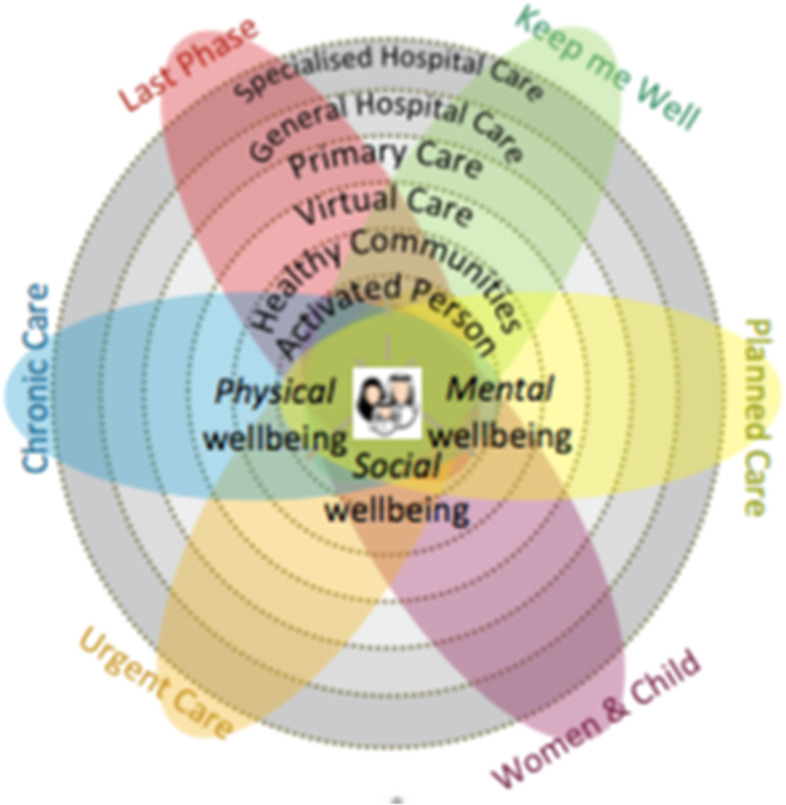
Primary healthcare centers (PHC) ensure that patients receive comprehensive care from promotion and prevention to treatment, rehabilitation, and palliative care in a familiar environment. It is designed to provide first-contact, continuous, comprehensive, and coordinated patient care that will help achieve equity in the specialty healthcare system. The healthcare in Saudi Arabia is undergoing transformation to Accountable Care Organizations (ACO) model. In order for the Kingdom of Saudi Arabia (KSA) to achieve its transformational goals in healthcare, the improvement of PHCs' quality and utilization is crucial. An integral part of this service is the laboratory services.
This paper presents a pilot model for the laboratory services of PHC's in urban cities. The method was based on the FOCUS-PDCA quality improvement method focusing on the pre-analytical phase of the laboratory testing as well as the Saudi Central Board for Accreditation of Healthcare Institutes (CBAHI) gap analysis and readiness within the ten piloted primary healthcare centers.
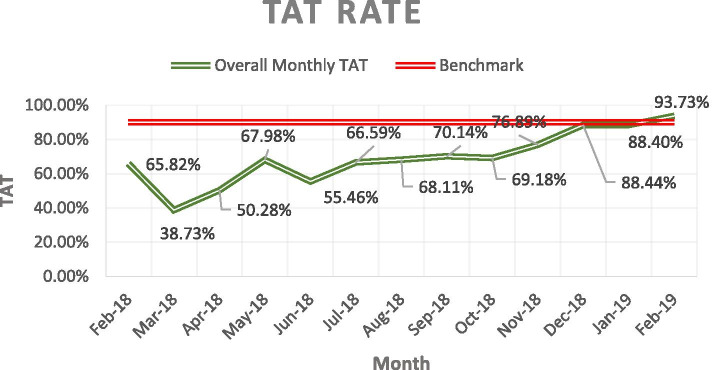
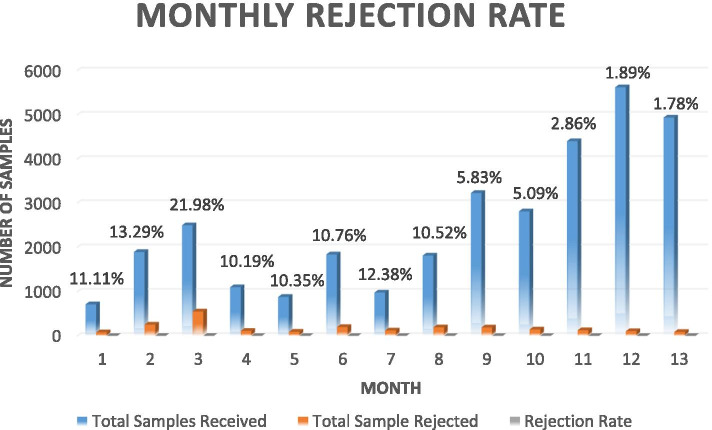
The Gap analysis, revealed in-consistency in the practice, lead to lower the quality of the service, which was seen in the low performance of the chosen key performance indicators (KPI's) (high rejection rates, lower turn-around times (TAT) for test results) and also in the competency of the staff. Following executing the interventions, and by using some of the ACO Laboratory strategies; the KPI rates were improved, and our results exceeded the targets that we have set to reach during the first year. Also introducing the electronic connectivity improved the TAT KPI and made many of the processes leaner.
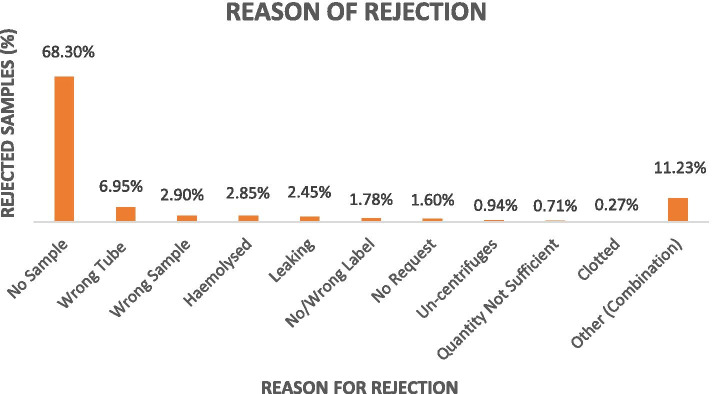
Our results revealed that the centralization of PHC's laboratory service to an accredited reference laboratory and implementing the national accreditation standards improved the testing process and lowered the cost, for the mass majority of the routine laboratory testing. Moreover, the model shed the light on how crucial the pre-analytical phase for laboratory quality improvement process, its effect on cost reduction, and the importance of staff competency and utilization.
基层医疗中心(PHC)确保患者在熟悉的环境中接受从促进和预防到治疗、康复和姑息治疗的全面护理。它旨在提供第一接触、连续、全面和协调的患者护理,有助于实现专科医疗系统的公平。沙特阿拉伯的医疗保健正在向责任医疗组织(ACO)模式转变。为了实现王国在医疗保健方面的转型目标,提高 PHC 的质量和利用率至关重要。这项服务的一个组成部分是实验室服务。
本文介绍了城市基层医疗中心实验室服务的试点模式。该方法基于 FOCUS-PDCA 质量改进方法,重点关注实验室检测的分析前阶段,以及沙特中央医疗机构认证委员会(CBAHI)在十个试点基层医疗中心的差距分析和准备情况。
差距分析揭示了实践中的不一致之处,导致服务质量下降,表现在选定关键绩效指标(KPI)的低性能(高拒收率、测试结果的周转时间(TAT)较低)和员工能力方面。在执行干预措施后,并使用一些 ACO 实验室策略;KPI 率得到了改善,我们的结果超过了我们在第一年设定的目标。引入电子连接还提高了 TAT KPI,并使许多流程更加精简。
我们的结果表明,将 PHC 的实验室服务集中到一个经过认证的参考实验室,并实施国家认证标准,改善了检测过程并降低了成本,适用于大多数常规实验室检测。此外,该模型还揭示了分析前阶段对实验室质量改进过程的重要性,以及对成本降低的影响,以及员工能力和利用的重要性。