Alotaibi Shaymaa Y
Health Service and Hospital Management Department, College of Business, King Abdul-Aziz University, Rabigh, Saudi Arabia.
Health Services Management Centre, College of Social Sciences, University of Birmingham, Birmingham, UK.
J Taibah Univ Med Sci. 2023 Jan 3;18(4):711-725. doi: 10.1016/j.jtumed.2022.12.012. eCollection 2023 Aug.
BACKGROUND/OBJECTIVES: In 2013, the KSA made Central Board for Accreditation of Healthcare Institutions (CBAHI) accreditation mandatory for all healthcare facilities, including primary health care centres (PHCs) and set a target to have 502 PHCs accredited by 2020. However, there is a real gap in knowledge and research on the impact of CBAHI accreditation on PHCs. This absence of research has been linked to the lack of understanding of the accreditation programme. Therefore, it was recommended by scholars that the KSA could learn from the experience of other countries to improve policy implementation and avoid future complications.
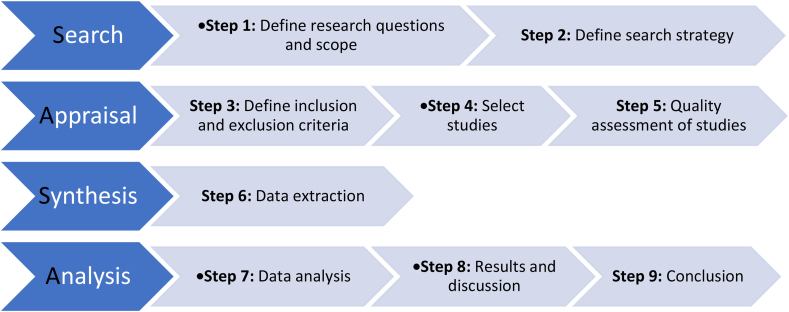
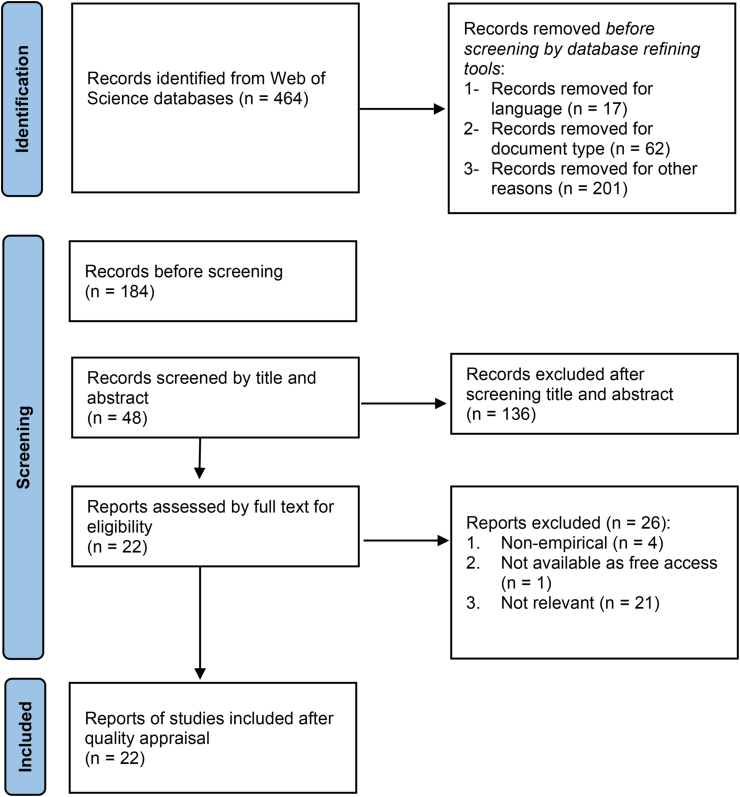
This study aimed to explore lessons that KSA can draw from developed and developing countries that have implemented accreditation programmes for PHCs. We performed a literature review using a systematic approach to identify articles related to the accreditation of PHCs. The identified articles were examined by applying evaluation criteria in respect of prospective policy transfer.
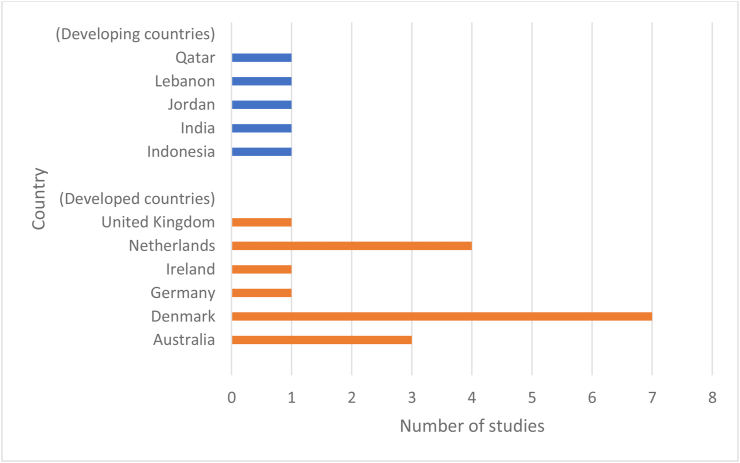
The research results yielded 22 publications from different countries. There were variations among the countries in the specific information acquired. However, Denmark had the highest number of articles providing detailed information. Regarding their aims, most studies shared the same goal of improving quality and patient safety. Generally, there was limited discussion of policy failure compared with policy success. In addition, most of the countries were in the process of implementing local accreditation. Almost all of the countries that had implemented external programmes were developing countries. In terms of application criteria, most cases made recommendations for the programme or for PHCs.
Analysis indicated that because of the differences in information between countries and settings, there is no ideal country-based experience from which the KSA can transfer lessons. Lessons from outside the KSA would need careful consideration when adopting them in the local context of the Kingdom.
背景/目标:2013年,沙特阿拉伯王国要求所有医疗机构,包括初级卫生保健中心(PHC)必须获得医疗机构认证中央委员会(CBAHI)的认证,并设定了到2020年使502家初级卫生保健中心获得认证的目标。然而,关于CBAHI认证对初级卫生保健中心影响的知识和研究存在实际差距。这种研究的缺乏与对认证计划的理解不足有关。因此,学者们建议沙特阿拉伯王国可以借鉴其他国家的经验来改进政策实施并避免未来的并发症。
本研究旨在探索沙特阿拉伯王国可以从已实施初级卫生保健中心认证计划的发达国家和发展中国家吸取的经验教训。我们采用系统的方法进行文献综述,以识别与初级卫生保健中心认证相关的文章。通过应用前瞻性政策转移的评估标准对识别出的文章进行审查。
研究结果产生了来自不同国家的22篇出版物。各国获得的具体信息存在差异。然而,丹麦提供详细信息的文章数量最多。关于其目标,大多数研究都有提高质量和患者安全的共同目标。一般来说,与政策成功相比,对政策失败的讨论有限。此外,大多数国家正在实施本地认证。几乎所有实施外部计划的国家都是发展中国家。在应用标准方面,大多数案例对该计划或初级卫生保健中心提出了建议。
分析表明,由于国家和环境之间信息的差异,没有理想的基于国家的经验可供沙特阿拉伯王国借鉴经验教训。在沙特阿拉伯王国当地背景下采用沙特阿拉伯境外的经验教训时需要仔细考虑。