Ramphul Manisha, Lo David K H, Gaillard Erol A
Department of Paediatric Respiratory Medicine, Leicester Children's Hospital, University Hospitals Leicester, Leicester, UK.
Department of Respiratory Sciences, Leicester NIHR Biomedical Research Centre (Respiratory Theme), University of Leicester, Leicester, UK.
J Asthma Allergy. 2021 May 20;14:525-538. doi: 10.2147/JAA.S265657. eCollection 2021.
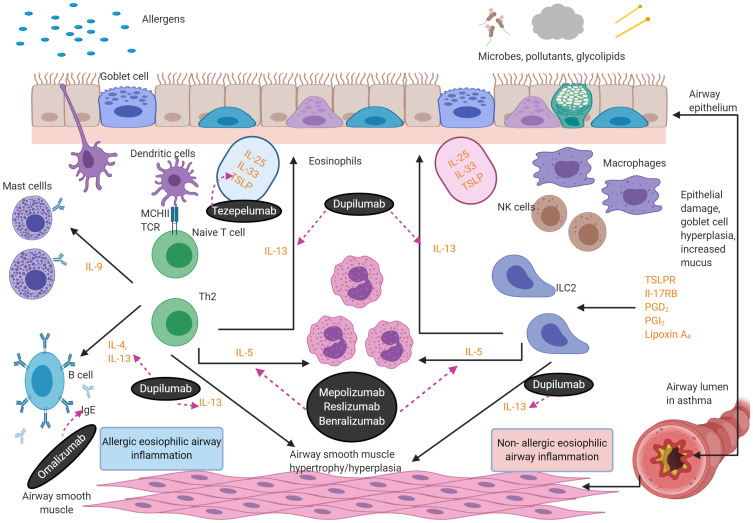
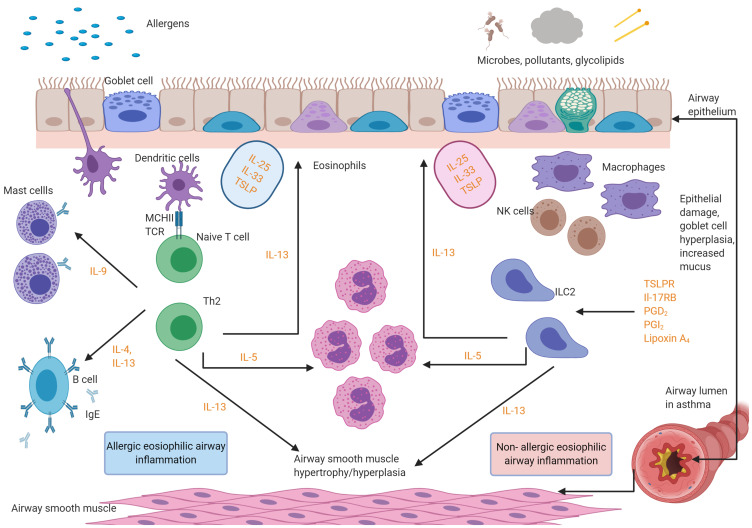
Asthma is a heterogeneous disease, characterised by different phenotypes and endotypes. Precision medicine in asthma refers to the implementation of a targeted therapy for each individual child, based on the identification of treatable traits, including environmental, immunological and genetic factors. Severe asthma in children is associated with increased hospitalisation rates, a lower quality of life, increased healthcare costs and an increased mortality. In the era of new molecular biologics treatments, it is essential to improve deep phenotyping of children with severe asthma in order to deliver the most effective treatment to each individual child. In this review, we discuss the personalised approach to the assessment and management of severe asthma. We explore the indications and use of the currently licensed biologics, as well as the potential of other emerging treatments.
哮喘是一种异质性疾病,具有不同的表型和内型。哮喘的精准医学是指基于对可治疗特征(包括环境、免疫和遗传因素)的识别,为每个儿童实施针对性治疗。儿童重度哮喘与住院率增加、生活质量降低、医疗费用增加及死亡率上升相关。在新的分子生物制剂治疗时代,改善重度哮喘儿童的深度表型分析至关重要,以便为每个儿童提供最有效的治疗。在本综述中,我们讨论重度哮喘评估和管理的个性化方法。我们探讨当前已获许可的生物制剂的适应证和用法,以及其他新兴治疗方法的潜力。