Guangzhou Key Laboratory of Enhanced Recovery after Abdominal Surgery, The Fifth Affiliated Hospital of Guangzhou Medical University, Guangzhou Medical University, Guangzhou, China.
J Transl Med. 2021 May 28;19(1):226. doi: 10.1186/s12967-021-02903-5.
Circular RNAs (circRNAs) are a new class of noncoding RNAs that have gained increased attention in human tumor research. However, the identification and function of circRNAs are largely unknown in the context of gastric cancer (GC). This study aims to identify novel circRNAs and determine their action networks in GC.
A comprehensive strategy of data mining, reverse transcription-quantitative polymerase chain reaction (RT-qPCR) and computational biology were conducted to discover novel circRNAs and to explore their potential mechanisms in GC. Promising therapeutic drugs for GC were determined by connectivity map (CMap) analysis.
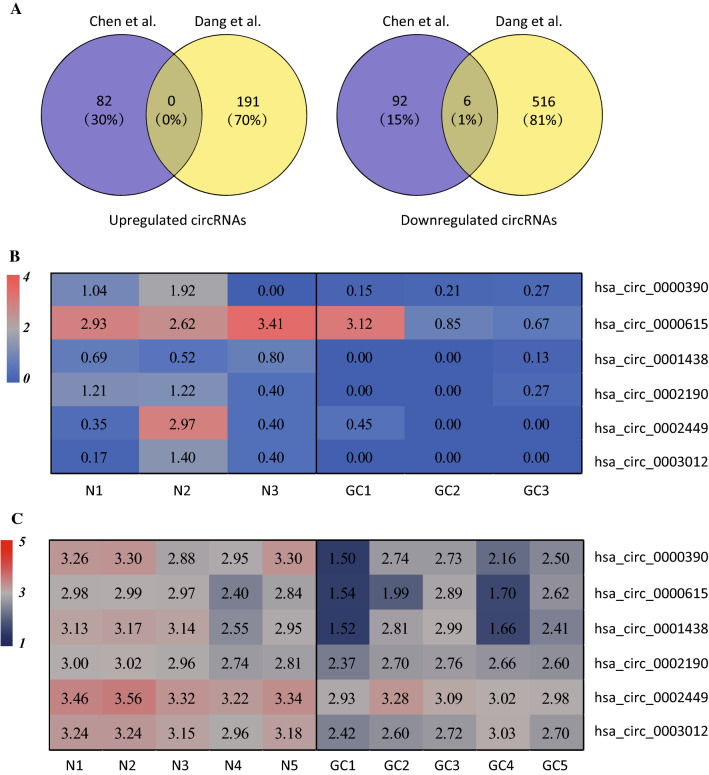
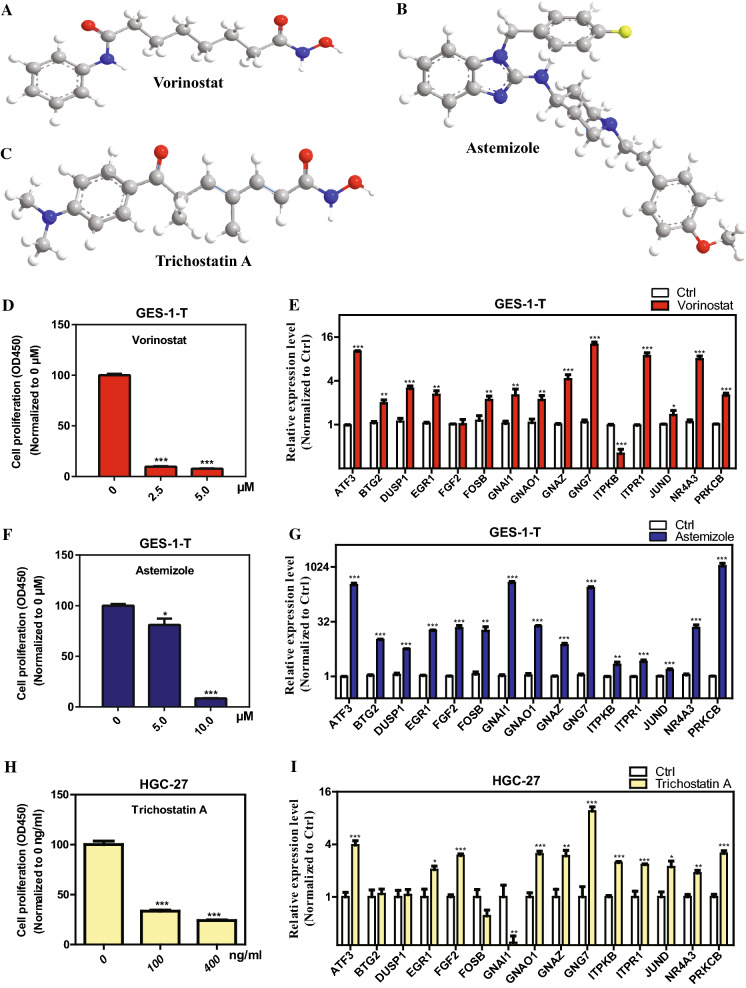
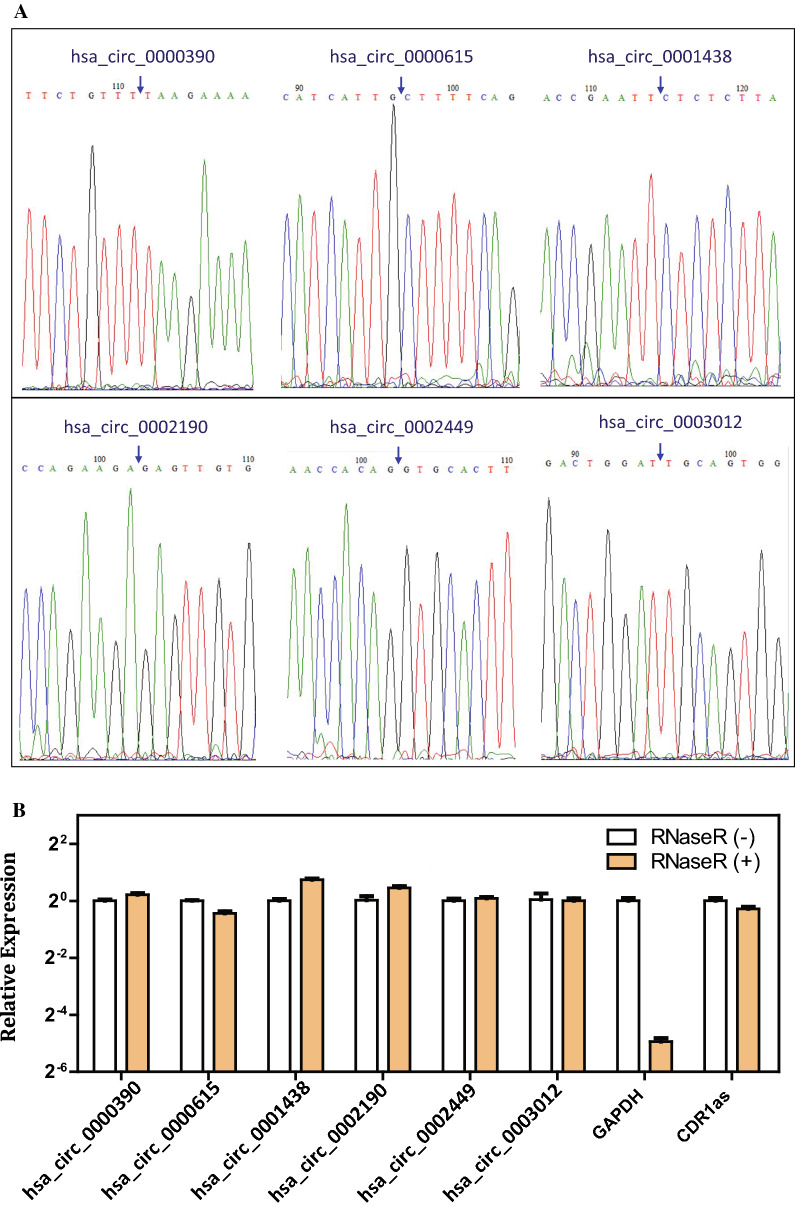
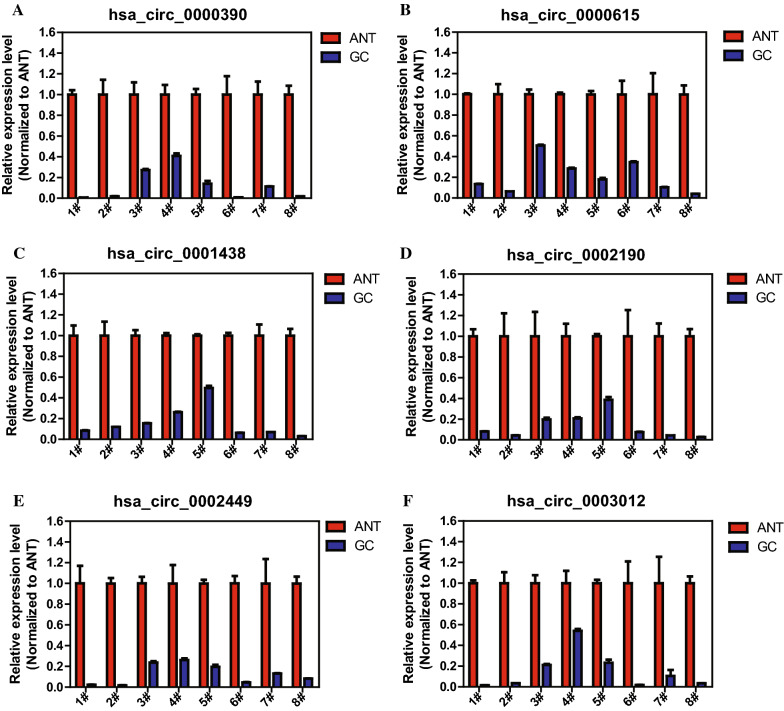
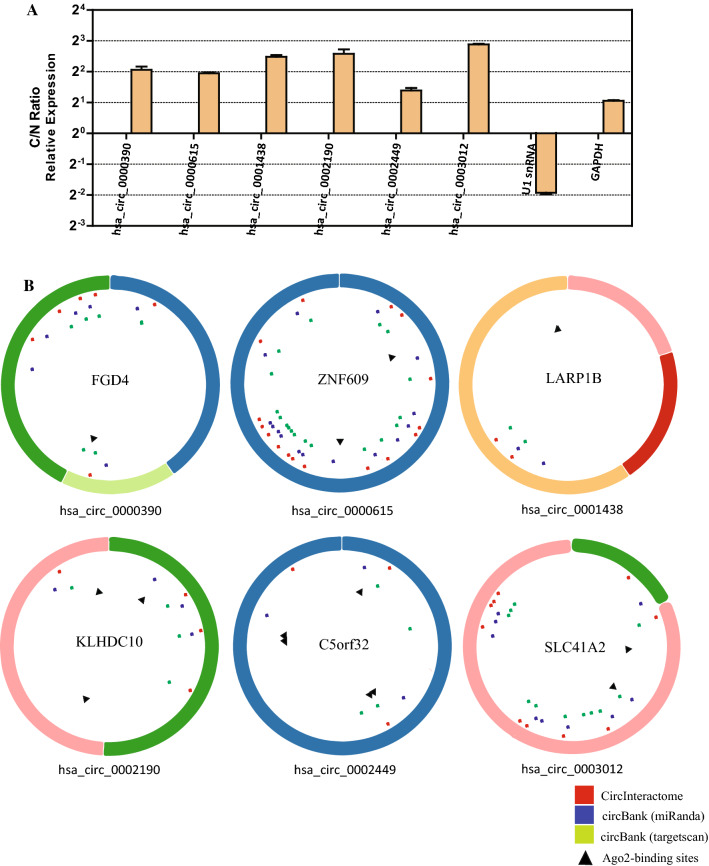
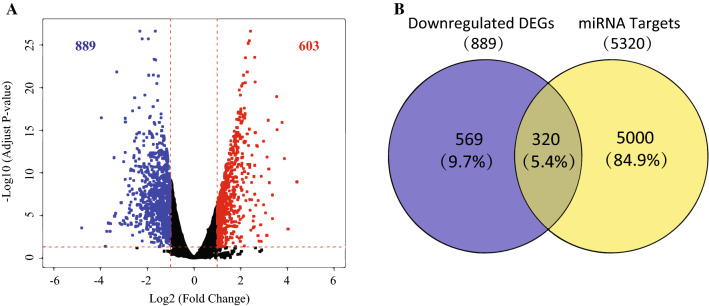
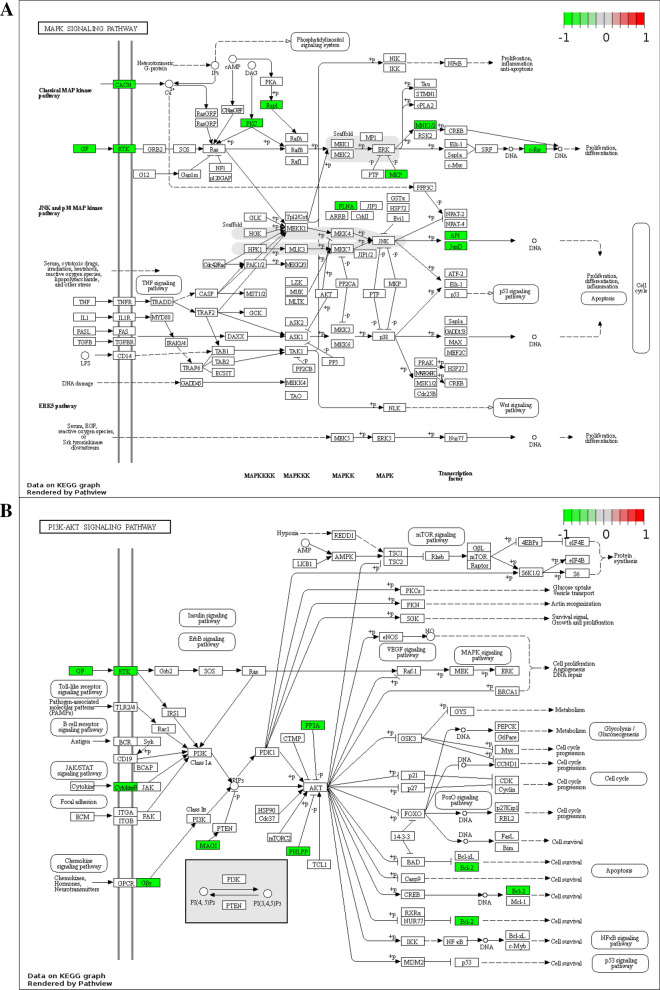
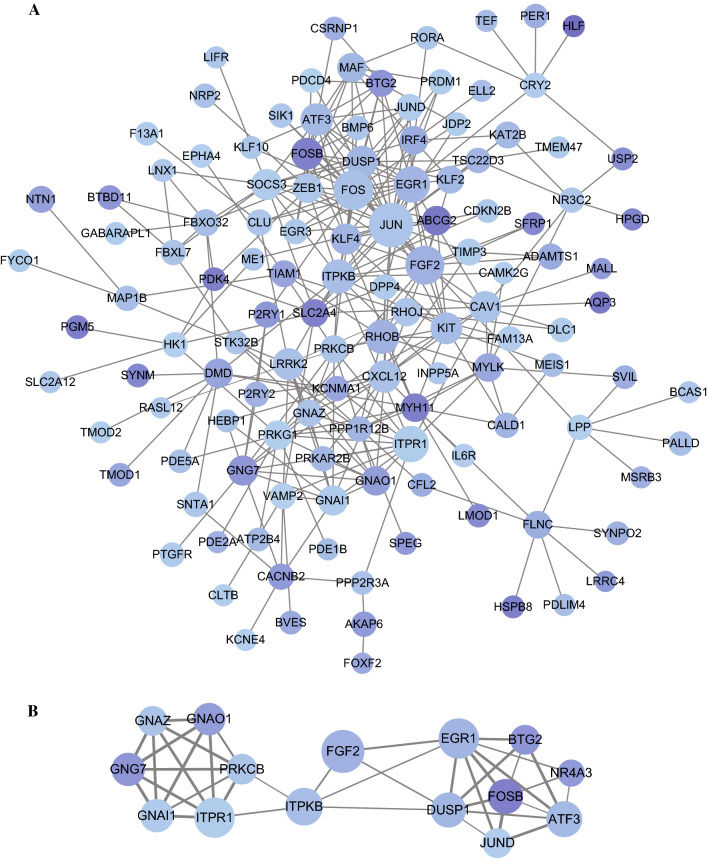
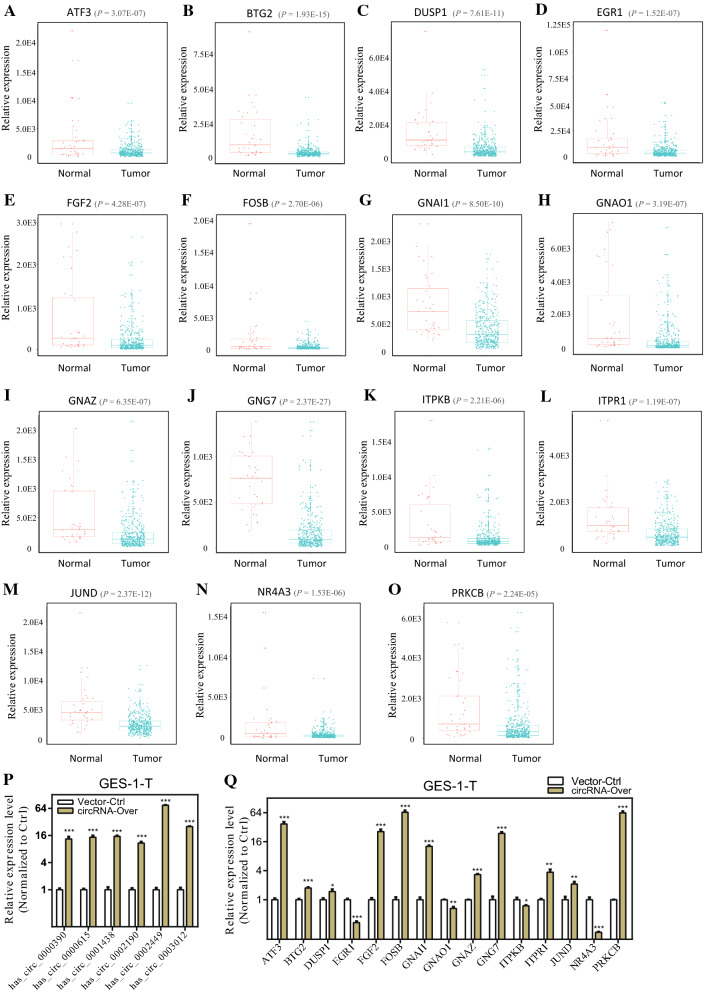
Six overlapped differentially expressed circRNAs (DECs) were screened from selected microarray and RNA-Seq datasets of GC, and the six DECs were then validated by sanger sequencing and RNase R treatment. Subsequent RT-qPCR analysis of GC samples confirmed decreased expressions of the six DECs (hsa_circ_0000390, hsa_circ_0000615, hsa_circ_0001438, hsa_circ_0002190, hsa_circ_0002449 and hsa_circ_0003120), all of which accumulated preferentially in the cytoplasm. MiRNA binding sites and AGO2 occupation of the six circRNAs were predicted using online databases, and circRNA-miRNA interactions including the six circRNAs and 33 miRNAs were determined. Then, 5320 target genes of the above 33 miRNAs and 1492 differently expressed genes (DEGs) from The Cancer Genome Atlas (TCGA) database were identified. After intersecting the miRNA target genes and the 889 downregulated DEGs, 320 overlapped target genes were acquired. The Kyoto Encyclopedia of Genes and Genomes enrichment analysis indicated that these target genes were related to two critical tumor-associated signaling pathways. A protein-protein interaction network with the 320 target genes was constructed using STRING, and fifteen hubgenes (ATF3, BTG2, DUSP1, EGR1, FGF2, FOSB, GNAO1, GNAI1, GNAZ, GNG7, ITPR1, ITPKB, JUND, NR4A3, PRKCB) in the network were identified. Finally, bioactive chemicals (including vorinostat, trichostatin A and astemizole) based on the fifteen hubgenes were identifed as therapeutic agents for GC through the CMap analysis.
This study provides a novel insight for further exploration of the pathogenesis and therapy of GC from the circRNA-miRNA-mRNA network perspective.
环状 RNA(circRNAs)是一类新的非编码 RNA,在人类肿瘤研究中受到越来越多的关注。然而,circRNAs 在胃癌(GC)中的鉴定和功能在很大程度上仍是未知的。本研究旨在鉴定新型 circRNAs 并确定其在 GC 中的作用网络。
采用数据挖掘、逆转录定量聚合酶链反应(RT-qPCR)和计算生物学的综合策略,发现新型 circRNAs 并探索其在 GC 中的潜在机制。通过连接图谱(CMap)分析确定 GC 的潜在治疗药物。
从 GC 的选定微阵列和 RNA-Seq 数据集筛选出 6 个差异表达的 circRNAs(DECs),然后通过 Sanger 测序和 RNase R 处理进行验证。随后对 GC 样本进行 RT-qPCR 分析,证实了这 6 个 DECs(hsa_circ_0000390、hsa_circ_0000615、hsa_circ_0001438、hsa_circ_0002190、hsa_circ_0002449 和 hsa_circ_0003120)的表达均降低,这些 circRNAs 均优先在细胞质中积累。使用在线数据库预测 6 个 circRNAs 的 miRNA 结合位点和 AGO2 占据,确定包括 6 个 circRNAs 和 33 个 miRNA 的 circRNA-miRNA 相互作用。然后,从癌症基因组图谱(TCGA)数据库中鉴定出上述 33 个 miRNA 的 5320 个靶基因和 1492 个差异表达基因(DEGs)。在将 miRNA 靶基因与 889 个下调的 DEGs 相交后,获得了 320 个重叠靶基因。京都基因与基因组百科全书富集分析表明,这些靶基因与两个关键的肿瘤相关信号通路有关。使用 STRING 构建了一个包含 320 个靶基因的蛋白质-蛋白质相互作用网络,并鉴定出网络中的 15 个枢纽基因(ATF3、BTG2、DUSP1、EGR1、FGF2、FOSB、GNAO1、GNAI1、GNAZ、GNG7、ITPR1、ITPKB、JUND、NR4A3、PRKCB)。最后,通过 CMap 分析,基于这 15 个枢纽基因鉴定出用于治疗 GC 的生物活性化合物(包括伏立诺他、曲古抑菌素 A 和阿司咪唑)。
本研究从 circRNA-miRNA-mRNA 网络的角度为进一步探索 GC 的发病机制和治疗提供了新的见解。