Guangzhou First People's Hospital, School of Medicine, Institutes for Life Sciences, South China University of Technology, Guangzhou, 510006, China.
The First Affiliated Hospital of USTC, University of Science and Technology of China, Hefei, 230027, China.
Protein Cell. 2022 Dec;13(12):877-919. doi: 10.1007/s13238-021-00846-7. Epub 2021 May 29.
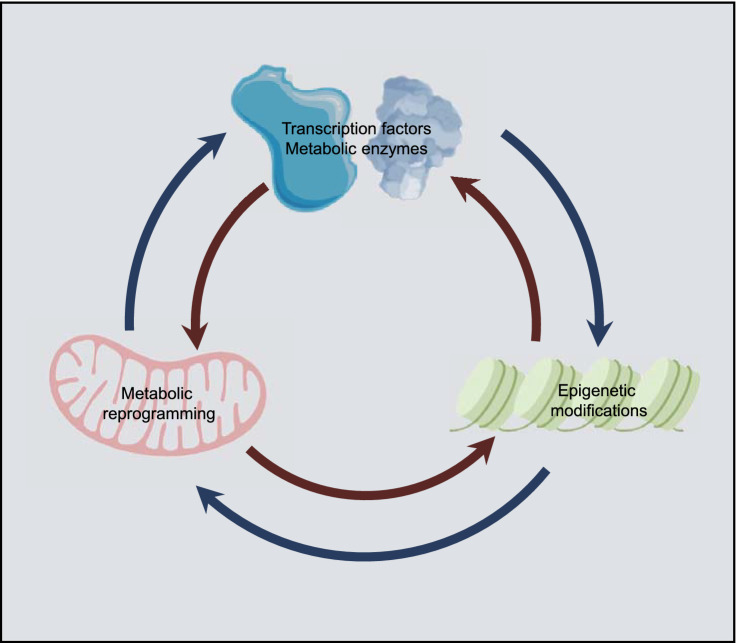
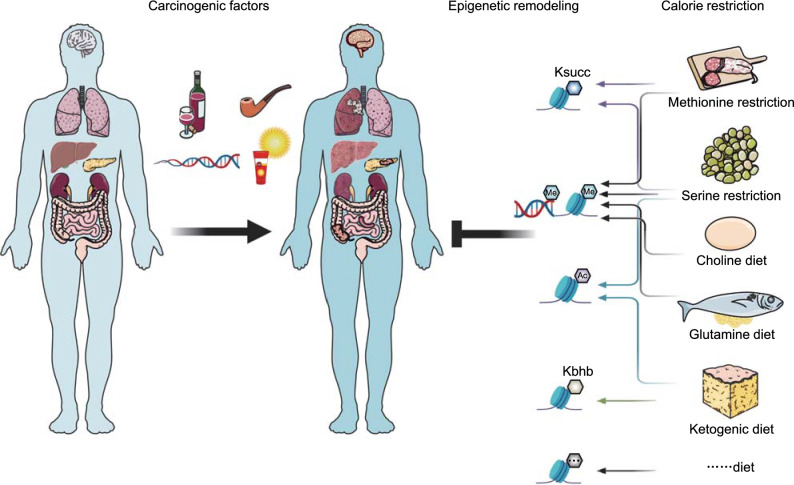
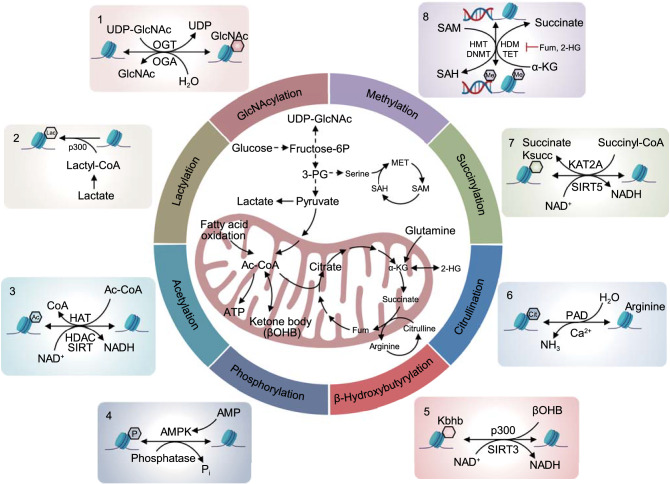
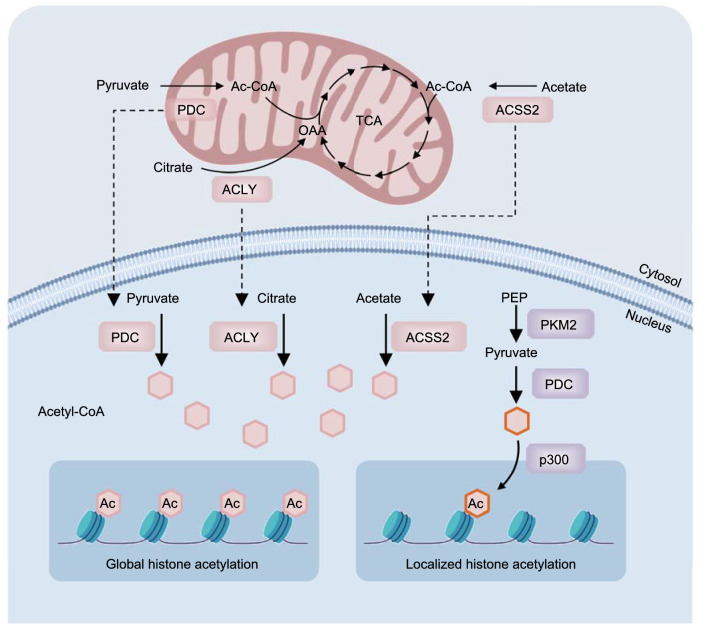
Metabolic rewiring and epigenetic remodeling, which are closely linked and reciprocally regulate each other, are among the well-known cancer hallmarks. Recent evidence suggests that many metabolites serve as substrates or cofactors of chromatin-modifying enzymes as a consequence of the translocation or spatial regionalization of enzymes or metabolites. Various metabolic alterations and epigenetic modifications also reportedly drive immune escape or impede immunosurveillance within certain contexts, playing important roles in tumor progression. In this review, we focus on how metabolic reprogramming of tumor cells and immune cells reshapes epigenetic alterations, in particular the acetylation and methylation of histone proteins and DNA. We also discuss other eminent metabolic modifications such as, succinylation, hydroxybutyrylation, and lactylation, and update the current advances in metabolism- and epigenetic modification-based therapeutic prospects in cancer.
代谢重编程和表观遗传重塑是众所周知的癌症标志之一,它们密切相关并相互调节。最近的证据表明,许多代谢物作为染色质修饰酶的底物或辅助因子,这是由于酶或代谢物的易位或空间区域化。据报道,各种代谢改变和表观遗传修饰也在某些情况下导致免疫逃逸或阻碍免疫监视,在肿瘤进展中发挥重要作用。在这篇综述中,我们重点讨论了肿瘤细胞和免疫细胞的代谢重编程如何重塑表观遗传改变,特别是组蛋白蛋白和 DNA 的乙酰化和甲基化。我们还讨论了其他突出的代谢修饰,如琥珀酰化、羟丁酰化和乳酰化,并更新了基于代谢和表观遗传修饰的癌症治疗前景的最新进展。