• 文献检索
  • 文档翻译
  • 深度研究
  • 学术资讯
  • Suppr Zotero 插件Zotero 插件
  • 邀请有礼
  • 套餐&价格
  • 历史记录
应用&插件
Suppr Zotero 插件Zotero 插件浏览器插件Mac 客户端Windows 客户端微信小程序
定价
高级版会员购买积分包购买API积分包
服务
文献检索文档翻译深度研究API 文档MCP 服务
关于我们
关于 Suppr公司介绍联系我们用户协议隐私条款
关注我们

Suppr 超能文献

核心技术专利:CN118964589B侵权必究
粤ICP备2023148730 号-1Suppr @ 2026

文献检索

告别复杂PubMed语法,用中文像聊天一样搜索,搜遍4000万医学文献。AI智能推荐,让科研检索更轻松。

立即免费搜索

文件翻译

保留排版,准确专业,支持PDF/Word/PPT等文件格式,支持 12+语言互译。

免费翻译文档

深度研究

AI帮你快速写综述,25分钟生成高质量综述,智能提取关键信息,辅助科研写作。

立即免费体验

免疫特征与 SARS-CoV-2 感染患者的分析揭示了潜在的宿主治疗靶点和 SARS-CoV-2 致癌机制。

Immune characterization and profiles of SARS-CoV-2 infected patients reveals potential host therapeutic targets and SARS-CoV-2 oncogenesis mechanism.

机构信息

Clinical & Experimental Therapeutics Program, Lombardi Comprehensive Cancer Center, Georgetown University Medical Center, New Research Building, 3970 Reservoir Road NW, Washington, DC 20057-1469, United States.

Clinical & Experimental Therapeutics Program, Lombardi Comprehensive Cancer Center, Georgetown University Medical Center, New Research Building, 3970 Reservoir Road NW, Washington, DC 20057-1469, United States.

出版信息

Virus Res. 2021 Aug;301:198464. doi: 10.1016/j.virusres.2021.198464. Epub 2021 May 29.

DOI:10.1016/j.virusres.2021.198464
PMID:34058265
原文链接:https://pmc.ncbi.nlm.nih.gov/articles/PMC8163696/
Abstract

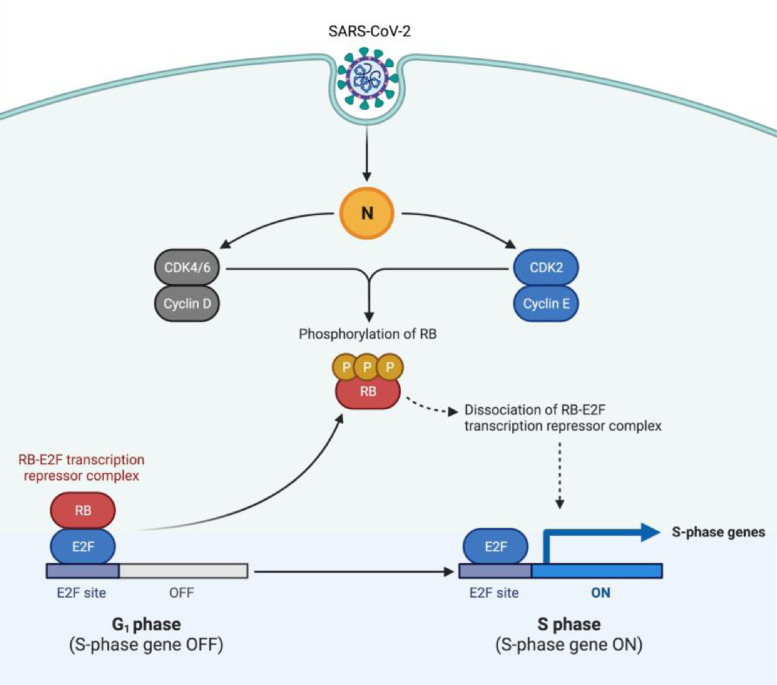
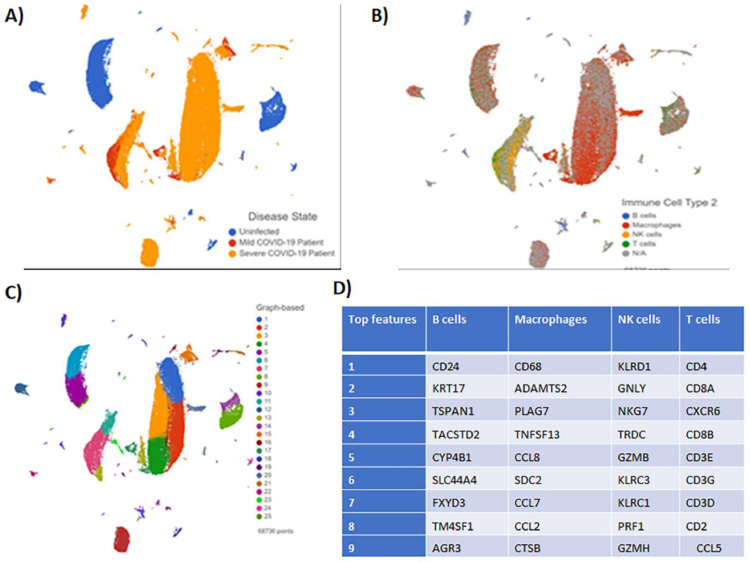
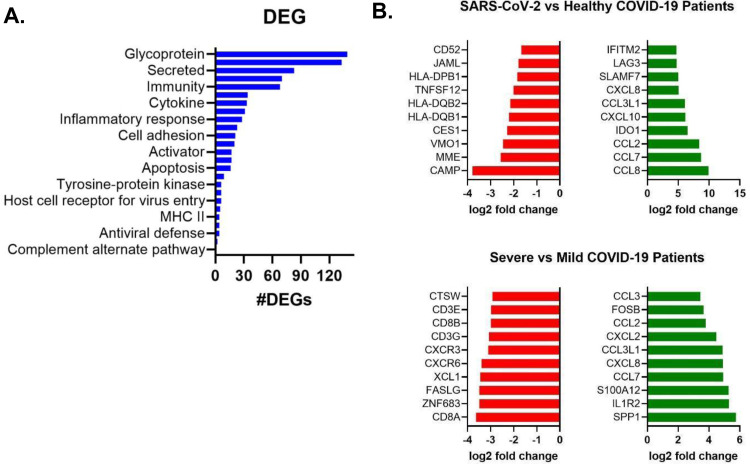
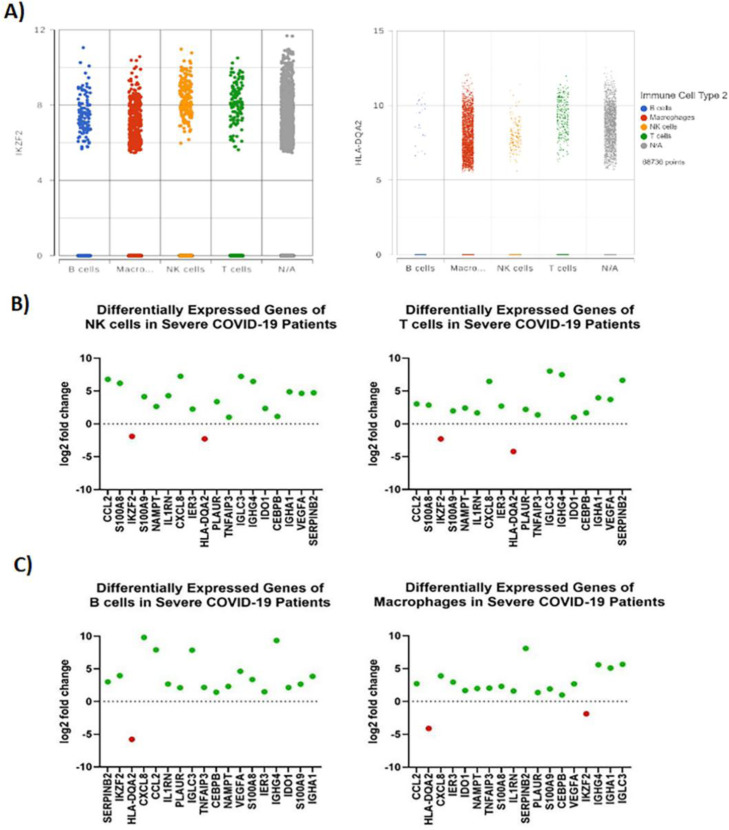
The spread of SARS-CoV-2 and the increasing mortality rates of COVID-19 create an urgent need for treatments, which are currently lacking. Although vaccines have been approved by the FDA for emergency use in the U.S., patients will continue to require pharmacologic intervention to reduce morbidity and mortality as vaccine availability remains limited. The rise of new variants makes the development of therapeutic strategies even more crucial to combat the current pandemic and future outbreaks. Evidence from several studies suggests the host immune response to SARS-CoV-2 infection plays a critical role in disease pathogenesis. Consequently, host immune factors are becoming more recognized as potential biomarkers and therapeutic targets for COVID-19. To develop therapeutic strategies to combat current and future coronavirus outbreaks, understanding how the coronavirus hijacks the host immune system during and after the infection is crucial. In this study, we investigated immunological patterns or characteristics of the host immune response to SARS-CoV-2 infection that may contribute to the disease severity of COVID-19 patients. We analyzed large bulk RNASeq and single cell RNAseq data from COVID-19 patient samples to immunoprofile differentially expressed gene sets and analyzed pathways to identify human host protein targets. We observed an immunological profile of severe COVID-19 patients characterized by upregulated cytokines, interferon-induced proteins, and pronounced T cell lymphopenia, supporting findings by previous studies. We identified a number of host immune targets including PERK, PKR, TNF, NF-kB, and other key genes that modulate the significant pathways and genes identified in COVID-19 patients. Finally, we identified genes modulated by COVID-19 infection that are implicated in oncogenesis, including E2F transcription factors and RB1, suggesting a mechanism by which SARS-CoV-2 infection may contribute to oncogenesis. Further clinical investigation of these targets may lead to bonafide therapeutic strategies to treat the current COVID-19 pandemic and protect against future outbreaks and viral escape variants.

摘要

SARS-CoV-2 的传播和 COVID-19 死亡率的不断上升,使得人们迫切需要治疗方法,但目前还缺乏这种方法。尽管 FDA 已批准在美国紧急使用疫苗,但由于疫苗供应仍然有限,患者仍将需要药物干预来降低发病率和死亡率。新变种的出现使得制定治疗策略对于应对当前大流行和未来爆发变得更加重要。多项研究的证据表明,宿主对 SARS-CoV-2 感染的免疫反应在疾病发病机制中起着关键作用。因此,宿主免疫因素越来越被认为是 COVID-19 的潜在生物标志物和治疗靶点。为了制定治疗策略来应对当前和未来的冠状病毒爆发,了解冠状病毒在感染期间和之后如何劫持宿主免疫系统至关重要。在这项研究中,我们研究了宿主对 SARS-CoV-2 感染的免疫反应的免疫模式或特征,这些特征可能导致 COVID-19 患者的疾病严重程度。我们分析了来自 COVID-19 患者样本的大量 bulk RNASeq 和单细胞 RNAseq 数据,以免疫分析差异表达基因集,并分析途径以鉴定人类宿主蛋白靶标。我们观察到严重 COVID-19 患者的免疫特征,表现为细胞因子、干扰素诱导蛋白上调和明显的 T 细胞淋巴细胞减少,这与之前的研究结果一致。我们确定了一些宿主免疫靶标,包括 PERK、PKR、TNF、NF-kB 和其他调节 COVID-19 患者中显著途径和基因的关键基因。最后,我们确定了受 COVID-19 感染调节的与肿瘤发生有关的基因,包括 E2F 转录因子和 RB1,表明 SARS-CoV-2 感染可能导致肿瘤发生的机制。对这些靶点的进一步临床研究可能会导致针对当前 COVID-19 大流行的有效治疗策略,并防止未来的爆发和病毒逃逸变种。
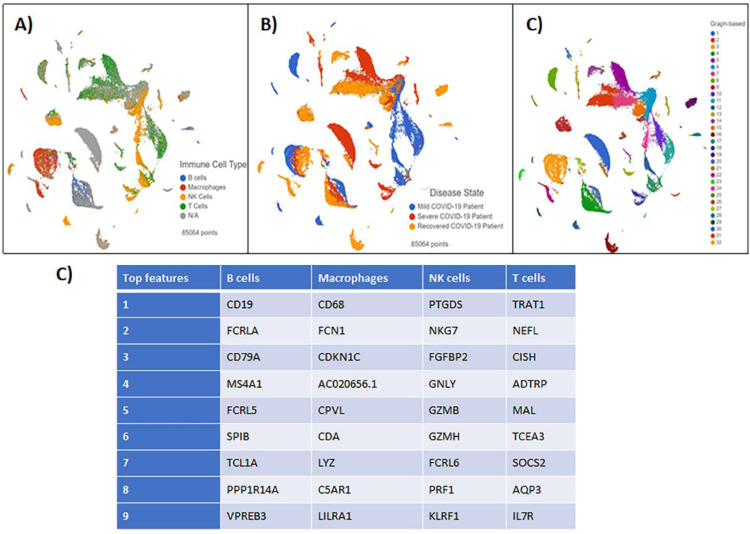
https://cdn.ncbi.nlm.nih.gov/pmc/blobs/8f9e/8163696/0a3c7e7a8071/gr11_lrg.jpg
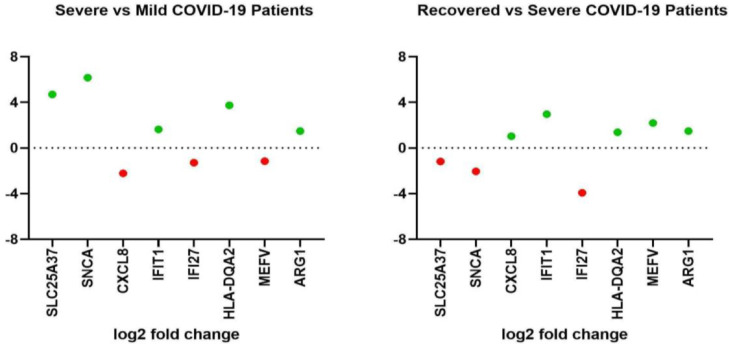
https://cdn.ncbi.nlm.nih.gov/pmc/blobs/8f9e/8163696/b9b2f3313a3d/gr1_lrg.jpg
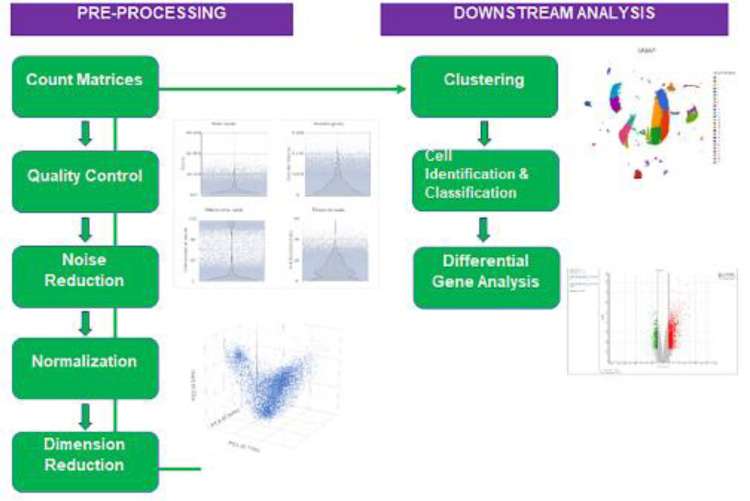
https://cdn.ncbi.nlm.nih.gov/pmc/blobs/8f9e/8163696/f23aed052419/gr2_lrg.jpg
https://cdn.ncbi.nlm.nih.gov/pmc/blobs/8f9e/8163696/d7a0e6f60277/gr3_lrg.jpg
https://cdn.ncbi.nlm.nih.gov/pmc/blobs/8f9e/8163696/71a079e016b9/gr4_lrg.jpg
https://cdn.ncbi.nlm.nih.gov/pmc/blobs/8f9e/8163696/27374d1f8b27/gr5_lrg.jpg
https://cdn.ncbi.nlm.nih.gov/pmc/blobs/8f9e/8163696/cdbbcb1f5dcc/gr6_lrg.jpg
https://cdn.ncbi.nlm.nih.gov/pmc/blobs/8f9e/8163696/e585d1b533b3/gr7_lrg.jpg
https://cdn.ncbi.nlm.nih.gov/pmc/blobs/8f9e/8163696/dc62f6330338/gr8_lrg.jpg
https://cdn.ncbi.nlm.nih.gov/pmc/blobs/8f9e/8163696/bc58217488f2/gr9_lrg.jpg
https://cdn.ncbi.nlm.nih.gov/pmc/blobs/8f9e/8163696/308fb9c93b47/gr10_lrg.jpg
https://cdn.ncbi.nlm.nih.gov/pmc/blobs/8f9e/8163696/0a3c7e7a8071/gr11_lrg.jpg
https://cdn.ncbi.nlm.nih.gov/pmc/blobs/8f9e/8163696/b9b2f3313a3d/gr1_lrg.jpg
https://cdn.ncbi.nlm.nih.gov/pmc/blobs/8f9e/8163696/f23aed052419/gr2_lrg.jpg
https://cdn.ncbi.nlm.nih.gov/pmc/blobs/8f9e/8163696/d7a0e6f60277/gr3_lrg.jpg
https://cdn.ncbi.nlm.nih.gov/pmc/blobs/8f9e/8163696/71a079e016b9/gr4_lrg.jpg
https://cdn.ncbi.nlm.nih.gov/pmc/blobs/8f9e/8163696/27374d1f8b27/gr5_lrg.jpg
https://cdn.ncbi.nlm.nih.gov/pmc/blobs/8f9e/8163696/cdbbcb1f5dcc/gr6_lrg.jpg
https://cdn.ncbi.nlm.nih.gov/pmc/blobs/8f9e/8163696/e585d1b533b3/gr7_lrg.jpg
https://cdn.ncbi.nlm.nih.gov/pmc/blobs/8f9e/8163696/dc62f6330338/gr8_lrg.jpg
https://cdn.ncbi.nlm.nih.gov/pmc/blobs/8f9e/8163696/bc58217488f2/gr9_lrg.jpg
https://cdn.ncbi.nlm.nih.gov/pmc/blobs/8f9e/8163696/308fb9c93b47/gr10_lrg.jpg
https://cdn.ncbi.nlm.nih.gov/pmc/blobs/8f9e/8163696/0a3c7e7a8071/gr11_lrg.jpg

相似文献

1
Immune characterization and profiles of SARS-CoV-2 infected patients reveals potential host therapeutic targets and SARS-CoV-2 oncogenesis mechanism.免疫特征与 SARS-CoV-2 感染患者的分析揭示了潜在的宿主治疗靶点和 SARS-CoV-2 致癌机制。
Virus Res. 2021 Aug;301:198464. doi: 10.1016/j.virusres.2021.198464. Epub 2021 May 29.
2
Immune characterization and profiles of SARS-CoV-2 infected patients reveals potential host therapeutic targets and SARS-CoV-2 oncogenesis mechanism.新型冠状病毒感染患者的免疫特征及概况揭示了潜在的宿主治疗靶点和新型冠状病毒致癌机制。
bioRxiv. 2021 Mar 22:2021.02.17.431721. doi: 10.1101/2021.02.17.431721.
3
Comparative analysis of dynamic transcriptomes reveals specific COVID-19 features and pathogenesis of immunocompromised populations.比较动态转录组分析揭示了 COVID-19 的特定特征和免疫功能低下人群的发病机制。
mSystems. 2024 Jun 18;9(6):e0138523. doi: 10.1128/msystems.01385-23. Epub 2024 May 16.
4
Transcriptome of nasopharyngeal samples from COVID-19 patients and a comparative analysis with other SARS-CoV-2 infection models reveal disparate host responses against SARS-CoV-2.从 COVID-19 患者的鼻咽样本中进行转录组分析,并与其他 SARS-CoV-2 感染模型进行比较分析,揭示了宿主针对 SARS-CoV-2 的不同反应。
J Transl Med. 2021 Jan 7;19(1):32. doi: 10.1186/s12967-020-02695-0.
5
Differential Co-Expression Network Analysis Reveals Key Hub-High Traffic Genes as Potential Therapeutic Targets for COVID-19 Pandemic.差异共表达网络分析揭示关键枢纽-高流量基因可能成为 COVID-19 大流行的治疗靶点。
Front Immunol. 2021 Dec 15;12:789317. doi: 10.3389/fimmu.2021.789317. eCollection 2021.
6
Single-Cell and Bulk RNASeq Profiling of COVID-19 Patients Reveal Immune and Inflammatory Mechanisms of Infection-Induced Organ Damage.单细胞和批量 RNA 测序分析 COVID-19 患者,揭示感染诱导的器官损伤的免疫和炎症机制。
Viruses. 2021 Dec 2;13(12):2418. doi: 10.3390/v13122418.
7
Escape from neutralizing antibodies by SARS-CoV-2 spike protein variants.通过 SARS-CoV-2 刺突蛋白变体逃避中和抗体。
Elife. 2020 Oct 28;9:e61312. doi: 10.7554/eLife.61312.
8
Insights into COVID-19 Vaccine Development Based on Immunogenic Structural Proteins of SARS-CoV-2, Host Immune Responses, and Herd Immunity.基于 SARS-CoV-2 的免疫原性结构蛋白、宿主免疫反应和群体免疫的 COVID-19 疫苗开发的新见解。
Cells. 2021 Oct 29;10(11):2949. doi: 10.3390/cells10112949.
9
Potential Therapeutic Targets and Vaccine Development for SARS-CoV-2/COVID-19 Pandemic Management: A Review on the Recent Update.SARS-CoV-2/COVID-19 大流行管理的潜在治疗靶点和疫苗开发:近期进展综述。
Front Immunol. 2021 Jun 30;12:658519. doi: 10.3389/fimmu.2021.658519. eCollection 2021.
10
SARS-CoV-2 Variants, Vaccines, and Host Immunity.SARS-CoV-2 变体、疫苗和宿主免疫。
Front Immunol. 2022 Jan 3;12:809244. doi: 10.3389/fimmu.2021.809244. eCollection 2021.

引用本文的文献

1
Convergent Mechanisms in Virus-Induced Cancers: A Perspective on Classical Viruses, SARS-CoV-2, and AI-Driven Solutions.病毒诱导癌症中的趋同机制:关于经典病毒、SARS-CoV-2及人工智能驱动解决方案的观点
Infect Dis Rep. 2025 Apr 16;17(2):33. doi: 10.3390/idr17020033.
2
EpicPred: predicting phenotypes driven by epitope-binding TCRs using attention-based multiple instance learning.EpicPred:使用基于注意力的多示例学习预测由表位结合TCR驱动的表型。
Bioinformatics. 2025 Mar 4;41(3). doi: 10.1093/bioinformatics/btaf080.
3
IGSF1: a biomarker for predicting prognosis, immunotherapy response, and drug candidates in COVID-19 combined hepatocellular carcinoma.

本文引用的文献

1
HLA genetic polymorphisms and prognosis of patients with COVID-19.HLA基因多态性与新型冠状病毒肺炎患者的预后
Med Intensiva. 2021 Mar;45(2):96-103. doi: 10.1016/j.medin.2020.08.004. Epub 2020 Sep 6.
2
Host metabolic reprogramming in response to SARS-CoV-2 infection: A systems biology approach.宿主对 SARS-CoV-2 感染的代谢重编程:系统生物学方法。
Microb Pathog. 2021 Sep;158:105114. doi: 10.1016/j.micpath.2021.105114. Epub 2021 Jul 30.
3
Immune determinants of COVID-19 disease presentation and severity.COVID-19 疾病表现和严重程度的免疫决定因素。
IGSF1:一种用于预测COVID-19合并肝细胞癌预后、免疫治疗反应及候选药物的生物标志物。
Discov Oncol. 2024 Oct 29;15(1):599. doi: 10.1007/s12672-024-01483-2.
4
Novel risk loci for COVID-19 hospitalization among admixed American populations.混合人群中与 COVID-19 住院相关的新风险位点。
Elife. 2024 Oct 3;13:RP93666. doi: 10.7554/eLife.93666.
5
Recurrent Merkel Cell Carcinoma Following COVID-19 Treatment.COVID-19治疗后复发性默克尔细胞癌
Cureus. 2024 Jul 18;16(7):e64863. doi: 10.7759/cureus.64863. eCollection 2024 Jul.
6
First encounter with SARS-CoV-2: immune portraits of COVID susceptibility.首次接触严重急性呼吸综合征冠状病毒2:新冠易感性的免疫图谱
Nature. 2024 Jul;631(8019):33-35. doi: 10.1038/d41586-024-01644-x.
7
Human-derived air-liquid interface cultures decipher Alzheimer's disease-SARS-CoV-2 crosstalk in the olfactory mucosa.人源气液界面培养物解析嗅黏膜中阿尔茨海默病与 SARS-CoV-2 的相互作用。
J Neuroinflammation. 2023 Dec 14;20(1):299. doi: 10.1186/s12974-023-02979-4.
8
SARS-CoV-2 infection as a potential risk factor for the development of cancer.2019冠状病毒病感染作为癌症发生发展的潜在危险因素。
Front Mol Biosci. 2023 Sep 11;10:1260776. doi: 10.3389/fmolb.2023.1260776. eCollection 2023.
9
Differential expression of biomarkers in saliva related to SARS-CoV-2 infection in patients with mild, moderate and severe COVID-19.唾液中与 SARS-CoV-2 感染相关的生物标志物在轻度、中度和重度 COVID-19 患者中的差异表达。
BMC Infect Dis. 2023 Sep 15;23(1):602. doi: 10.1186/s12879-023-08573-6.
10
Characterizing the key genes of COVID-19 that regulate tumor immune microenvironment and prognosis in hepatocellular carcinoma.鉴定调控肝癌肿瘤免疫微环境和预后的 COVID-19 关键基因。
Funct Integr Genomics. 2023 Aug 4;23(3):262. doi: 10.1007/s10142-023-01184-z.
Nat Med. 2021 Jan;27(1):28-33. doi: 10.1038/s41591-020-01202-8. Epub 2021 Jan 13.
4
Baricitinib plus Remdesivir for Hospitalized Adults with Covid-19.巴瑞替尼联合瑞德西韦治疗住院的新冠成年患者
N Engl J Med. 2021 Mar 4;384(9):795-807. doi: 10.1056/NEJMoa2031994. Epub 2020 Dec 11.
5
Arginine depletion as a therapeutic approach for patients with COVID-19.精氨酸耗竭作为 COVID-19 患者的一种治疗方法。
Int J Infect Dis. 2021 Jan;102:566-570. doi: 10.1016/j.ijid.2020.10.100. Epub 2020 Nov 4.
6
Protective Potentials of Type III Interferons in COVID-19 Patients: Lessons from Differential Properties of Type I- and III Interferons.III型干扰素在新冠患者中的保护作用:从I型和III型干扰素的差异特性中汲取的经验教训
Viral Immunol. 2021 Jun;34(5):307-320. doi: 10.1089/vim.2020.0076. Epub 2020 Nov 4.
7
Noncoding RNAs implication in cardiovascular diseases in the COVID-19 era.非编码 RNA 在新冠疫情时代的心血管疾病中的作用。
J Transl Med. 2020 Oct 31;18(1):408. doi: 10.1186/s12967-020-02582-8.
8
SARS-CoV-2 Orf6 hijacks Nup98 to block STAT nuclear import and antagonize interferon signaling.SARS-CoV-2 的 Orf6 劫持 Nup98 以阻断 STAT 核输入并拮抗干扰素信号通路。
Proc Natl Acad Sci U S A. 2020 Nov 10;117(45):28344-28354. doi: 10.1073/pnas.2016650117. Epub 2020 Oct 23.
9
The Immune Response and Immunopathology of COVID-19.新型冠状病毒肺炎的免疫反应和免疫病理学
Front Immunol. 2020 Aug 26;11:2037. doi: 10.3389/fimmu.2020.02037. eCollection 2020.
10
The Comparative Immunological Characteristics of SARS-CoV, MERS-CoV, and SARS-CoV-2 Coronavirus Infections.SARS-CoV、MERS-CoV 和 SARS-CoV-2 冠状病毒感染的比较免疫学特征。
Front Immunol. 2020 Aug 14;11:2033. doi: 10.3389/fimmu.2020.02033. eCollection 2020.