Dept. of Neuroscience and Cardiovascular Research Center, University of Wisconsin School of Medicine and Public Health, 1111 Highland Ave. #5505, Madison, WI 53705, United States of America.
Dept. of Neuroscience and Cardiovascular Research Center, University of Wisconsin School of Medicine and Public Health, 1111 Highland Ave. #5505, Madison, WI 53705, United States of America.
J Pharmacol Toxicol Methods. 2021 Jul-Aug;110:107081. doi: 10.1016/j.vascn.2021.107081. Epub 2021 May 29.
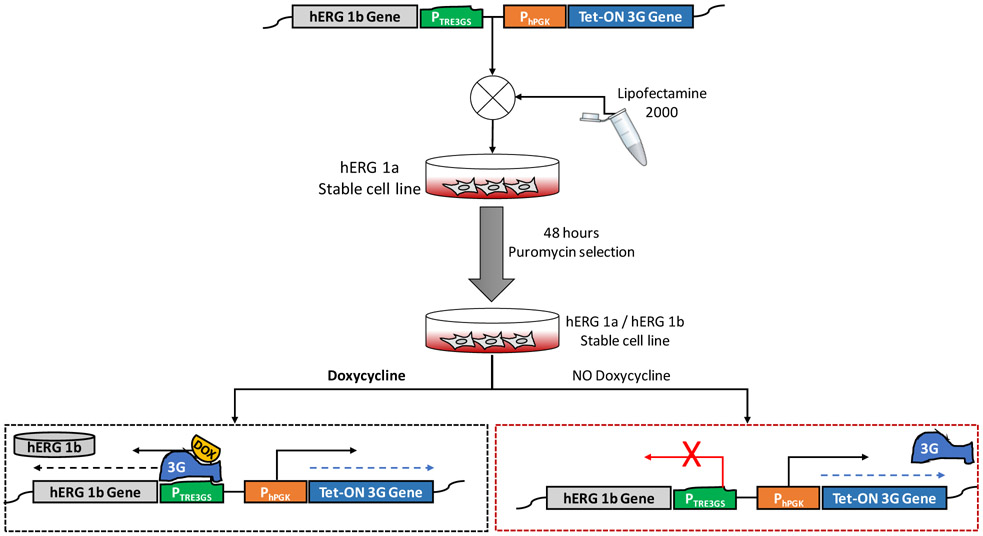
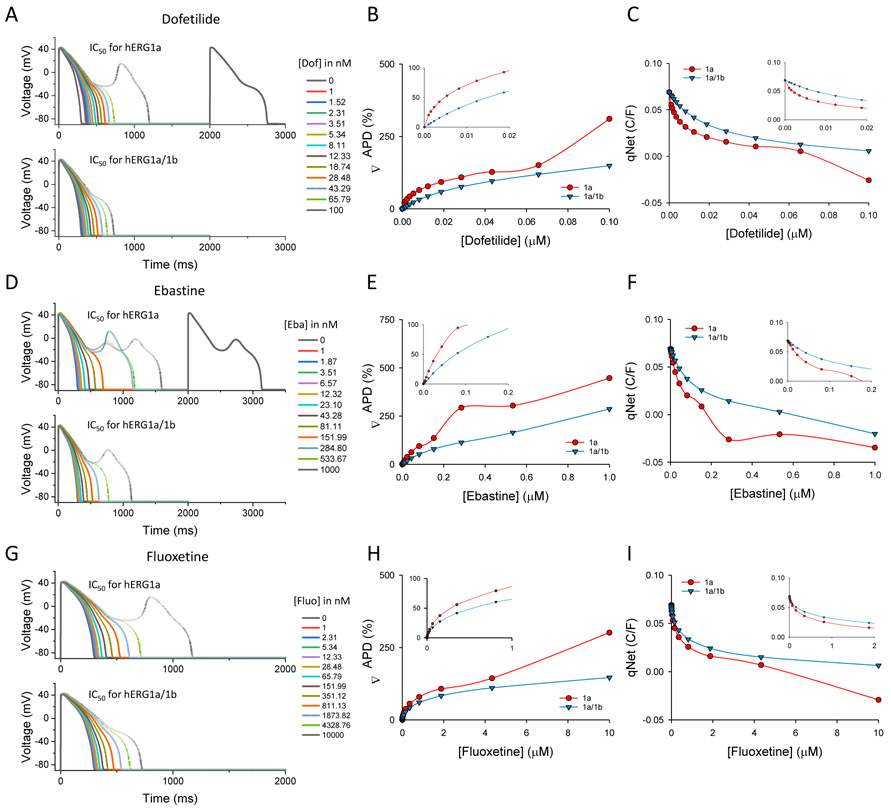
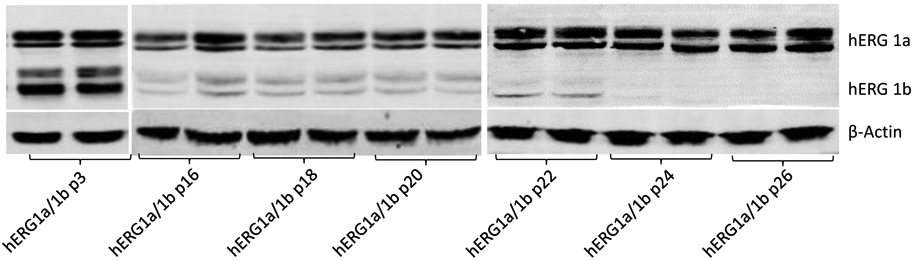
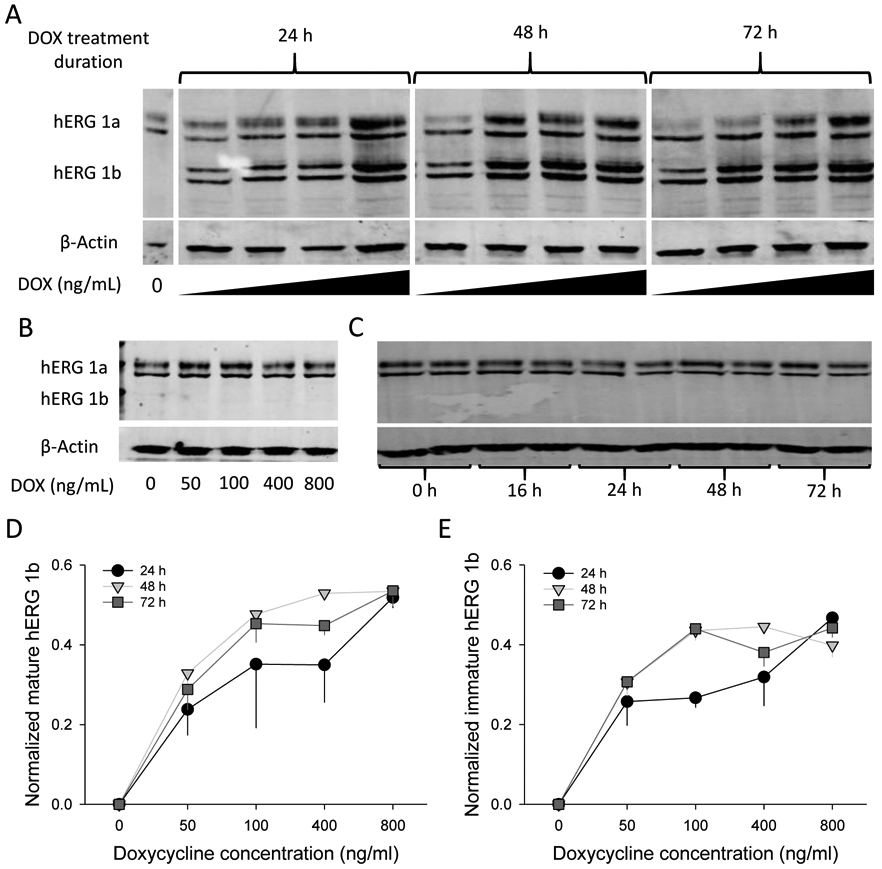
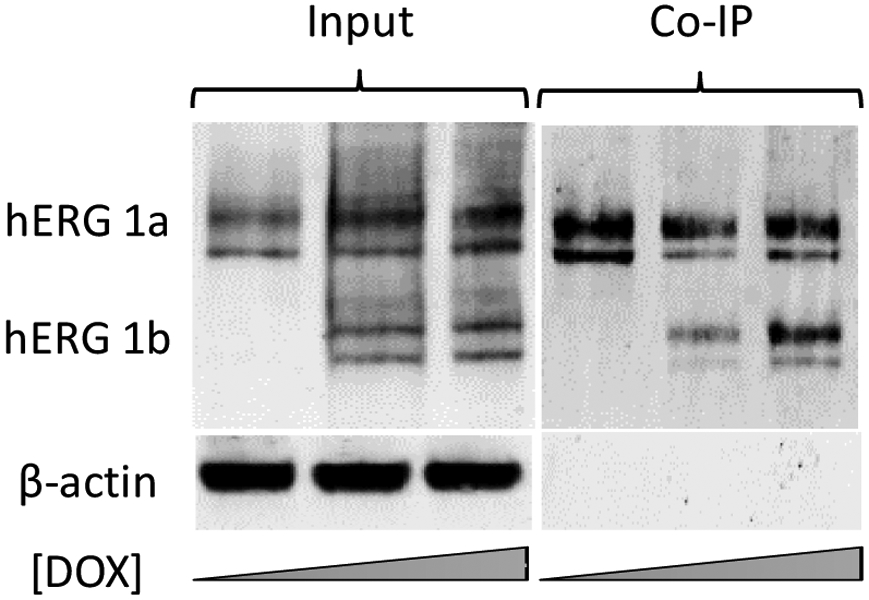
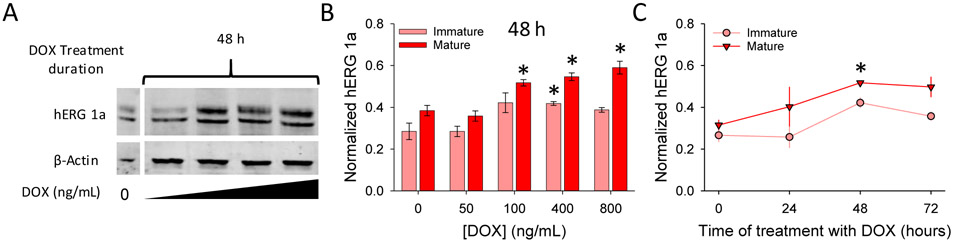
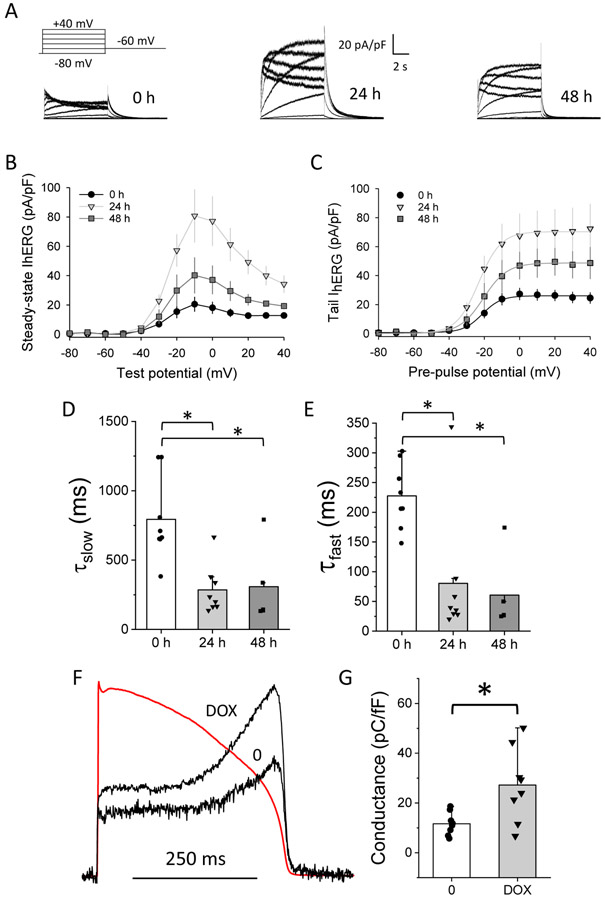
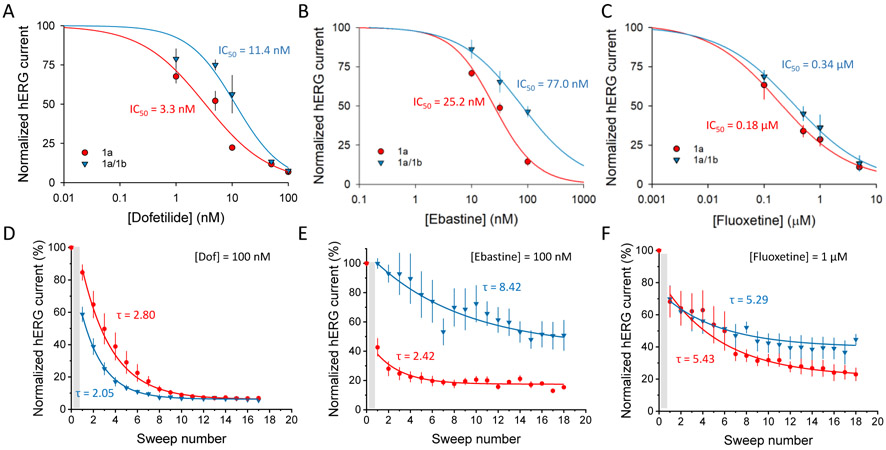
Heterologously expressed hERG channels represent a mainstay of in vitro drug safety screens intended to mitigate risk of cardiac I block and sudden cardiac death. This is true even as more channel types are adopted as part of the Comprehensive in vitro Proarrhythmia Assay (CiPA) intended to elevate specificity and thus enhance throughput of promising lead drugs. Until now, hERG1a homomeric channels have been used as a proxy for I despite a wealth of evidence showing that hERG1a/1b heteromers better represent native channels in terms of protein abundance and channel biophysical and pharmacological properties. Past efforts to create a stable hERG1a/1b cell line were met with unpredictable silencing of hERG1b expression despite stable integration of the gene into the HEK293 cell genome. Here we report a new cell line stably expressing hERG1a, with hERG1b reliably controlled by an inducible promoter sensitive to doxycycline. Co-immunoprecipitation, Western blot analysis and patch-clamp electrophysiology confirm the heteromeric composition of the expressed channels. Association with hERG1b was found to promote hERG1a protein levels and enhance membrane current levels. Optimal conditions for drug screening and experimental investigation were achieved at 24 h exposure to 100 ng/ml doxycycline. Differences in pharmacological sensitivity between homomeric and heteromeric channels were observed for dofetilide and ebastine, but not fluoxetine, as evaluated by their IC values. Using these values in the O'Hara-Rudy-CiPA in silico model revealed discrepancies in pro-arrhythmia risk, implying the hERG1a homomeric platform overestimates risk for these two drugs. Dofetilide block was use-dependent and faster for hERG1a/1b than hERG1a channels, whereas ebastine showed considerable block at rest and had a slower progression for hERG1a/1b channels. The hERG1a/1b cell line thus represents an advanced model for contemporary drug safety screening assays such as CiPA that employ IC values to estimate risk of proarrhythmia in computational models of ventricular cardiomyocytes. This novel technology fulfills an unmet need to enhance specificity and foster a safe yet expanded drug development pipeline.
异源表达的 hERG 通道是体外药物安全性筛选的主要方法,旨在降低心脏 I 型阻滞和心脏性猝死的风险。即使采用更多的通道类型作为综合体外致心律失常试验(CiPA)的一部分,以提高特异性,从而提高有前途的先导药物的通量,这种情况也是如此。到目前为止,尽管有大量证据表明 hERG1a/1b 异源二聚体在蛋白质丰度和通道生物物理和药理学特性方面更能代表天然通道,但 hERG1a 同聚体通道仍被用作 I 型的替代物。尽管 hERG1b 基因已被稳定整合到 HEK293 细胞基因组中,但过去创建稳定的 hERG1a/1b 细胞系的努力却因 hERG1b 表达的不可预测沉默而受阻。在这里,我们报告了一种新的稳定表达 hERG1a 的细胞系,其 hERG1b 可由对强力霉素敏感的诱导型启动子可靠控制。共免疫沉淀、Western blot 分析和膜片钳电生理学证实了表达通道的异源二聚体组成。与 hERG1b 的结合被发现可促进 hERG1a 蛋白水平并增强膜电流水平。在 24 小时暴露于 100ng/ml 强力霉素的条件下,可实现最佳的药物筛选和实验研究条件。通过其 IC 值评估,我们发现多非利特和依巴斯汀在同聚体和异源二聚体通道之间存在药理学敏感性差异,但氟西汀没有差异。在 O'Hara-Rudy-CiPA 体内模型中使用这些值揭示了致心律失常风险的差异,这意味着 hERG1a 同聚体平台高估了这两种药物的风险。与 hERG1a 通道相比,多非利特对 hERG1a/1b 的阻滞是使用依赖性的且更快,而依巴斯汀在静息时显示出相当大的阻滞,并且 hERG1a/1b 通道的阻滞进展较慢。因此,hERG1a/1b 细胞系代表了一种先进的模型,用于 CiPA 等当代药物安全性筛选试验,该试验使用 IC 值来估计计算模型中室性心肌细胞致心律失常的风险。这项新技术满足了提高特异性和促进安全但扩展的药物开发管道的未满足需求。