Dipartimento di Scienze Biochimiche ''A. Rossi Fanelli", Sapienza Universita`di Roma, Rome, Italy.
Dipartimento di Sanita`Pubblica e Malattie Infettive, Sapienza Universita`di Roma, Rome, Italy.
PLoS One. 2021 Jun 1;16(6):e0252555. doi: 10.1371/journal.pone.0252555. eCollection 2021.
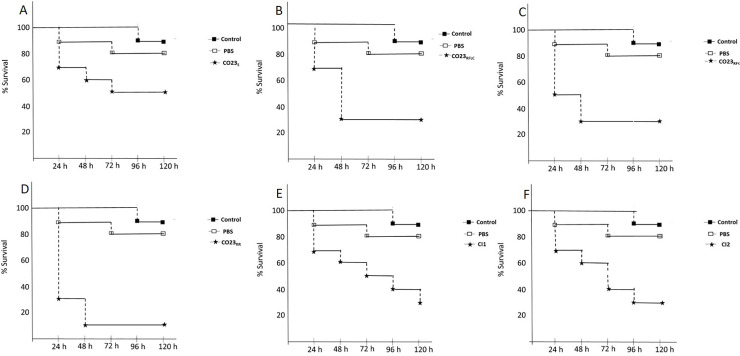
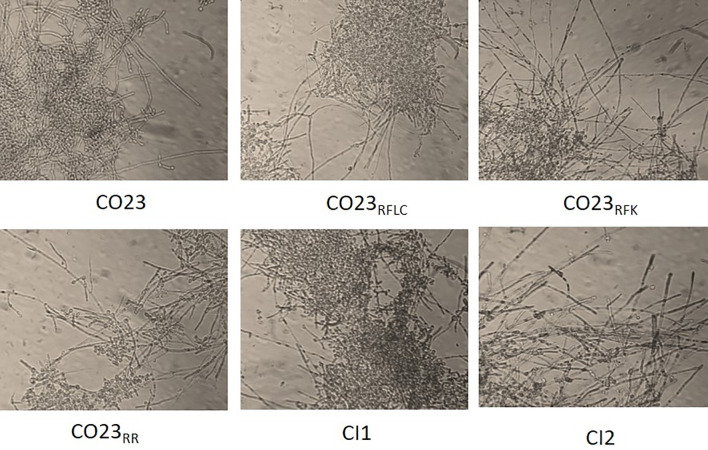
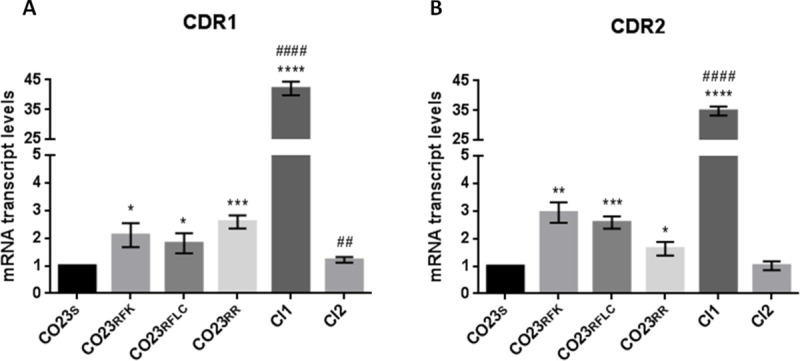
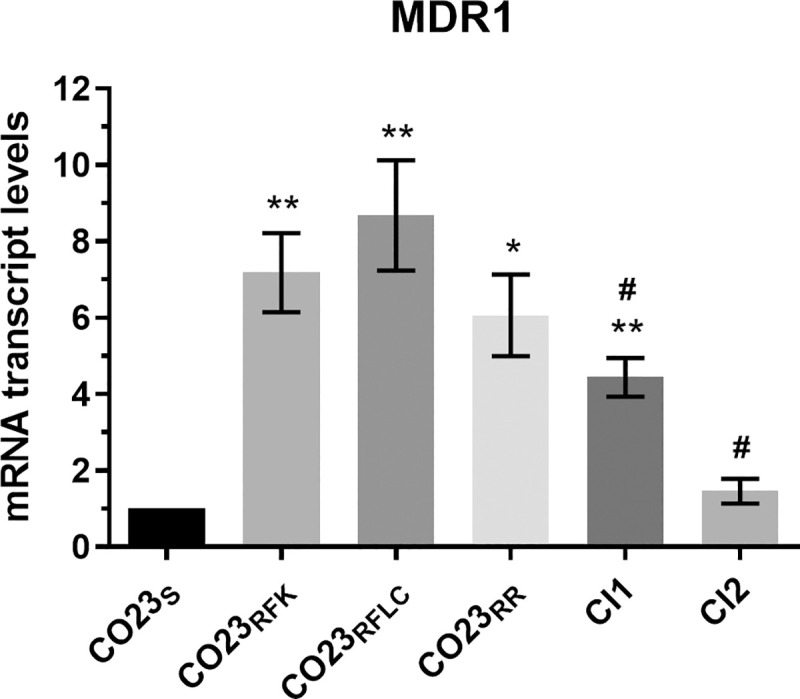
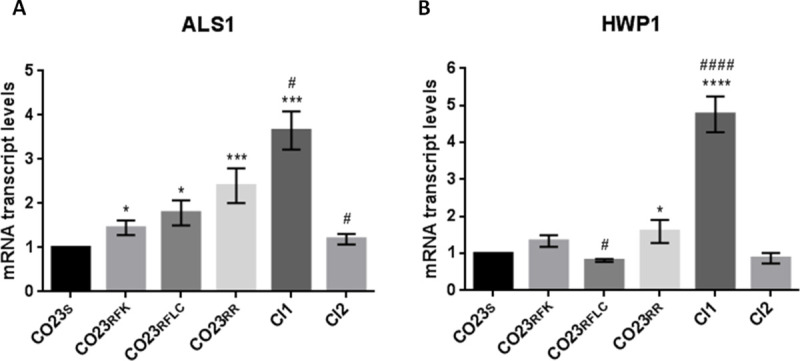
C. albicans is a commensal organism present in the human microbiome of more than 60% of the healthy population. Transition from commensalism to invasive candidiasis may occur after a local or a general failure of host's immune system. This transition to a more virulent phenotype may reside either on the capacity to form hyphae or on an acquired resistance to antifungal drugs. Indeed, overexpression of genes coding drug efflux pumps or adhesins, cell wall proteins facilitating the contact between the fungus and the host, usually marks the virulence profile of invasive Candida spp. In this paper, we compare virulence of two clinical isolates of C. albicans with that of laboratory-induced resistant strains by challenging G. mellonella larvae with these pathogens along with monitoring transcriptional profiles of drug efflux pumps genes CDR1, CDR2, MDR1 and the adhesin genes ALS1 and HWP1. Although both clinical isolates were found resistant to both fluconazole and micafungin they were found less virulent than laboratory-induced resistant strains. An unexpected behavior emerged for the former clinical isolate in which three genes, CDR1, CDR2 and HWP1, usually correlated with virulence, although hyperexpressed, conferred a less aggressive phenotype. On the contrary, in the other isolate, we observed a decreased expression of CDR1, CDR2 and HWP1as well as of MDR1 and ALS1 that may be consistent with the less aggressive performance observed in this strain. These altered gene expressions might directly influence Candida virulence or they might be an epiphenomenon of a vaster rearrangement occurred in these strains during the challenge with the host's environment. An in-deepth comprehension of this scenario could be crucial for developing interventions able to counteract C. albicans invasiveness and lethality.
白色念珠菌是一种共生生物,存在于 60%以上健康人群的人类微生物组中。从共生状态向侵袭性念珠菌病的转变可能发生在宿主免疫系统局部或全身性衰竭之后。这种向更具毒力表型的转变可能源于形成菌丝的能力,或者对抗真菌药物的获得性耐药性。事实上,编码药物外排泵或黏附素的基因的过度表达、有助于真菌与宿主接触的细胞壁蛋白,通常标志着侵袭性念珠菌属的毒力特征。在本文中,我们通过用这些病原体挑战 G. mellonella 幼虫,并监测药物外排泵基因 CDR1、CDR2、MDR1 和黏附素基因 ALS1 和 HWP1 的转录谱,比较了两株临床分离的白色念珠菌的毒力与实验室诱导的耐药株的毒力。尽管这两个临床分离株都对氟康唑和米卡芬净有耐药性,但它们的毒力比实验室诱导的耐药株低。前者的临床分离株表现出一种意外的行为,即三个通常与毒力相关的基因 CDR1、CDR2 和 HWP1 虽然过度表达,但表现出侵袭性较弱的表型。相反,在另一个分离株中,我们观察到 CDR1、CDR2 和 HWP1 以及 MDR1 和 ALS1 的表达降低,这与该菌株观察到的侵袭性较弱的表现一致。这些改变的基因表达可能直接影响白色念珠菌的毒力,或者它们可能是这些菌株在与宿主环境相互作用过程中发生的更广泛重排的表型。深入了解这种情况对于开发能够对抗白色念珠菌侵袭性和致死性的干预措施可能至关重要。