Johns Hopkins School of Medicine, Johns Hopkins University, Baltimore, Maryland, United States of America.
PLoS One. 2013 Nov 8;8(11):e80842. doi: 10.1371/journal.pone.0080842. eCollection 2013.
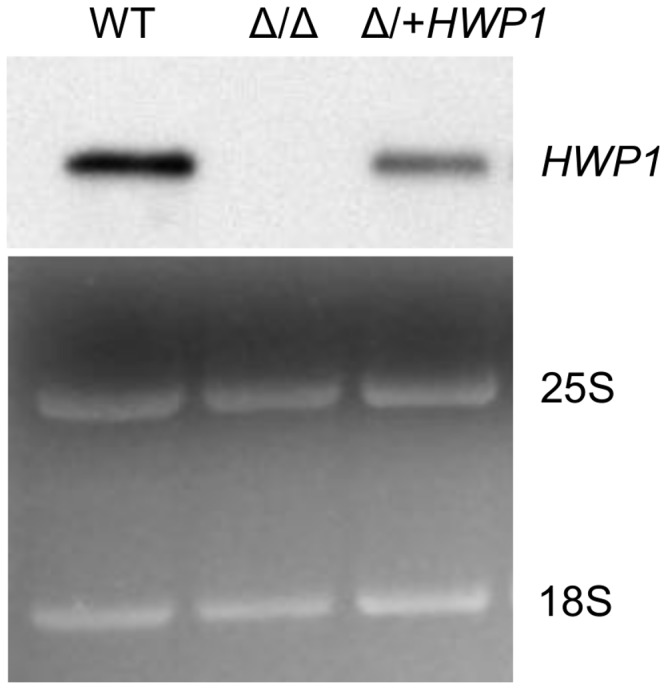
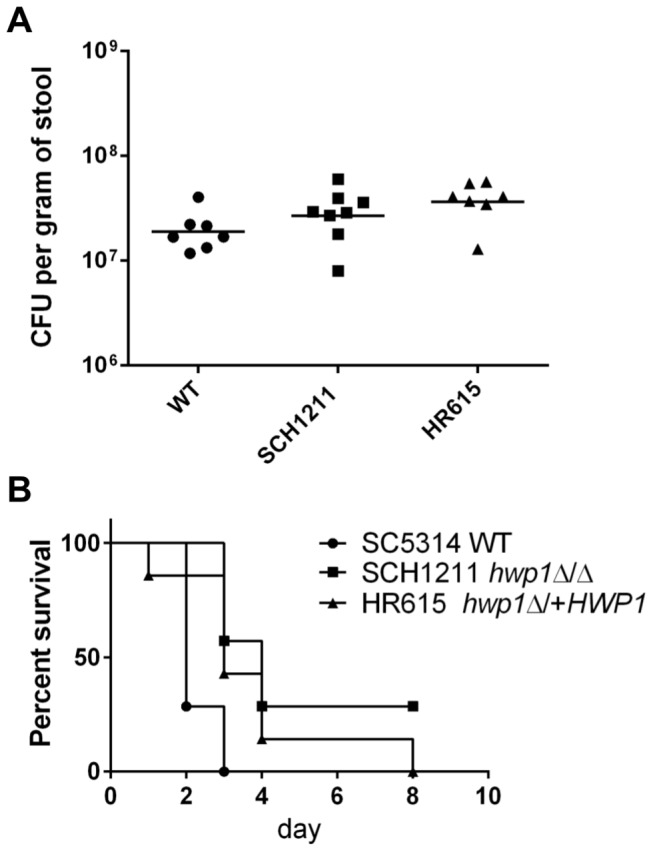
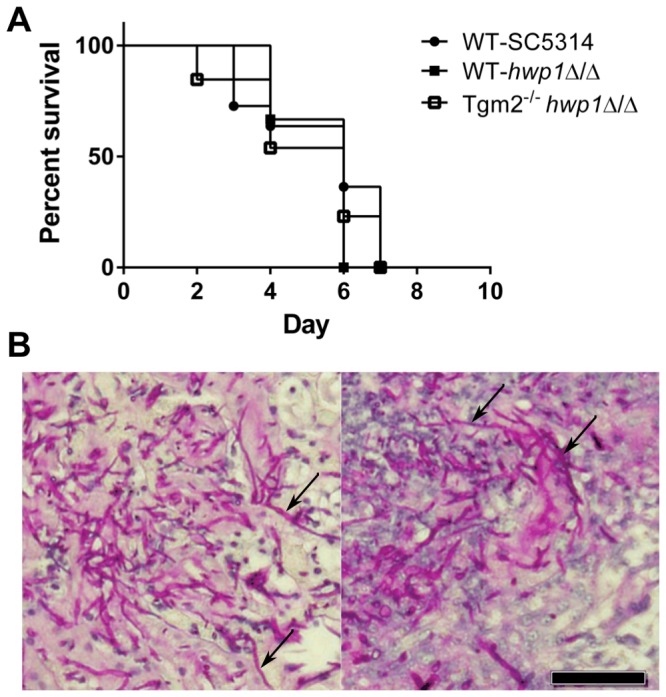
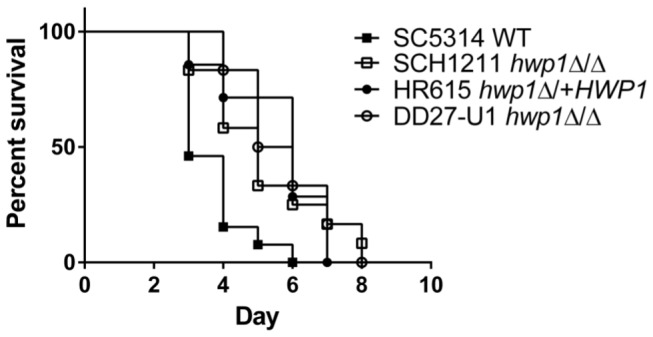
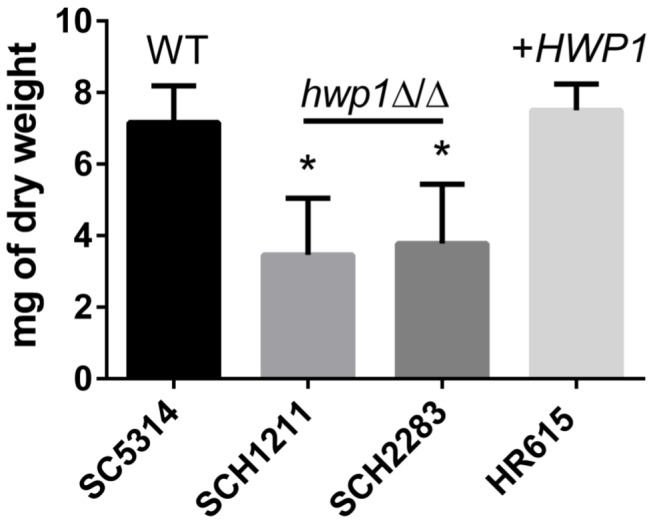
Specialized Candida albicans cell surface proteins called adhesins mediate binding of the fungus to host cells. The mammalian transglutaminase (TG) substrate and adhesin, Hyphal wall protein 1 (Hwp1), is expressed on the hyphal form of C. albicans where it mediates fungal adhesion to epithelial cells. Hwp1 is also required for biofilm formation and mating thus the protein functions in both fungal-host and self-interactions. Hwp1 is required for full virulence of C. albicans in murine models of disseminated candidiasis and of esophageal candidiasis. Previous studies correlated TG activity on the surface of oral epithelial cells, produced by epithelial TG (TG1), with tight binding of C. albicans via Hwp1 to the host cell surfaces. However, the contribution of other Tgs, specifically tissue TG (TG2), to disseminated candidiasis mediated by Hwp1 was not known. A newly created hwp1 null strain in the wild type SC5314 background was as virulent as the parental strain in C57BL/6 mice, and virulence was retained in C57BL/6 mice deleted for Tgm2 (TG2). Further, the hwp1 null strains displayed modestly reduced virulence in BALB/c mice as did strain DD27-U1, an independently created hwp1Δ/Δ in CAI4 corrected for its ura3Δ defect at the URA3 locus. Hwp1 was still needed to produce wild type biofilms, and persist on murine tongues in an oral model of oropharyngeal candidiasis consistent with previous studies by us and others. Finally, lack of Hwp1 affected the translocation of C. albicans from the mouse intestine into the bloodstream of mice. Together, Hwp1 appears to have a minor role in disseminated candidiasis, independent of tissue TG, but a key function in host- and self-association to the surface of oral mucosa.
专门的白色念珠菌细胞表面蛋白称为黏附素,介导真菌与宿主细胞的结合。哺乳动物转谷氨酰胺酶 (TG) 底物和黏附素,菌丝壁蛋白 1 (Hwp1),在白色念珠菌的菌丝形式中表达,介导真菌与上皮细胞的黏附。Hwp1 也需要生物膜形成和交配,因此该蛋白在真菌-宿主和自我相互作用中都有功能。Hwp1 是白色念珠菌在播散性念珠菌病和食管念珠菌病的小鼠模型中完全毒力所必需的。先前的研究将上皮 TG1 产生的口腔上皮细胞表面的 TG 活性与白色念珠菌通过 Hwp1 与宿主细胞表面的紧密结合相关联。然而,其他 Tgs,特别是组织 TG (TG2),对 Hwp1 介导的播散性念珠菌病的贡献尚不清楚。在野生型 SC5314 背景下创建的 hwp1 缺失株与亲本株在 C57BL/6 小鼠中一样毒力,并且在 C57BL/6 小鼠中缺失 Tgm2 (TG2) 时保留了毒力。此外,与独立创建的 hwp1Δ/Δ菌株 DD27-U1 一样,hwp1 缺失株在 BALB/c 小鼠中的毒力也略有降低,该菌株在 CAI4 中校正了URA3 基因座的 ura3Δ 缺陷。Hwp1 仍然需要产生野生型生物膜,并在口腔念珠菌病的口腔模型中在小鼠舌头上持续存在,这与我们和其他人之前的研究一致。最后,缺乏 Hwp1 会影响白色念珠菌从小鼠肠道向血液中的易位。总的来说,Hwp1 似乎在播散性念珠菌病中发挥次要作用,独立于组织 TG,但在与口腔黏膜表面的宿主和自我关联中具有关键功能。