Wertz Philip W
University of Iowa, Iowa City, IA 52242, USA.
Int J Mol Sci. 2021 May 15;22(10):5229. doi: 10.3390/ijms22105229.
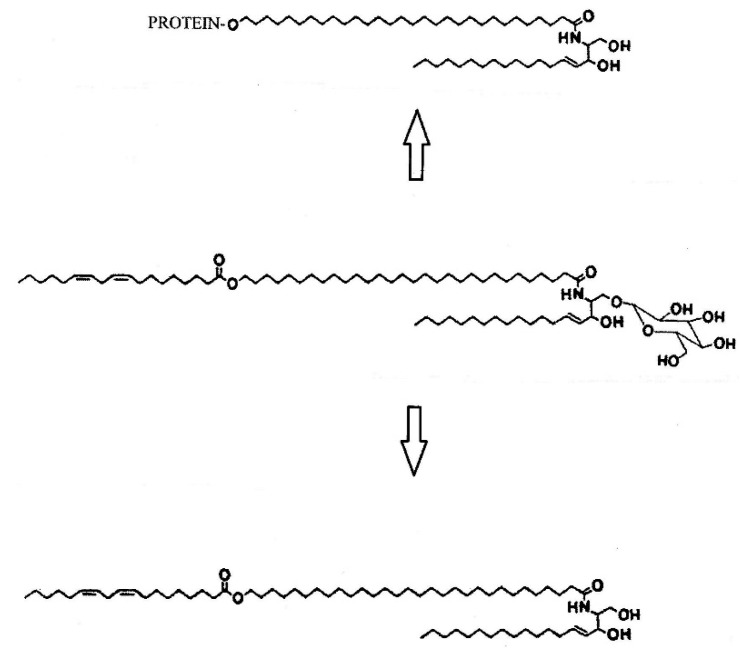
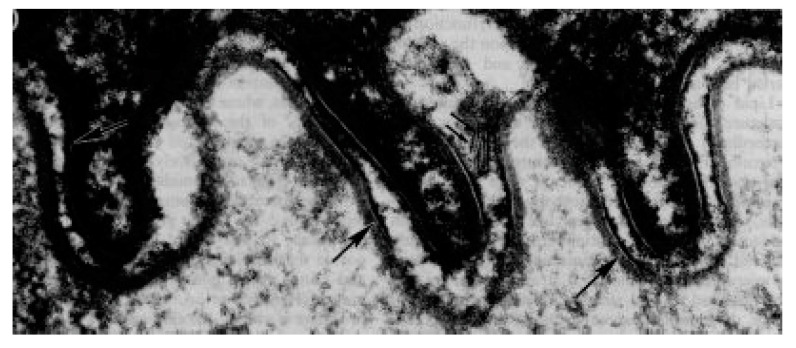
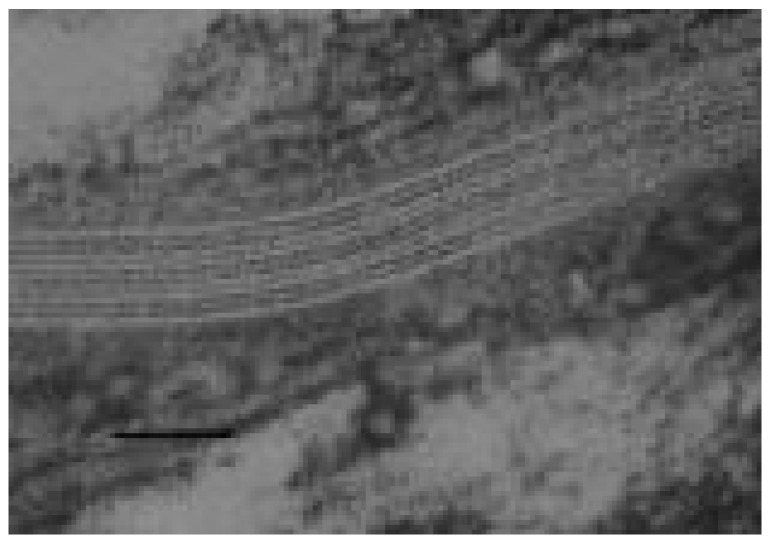
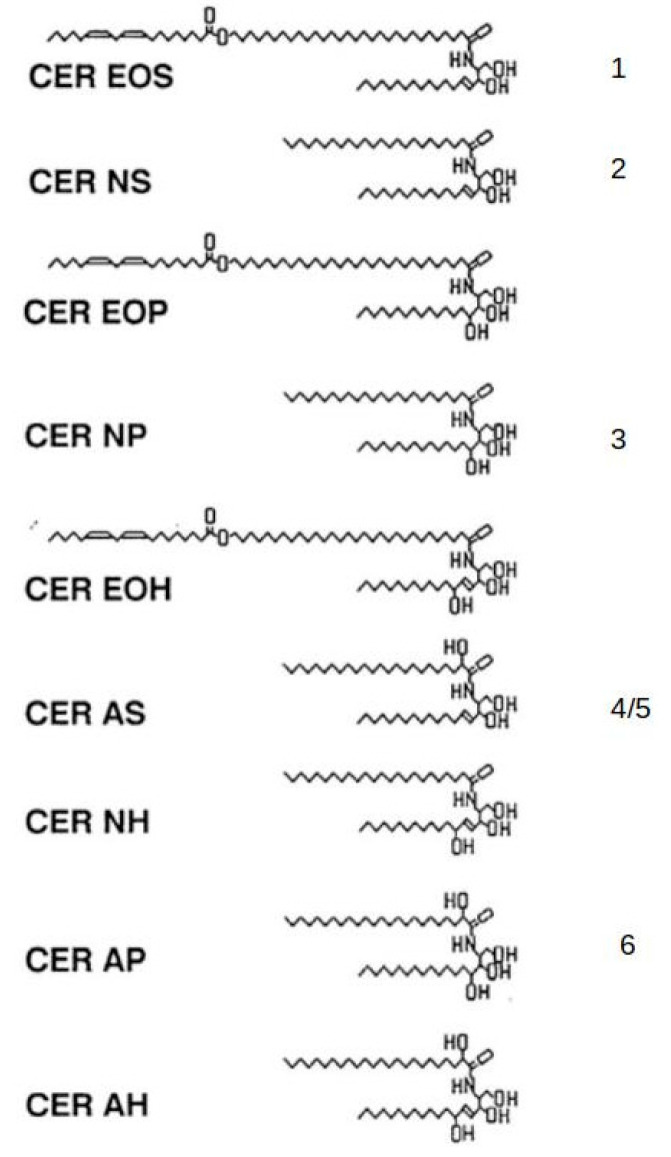
PubMed searches reveal much literature regarding lipids in barrier function of skin and less literature on lipids in barrier function of the oral mucosa. In terrestrial mammals, birds, and reptiles, the skin's permeability barrier is provided by ceramides, fatty acids, and cholesterol in the outermost layers of the epidermis, the stratum corneum. This layer consists of about 10-20 layers of cornified cells embedded in a lipid matrix. It effectively prevents loss of water and electrolytes from the underlying tissue, and it limits the penetration of potentially harmful substances from the environment. In the oral cavity, the regions of the gingiva and hard palate are covered by keratinized epithelia that much resemble the epidermis. The oral stratum corneum contains a lipid mixture similar to that in the epidermal stratum corneum but in lower amounts and is accordingly more permeable. The superficial regions of the nonkeratinized oral epithelia also provide a permeability barrier. These epithelial regions do contain ceramides, cholesterol, and free fatty acids, which may underlie barrier function. The oral epithelial permeability barriers primarily protect the underlying tissue by preventing the penetration of potentially toxic substances, including microbial products. Transdermal drug delivery, buccal absorption, and lipid-related disease are discussed.
通过PubMed检索发现,有大量关于脂质在皮肤屏障功能方面的文献,而关于脂质在口腔黏膜屏障功能方面的文献较少。在陆生哺乳动物、鸟类和爬行动物中,皮肤的渗透屏障由表皮最外层即角质层中的神经酰胺、脂肪酸和胆固醇提供。这一层由大约10 - 20层嵌入脂质基质的角质化细胞组成。它有效地防止水分和电解质从下层组织流失,并限制环境中潜在有害物质的渗透。在口腔中,牙龈和硬腭区域覆盖着与表皮非常相似的角化上皮。口腔角质层含有与表皮角质层相似的脂质混合物,但含量较低,因此渗透性更强。非角化口腔上皮的表层区域也提供渗透屏障。这些上皮区域确实含有神经酰胺、胆固醇和游离脂肪酸,这可能是屏障功能的基础。口腔上皮渗透屏障主要通过防止包括微生物产物在内的潜在有毒物质的渗透来保护下层组织。文中还讨论了透皮给药、颊部吸收和脂质相关疾病。