Institute of Pharmaceutical Science, School of Cancer and Pharmaceutical Sciences, King's College London, Franklin-Wilkins Building, 150 Stamford Street, London SE1 9NH, UK.
Molecules. 2021 May 15;26(10):2943. doi: 10.3390/molecules26102943.
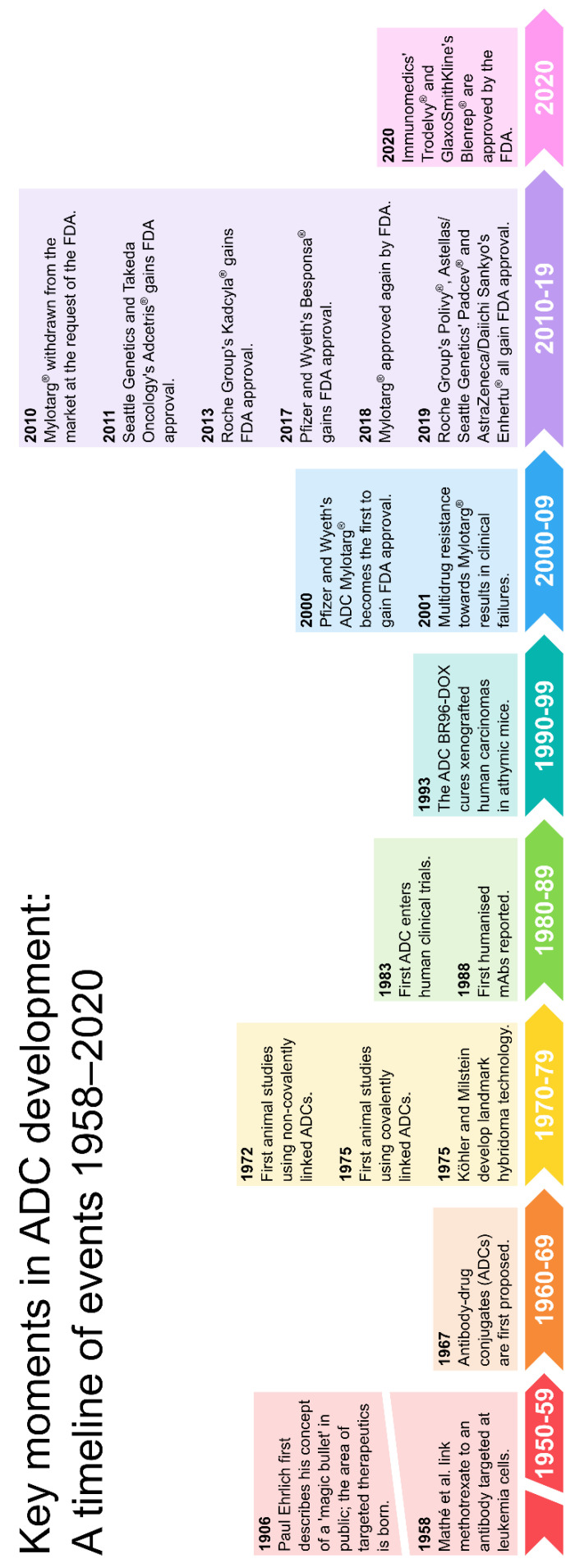
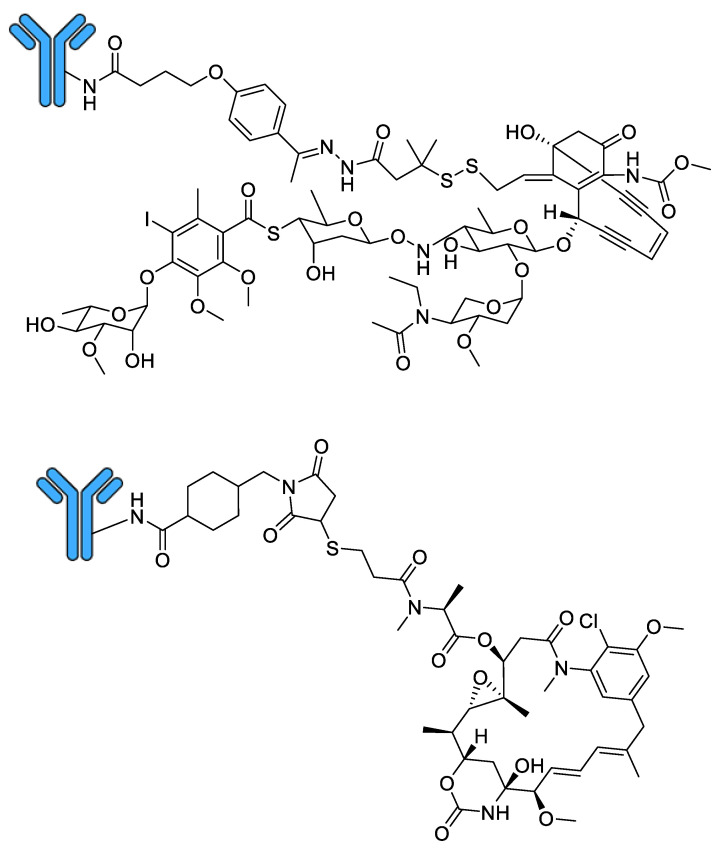
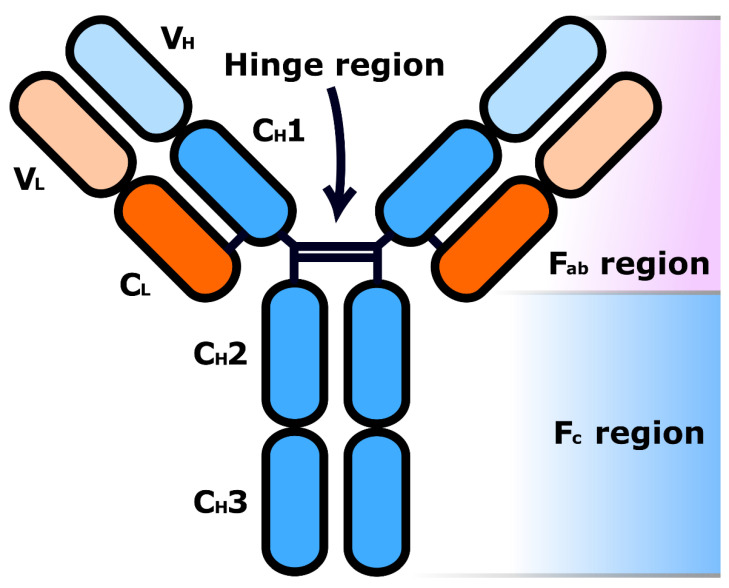
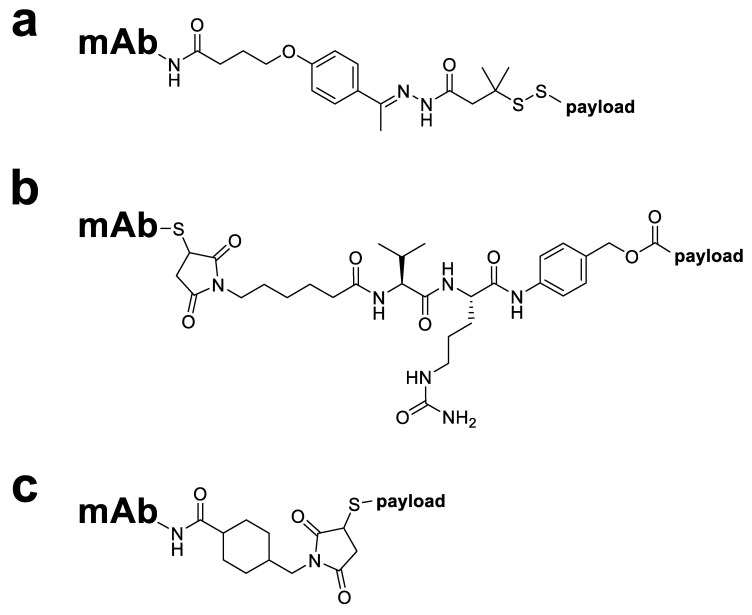
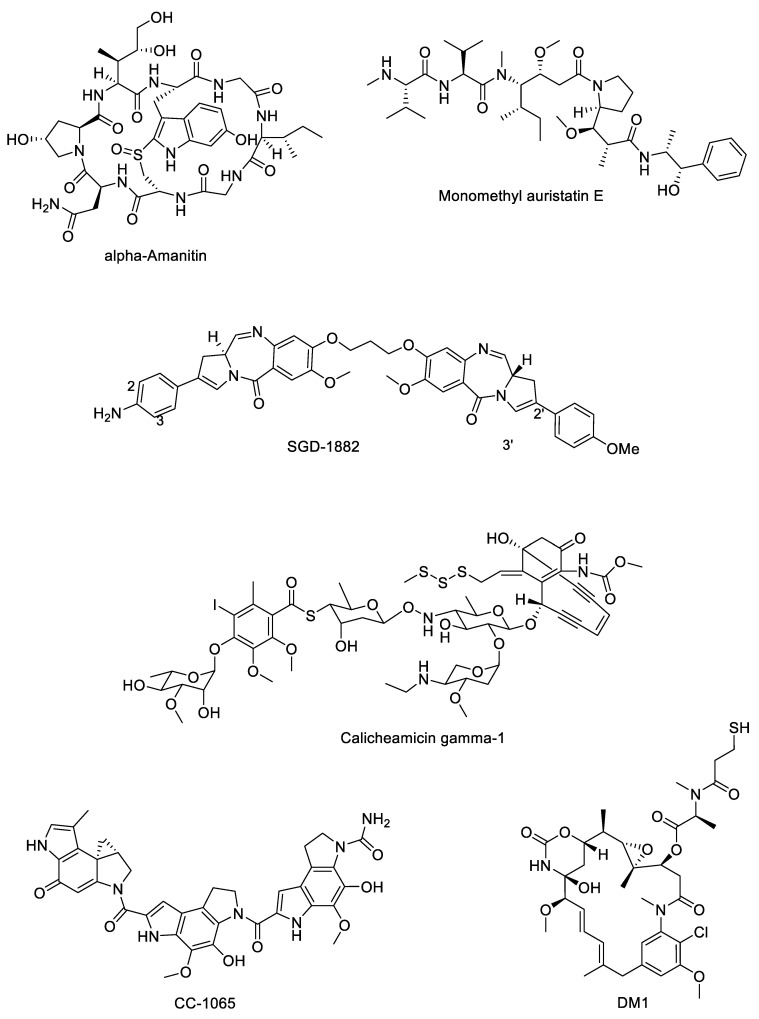
Antibody-drug conjugates (ADCs) are a family of targeted therapeutic agents for the treatment of cancer. ADC development is a rapidly expanding field of research, with over 80 ADCs currently in clinical development and eleven ADCs (nine containing small-molecule payloads and two with biological toxins) approved for use by the FDA. Compared to traditional small-molecule approaches, ADCs offer enhanced targeting of cancer cells along with reduced toxic side effects, making them an attractive prospect in the field of oncology. To this end, this tutorial review aims to serve as a reference material for ADCs and give readers a comprehensive understanding of ADCs; it explores and explains each ADC component (monoclonal antibody, linker moiety and cytotoxic payload) individually, highlights several EMA- and FDA-approved ADCs by way of case studies and offers a brief future perspective on the field of ADC research.
抗体药物偶联物(ADCs)是一类用于治疗癌症的靶向治疗药物。ADC 的开发是一个快速发展的研究领域,目前有超过 80 种 ADC 处于临床开发阶段,有 11 种 ADC(9 种含有小分子有效载荷,2 种含有生物毒素)被 FDA 批准使用。与传统的小分子方法相比,ADC 提高了对癌细胞的靶向性,同时降低了毒副作用,使其成为肿瘤学领域的一个有吸引力的前景。为此,本教程综述旨在作为 ADC 的参考资料,使读者全面了解 ADC;它分别探讨和解释了每个 ADC 成分(单克隆抗体、连接子部分和细胞毒性有效载荷),通过案例研究突出了几个 EMA 和 FDA 批准的 ADC,并对 ADC 研究领域进行了简要的未来展望。