Qin Shuyang S, Han Booyeon J, Williams Alyssa, Jackson Katherine M, Jewell Rachel, Chacon Alexander C, Lord Edith M, Linehan David C, Kim Minsoo, Reuben Alexandre, Gerber Scott A, Prieto Peter A
Department of Microbiology & Immunology, University of Rochester School of Medicine & Dentistry, University of Rochester, Rochester, NY 14642, USA.
Center for Tumor Immunology Research, University of Rochester Medical Center, University of Rochester, Rochester, NY 14642, USA.
Cancers (Basel). 2021 May 11;13(10):2293. doi: 10.3390/cancers13102293.
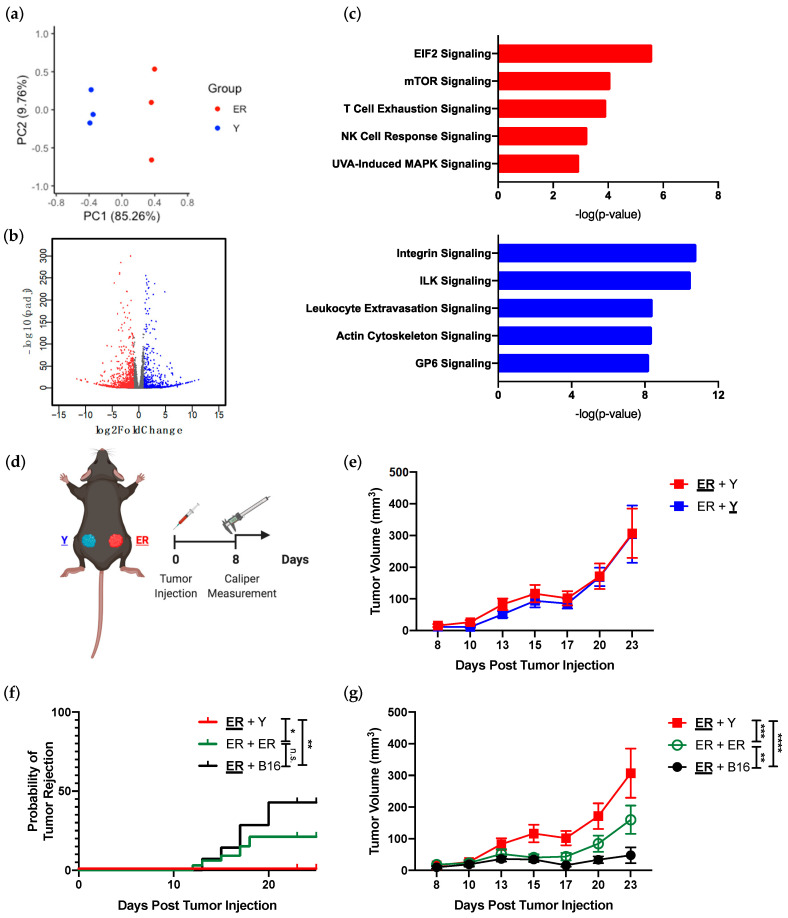
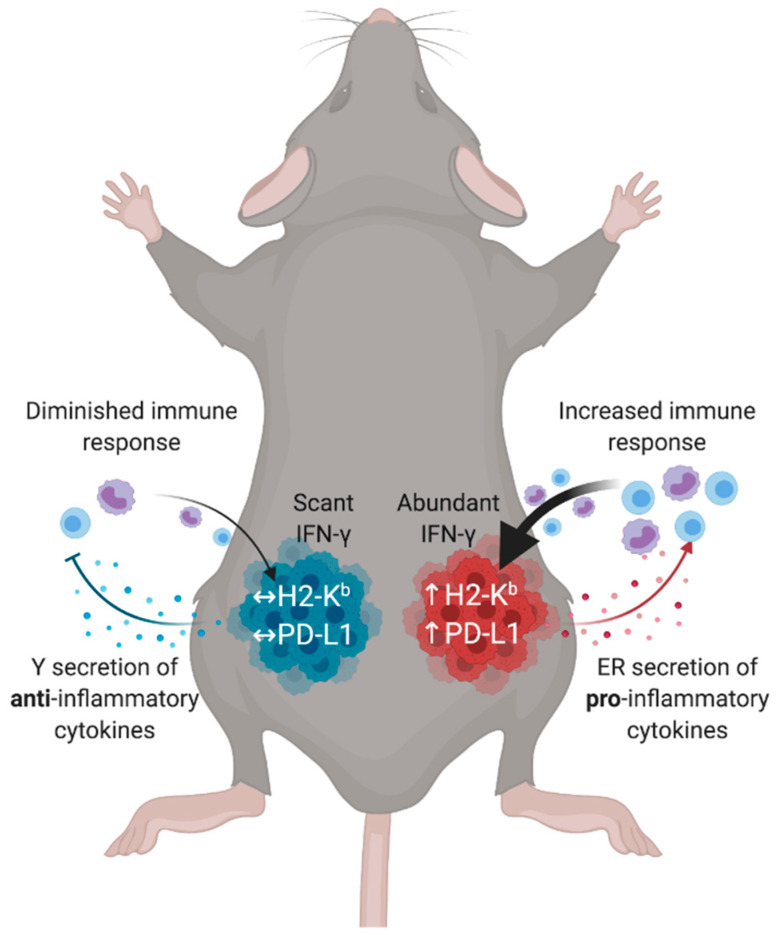
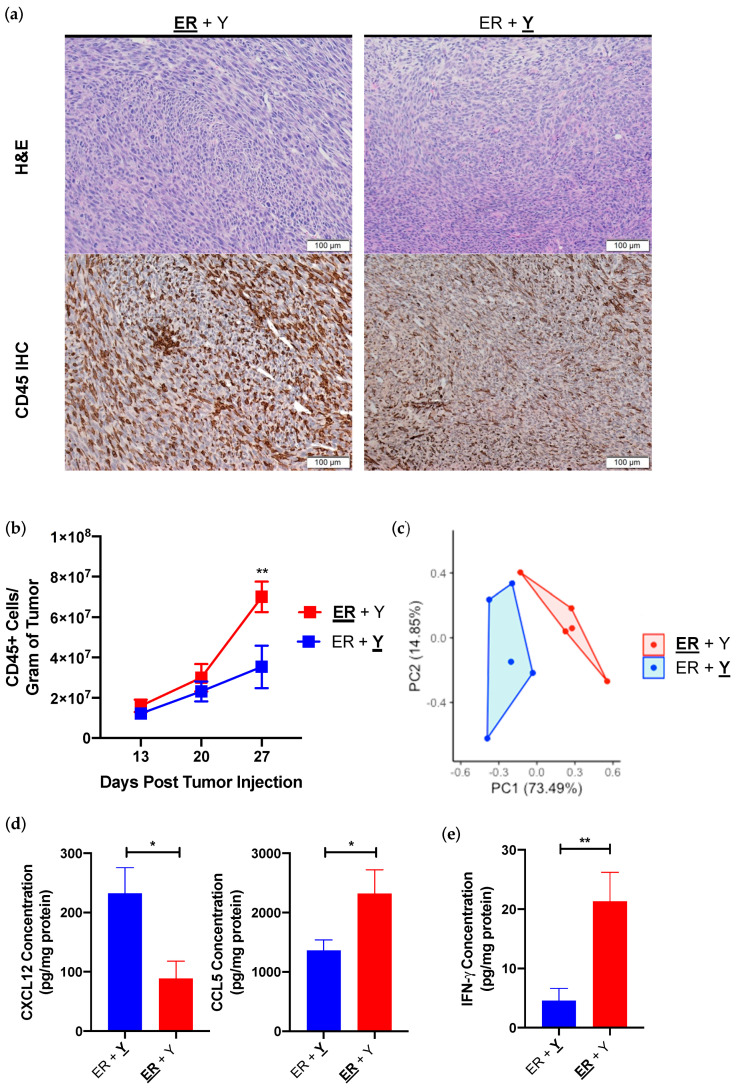
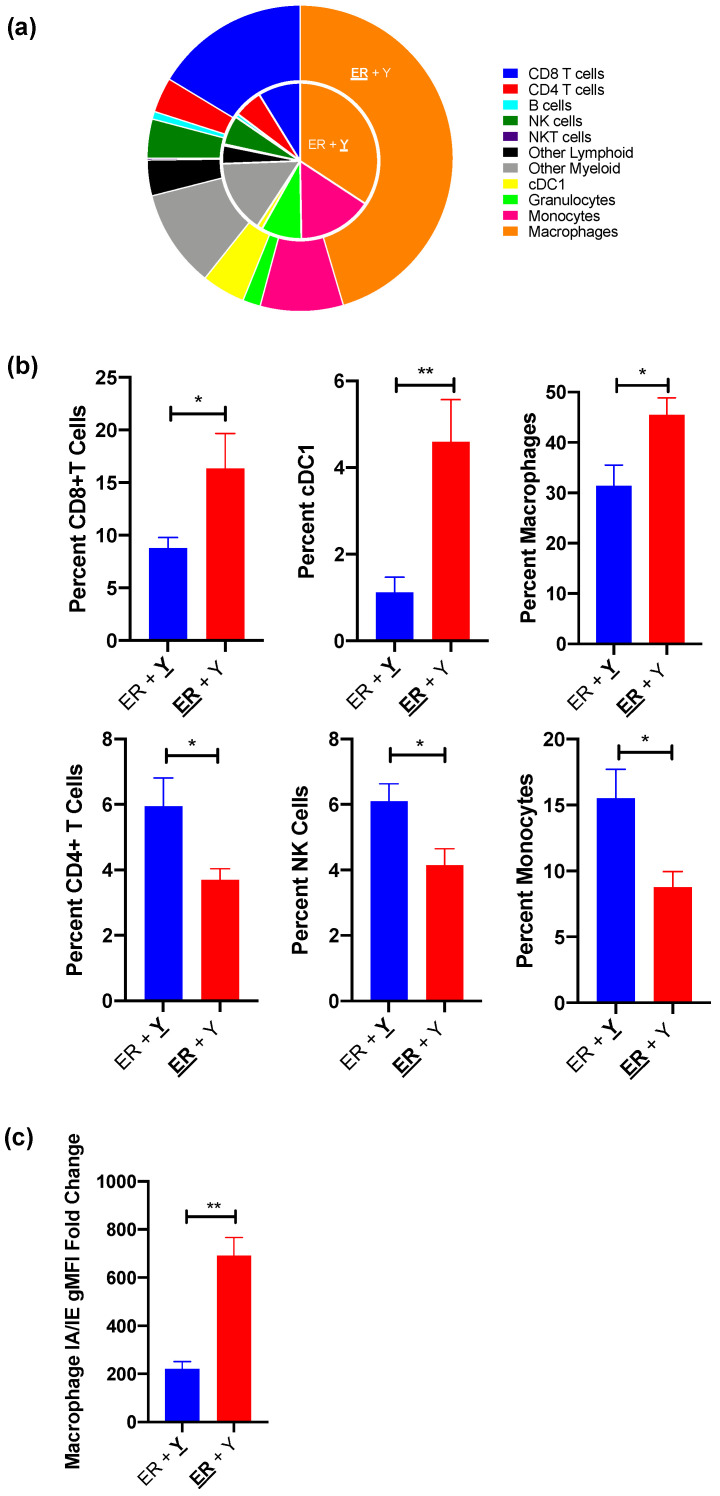
Metastatic melanoma portends a poor prognosis and patients may present with multiple, simultaneous tumors. Despite recent advances in systemic immunotherapy, a majority of patients fail to respond, or exhibit lesion-specific responses wherein some metastases respond as others progress within the same patient. While intertumoral heterogeneity has been clinically associated with these mixed lesion-specific therapeutic responses, no clear mechanism has been identified, largely due to the scarcity of preclinical models. We developed a novel murine synchronous melanoma model that recapitulates this intertumoral genetic and microenvironmental heterogeneity. We show that genetic differences between tumors are sufficient to generate distinct tumor immune microenvironments (TIME) simultaneously in the same mouse. Furthermore, these TIMEs lead to the independent regulation of PD-1/PD-L1 (programmed cell death protein 1/PD-1 ligand), a popular axis targeted by immune checkpoint therapy, in response to ongoing anti-tumor immunity and the presence of interferon-gamma. Currently, therapeutic selection for metastatic melanoma patients is guided by a single biopsy, which may not represent the immune status of all tumors. As a result, patients can display heterogeneous lesion-specific responses. Further investigations into this synchronous melanoma model will provide mechanistic insight into the effects of intertumoral heterogeneity and guide therapeutic selection in this challenging patient population.
转移性黑色素瘤预后不良,患者可能同时出现多个肿瘤。尽管全身免疫治疗最近取得了进展,但大多数患者没有反应,或表现出病灶特异性反应,即同一患者体内的一些转移灶有反应而其他转移灶却在进展。虽然肿瘤间异质性在临床上与这些混合的病灶特异性治疗反应相关,但尚未确定明确的机制,这主要是由于临床前模型的稀缺。我们开发了一种新型的小鼠同步黑色素瘤模型,该模型概括了肿瘤间的遗传和微环境异质性。我们表明,肿瘤之间的基因差异足以在同一只小鼠体内同时产生不同的肿瘤免疫微环境(TIME)。此外,这些TIME会导致对免疫检查点治疗常用的轴PD-1/PD-L1(程序性细胞死亡蛋白1/PD-1配体)的独立调节,以应对正在进行的抗肿瘤免疫和干扰素-γ的存在。目前,转移性黑色素瘤患者的治疗选择是由一次活检指导的,而这可能无法代表所有肿瘤的免疫状态。因此,患者可能会表现出异质性的病灶特异性反应。对这种同步黑色素瘤模型的进一步研究将为肿瘤间异质性的影响提供机制性见解,并指导这一具有挑战性的患者群体的治疗选择。