Laboratory of Liver Regeneration, Biomedical Research Institute of Jeonbuk National University Hospital, Jeonju 54907, Korea.
Alka Hospital Private Limited, Jwalakhel, Kathmandu 446010, Nepal.
Cells. 2021 May 12;10(5):1178. doi: 10.3390/cells10051178.
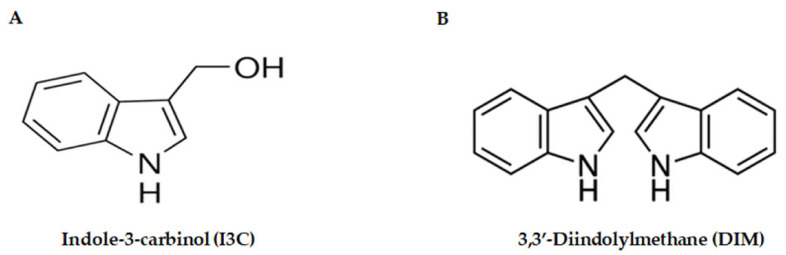
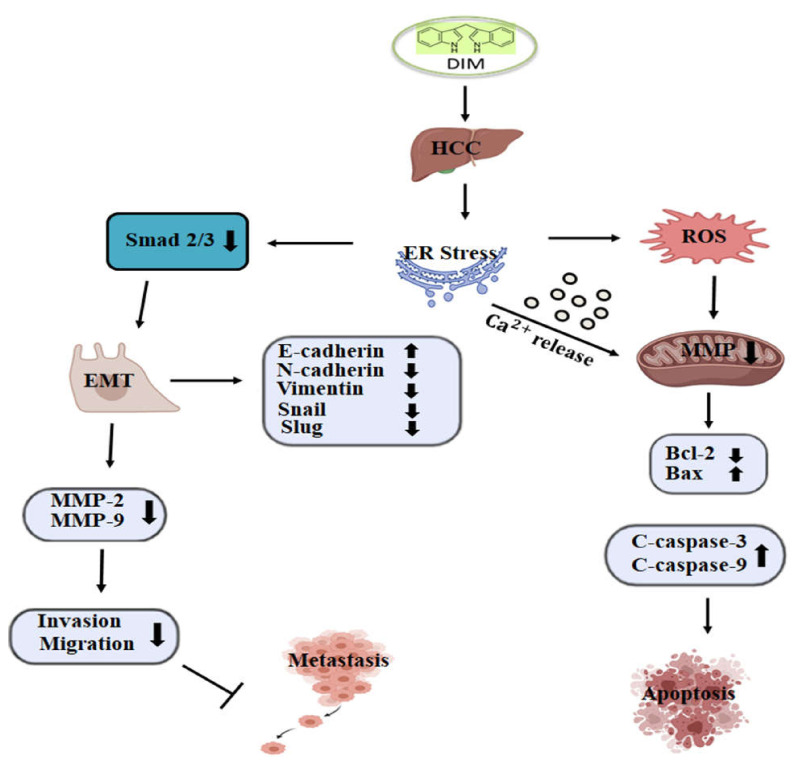
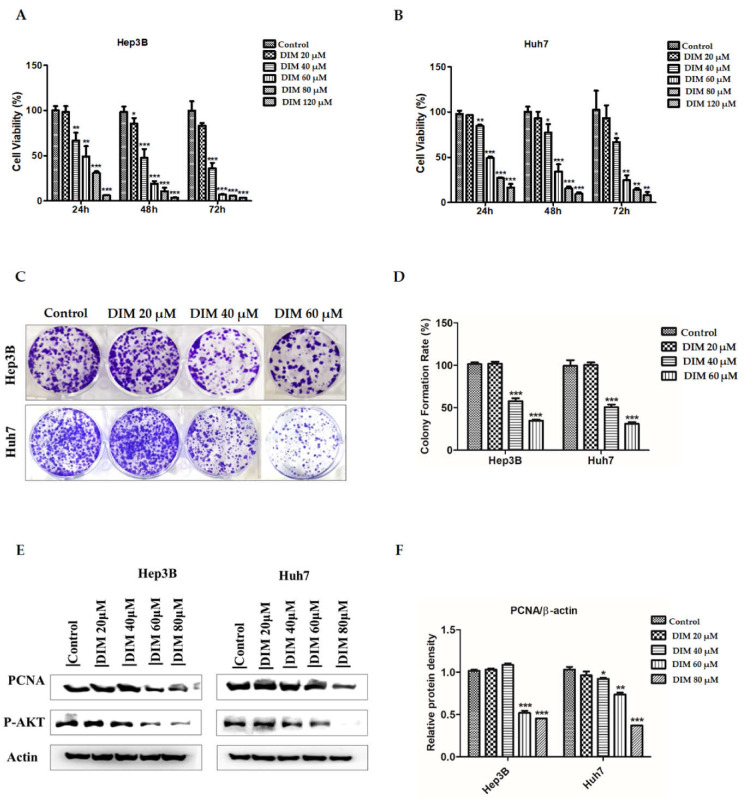
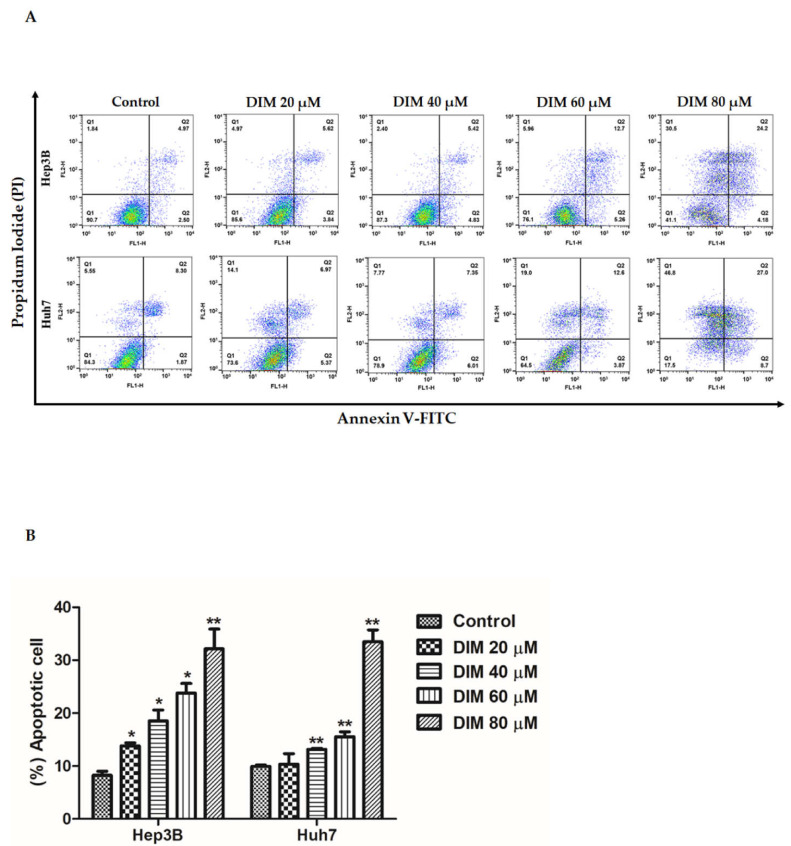
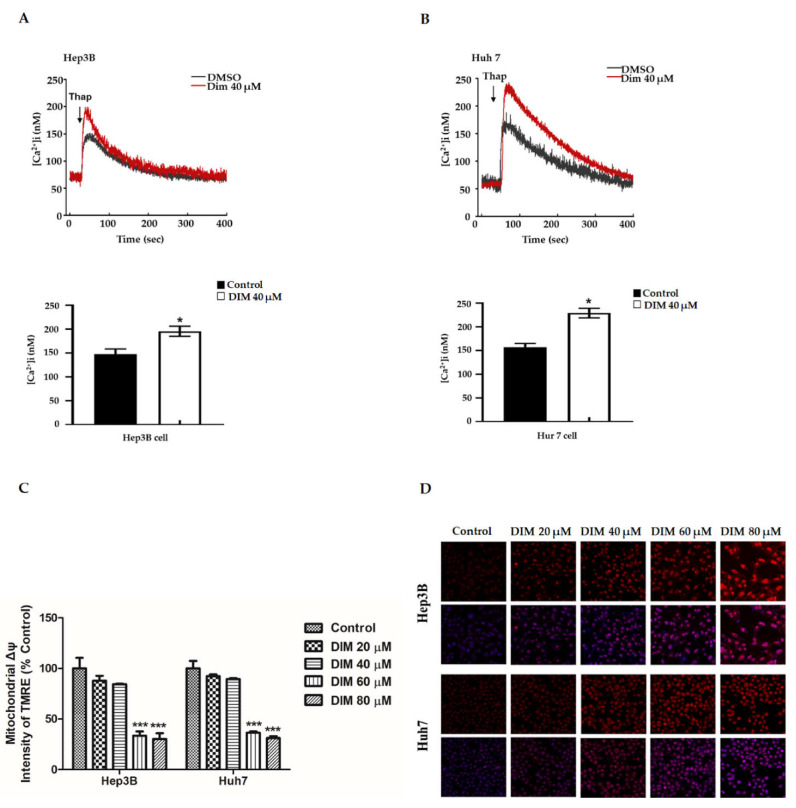
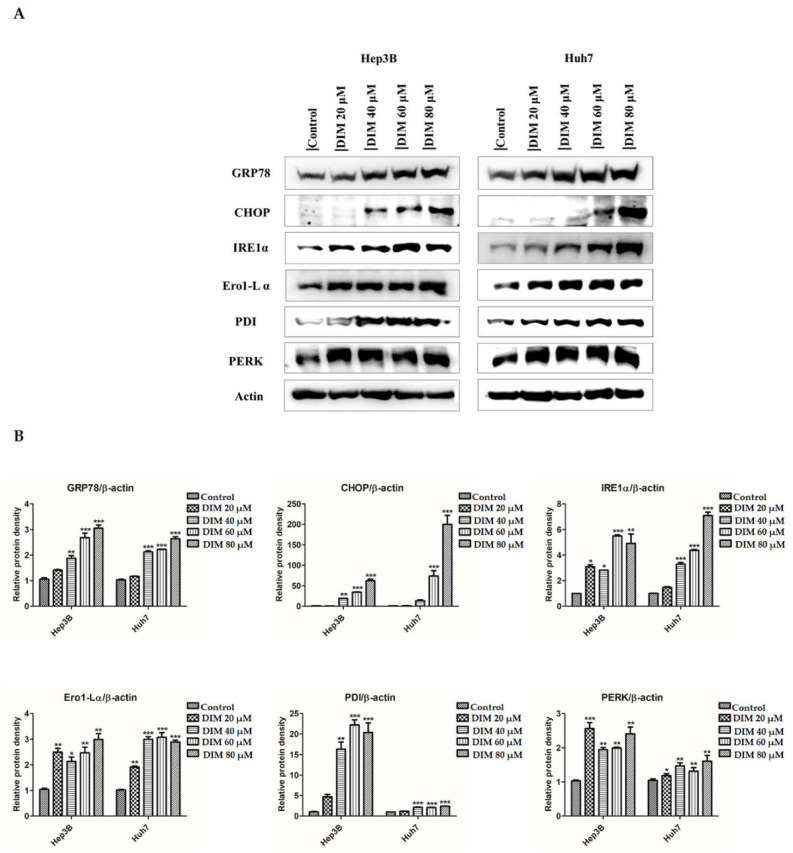
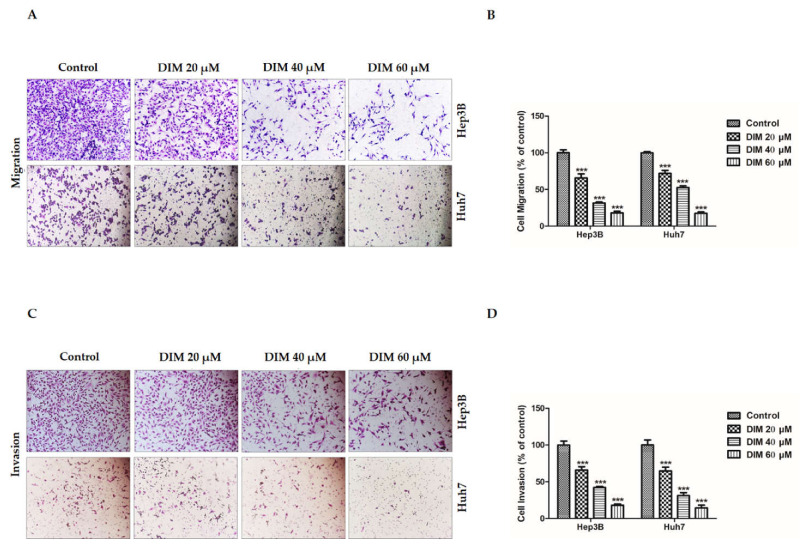
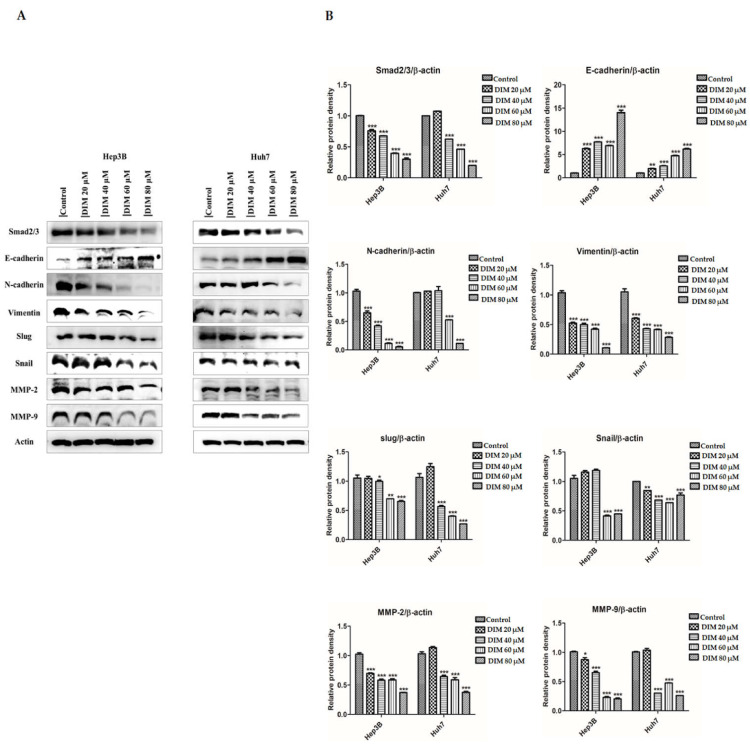
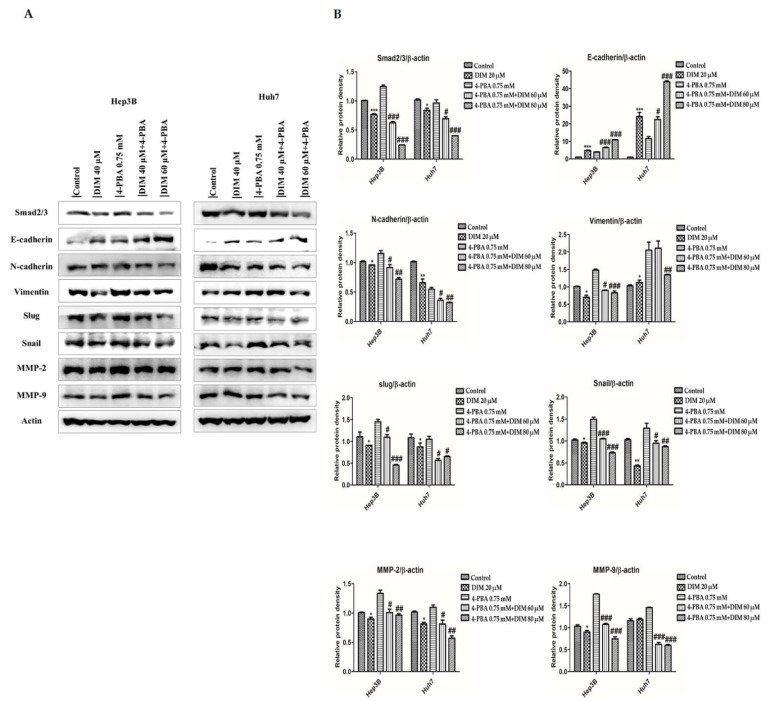
Hepatocellular carcinoma (HCC) is the leading cause of cancer-related death worldwide with limited treatment options. Biomarker-based active phenolic flavonoids isolated from medicinal plants might shed some light on potential therapeutics for treating HCC. 3,3'-diindolylmethane (DIM) is a unique biologically active dimer of indole-3-carbinol (I3C), a phytochemical compound derived from Brassica species of cruciferous vegetables-such as broccoli, kale, cabbage, and cauliflower. It has anti-cancer effects on various cancers such as breast cancer, prostate cancer, endometrial cancer, and colon cancer. However, the molecular mechanism of DIM involved in reducing cancer risk and/or enhancing therapy remains unknown. The aim of the present study was to evaluate anti-cancer and therapeutic effects of DIM in human hepatoma cell lines Hep3B and HuhCell proliferation was measured with MTT and trypan blue colony formation assays. Migration, invasion, and apoptosis were measured with Transwell assays and flow cytometry analyses. Reactive oxygen species (ROS) intensity and the loss in mitochondrial membrane potential of Hep3B and Huh7 cells were determined using dihydroethidium (DHE) staining and tetramethylrhodamine ethyl ester dye. Results showed that DIM significantly suppressed HCC cell growth, proliferation, migration, and invasion in a concentration-dependent manner. Furthermore, DIM treatment activated caspase-dependent apoptotic pathway and suppressed epithelial-mesenchymal transition (EMT) via ER stress and unfolded protein response (UPR). Taken together, our results suggest that DIM is a potential anticancer drug for HCC therapy by targeting ER-stress/UPR.
肝细胞癌 (HCC) 是全球癌症相关死亡的主要原因,治疗选择有限。基于生物标志物的从药用植物中分离出的活性酚类黄酮可能为治疗 HCC 提供潜在的治疗方法。3,3'-二吲哚甲烷 (DIM) 是吲哚-3-甲醇 (I3C) 的独特生物活性二聚体,I3C 是一种植物化学化合物,来源于十字花科蔬菜中的芸薹属植物,如西兰花、羽衣甘蓝、卷心菜和花椰菜。它对乳腺癌、前列腺癌、子宫内膜癌和结肠癌等多种癌症具有抗癌作用。然而,DIM 参与降低癌症风险和/或增强治疗效果的分子机制尚不清楚。本研究旨在评估 DIM 对人肝癌细胞系 Hep3B 和 Huh7 的抗癌和治疗作用。通过 MTT 和台盼蓝集落形成实验测量细胞增殖。通过 Transwell 实验和流式细胞术分析测量迁移、侵袭和凋亡。使用二氢乙啶 (DHE) 染色和四甲基罗丹明乙酯染料测定 Hep3B 和 Huh7 细胞的活性氧 (ROS) 强度和线粒体膜电位丧失。结果表明,DIM 显著抑制 HCC 细胞生长、增殖、迁移和侵袭,呈浓度依赖性。此外,DIM 处理通过内质网应激和未折叠蛋白反应 (UPR) 激活 caspase 依赖性凋亡途径并抑制上皮-间充质转化 (EMT)。总之,我们的研究结果表明,DIM 通过靶向内质网应激/UPR 是治疗 HCC 的潜在抗癌药物。