Meanti Ramona, Rizzi Laura, Bresciani Elena, Molteni Laura, Locatelli Vittorio, Coco Silvia, Omeljaniuk Robert John, Torsello Antonio
School of Medicine and Surgery, University of Milano-Bicocca, 20900 Monza, Italy.
Department of Biology, Lakehead University, Thunder Bay, ON P7B 5E1, Canada.
Pharmaceuticals (Basel). 2021 May 8;14(5):444. doi: 10.3390/ph14050444.
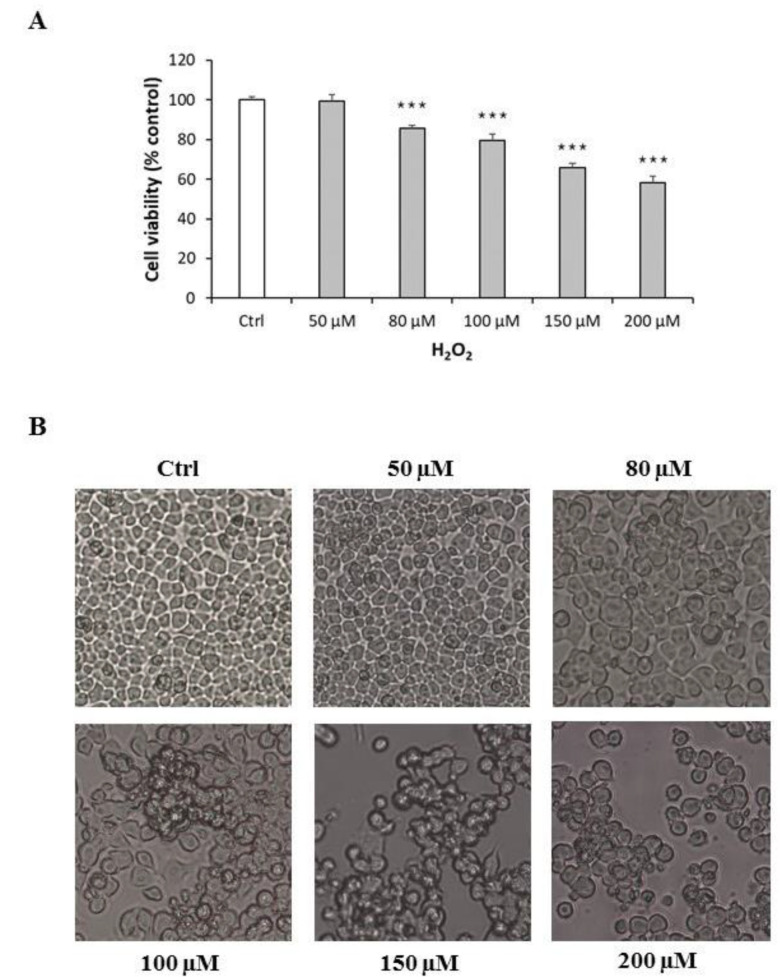
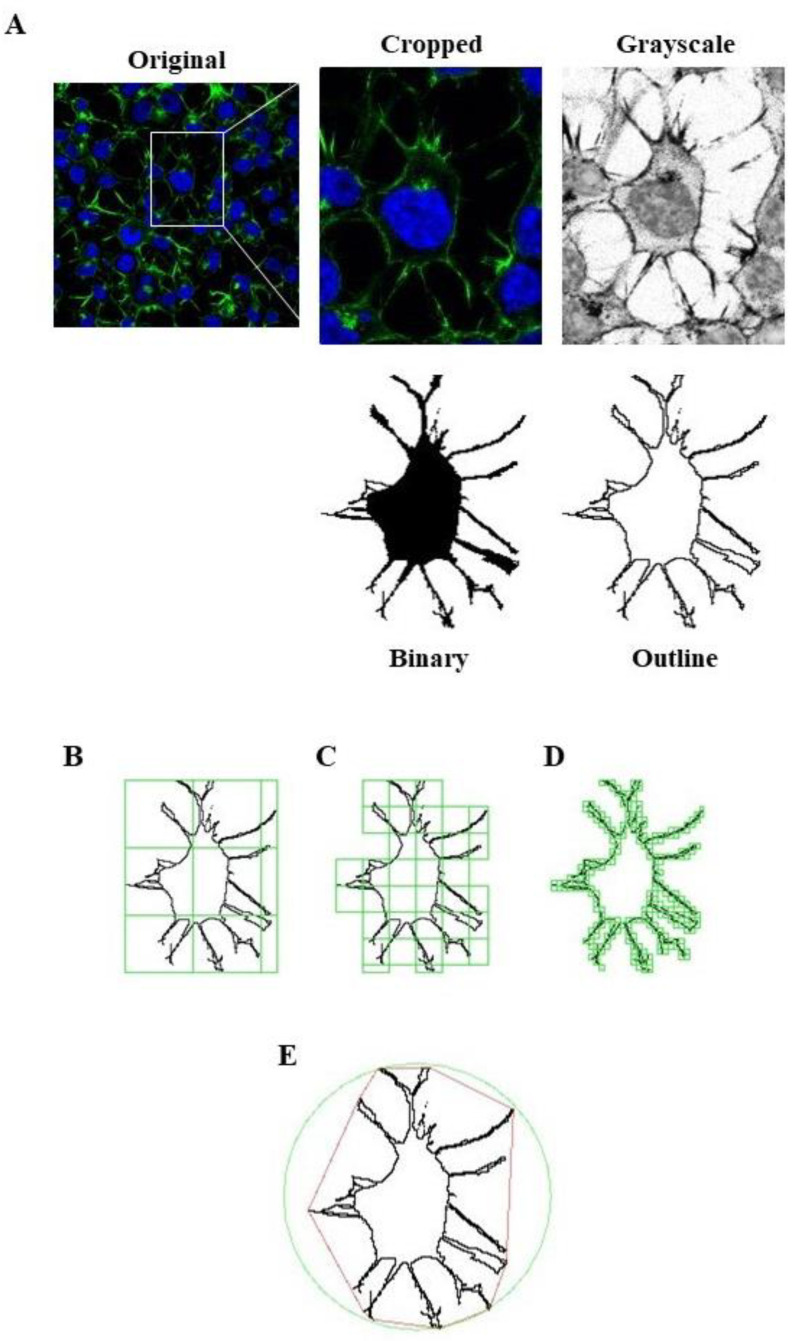
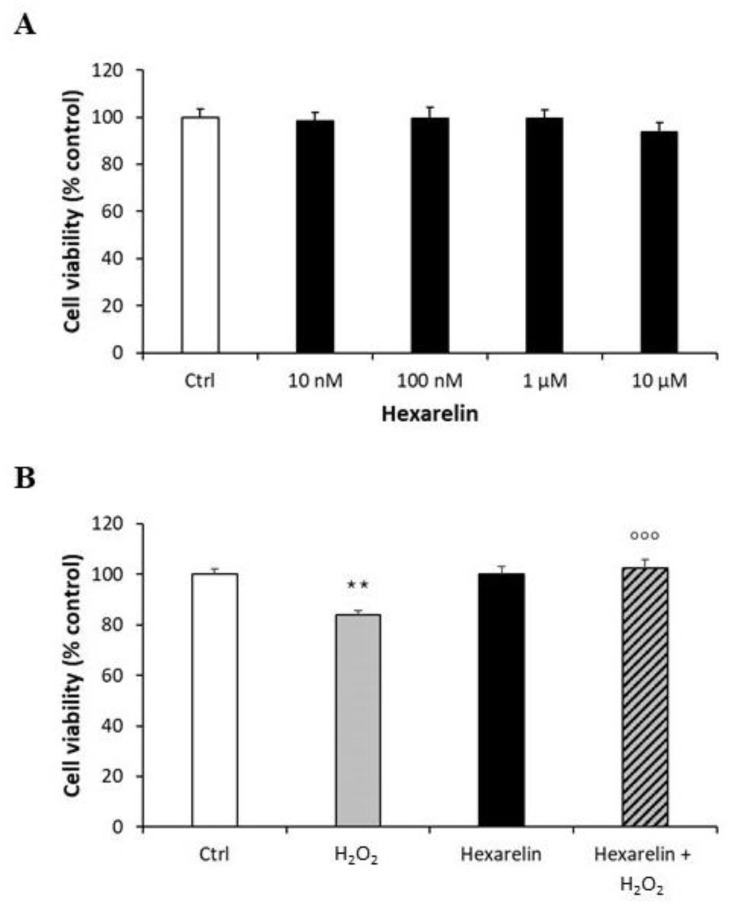
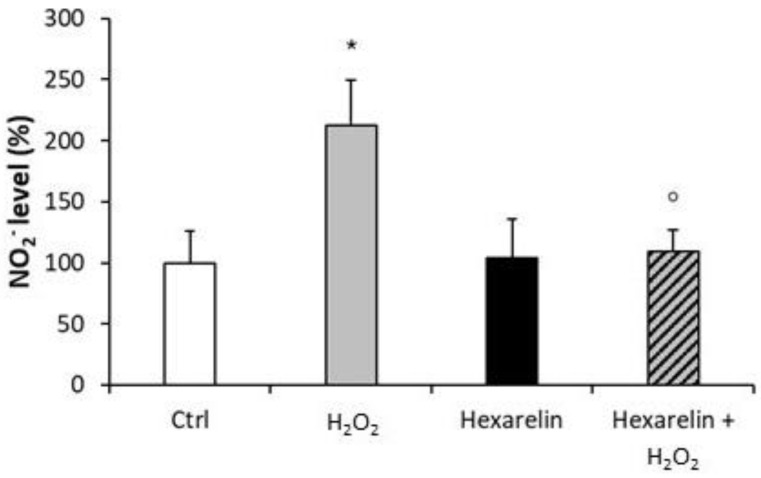
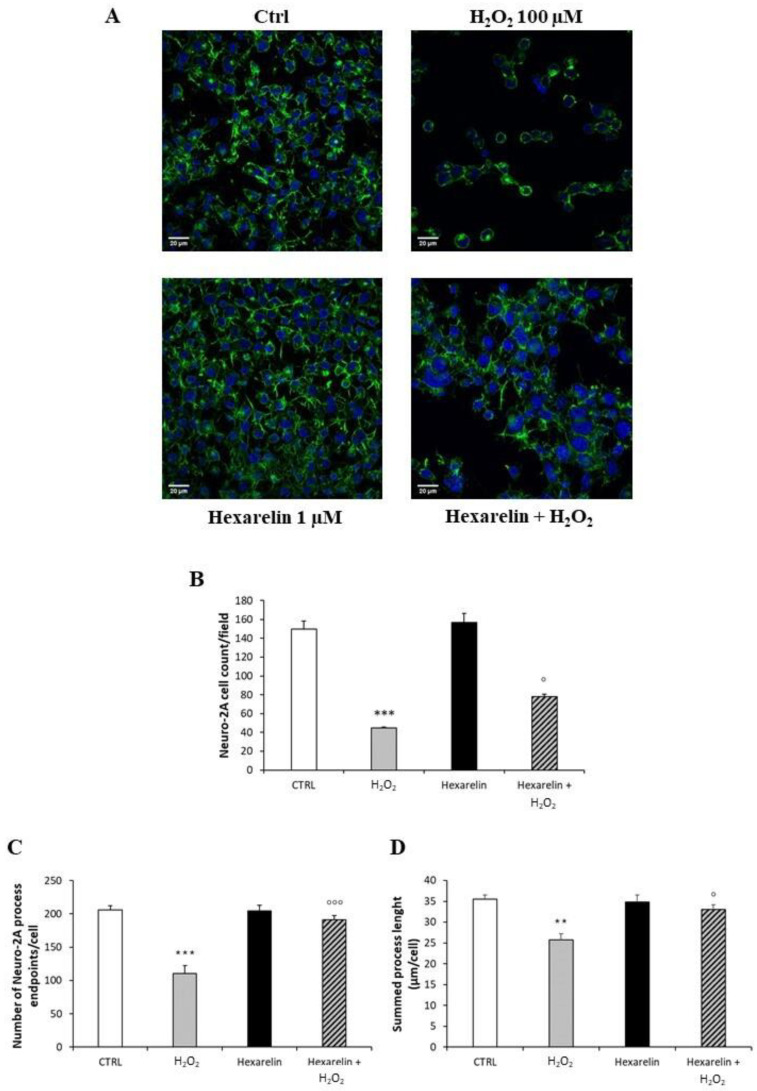
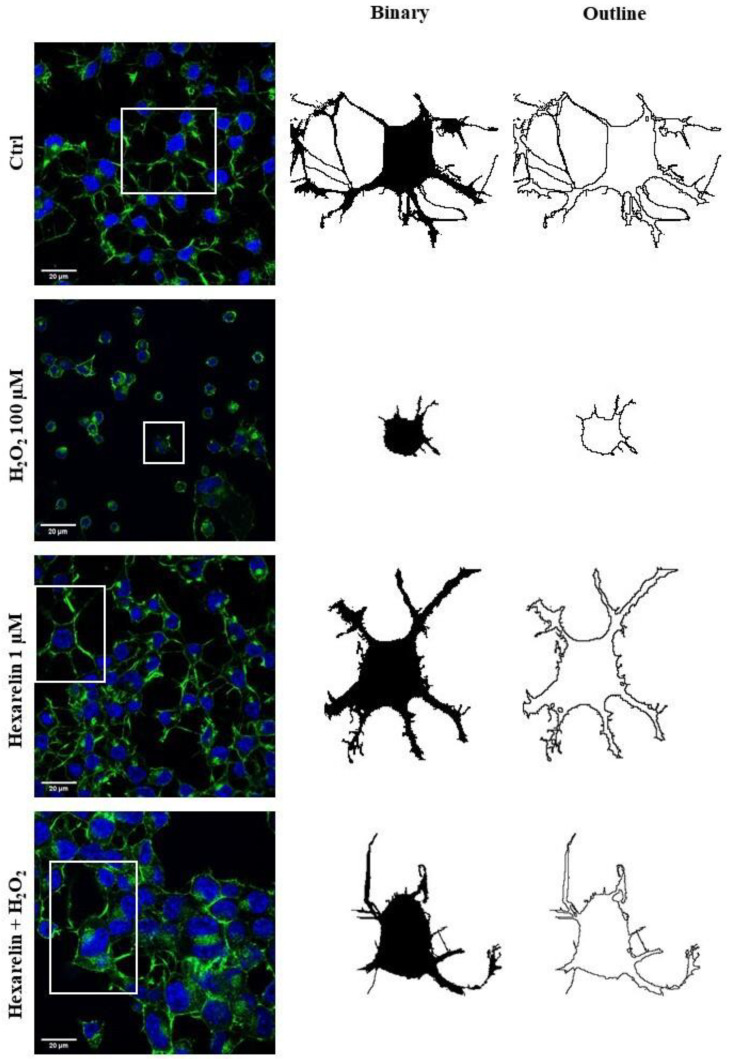
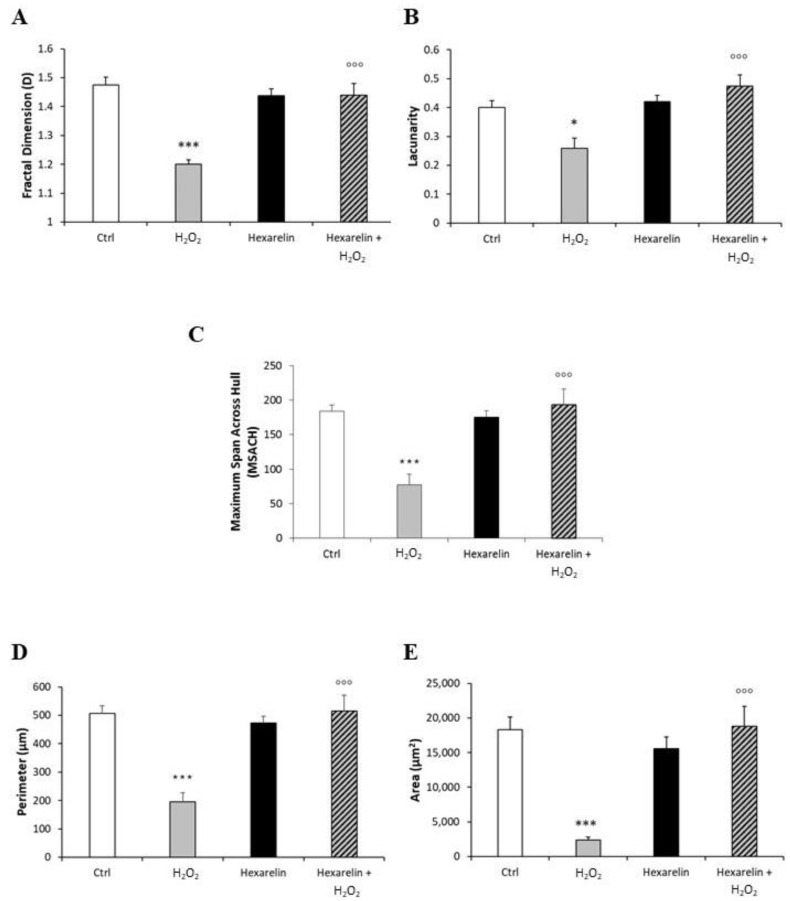
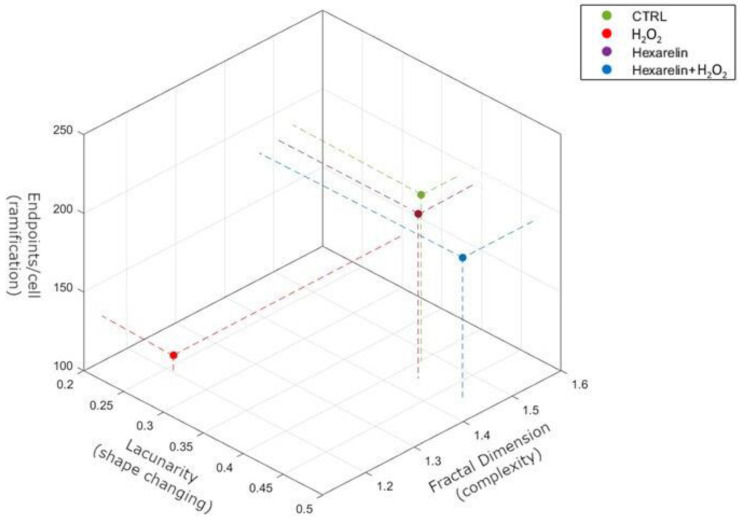
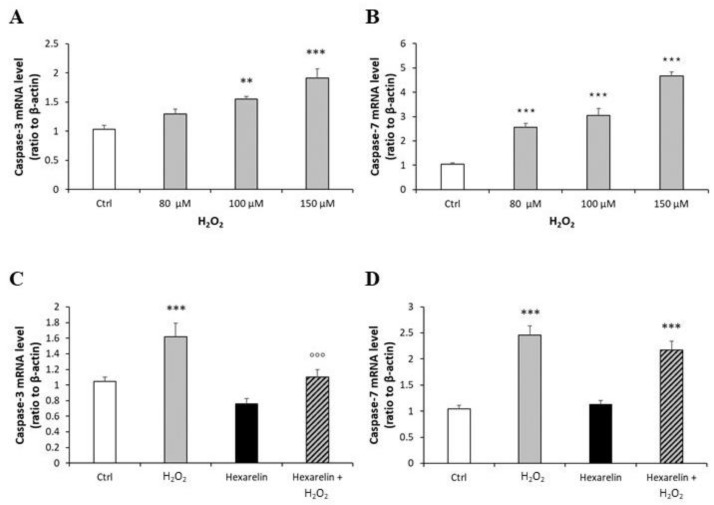
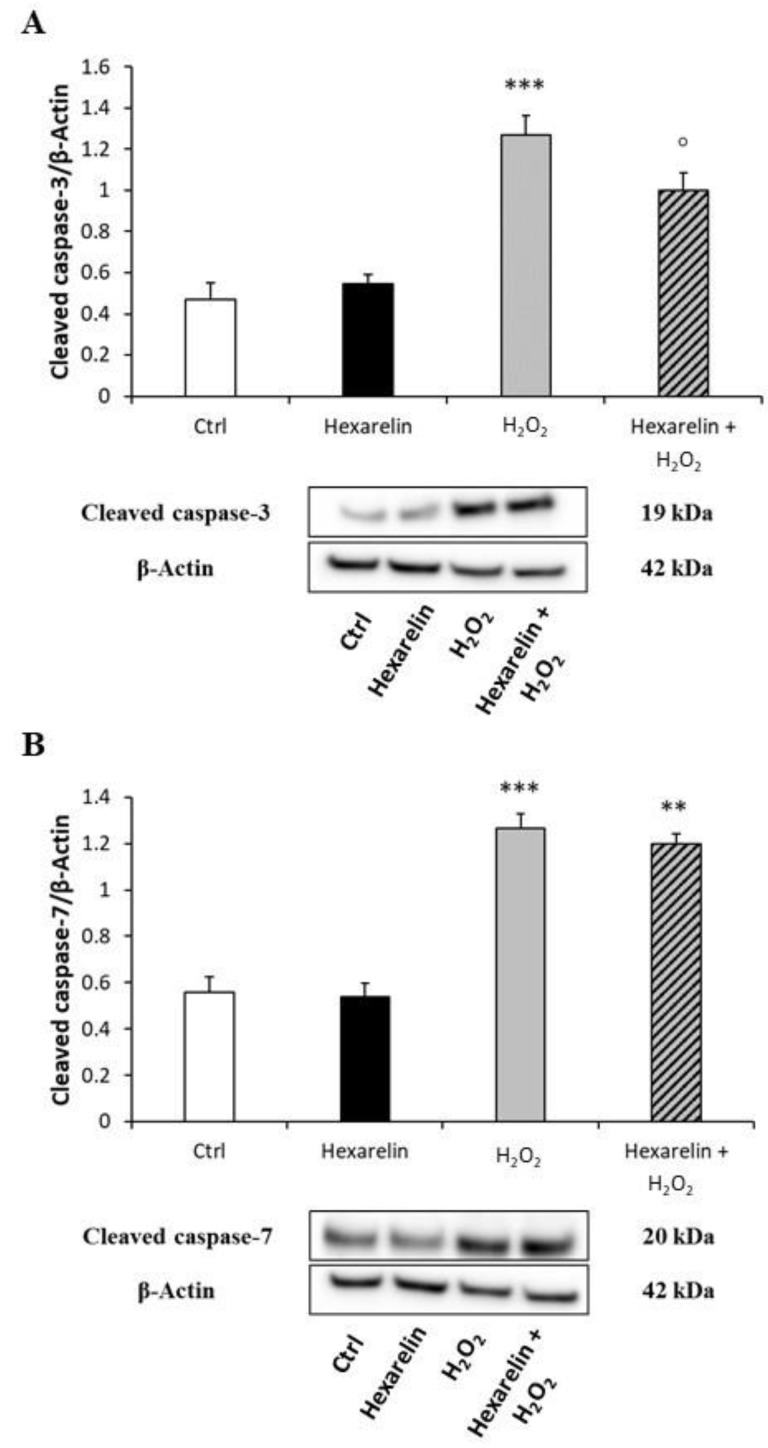
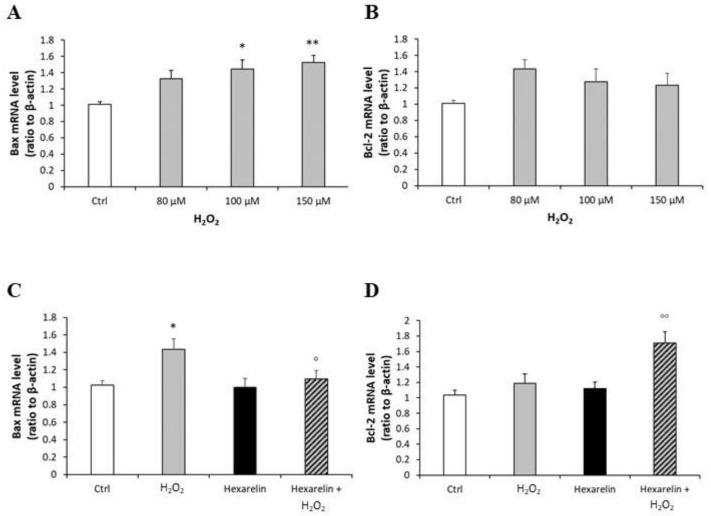
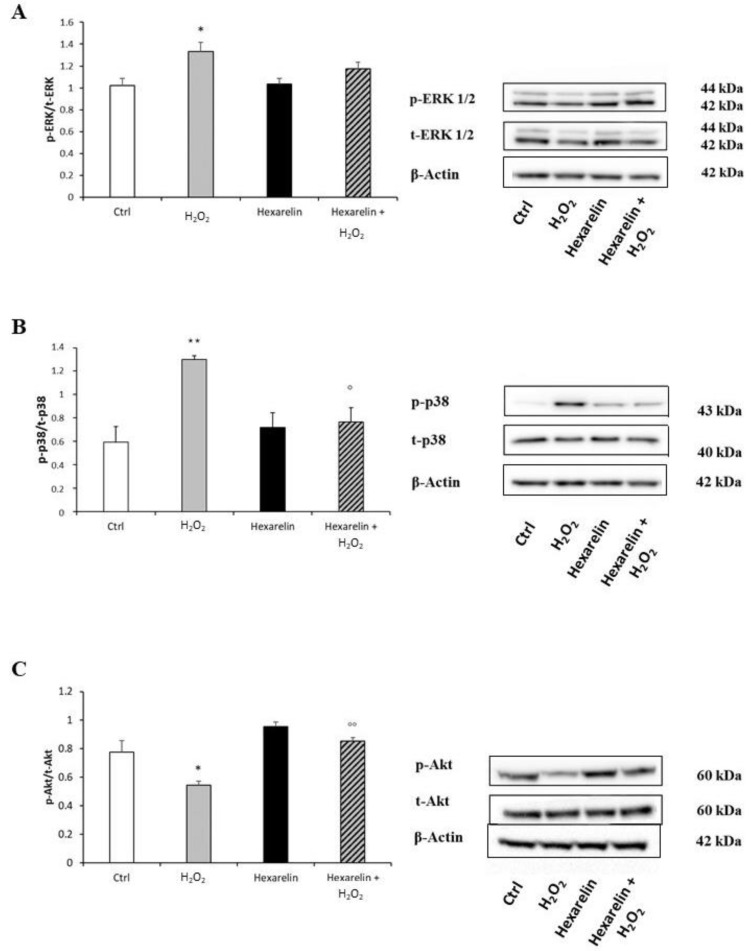
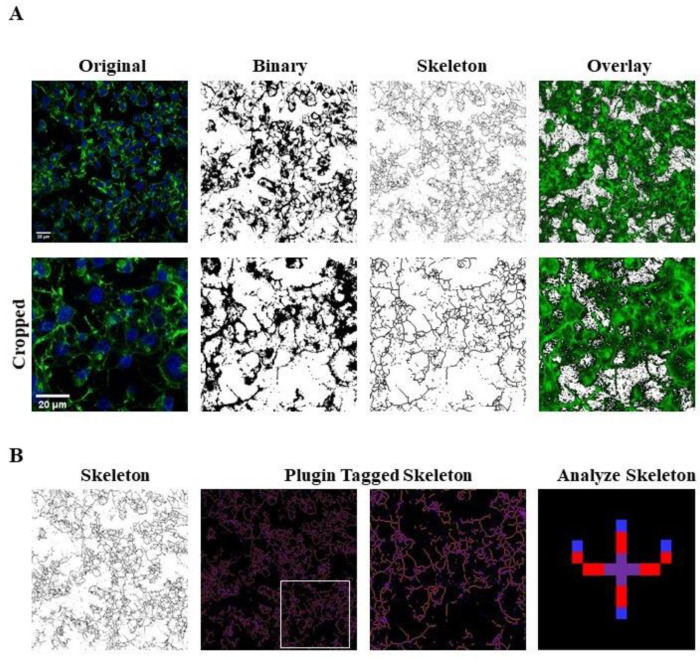
Hexarelin, a synthetic hexapeptide, exerts cyto-protective effects at the mitochondrial level in cardiac and skeletal muscles, both in vitro and in vivo, may also have important neuroprotective bioactivities. This study examined the inhibitory effects of hexarelin on hydrogen peroxide (HO)-induced apoptosis in Neuro-2A cells. Neuro-2A cells were treated for 24 h with various concentrations of HO or with the combination of HO and hexarelin following which cell viability and nitrite (NO) release were measured. Cell morphology was also documented throughout and changes arising were quantified using Image J skeleton and fractal analysis procedures. Apoptotic responses were evaluated by Real-Time PCR (caspase-3, caspase-7, Bax, and Bcl-2 mRNA levels) and Western Blot (cleaved caspase-3, cleaved caspase-7, MAPK, and Akt). Our results indicate that hexarelin effectively antagonized HO-induced damage to Neuro-2A cells thereby (i) improving cell viability, (ii) reducing NO release and (iii) restoring normal morphologies. Hexarelin treatment also reduced mRNA levels of caspase-3 and its activation, and modulated mRNA levels of the BCL-2 family. Moreover, hexarelin inhibited MAPKs phosphorylation and increased p-Akt protein expression. In conclusion, our results demonstrate neuroprotective and anti-apoptotic effects of hexarelin, suggesting that new analogues could be developed for their neuroprotective effects.
六肽生长激素释放肽(Hexarelin)是一种合成六肽,在体外和体内均能在心脏和骨骼肌的线粒体水平发挥细胞保护作用,可能还具有重要的神经保护生物活性。本研究检测了六肽生长激素释放肽对过氧化氢(H₂O₂)诱导的Neuro-2A细胞凋亡的抑制作用。用不同浓度的H₂O₂或H₂O₂与六肽生长激素释放肽的组合处理Neuro-2A细胞24小时,然后测量细胞活力和亚硝酸盐(NO)释放。在整个过程中记录细胞形态,并使用Image J骨架和分形分析程序对出现的变化进行量化。通过实时定量聚合酶链反应(Real-Time PCR,检测半胱天冬酶-3、半胱天冬酶-7、Bax和Bcl-2 mRNA水平)和蛋白质免疫印迹法(Western Blot,检测裂解的半胱天冬酶-3、裂解的半胱天冬酶-7、丝裂原活化蛋白激酶和蛋白激酶B)评估细胞凋亡反应。我们的结果表明,六肽生长激素释放肽有效地拮抗了H₂O₂对Neuro-2A细胞的损伤,从而(i)提高细胞活力,(ii)减少NO释放,(iii)恢复正常形态。六肽生长激素释放肽处理还降低了半胱天冬酶-3的mRNA水平及其活化,并调节了BCL-2家族的mRNA水平。此外,六肽生长激素释放肽抑制丝裂原活化蛋白激酶的磷酸化并增加磷酸化蛋白激酶B的表达。总之,我们的结果证明了六肽生长激素释放肽的神经保护和抗凋亡作用,表明可以开发新的类似物用于其神经保护作用。