Schwank-Xu Cheng, Forsberg Elisabete, Bentinger Magnus, Zhao Allan, Ansurudeen Ishrath, Dallner Gustav, Catrina Sergiu-Bogdan, Brismar Kerstin, Tekle Michael
The Rolf Luft Research Center for Diabetes and Endocrinology, Department of Molecular Medicine and Surgery, Karolinska Institutet, SE-17177 Stockholm, Sweden.
Department of Endocrinology, Diabetes and Metabolism, Karolinska University Hospital, SE-17177 Stockholm, Sweden.
Antioxidants (Basel). 2021 May 17;10(5):793. doi: 10.3390/antiox10050793.
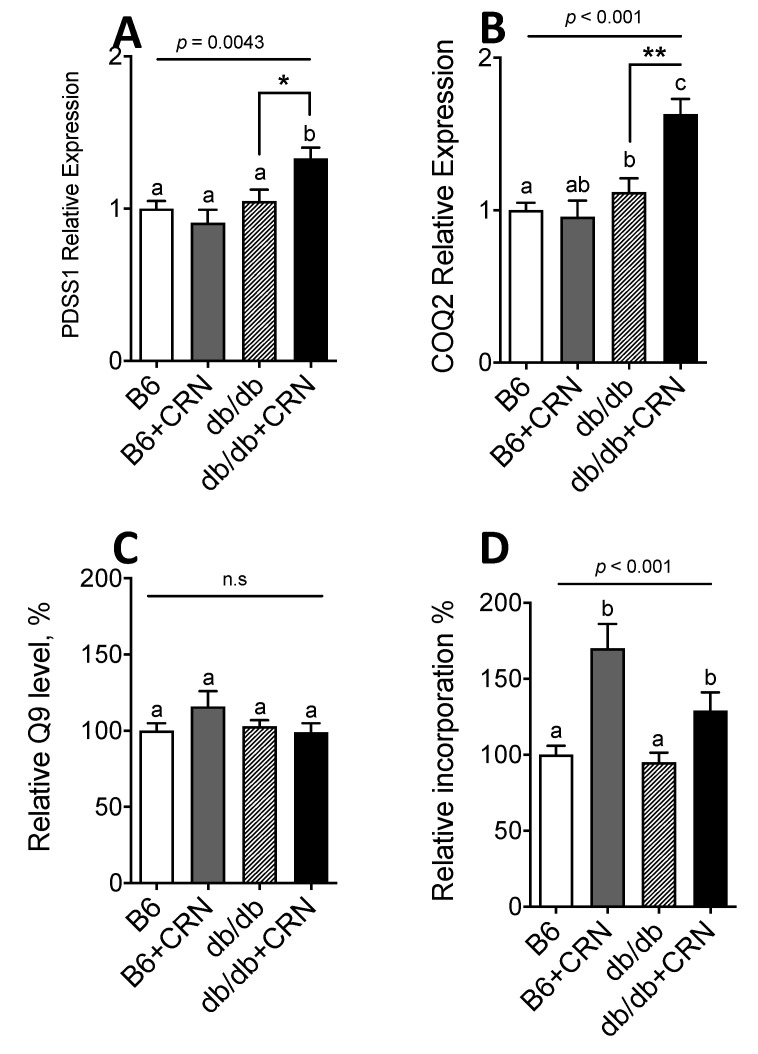
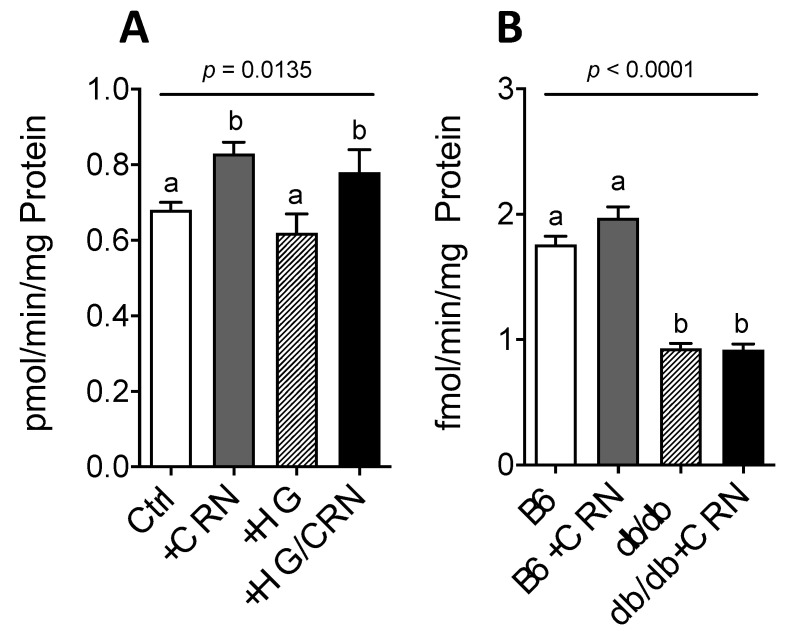
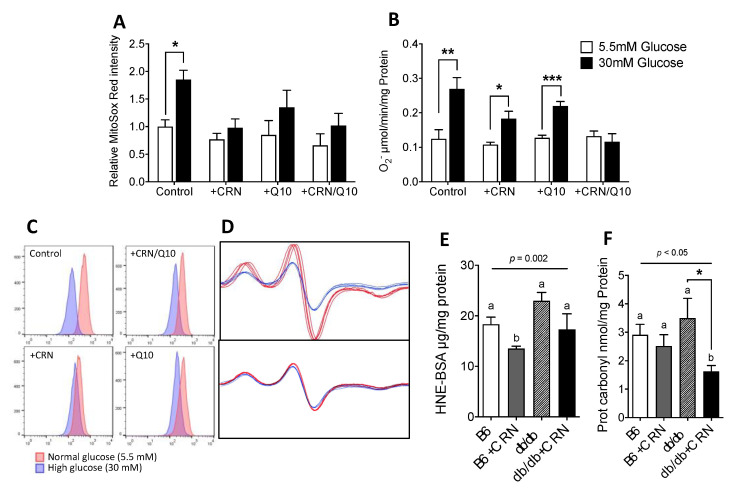
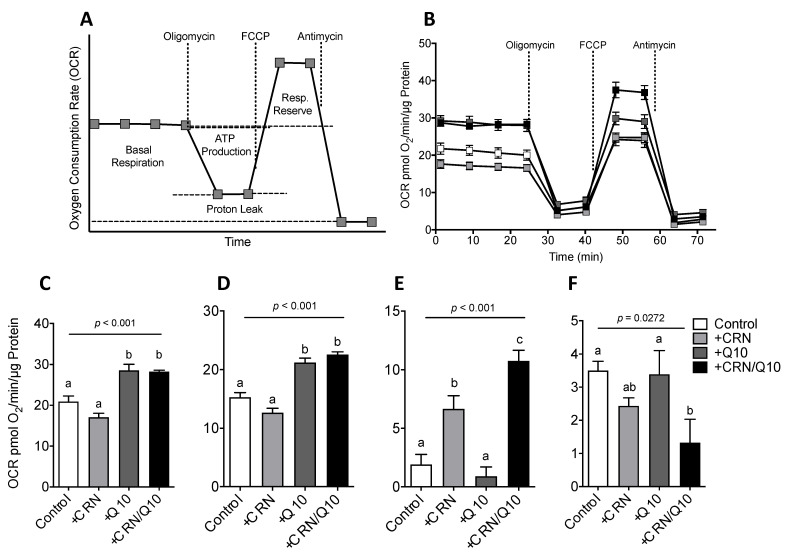
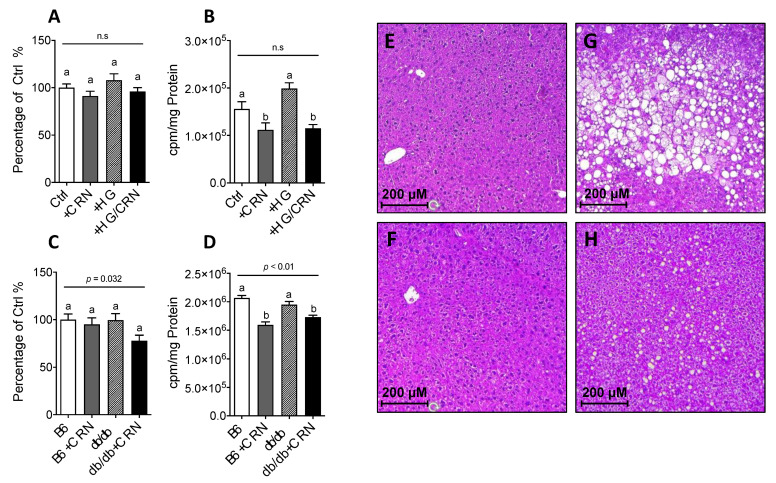
Mitochondrial dysfunction in type 2 diabetes leads to oxidative stress, which drives disease progression and diabetes complications. L-carnosine, an endogenous dipeptide, improves metabolic control, wound healing and kidney function in animal models of type 2 diabetes. Coenzyme Q (CoQ), a component of the mitochondrial electron transport chain, possesses similar protective effects on diabetes complications. We aimed to study the effect of carnosine on CoQ, and assess any synergistic effects of carnosine and CoQ on improved mitochondrial function in a mouse model of type 2 diabetes. Carnosine enhanced CoQ gene expression and increased hepatic CoQ biosynthesis in mice, a type 2 diabetes model. Co-administration of Carnosine and CoQ improved mitochondrial function, lowered ROS formation and reduced signs of oxidative stress. Our work suggests that carnosine exerts beneficial effects on hepatic CoQ synthesis and when combined with CoQ, improves mitochondrial function and cellular redox balance in the liver of diabetic mice. (4) Conclusions: L-carnosine has beneficial effects on oxidative stress both alone and in combination with CoQ on hepatic mitochondrial function in an obese type 2 diabetes mouse model.
2型糖尿病中的线粒体功能障碍会导致氧化应激,进而推动疾病进展和糖尿病并发症的发生。L-肌肽是一种内源性二肽,在2型糖尿病动物模型中可改善代谢控制、伤口愈合及肾功能。辅酶Q(CoQ)作为线粒体电子传递链的一个组成部分,对糖尿病并发症具有类似的保护作用。我们旨在研究肌肽对辅酶Q的影响,并评估在2型糖尿病小鼠模型中肌肽与辅酶Q对改善线粒体功能的协同作用。在2型糖尿病小鼠模型中,肌肽增强了辅酶Q基因表达并增加了肝脏辅酶Q的生物合成。联合使用肌肽和辅酶Q可改善线粒体功能、降低活性氧生成并减轻氧化应激迹象。我们的研究表明,肌肽对肝脏辅酶Q合成具有有益作用,并且与辅酶Q联合使用时,可改善糖尿病小鼠肝脏的线粒体功能和细胞氧化还原平衡。(4)结论:在肥胖型2型糖尿病小鼠模型中,L-肌肽单独使用及与辅酶Q联合使用时,均对肝脏线粒体功能的氧化应激具有有益作用。