Klepsch Victoria, Siegmund Kerstin, Baier Gottfried
Institute for Translational Cell Genetics, Medical University Innsbruck, 6020 Innsbruck, Austria.
Cancers (Basel). 2021 May 26;13(11):2600. doi: 10.3390/cancers13112600.
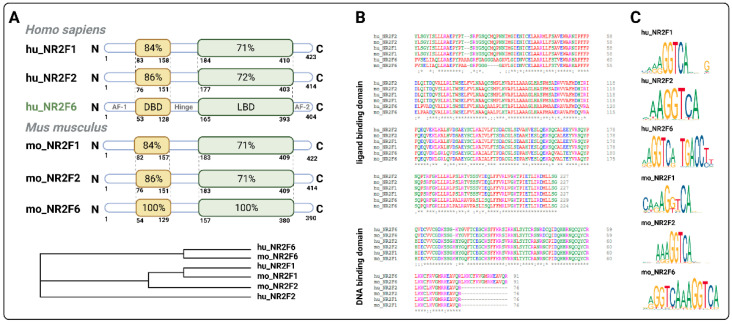
Additional therapeutic targets suitable for boosting anti-tumor effector responses have been found inside effector CD4 and CD8 T cells. It is likely that future treatment options will combine surface receptor and intracellular protein targets. Utilizing germline gene ablation as well as CRISPR/Cas9-mediated acute gene mutagenesis, the nuclear receptor NR2F6 (nuclear receptor subfamily 2 group F member 6, also called Ear-2) has been firmly characterized as such an intracellular immune checkpoint in effector T cells. Targeting this receptor appears to be a strategy for improving anti-tumor immunotherapy responses, especially in combination with CTLA-4 and PD-1. Current preclinical experimental knowledge firmly validates the immune checkpoint function of NR2F6 in murine tumor models, which provides a promising perspective for immunotherapy regimens in humans in the near future. While the clinical focus remains on the B7/CD28 family members, protein candidate targets such as NR2F6 are now being investigated in laboratories around the world and in R&D companies. Such an alternative therapeutic approach, if demonstrated to be successful, could supplement the existing therapeutic models and significantly increase response rates of cancer patients and/or expand the reach of immune therapy regimens to include a wider range of cancer entities. In this perspective review, the role of NR2F6 as an emerging and druggable target in immuno-oncology research will be discussed, with special emphasis on the unique potential of NR2F6 and its critical and non-redundant role in both immune and tumor cells.
在效应性CD4和CD8 T细胞内发现了其他适合增强抗肿瘤效应反应的治疗靶点。未来的治疗方案可能会结合表面受体和细胞内蛋白靶点。利用种系基因敲除以及CRISPR/Cas9介导的急性基因诱变技术,核受体NR2F6(核受体亚家族2组F成员6,也称为Ear-2)已被明确鉴定为效应性T细胞中的一种细胞内免疫检查点。靶向该受体似乎是一种改善抗肿瘤免疫治疗反应的策略,尤其是与CTLA-4和PD-1联合使用时。目前的临床前实验知识已在小鼠肿瘤模型中充分验证了NR2F6的免疫检查点功能,这为在不久的将来用于人类的免疫治疗方案提供了一个有前景的展望。虽然临床重点仍在B7/CD28家族成员上,但诸如NR2F6等蛋白质候选靶点目前正在世界各地的实验室和研发公司中进行研究。这种替代治疗方法如果被证明是成功的,可能会补充现有的治疗模式,并显著提高癌症患者的反应率和/或将免疫治疗方案的适用范围扩大到更广泛的癌症类型。在这篇观点综述中,将讨论NR2F6作为免疫肿瘤学研究中一个新兴的可成药靶点的作用,特别强调NR2F6的独特潜力及其在免疫细胞和肿瘤细胞中的关键且不可替代的作用。