Lee Mei-Hwa, Thomas James L, Li Jin-An, Chen Jyun-Ren, Wang Tzong-Liu, Lin Hung-Yin
Department of Materials Science and Engineering, I-Shou University, Kaohsiung 84001, Taiwan.
Department of Physics and Astronomy, University of New Mexico, Albuquerque, NM 87131, USA.
Pharmaceuticals (Basel). 2021 May 26;14(6):508. doi: 10.3390/ph14060508.
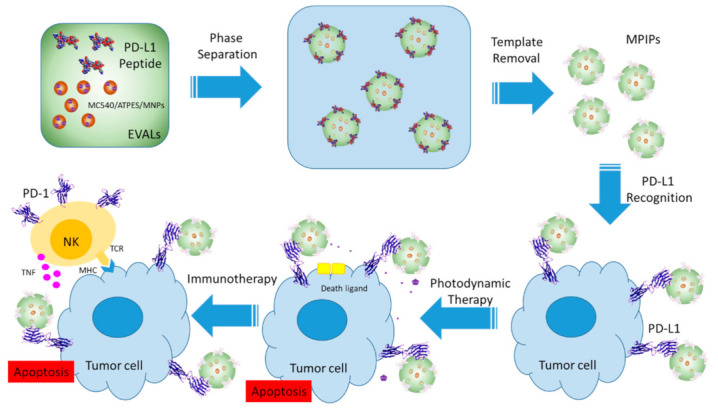
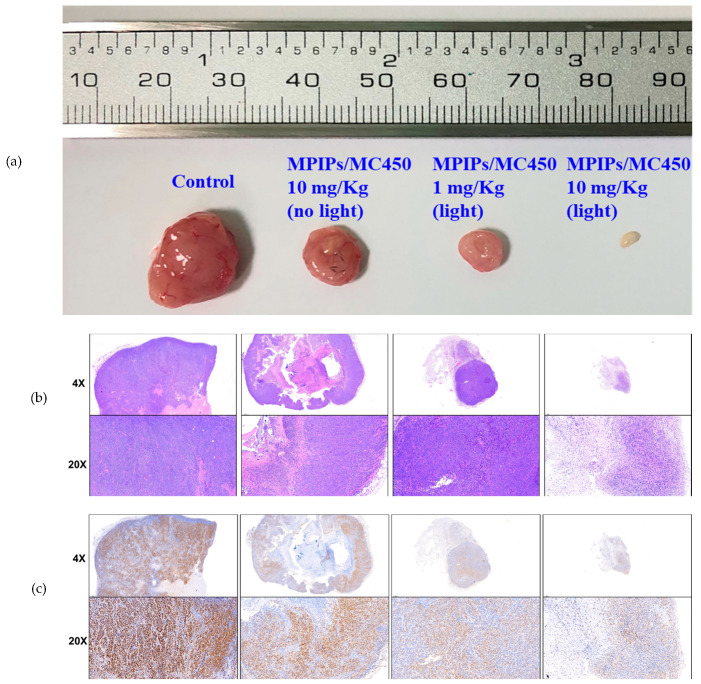
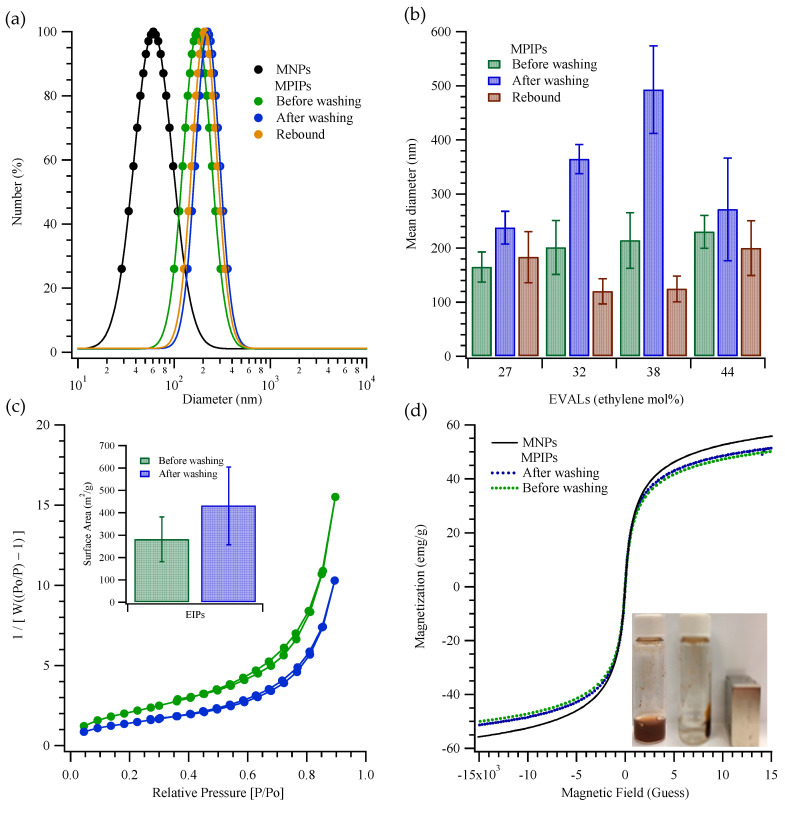
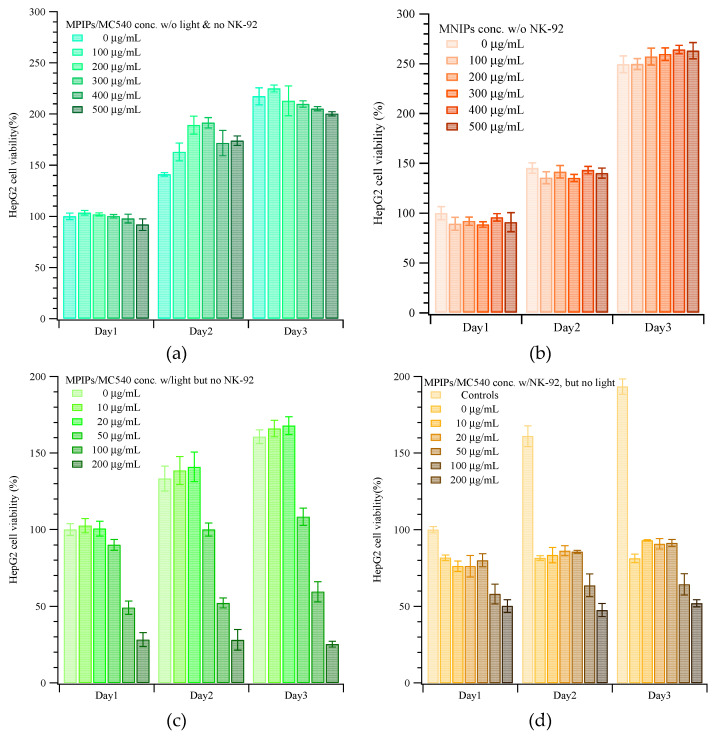
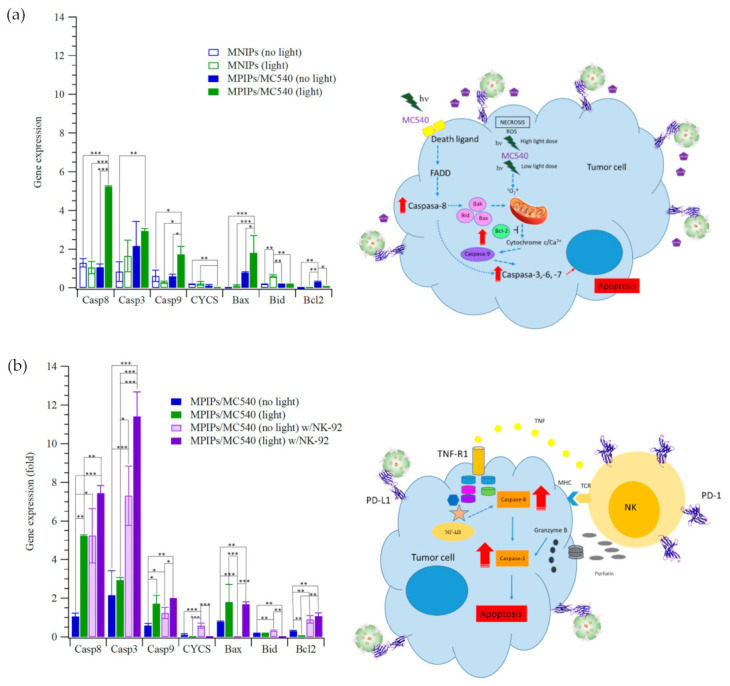
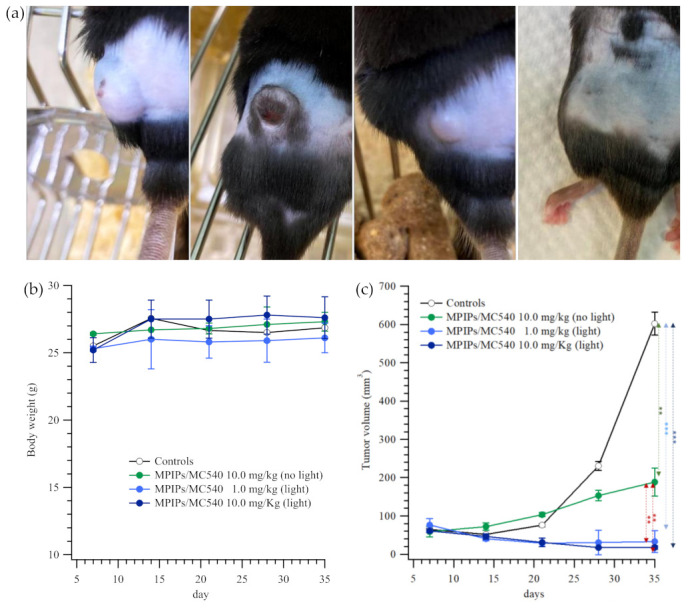
Programmed death-ligand 1 protein (PD-L1) has been posited to have a major role in suppressing the immune system during pregnancy, tissue allografts, autoimmune disease and other diseases, such as hepatitis. Photodynamic therapy uses light and a photosensitizer to generate singlet oxygen, which causes cell death (phototoxicity). In this work, photosensitizers (such as merocyanine) were immobilized on the surface of magnetic nanoparticles. One peptide sequence from PD-L1 was used as the template and imprinted onto poly(ethylene--vinyl alcohol) to generate magnetic composite nanoparticles for the targeting of PD-L1 on tumor cells. These nanoparticles were characterized using dynamic light scattering, high-performance liquid chromatography, Brunauer-Emmett-Teller analysis and superconducting quantum interference magnetometry. Natural killer-92 cells were added to these composite nanoparticles, which were then incubated with human hepatoma (HepG2) cells and illuminated with visible light for various periods. The viability and apoptosis pathway of HepG2 were examined using a cell counting kit-8 and quantitative real-time polymerase chain reaction. Finally, treatment with composite nanoparticles and irradiation of light was performed using an animal xenograft model.
程序性死亡配体1蛋白(PD-L1)被认为在妊娠、组织同种异体移植、自身免疫性疾病和其他疾病(如肝炎)期间的免疫系统抑制中起主要作用。光动力疗法利用光和光敏剂产生单线态氧,从而导致细胞死亡(光毒性)。在这项工作中,光敏剂(如部花青)被固定在磁性纳米颗粒的表面。使用来自PD-L1的一个肽序列作为模板,并将其印迹到聚乙烯醇上,以生成用于靶向肿瘤细胞上PD-L1的磁性复合纳米颗粒。使用动态光散射、高效液相色谱、布鲁诺尔-埃米特-特勒分析和超导量子干涉磁力测定法对这些纳米颗粒进行了表征。将自然杀伤细胞92添加到这些复合纳米颗粒中,然后将其与人肝癌(HepG2)细胞一起孵育,并在不同时间段用可见光照射。使用细胞计数试剂盒-8和定量实时聚合酶链反应检测HepG2的活力和凋亡途径。最后,使用动物异种移植模型进行复合纳米颗粒处理和光照处理。