Rutgers School of Graduate Studies at New Jersey Medical School, Newark, NJ, USA.
Department of Medicine, Hematology/Oncology, Rutgers New Jersey Medicine School, Newark, NJ, USA.
Life Sci Alliance. 2021 Jun 2;4(7). doi: 10.26508/lsa.202000969. Print 2021 Jul.
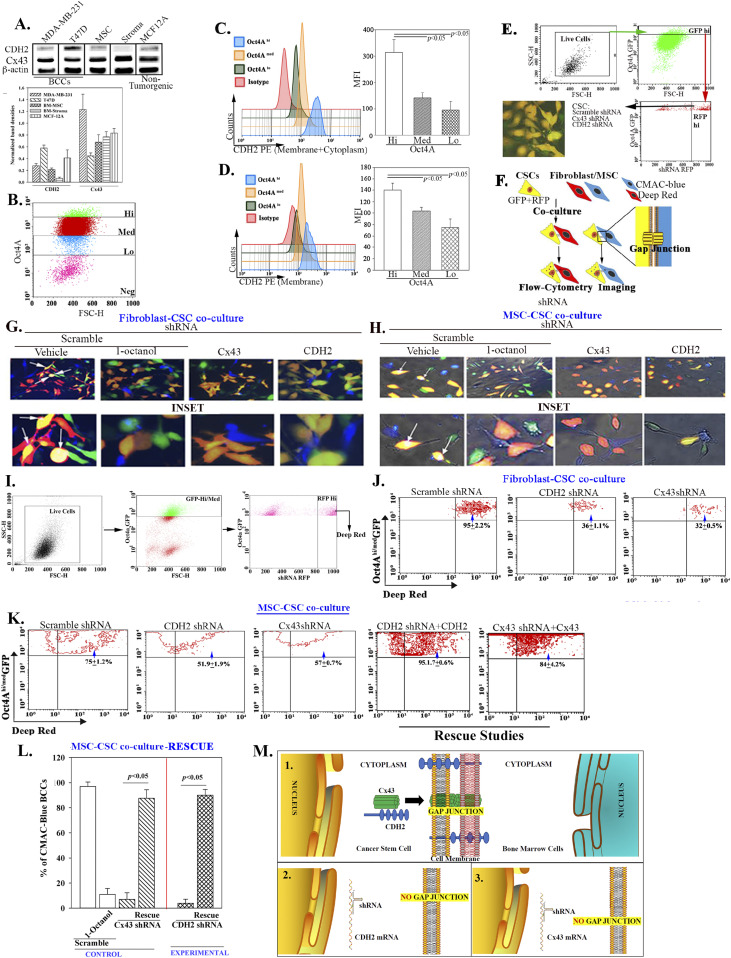
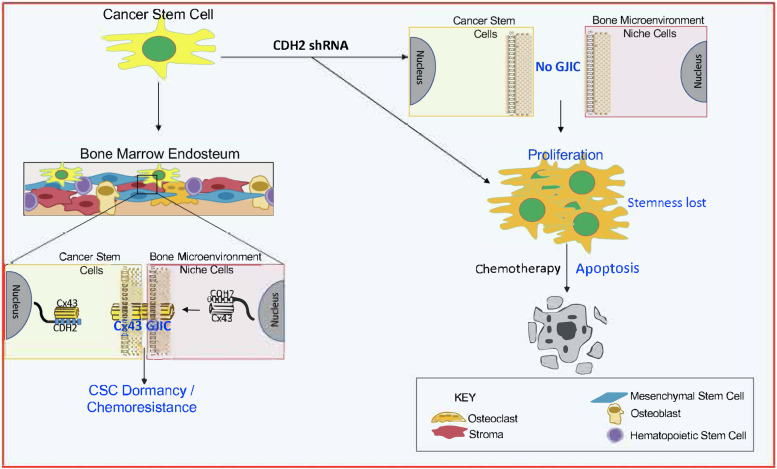
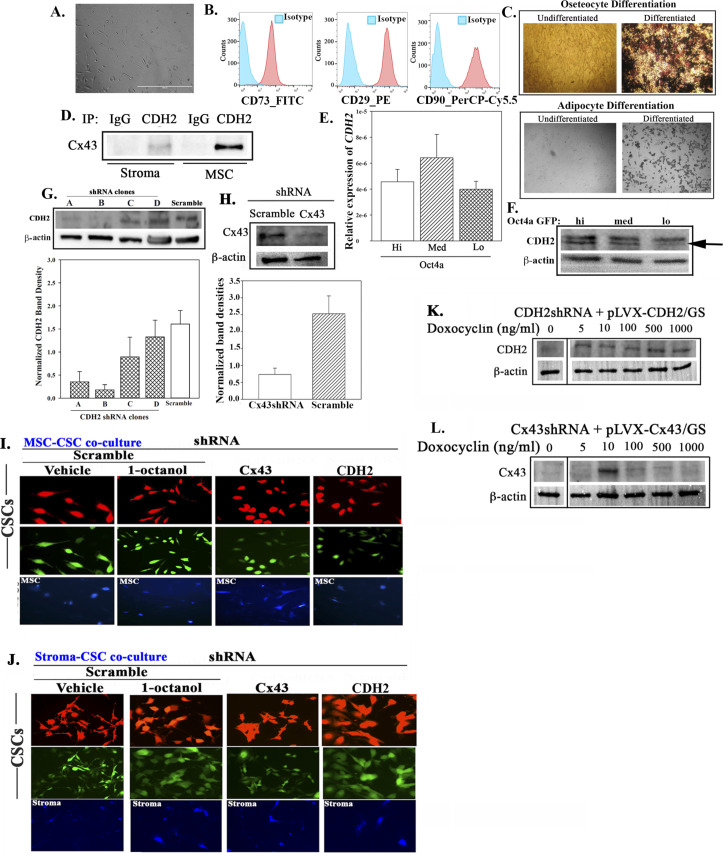
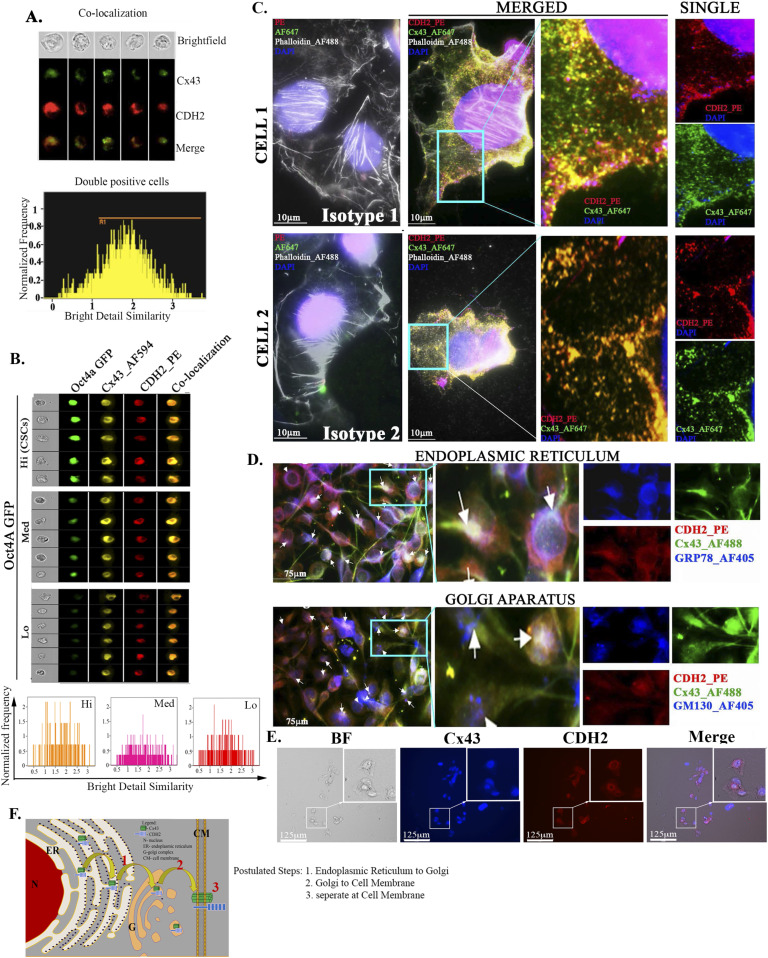
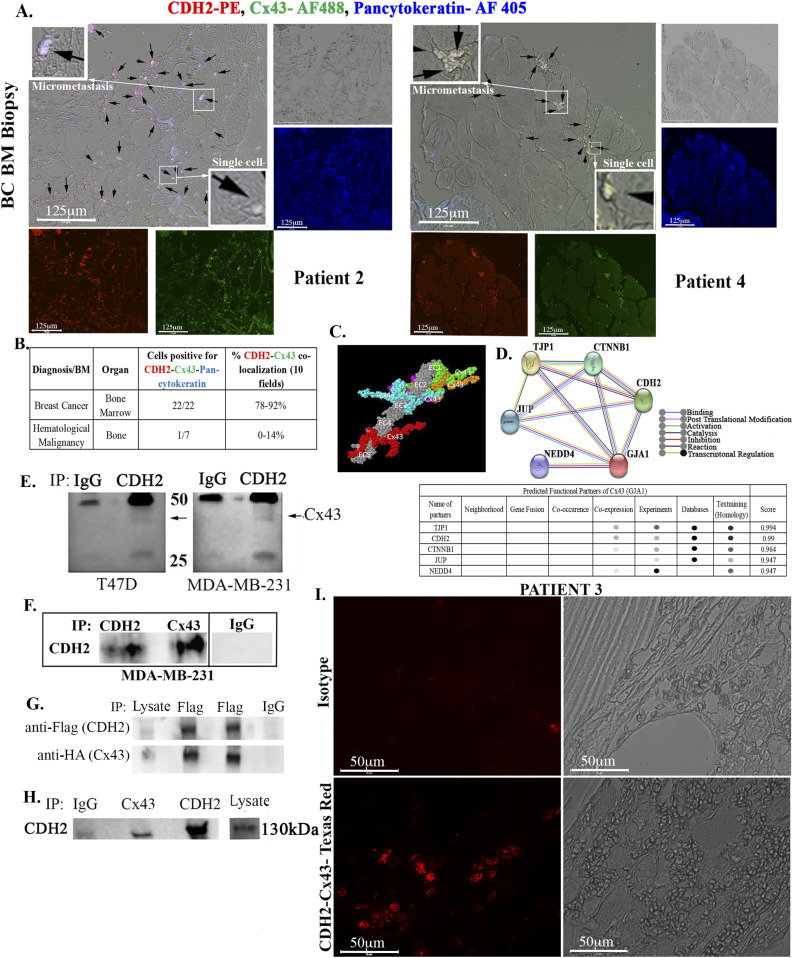
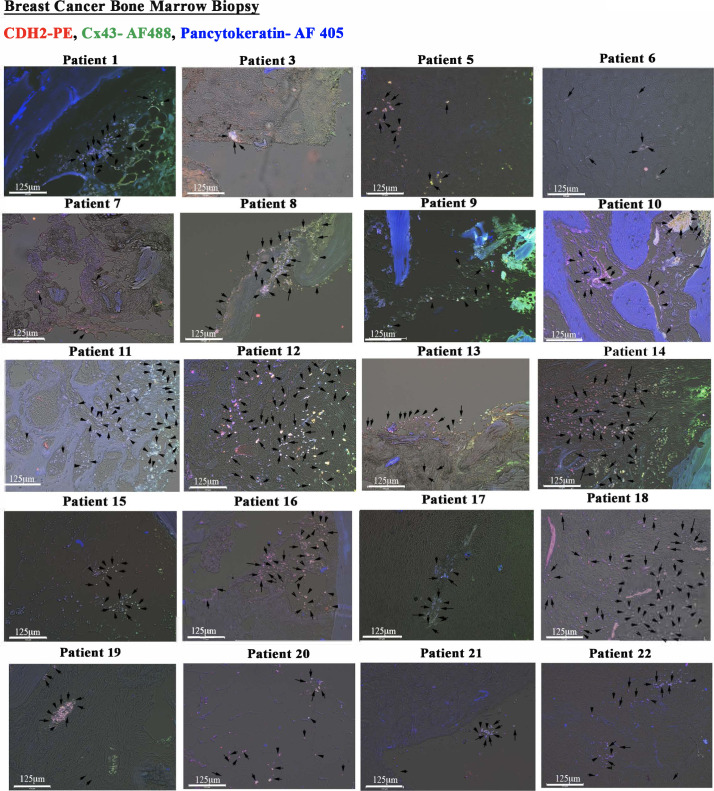
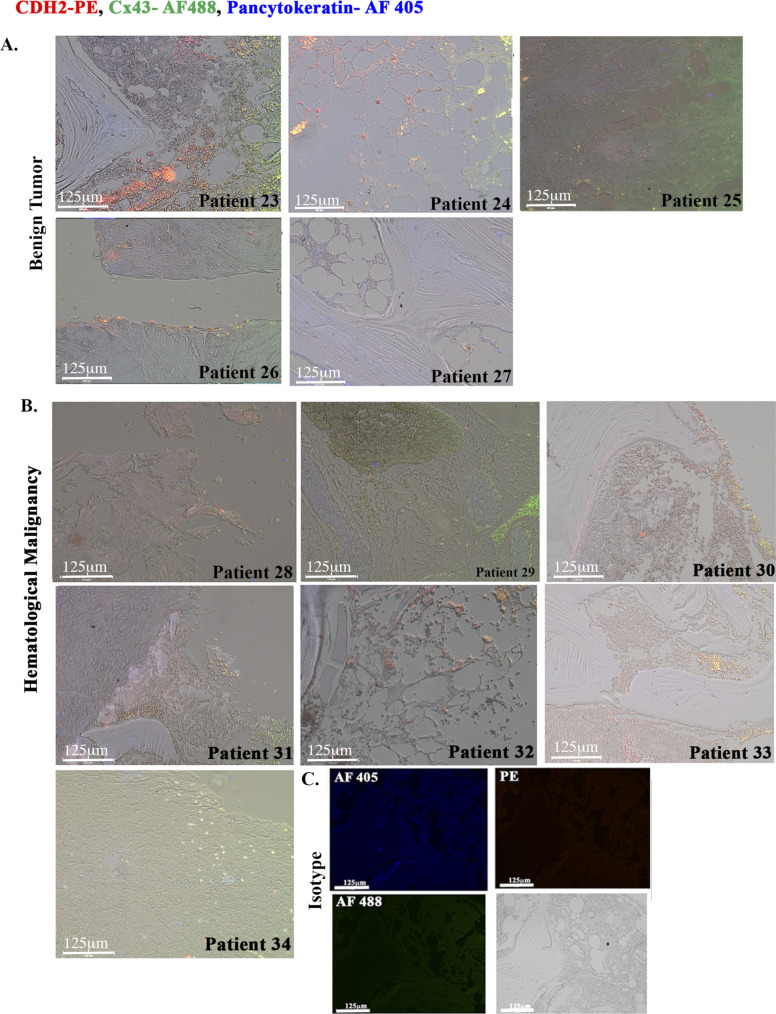
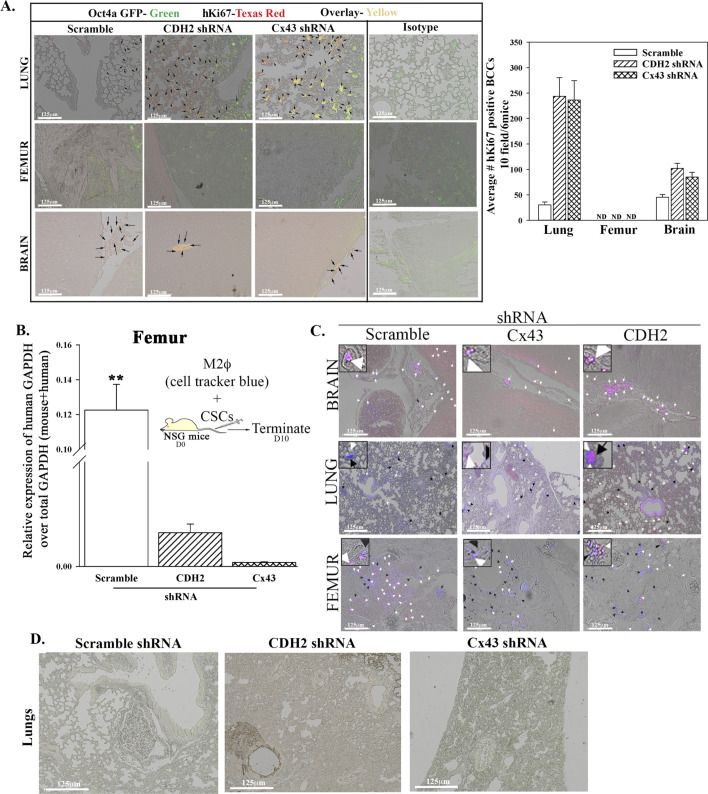
The challenge for treating breast cancer (BC) is partly due to long-term dormancy driven by cancer stem cells (CSCs) capable of evading immune response and resist chemotherapy. BC cells show preference for the BM, resulting in poor prognosis. CSCs use connexin 43 (Cx43) to form gap junctional intercellular communication with BM niche cells, fibroblasts, and mesenchymal stem cells (MSCs). However, Cx43 is an unlikely target to reverse BC dormancy because of its role as a hematopoietic regulator. We found N-cadherin (CDH2) and its associated pathways as potential drug targets. CDH2, highly expressed in CSCs, interacts intracellularly with Cx43, colocalizes with Cx43 in BC cells within BM biopsies of patients, and is required for Cx43-mediated gap junctional intercellular communication with BM niche cells. Notably, CDH2 and anti-apoptotic pathways maintained BC dormancy. We thereby propose these pathways as potential pharmacological targets to prevent dormancy and chemosensitize resistant CSCs.
治疗乳腺癌 (BC) 的挑战部分源于癌症干细胞 (CSC) 驱动的长期休眠,CSC 能够逃避免疫反应并抵抗化疗。BC 细胞对 BM 有偏好,导致预后不良。CSC 使用连接蛋白 43 (Cx43) 与 BM 龛细胞、成纤维细胞和间充质干细胞 (MSCs) 形成缝隙连接细胞间通讯。然而,由于 Cx43 作为造血调节剂的作用,它不太可能成为逆转 BC 休眠的目标。我们发现 N-钙黏蛋白 (CDH2) 及其相关途径是潜在的药物靶点。CDH2 在 CSC 中高表达,与 Cx43 胞内相互作用,在患者 BM 活检中的 BC 细胞内与 Cx43 共定位,并与 Cx43 介导的与 BM 龛细胞的缝隙连接细胞间通讯有关。值得注意的是,CDH2 和抗细胞凋亡途径维持了 BC 的休眠。因此,我们提出这些途径作为预防休眠和增敏耐药 CSC 的潜在药理靶点。