School of Biochemistry & Immunology, Trinity Biomedical Sciences Institute and Trinity College Institute of Neuroscience, Trinity College Dublin, Dublin, Rep. of Ireland.
Discipline of Physiology, School of Medicine, Trinity College Dublin, Dublin, Rep. of Ireland.
Alzheimers Dement. 2021 Oct;17(10):1735-1755. doi: 10.1002/alz.12341. Epub 2021 Jun 3.
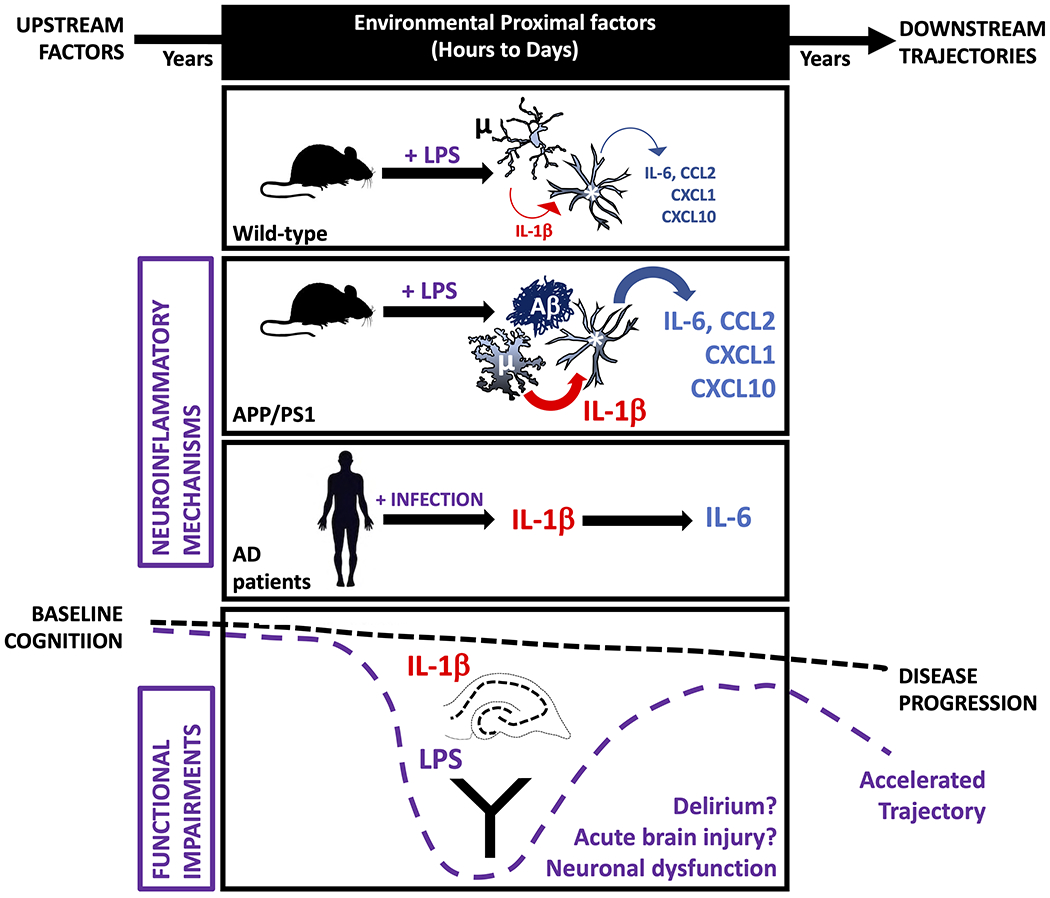
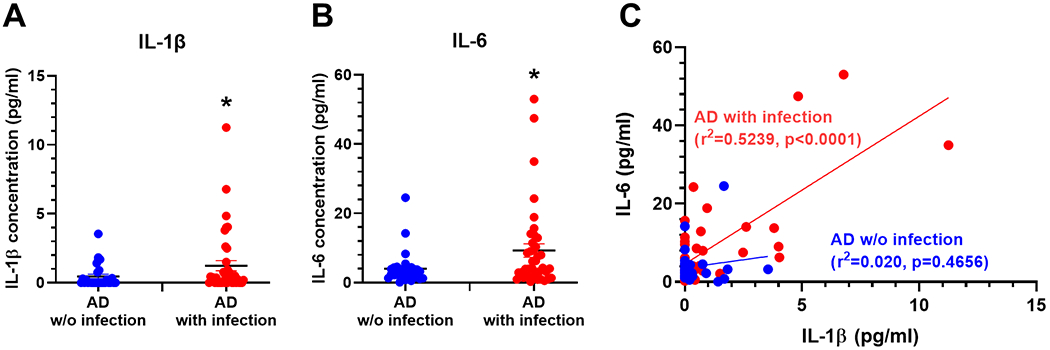
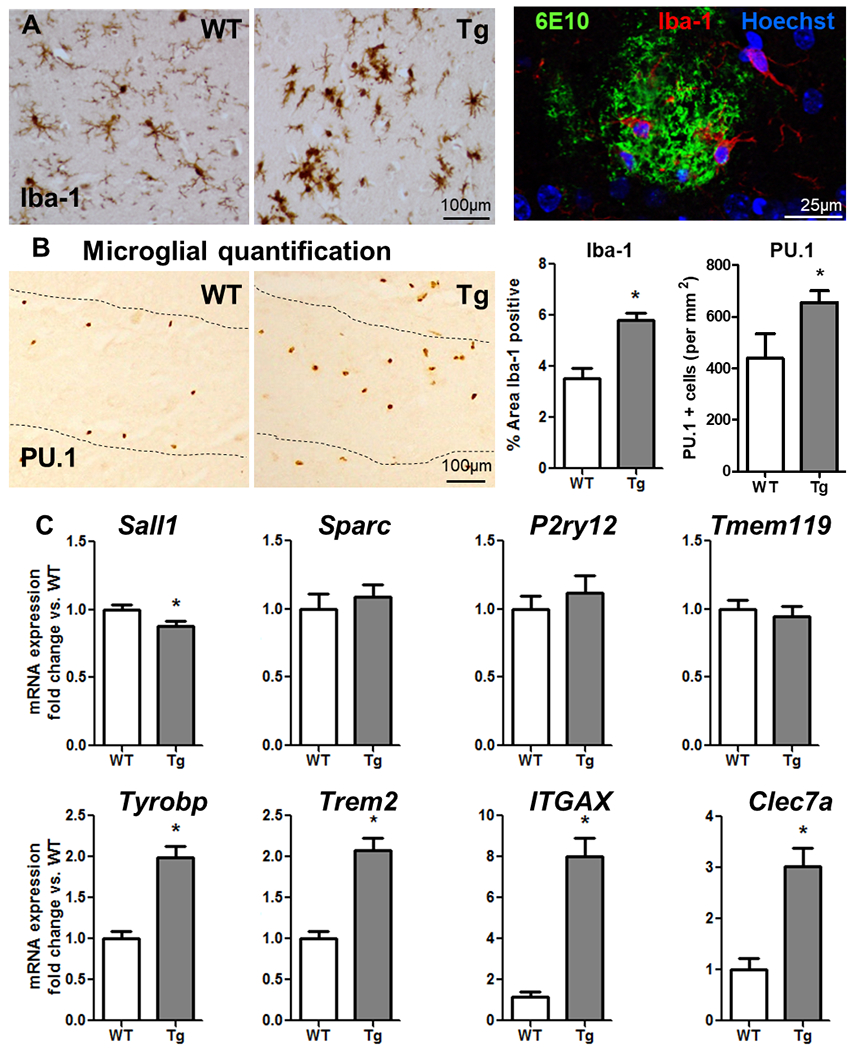
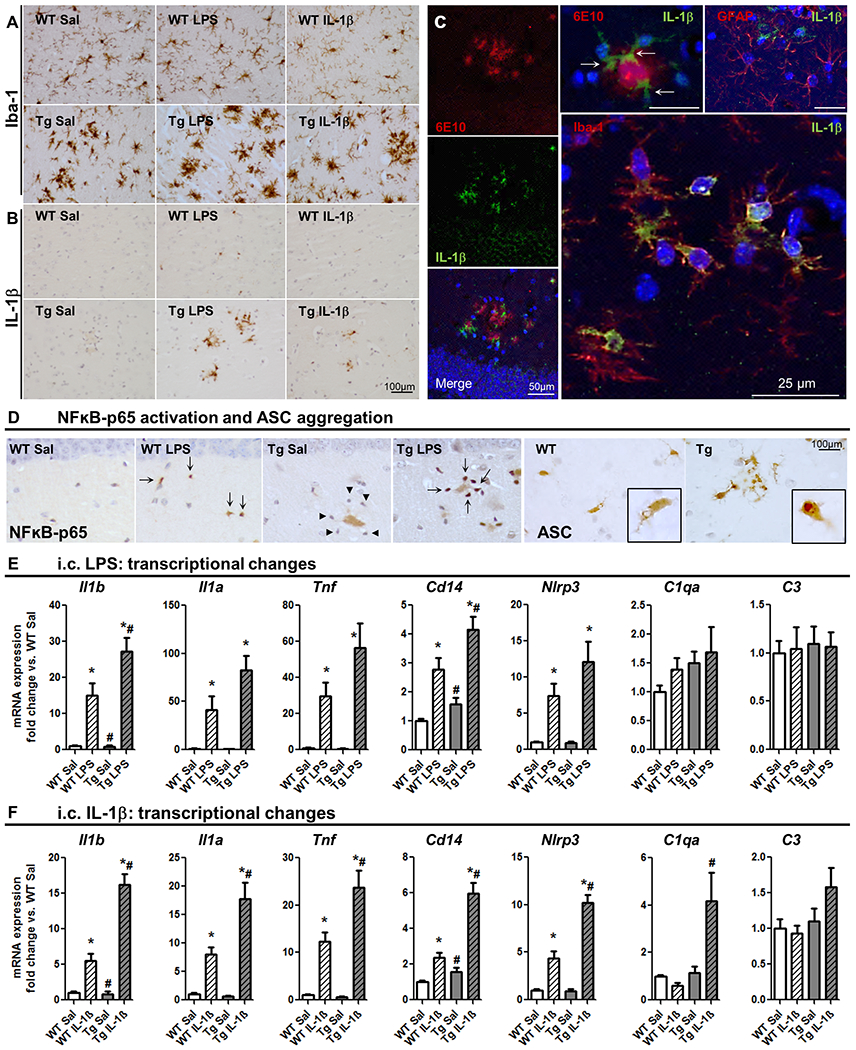
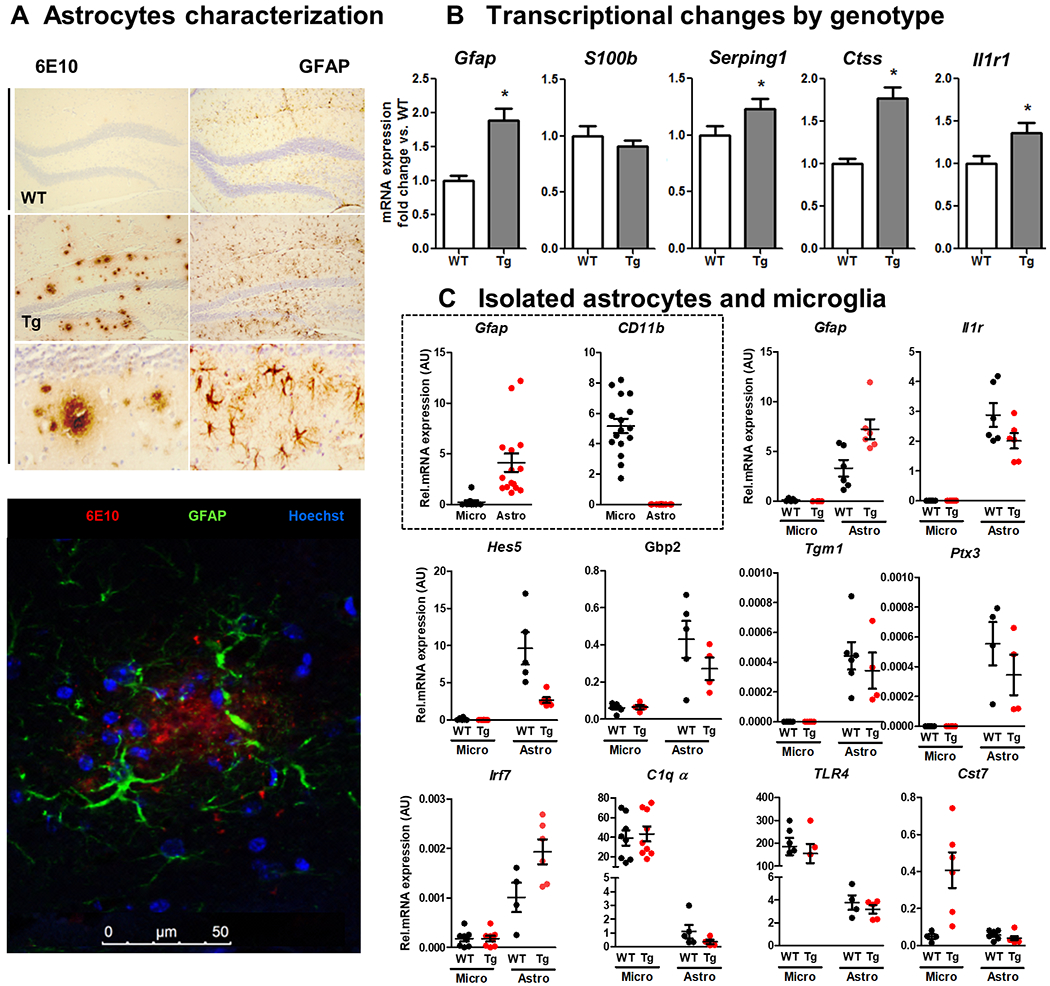
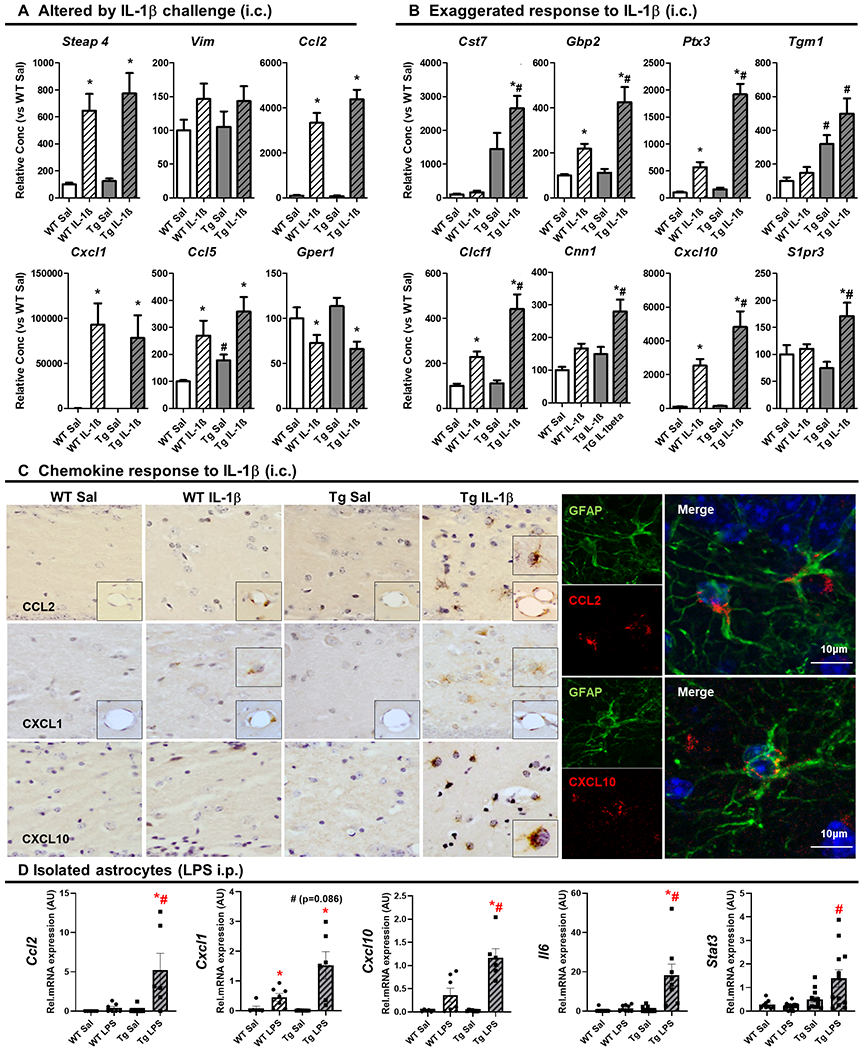
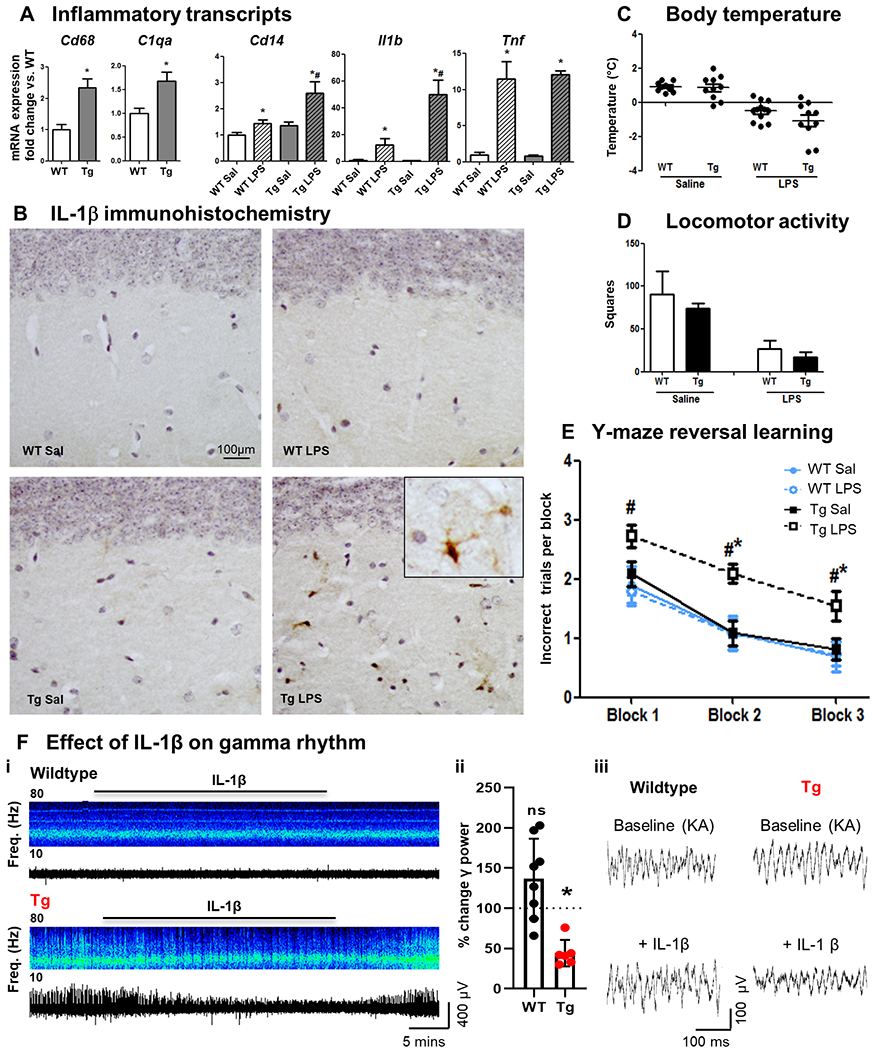
Neuroinflammation contributes to Alzheimer's disease (AD) progression. Secondary inflammatory insults trigger delirium and can accelerate cognitive decline. Individual cellular contributors to this vulnerability require elucidation. Using APP/PS1 mice and AD brain, we studied secondary inflammatory insults to investigate hypersensitive responses in microglia, astrocytes, neurons, and human brain tissue. The NLRP3 inflammasome was assembled surrounding amyloid beta, and microglia were primed, facilitating exaggerated interleukin-1β (IL-1β) responses to subsequent LPS stimulation. Astrocytes were primed to produce exaggerated chemokine responses to intrahippocampal IL-1β. Systemic LPS triggered microglial IL-1β, astrocytic chemokines, IL-6, and acute cognitive dysfunction, whereas IL-1β disrupted hippocampal gamma rhythm, all selectively in APP/PS1 mice. Brains from AD patients with infection showed elevated IL-1β and IL-6 levels. Therefore, amyloid leaves the brain vulnerable to secondary inflammation at microglial, astrocytic, neuronal, and cognitive levels, and infection amplifies neuroinflammatory cytokine synthesis in humans. Exacerbation of neuroinflammation to produce deleterious outcomes like delirium and accelerated disease progression merits careful investigation in humans.
神经炎症是导致阿尔茨海默病(AD)进展的原因之一。继发的炎症损伤会引发谵妄,并加速认知能力下降。需要阐明导致这种易感性的个体细胞贡献。我们使用 APP/PS1 小鼠和 AD 大脑研究了继发炎症损伤,以研究小胶质细胞、星形胶质细胞、神经元和人脑组织中的超敏反应。NLRP3 炎性体围绕淀粉样β聚集,小胶质细胞被预先激活,促进对随后 LPS 刺激的过度白细胞介素-1β (IL-1β) 反应。星形胶质细胞被预先激活,以产生对海马内 IL-1β 的过度趋化因子反应。系统性 LPS 触发小胶质细胞的 IL-1β、星形胶质细胞的趋化因子、IL-6 和急性认知功能障碍,而 IL-1β 破坏海马γ节律,这些仅在 APP/PS1 小鼠中发生。感染 AD 患者的大脑中显示出升高的 IL-1β 和 IL-6 水平。因此,淀粉样蛋白使大脑在小胶质细胞、星形胶质细胞、神经元和认知水平上易受继发炎症影响,感染会在人类中放大神经炎症细胞因子的合成。为了产生谵妄和加速疾病进展等有害后果,加剧神经炎症值得在人类中进行仔细研究。