Department of Pharmacology and Physiology, Drexel University College of Medicine, Philadelphia, PA, United States.
Division of Infectious Diseases and HIV Medicine, Drexel University College of Medicine, Philadelphia, PA, United States.
Front Immunol. 2021 May 19;12:663061. doi: 10.3389/fimmu.2021.663061. eCollection 2021.
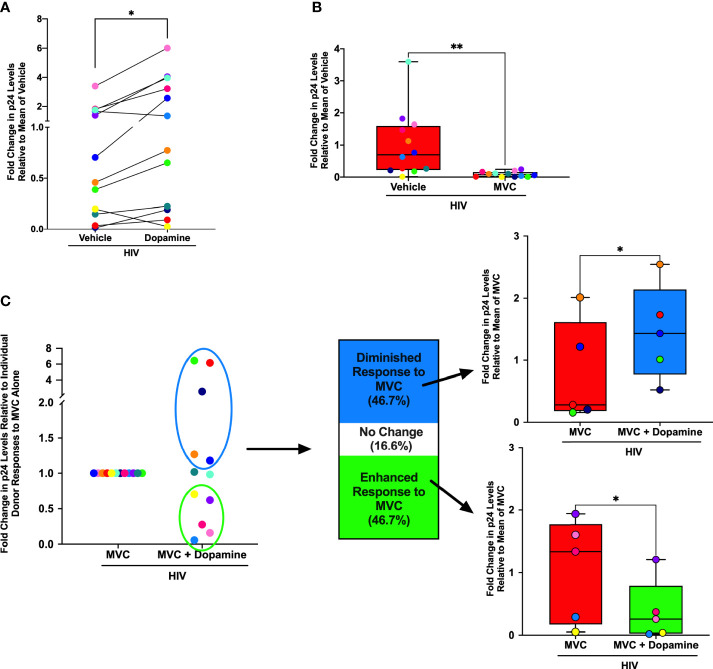
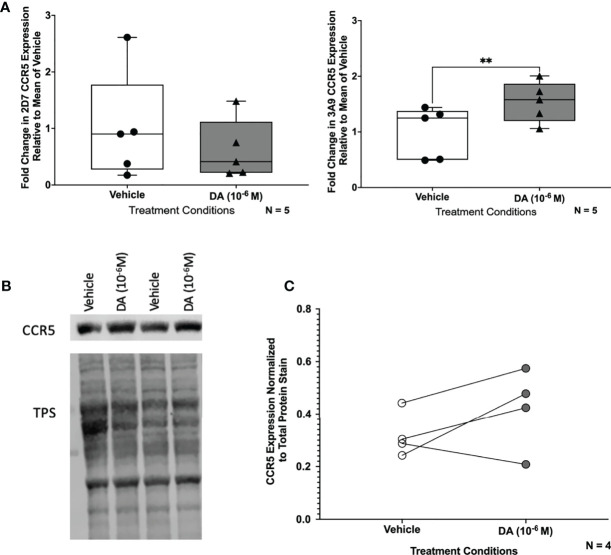
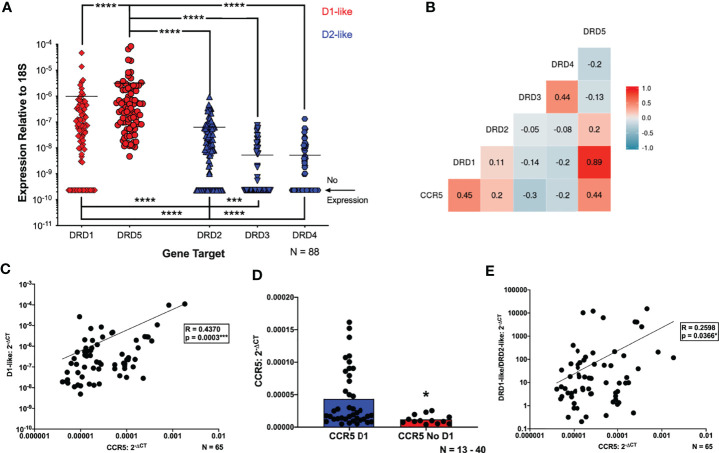
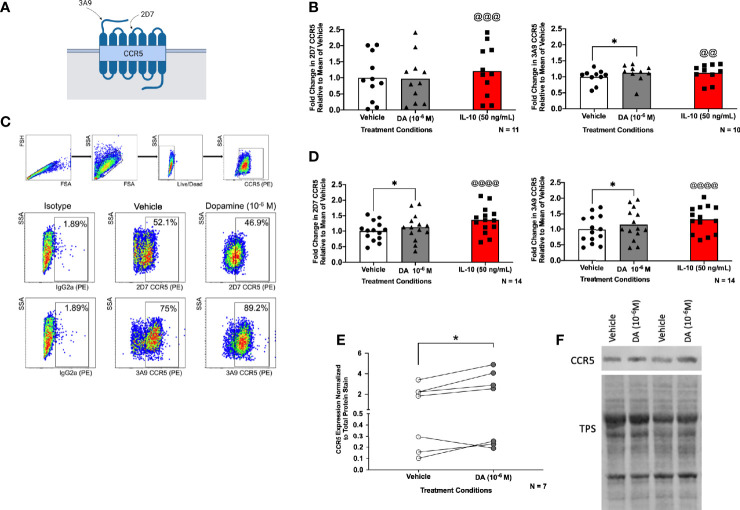
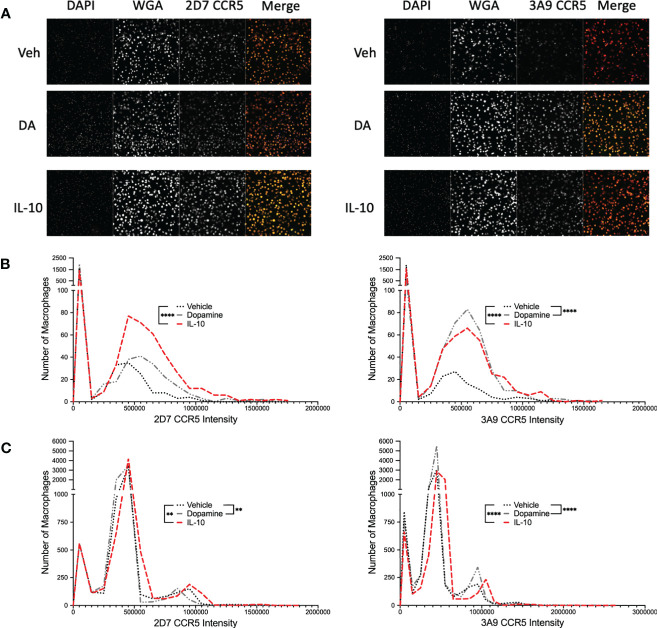
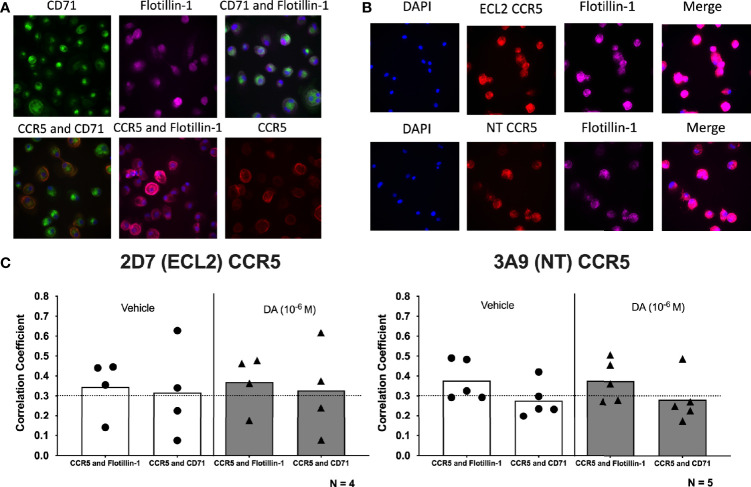
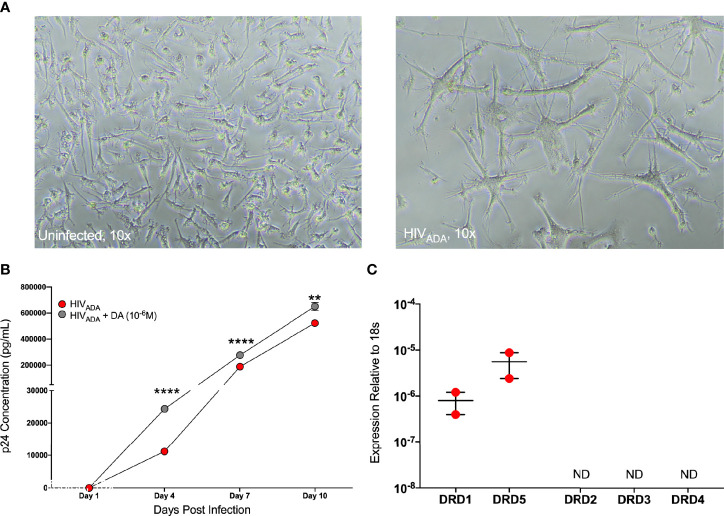
Despite widespread use of antiretroviral therapy (ART), HIV remains a major public health issue. Even with effective ART many infected individuals still suffer from the constellation of neurological symptoms now known as neuroHIV. These symptoms can be exacerbated by substance abuse, a common comorbidity among HIV-infected individuals. The mechanism(s) by which different types of drugs impact neuroHIV remains unclear, but all drugs of abuse increase central nervous system (CNS) dopamine and elevated dopamine increases HIV infection and inflammation in human myeloid cells including macrophages and microglia, the primary targets for HIV in the brain. Thus, drug-induced increases in CNS dopamine may be a common mechanism by which distinct addictive substances alter neuroHIV. Myeloid cells are generally infected by HIV strains that use the chemokine receptor CCR5 as a co-receptor, and our data indicate that in a subset of individuals, drug-induced levels of dopamine could interfere with the effectiveness of the CCR5 inhibitor Maraviroc. CCR5 can adopt distinct conformations that differentially regulate the efficiency of HIV entry and subsequent replication and using qPCR, flow cytometry, Western blotting and high content fluorescent imaging, we show that dopamine alters the expression of specific CCR5 conformations of CCR5 on the surface of human macrophages. These changes are not affected by association with lipid rafts, but do correlate with dopamine receptor gene expression levels, specifically higher levels of D1-like dopamine receptors. These data also demonstrate that dopamine increases HIV replication and alters CCR5 conformations in human microglia similarly to macrophages. These data support the importance of dopamine in the development of neuroHIV and indicate that dopamine signaling pathways should be examined as a target in antiretroviral therapies specifically tailored to HIV-infected drug abusers. Further, these studies show the potential immunomodulatory role of dopamine, suggesting changes in this neurotransmitter may also affect the progression of other diseases.
尽管广泛使用抗逆转录病毒疗法(ART),但 HIV 仍然是一个主要的公共卫生问题。即使有有效的 ART,许多感染个体仍然遭受现在称为神经 HIV 的一系列神经症状的困扰。这些症状可能会因滥用药物而加剧,而滥用药物是 HIV 感染者常见的合并症。不同类型的药物影响神经 HIV 的机制尚不清楚,但所有滥用药物都会增加中枢神经系统(CNS)多巴胺的水平,而升高的多巴胺会增加 HIV 感染和炎症,包括巨噬细胞和小胶质细胞,这是 HIV 在大脑中的主要靶标。因此,药物引起的中枢神经系统多巴胺增加可能是不同成瘾物质改变神经 HIV 的共同机制。髓样细胞通常被使用趋化因子受体 CCR5 作为共受体的 HIV 株感染,我们的数据表明,在一部分个体中,药物诱导的多巴胺水平可能会干扰 CCR5 抑制剂马拉维若的有效性。CCR5 可以采用不同的构象,从而差异调节 HIV 进入和随后复制的效率,并且我们使用 qPCR、流式细胞术、Western blot 和高内涵荧光成像,表明多巴胺改变了人巨噬细胞表面 CCR5 的特定 CCR5 构象的表达。这些变化不受与脂筏结合的影响,但与多巴胺受体基因表达水平相关,特别是 D1 样多巴胺受体水平较高。这些数据还表明,多巴胺增加 HIV 复制并改变人小胶质细胞中的 CCR5 构象,与巨噬细胞相似。这些数据支持多巴胺在神经 HIV 发展中的重要性,并表明应在专门针对 HIV 感染药物滥用者的抗逆转录病毒治疗中检查多巴胺信号通路作为靶点。此外,这些研究表明多巴胺具有潜在的免疫调节作用,表明这种神经递质的变化也可能影响其他疾病的进展。