Plant-Microbe Interactions, Department of Biology, Science4Life, Utrecht University, Utrecht, The Netherlands.
Ecology and Biodiversity, Department of Biology, Science4Life, Utrecht University, Utrecht, The Netherlands.
mBio. 2021 Jun 29;12(3):e0092721. doi: 10.1128/mBio.00927-21. Epub 2021 Jun 8.
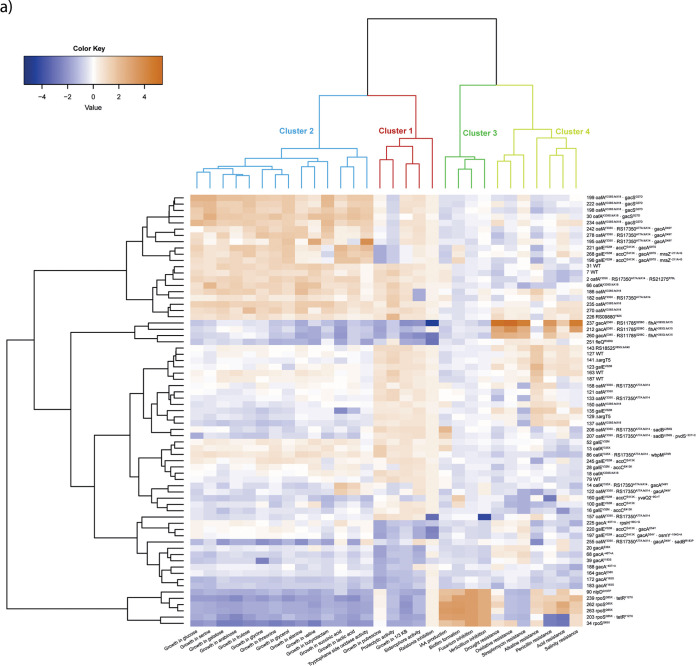
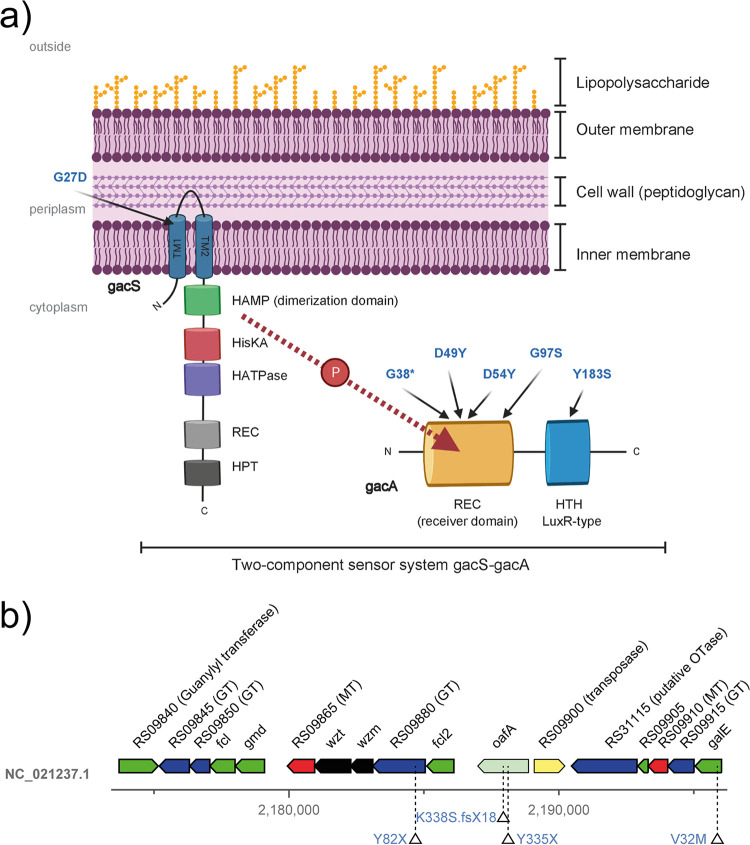
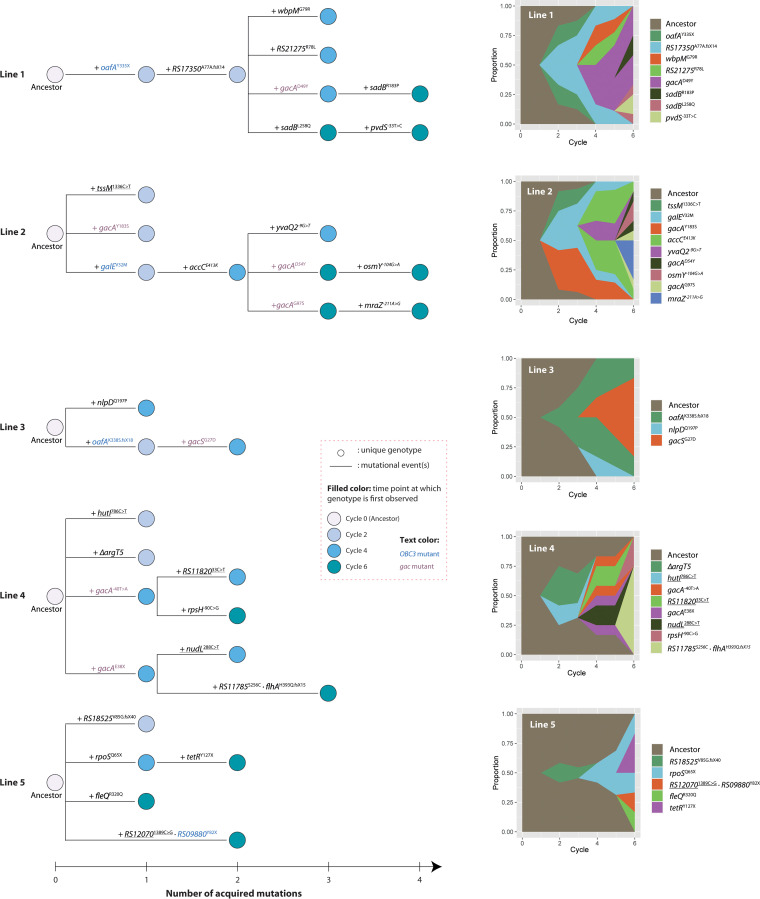
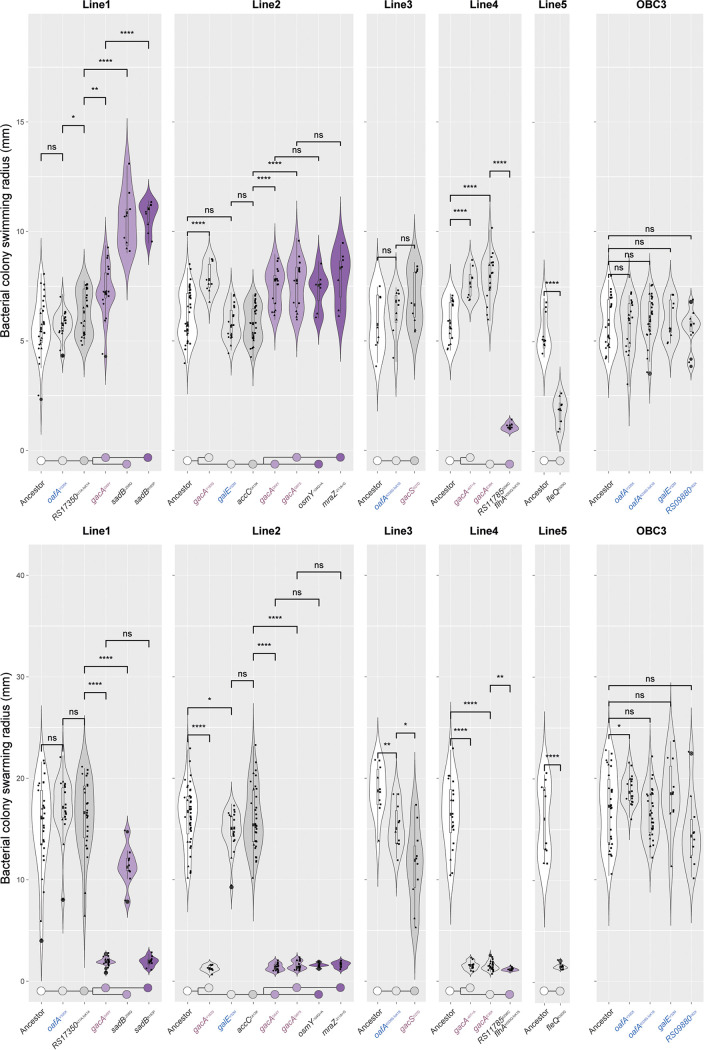
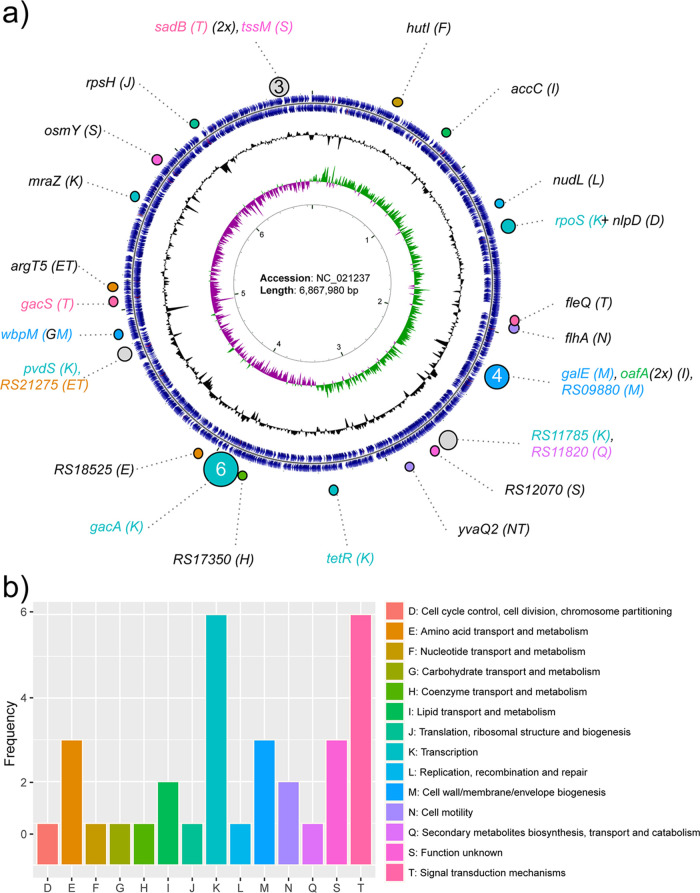
Beneficial plant root-associated microorganisms carry out a range of functions that are essential for plant performance. Establishment of a bacterium on plant roots, however, requires overcoming several challenges, including competition with neighboring microorganisms and host immunity. Forward and reverse genetics have led to the identification of mechanisms that are used by beneficial microorganisms to overcome these challenges, such as the production of iron-chelating compounds, the formation of strong biofilms, or the concealment of characteristic microbial molecular patterns that trigger the host immune system. However, how such mechanisms arose from an evolutionary perspective is much less understood. To study bacterial adaptation in the rhizosphere, we employed experimental evolution to track the physiological and genetic dynamics of root-dwelling Pseudomonas protegens in the Arabidopsis thaliana rhizosphere under axenic conditions. This simplified binary one plant/one bacterium system allows for the amplification of key adaptive mechanisms for bacterial rhizosphere colonization. We identified 35 mutations, including single-nucleotide polymorphisms, insertions, and deletions, distributed over 28 genes. We found that mutations in genes encoding global regulators and in genes for siderophore production, cell surface decoration, attachment, and motility accumulated in parallel, underlining the finding that bacterial adaptation to the rhizosphere follows multiple strategies. Notably, we observed that motility increased in parallel across multiple independent evolutionary lines. All together, these results underscore the strength of experimental evolution in identifying key genes, pathways, and processes for bacterial rhizosphere colonization and a methodology for the development of elite beneficial microorganisms with enhanced root-colonizing capacities that can support sustainable agriculture in the future. Beneficial root-associated microorganisms carry out many functions that are essential for plant performance. Establishment of a bacterium on plant roots, however, requires overcoming many challenges. Previously, diverse mechanisms that are used by beneficial microorganisms to overcome these challenges were identified. However, how such mechanisms have developed from an evolutionary perspective is much less understood. Here, we employed experimental evolution to track the evolutionary dynamics of a root-dwelling pseudomonad on the root of . We found that mutations in global regulators, as well as in genes for siderophore production, cell surface decoration, attachment, and motility, accumulate in parallel, emphasizing these strategies for bacterial adaptation to the rhizosphere. We identified 35 mutations distributed over 28 genes. All together, our results demonstrate the power of experimental evolution in identifying key pathways for rhizosphere colonization and a methodology for the development of elite beneficial microorganisms that can support sustainable agriculture.
有益的植物根相关微生物执行多种功能,这些功能对植物的表现至关重要。然而,在植物根上建立细菌需要克服许多挑战,包括与邻近微生物的竞争和宿主免疫。正向和反向遗传学已经导致鉴定出有益微生物用来克服这些挑战的机制,例如产生铁螯合物、形成强生物膜或隐藏引发宿主免疫系统的特征微生物分子模式。然而,从进化的角度来看,这些机制是如何产生的就知之甚少了。为了研究根际中的细菌适应性,我们采用实验进化来跟踪拟南芥根际中定居的假单胞菌在无菌条件下的生理和遗传动态。这个简化的二元系统,即一个植物/一个细菌系统,允许对细菌根际定殖的关键适应性机制进行放大。我们鉴定了 35 个突变,包括单核苷酸多态性、插入和缺失,分布在 28 个基因上。我们发现,编码全局调节剂和铁载体产生、细胞表面修饰、附着和运动的基因中的突变是平行积累的,这强调了细菌对根际的适应遵循多种策略的发现。值得注意的是,我们观察到多个独立进化系中的运动平行增加。总的来说,这些结果强调了实验进化在鉴定细菌根际定殖的关键基因、途径和过程方面的优势,以及一种用于开发具有增强的根定植能力的优良有益微生物的方法,这些微生物能够支持未来的可持续农业。