Department of Life Science, Chung-Ang University, Seoul, 06974, Republic of Korea.
Graduate School of Energy and Environment (KU-KIST Green School), Korea University, Seoul, 02841, Republic of Korea.
Sci Rep. 2021 Jun 8;11(1):12106. doi: 10.1038/s41598-021-91117-2.
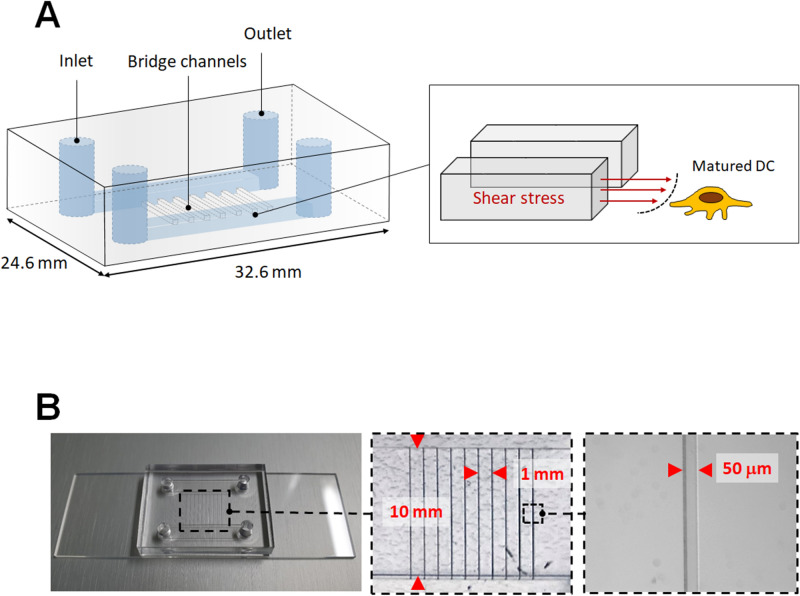
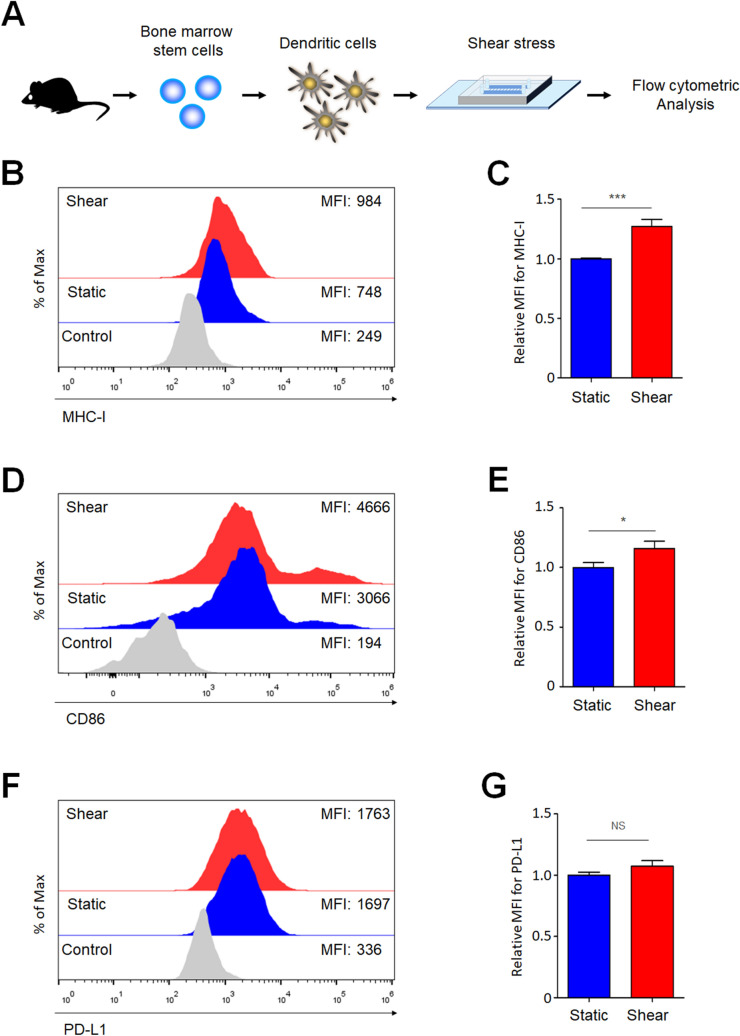
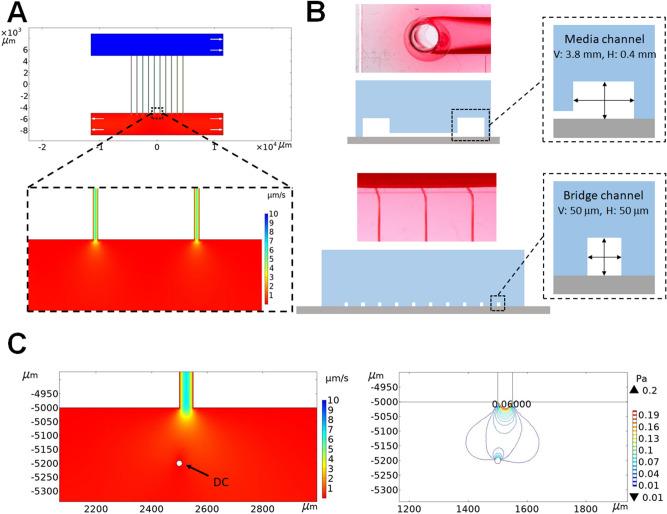
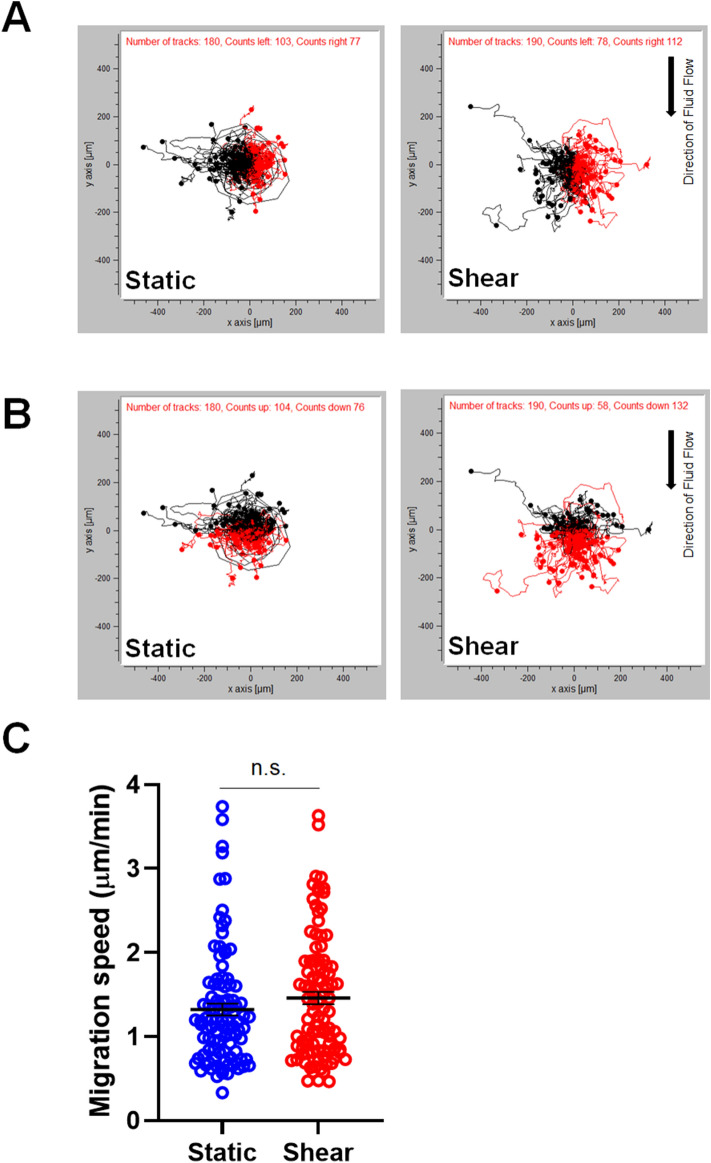
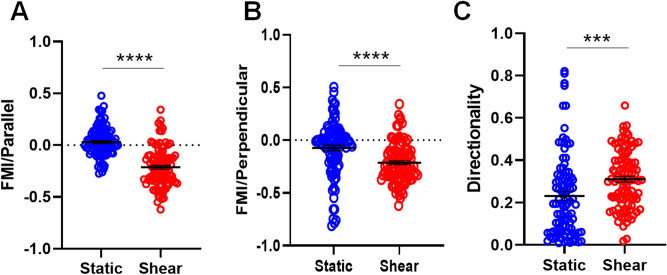
Mechanical forces are pervasive in the inflammatory site where dendritic cells (DCs) are activated to migrate into draining lymph nodes. For example, fluid shear stress modulates the movement patterns of DCs, including directness and forward migration indices (FMIs), without chemokine effects. However, little is known about the effects of biomechanical forces on the activation of DCs. Accordingly, here we fabricated a microfluidics system to assess how biomechanical forces affect the migration and activity of DCs during inflammation. Based on the structure of edema, we proposed and experimentally analyzed a novel concept for a microchip model that mimicked such vascular architecture. The intensity of shear stress generated in our engineered chip was found as 0.2-0.6 dyne/cm by computational simulation; this value corresponded to inflammation in tissues. In this platform, the directness and FMIs of DCs were significantly increased, whereas the migration velocity of DCs was not altered by shear stress, indicating that mechanical stimuli influenced DC migration. Moreover, DCs with shear stress showed increased expression of the DC activation markers MHC class I and CD86 compared with DCs under static conditions. Taken together, these data suggest that the biomechanical forces are important to regulate the migration and activity of DCs.
机械力在炎症部位普遍存在,树突状细胞 (DCs) 在该部位被激活并迁移到引流淋巴结中。例如,流体切应力调节 DCs 的运动模式,包括直接性和前进迁移指数 (FMIs),而不受趋化因子的影响。然而,对于生物力学力对 DCs 激活的影响知之甚少。因此,我们在这里制造了一个微流控系统来评估生物力学力如何影响炎症期间 DCs 的迁移和活性。基于水肿的结构,我们提出并实验分析了一种模仿这种血管结构的新型微芯片模型概念。通过计算模拟发现,我们设计的芯片中产生的切应力强度为 0.2-0.6 达因/平方厘米;这个值对应于组织中的炎症。在这个平台上,DCs 的直接性和 FMIs 显著增加,而切应力并不改变 DCs 的迁移速度,这表明机械刺激影响了 DCs 的迁移。此外,与静态条件下的 DCs 相比,具有切应力的 DCs 表现出更高的 DC 激活标志物 MHC 类 I 和 CD86 的表达。总之,这些数据表明生物力学力对于调节 DCs 的迁移和活性很重要。