Biology Department, Faculty of Sciences, Mohammed V University in Rabat, Morocco; Cheikh Zaïd Hospital, Abulcasis University of Health Sciences, Rabat, Morocco.
Axe Maladies Infectieuses et Immunitaires, Centre de Recherche du Centre Hospitalier Universitaire de Québec-Université Laval, Canada; Centre de Recherche Arthrite, Université Laval, Québec, Canada.
J Allergy Clin Immunol. 2021 Aug;148(2):368-380.e3. doi: 10.1016/j.jaci.2021.05.032. Epub 2021 Jun 7.
Severe acute respiratory syndrome coronavirus 2 (SARS-CoV-2) infection can lead to a variety of clinical outcomes, ranging from the absence of symptoms to severe acute respiratory disease and ultimately death. A feature of patients with severe coronavirus disease 2019 (COVID-19) is the abundance of inflammatory cytokines in the blood. Elevated levels of cytokines are predictive of infection severity and clinical outcome. In contrast, studies aimed at defining the driving forces behind the inflammation in lungs of subjects with severe COVID-19 remain scarce.
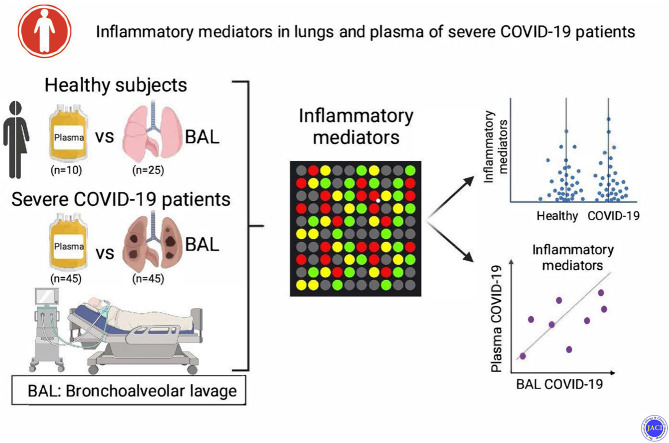
Our aim was to analyze and compare the plasma and bronchoalveolar lavage (BAL) fluids of patients with severe COVID-19 (n = 45) for the presence of cytokines and lipid mediators of inflammation (LMIs).
Cytokines were measured by using Luminex multiplex assay, and LMIs were measured by using liquid chromatography-tandem mass spectrometry.
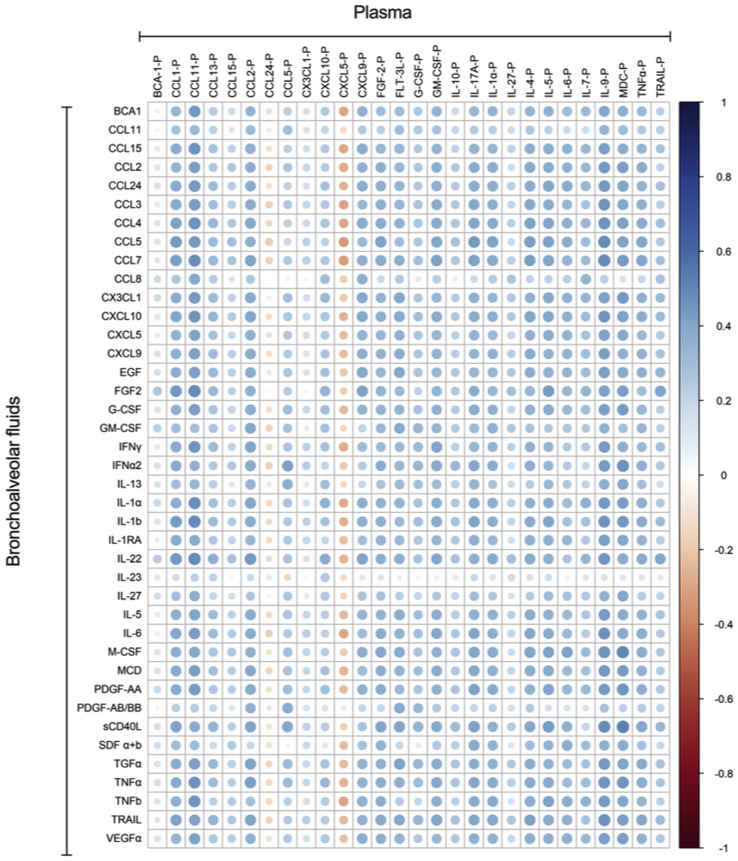
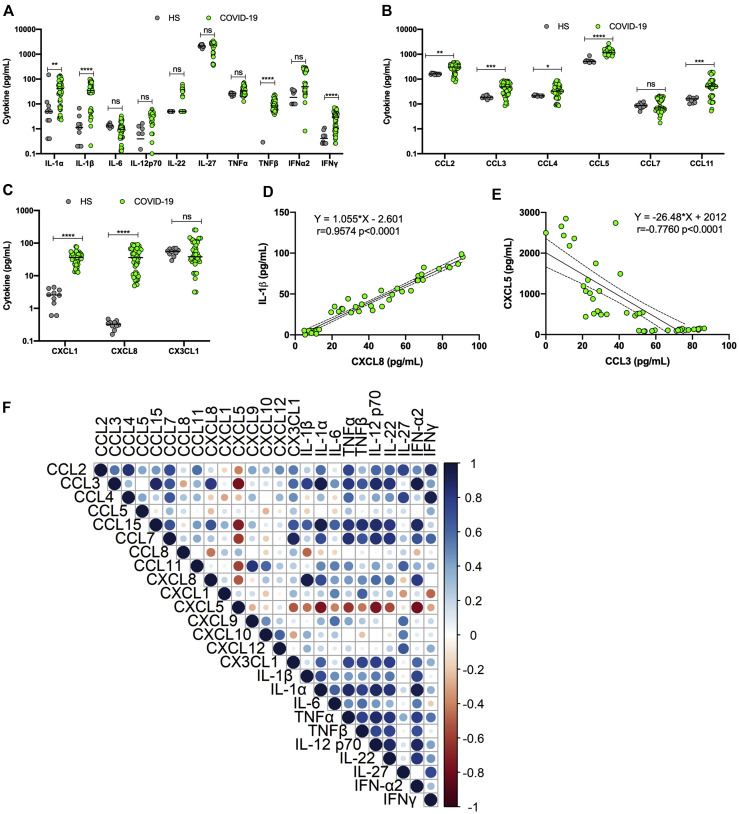
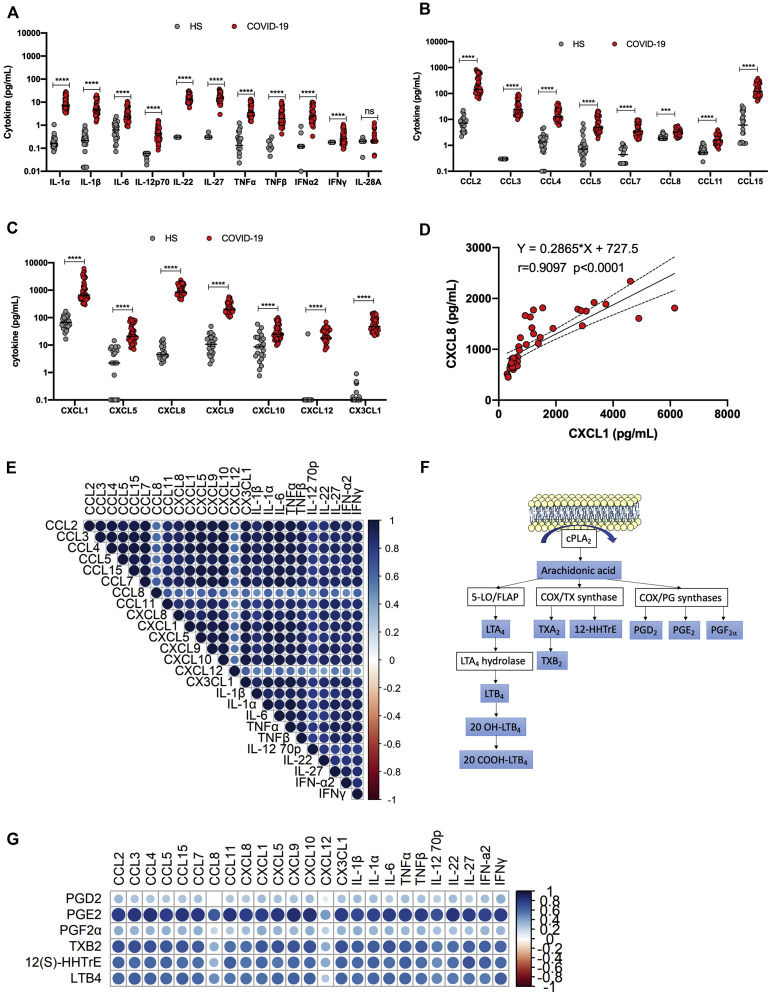
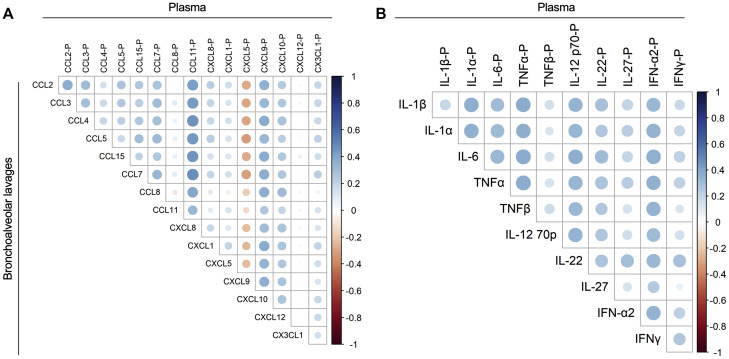
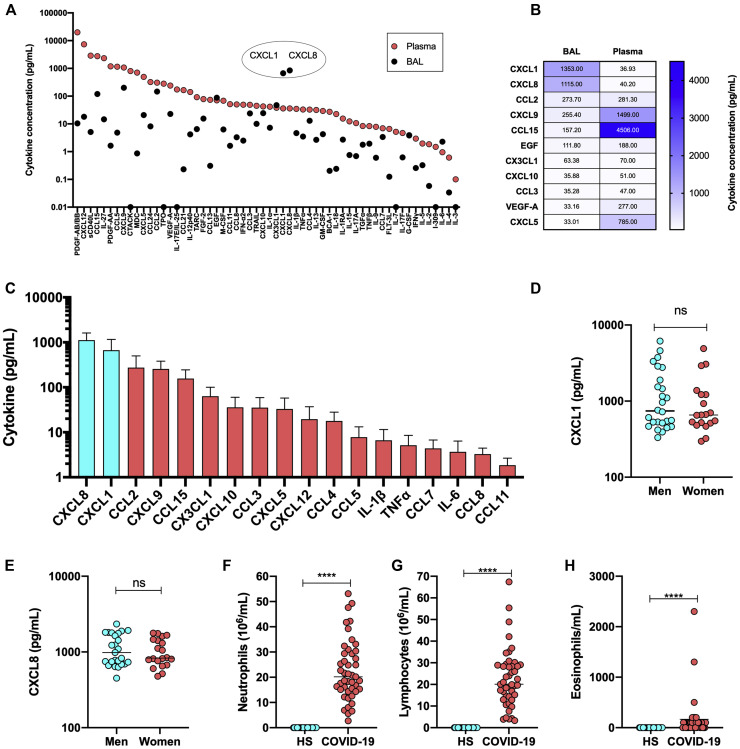
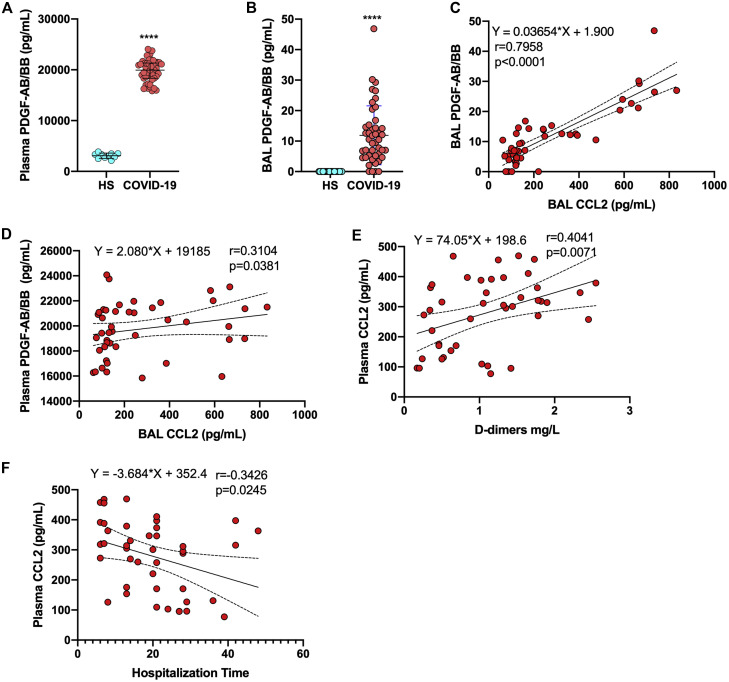
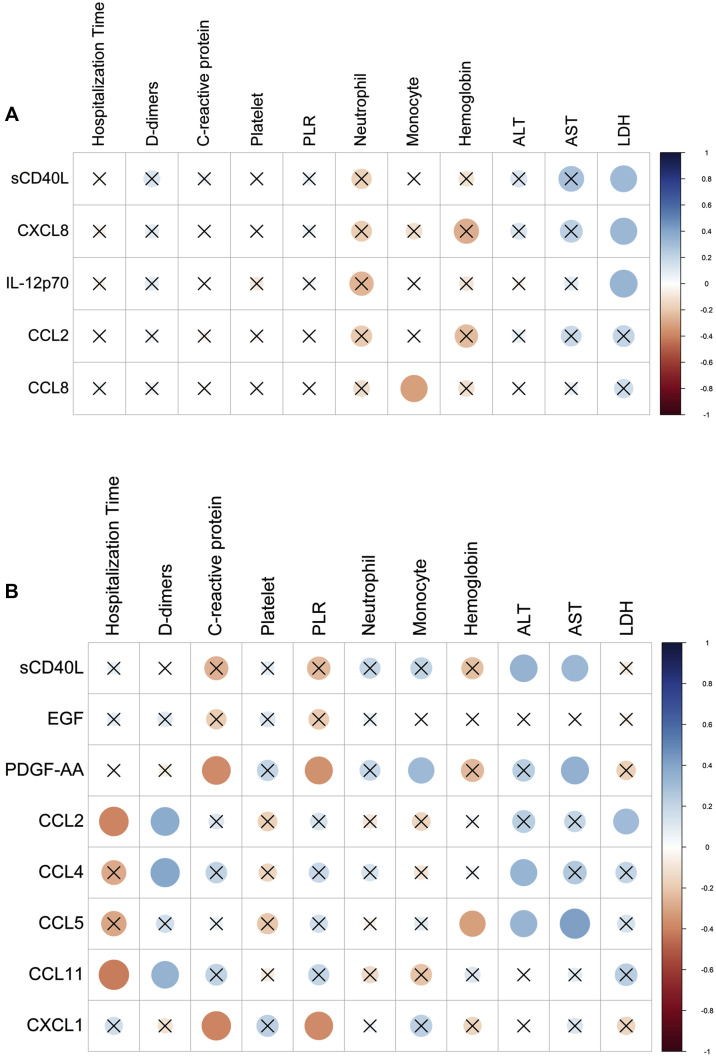
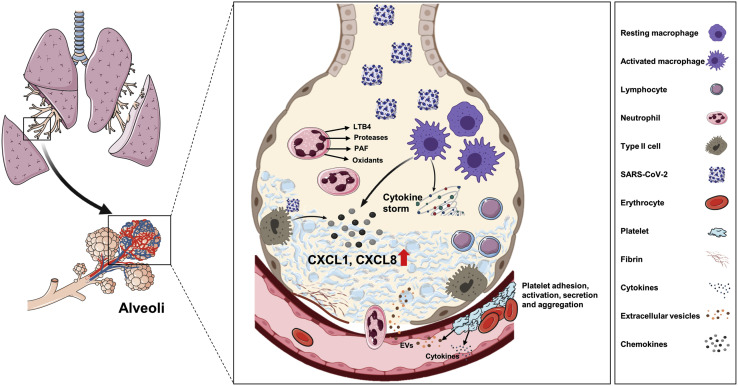
We revealed high concentrations of numerous cytokines, chemokines, and LMIs in the BAL fluid of patients with severe COVID-19. Of the 13 most abundant mediators in BAL fluid, 11 were chemokines, with CXCL1 and CXCL8 being 200 times more abundant than IL-6 and TNF-α. Eicosanoid levels were also elevated in the lungs of subjects with severe COVID-19. Consistent with the presence chemotactic molecules, BAL fluid samples were enriched for neutrophils, lymphocytes, and eosinophils. Inflammatory cytokines and LMIs in plasma showed limited correlations with those present in BAL fluid, arguing that circulating inflammatory molecules may not be a reliable proxy of the inflammation occurring in the lungs of patients with severe COVID-19.
Our findings indicate that hyperinflammation of the lungs of patients with severe COVID-19 is fueled by excessive production of chemokines and eicosanoids. Therapeutic strategies to dampen inflammation in patients with COVID-19 should be tailored accordingly.
严重急性呼吸综合征冠状病毒 2(SARS-CoV-2)感染可导致多种临床结局,从无症状到严重急性呼吸疾病,最终导致死亡。严重 2019 年冠状病毒病(COVID-19)患者的一个特征是血液中炎症细胞因子的丰富。细胞因子水平升高可预测感染严重程度和临床结局。相比之下,旨在确定严重 COVID-19 患者肺部炎症背后驱动力的研究仍然很少。
我们旨在分析和比较 45 例严重 COVID-19 患者的血浆和支气管肺泡灌洗液(BAL)中细胞因子和炎症脂质介质(LMIs)的存在。
通过使用 Luminex 多重分析测定细胞因子,通过液相色谱-串联质谱法测定 LMIs。
我们发现严重 COVID-19 患者的 BAL 液中存在大量细胞因子、趋化因子和 LMIs。在 BAL 液中 13 种最丰富的介质中,有 11 种是趋化因子,其中 CXCL1 和 CXCL8 比 IL-6 和 TNF-α 丰富 200 倍。严重 COVID-19 患者肺部的类二十烷酸水平也升高。与趋化分子的存在一致,BAL 液样本富含中性粒细胞、淋巴细胞和嗜酸性粒细胞。血浆中的炎症细胞因子和 LMIs 与 BAL 液中的细胞因子和 LMIs 相关性有限,这表明循环炎症分子可能不是严重 COVID-19 患者肺部炎症的可靠替代物。
我们的研究结果表明,严重 COVID-19 患者肺部的过度炎症是由趋化因子和类二十烷酸的过度产生所驱动的。针对 COVID-19 患者的抗炎治疗策略应相应调整。