Department of Occupational and Environmental Health, School of Public Health and Management, Chongqing Medical University, Chongqing, 400016, People's Republic of China.
Center of Experimental Teaching for Public Health, Experimental Teaching and Management Center, Chongqing Medical University, Chongqing, 400016, People's Republic of China.
J Nanobiotechnology. 2021 Jun 10;19(1):174. doi: 10.1186/s12951-021-00916-2.
Silicon dioxide nanoparticles (SiONPs) are widely used as additive in the food industry with controversial health risk. Gut microbiota is a new and hot topic in the field of nanotoxicity. It also contributes a novel and insightful view to understand the potential health risk of food-grade SiONPs in children, who are susceptible to the toxic effects of nanoparticles.
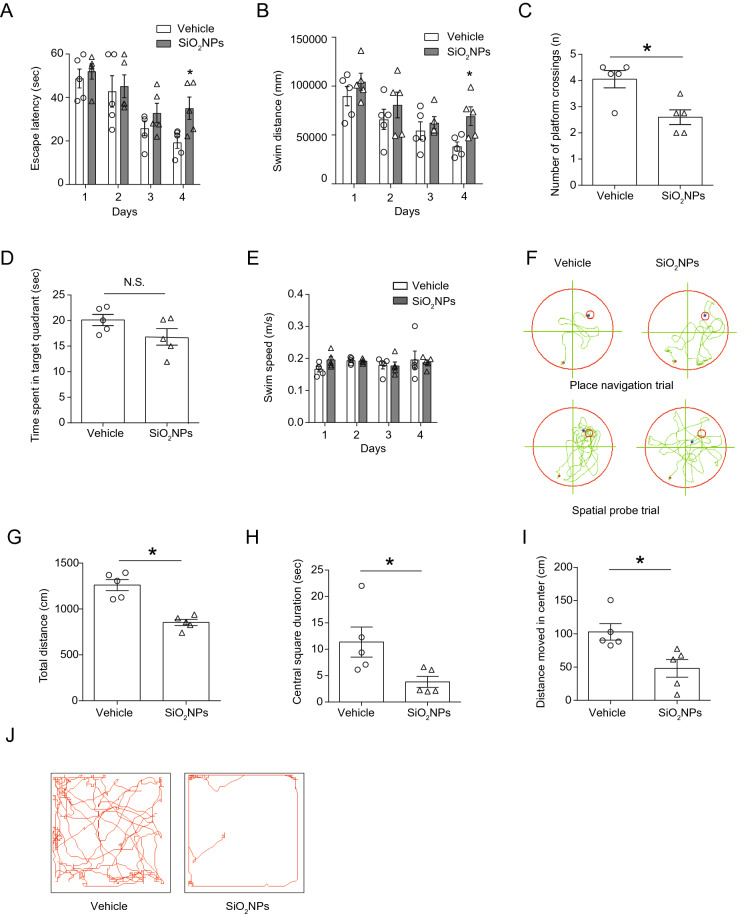
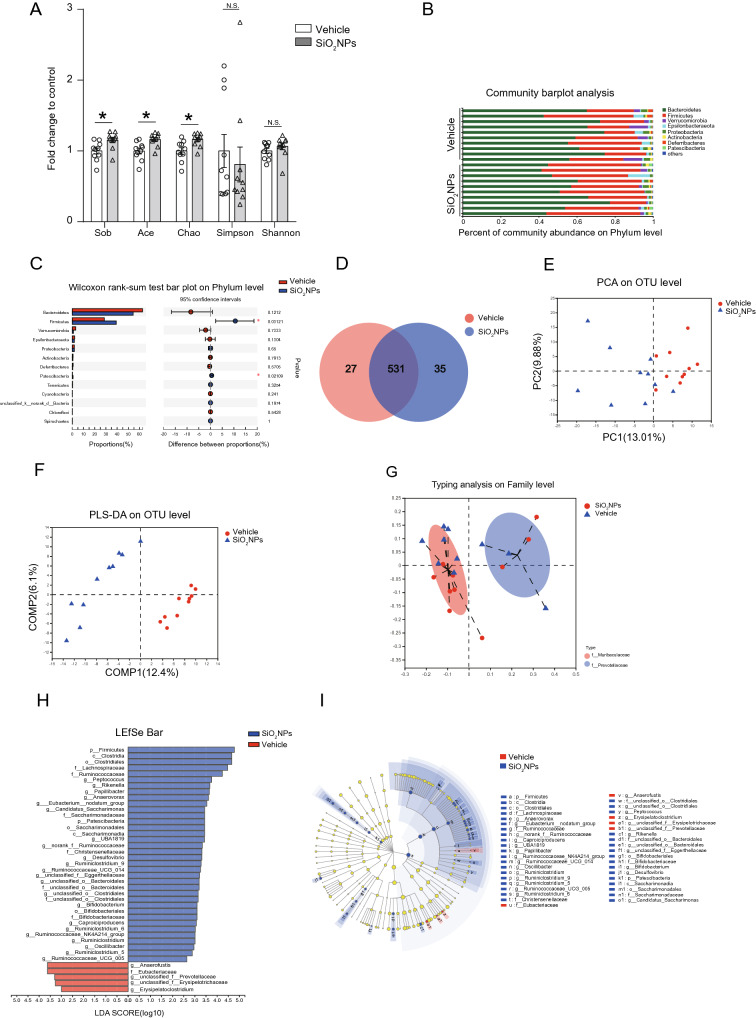
In current study, the young mice were orally administrated with vehicle or SiONPs solution for 28 days. The effects of SiONPs on the gut microbiota were detected by 16S ribosomal RNA (rRNA) gene sequencing, and the neurobehavioral functions were evaluated by open field test and Morris water maze. The level of inflammation, tissue integrity of gut and the classical indicators involved in gut-brain, gut-liver and gut-lung axis were all assessed.
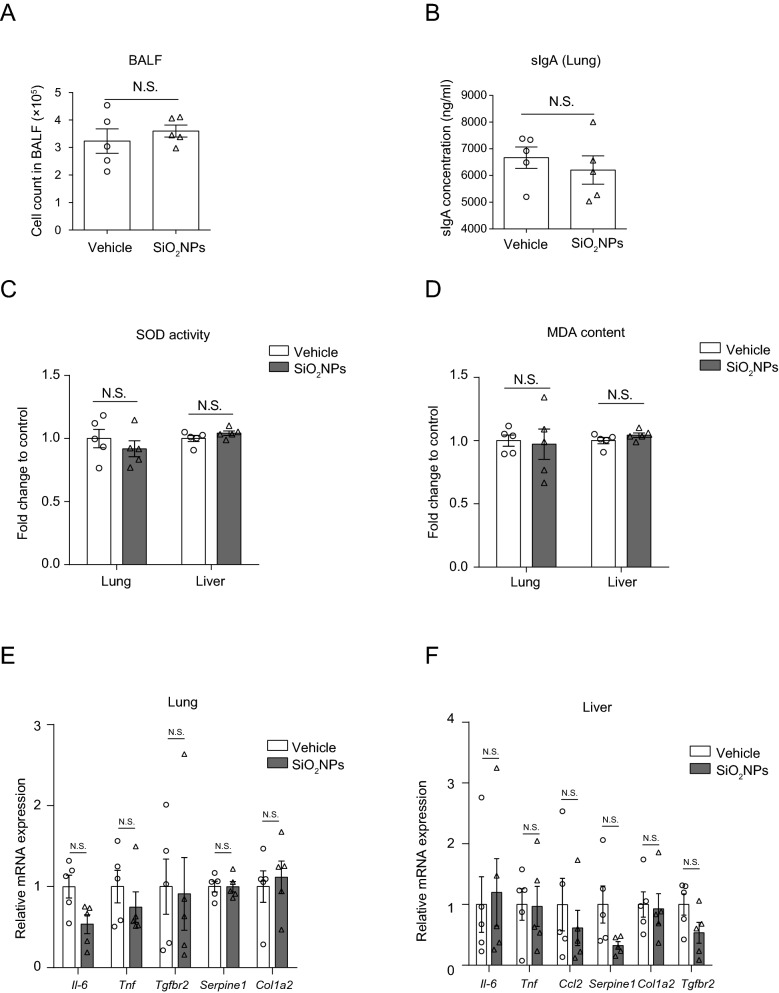
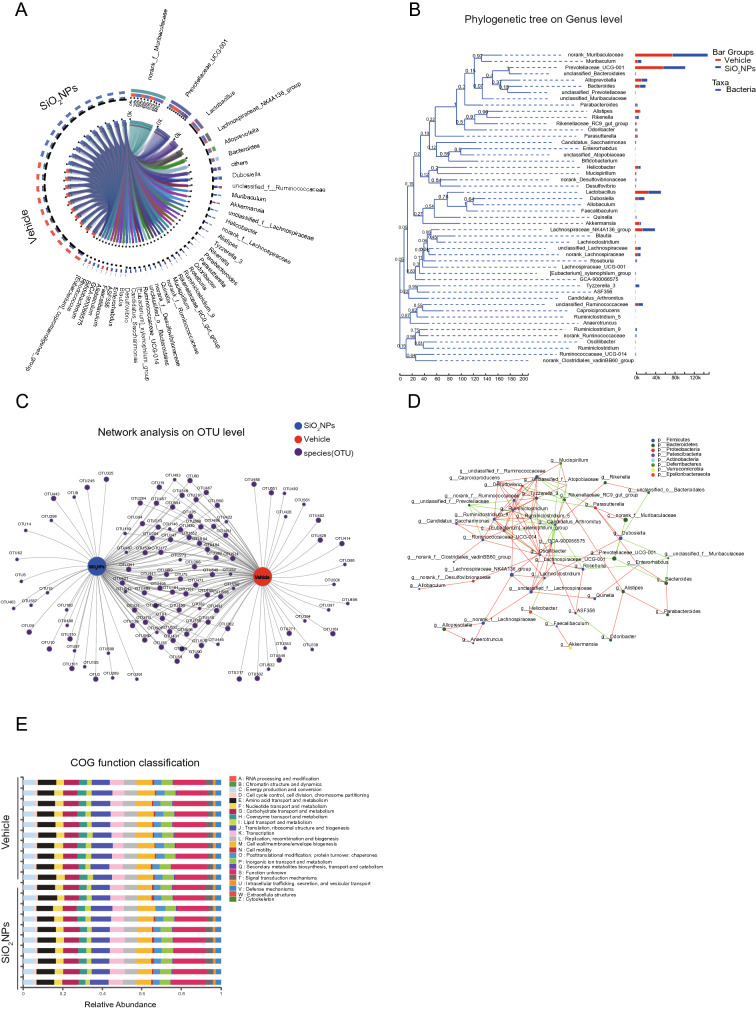
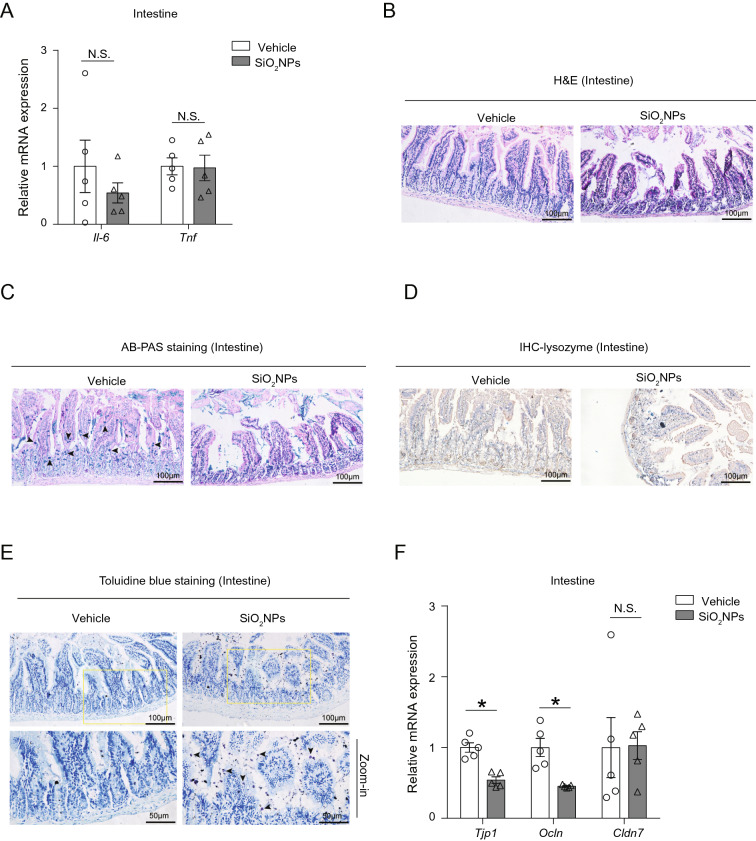
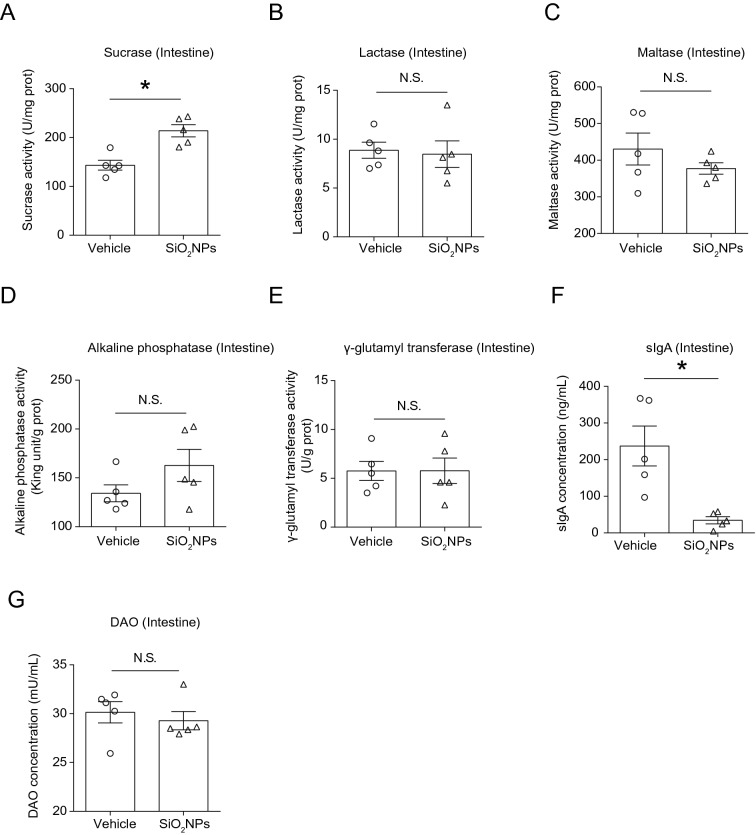
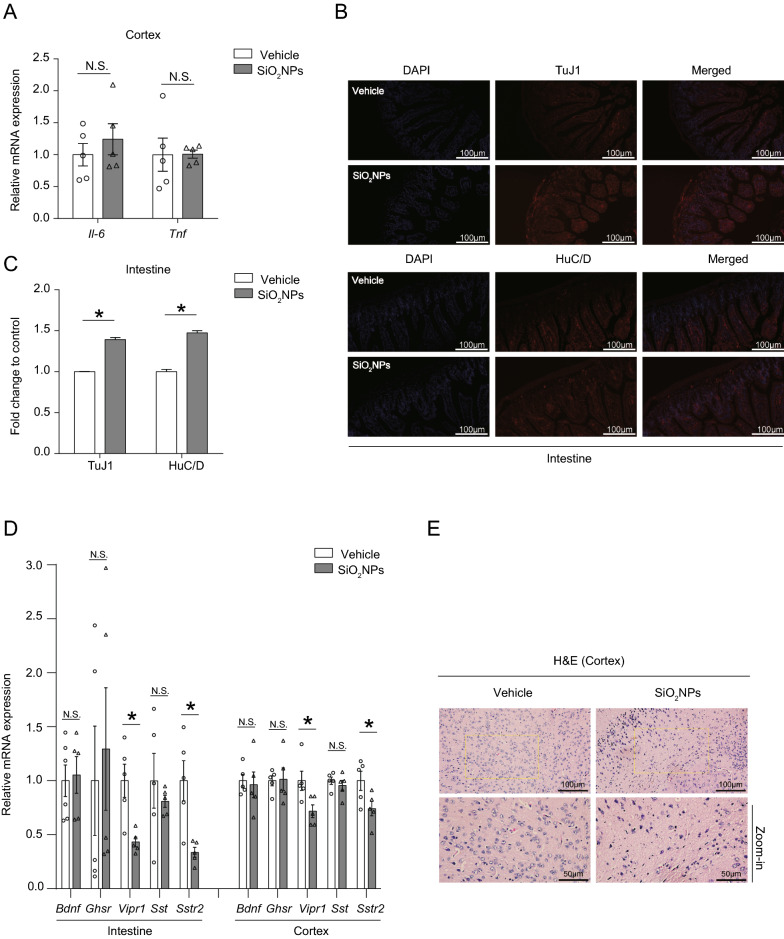
Our results demonstrated that SiONPs significantly caused the spatial learning and memory impairments and locomotor inhibition. Although SiONPs did not trigger evident intestinal or neuronal inflammation, they remarkably damaged the tissue integrity. The microbial diversity within the gut was unexpectedly enhanced in SiONPs-treated mice, mainly manifested by the increased abundances of Firmicutes and Patescibacteria. Intriguingly, we demonstrated for the first time that the neurobehavioral impairments and brain damages induced by SiONPs might be distinctively associated with the disruption of gut-brain axis by specific chemical substances originated from gut, such as Vipr1 and Sstr2. Unapparent changes in liver or lung tissues further suggested the absence of gut-liver axis or gut-lung axis regulation upon oral SiONPs exposure.
This study provides a novel idea that the SiONPs induced neurotoxic effects may occur through distinctive gut-brain axis, showing no significant impact on either gut-lung axis or gut-liver axis. These findings raise the exciting prospect that maintenance and coordination of gastrointestinal functions may be critical for protection against the neurotoxicity of infant foodborne SiONPs.
二氧化硅纳米粒子(SiONPs)作为食品添加剂被广泛应用,但存在健康风险争议。肠道微生物群是纳米毒性领域的一个新热点。它也为理解儿童食用级 SiONPs 的潜在健康风险提供了新的视角,儿童更容易受到纳米颗粒的毒性影响。
在本研究中,年轻小鼠经口给予载体或 SiONPs 溶液 28 天。通过 16S 核糖体 RNA(rRNA)基因测序检测 SiONPs 对肠道微生物群的影响,并通过旷场试验和 Morris 水迷宫评估神经行为功能。评估炎症水平、肠道组织完整性以及涉及肠-脑、肠-肝和肠-肺轴的经典指标。
我们的结果表明,SiONPs 显著导致空间学习和记忆障碍以及运动抑制。尽管 SiONPs 没有引发明显的肠道或神经元炎症,但它们显著破坏了组织完整性。肠道内微生物多样性出人意料地增加,SiONPs 处理的小鼠中厚壁菌门和 Patescibacteria 的丰度增加。有趣的是,我们首次证明 SiONPs 引起的神经行为损伤和脑损伤可能与肠道特定化学物质(如 Vipr1 和 Sstr2)引起的肠-脑轴破坏有关。肝脏或肺部组织的无明显变化进一步表明口服 SiONPs 暴露后不存在肠-肝轴或肠-肺轴调节。
本研究提供了一个新的观点,即 SiONPs 诱导的神经毒性作用可能通过独特的肠-脑轴发生,对肠-肺轴或肠-肝轴没有显著影响。这些发现提出了一个令人兴奋的前景,即维持和协调胃肠道功能对于保护儿童食用的 SiONPs 神经毒性可能至关重要。