Department of Pathology, Stanford University School of Medicine, Stanford, CA, USA.
Developmental Biology, Stanford University School of Medicine, Stanford, CA, USA.
Nat Struct Mol Biol. 2021 Jun;28(6):501-511. doi: 10.1038/s41594-021-00604-7. Epub 2021 Jun 11.
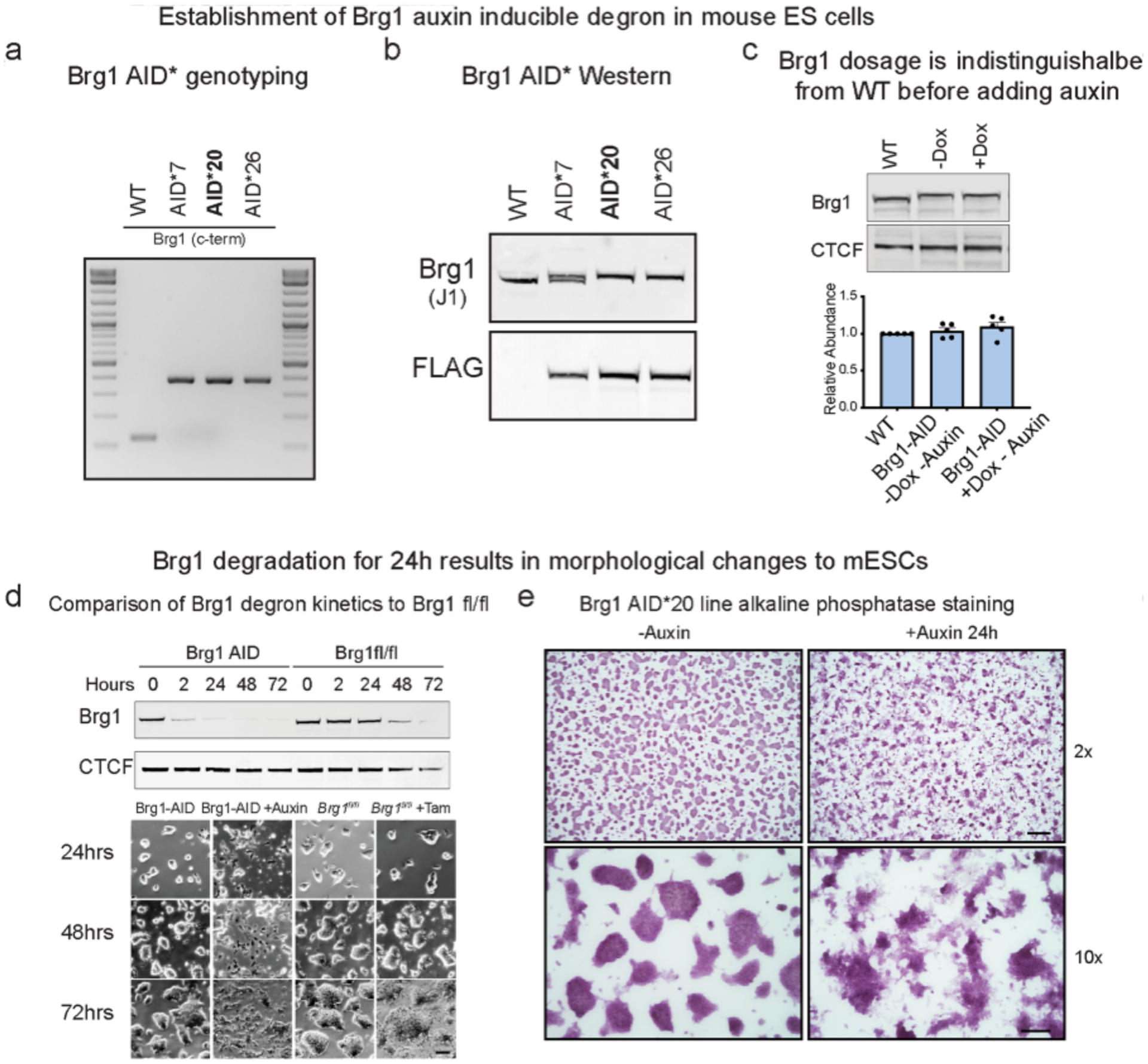
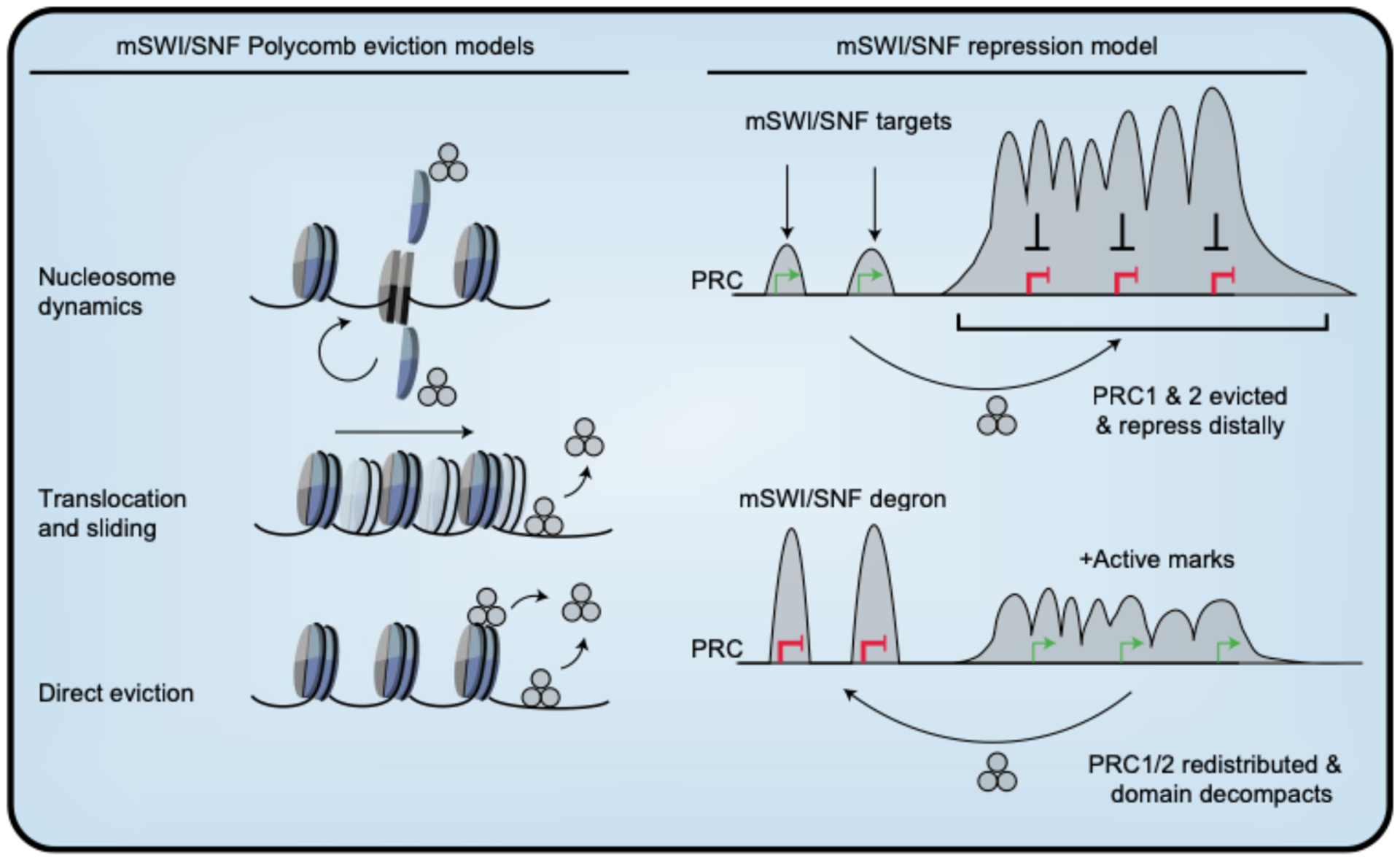
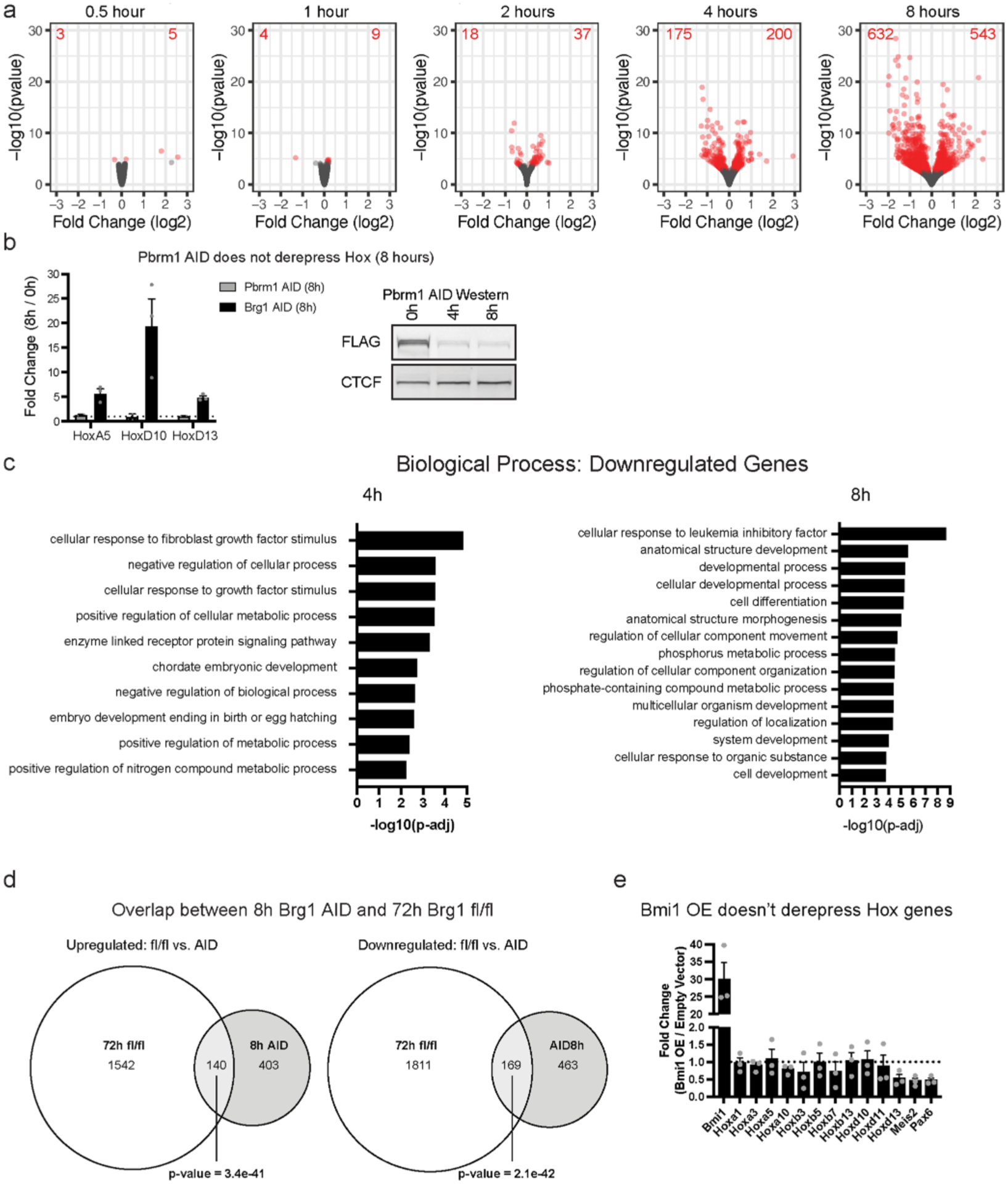
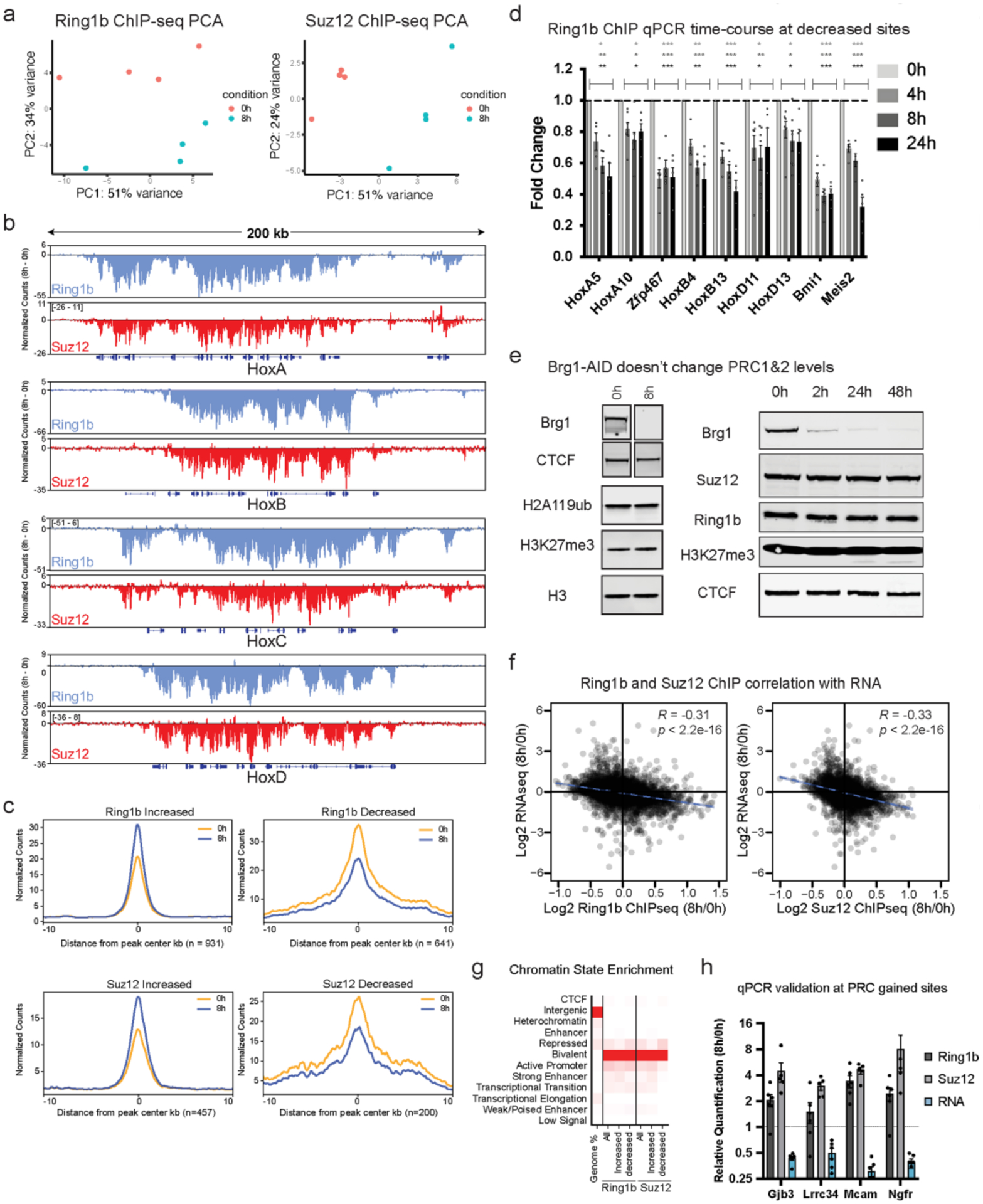
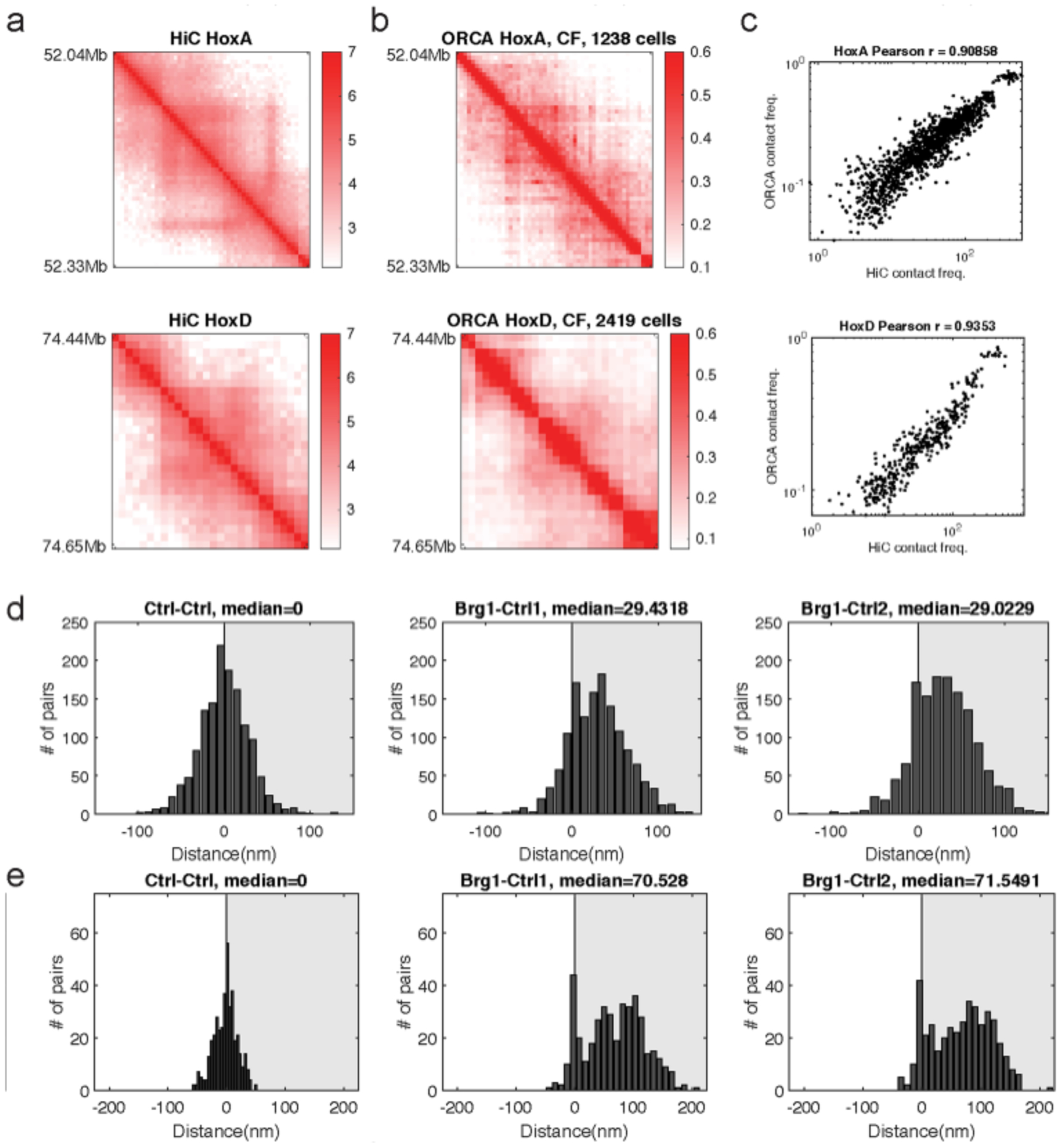
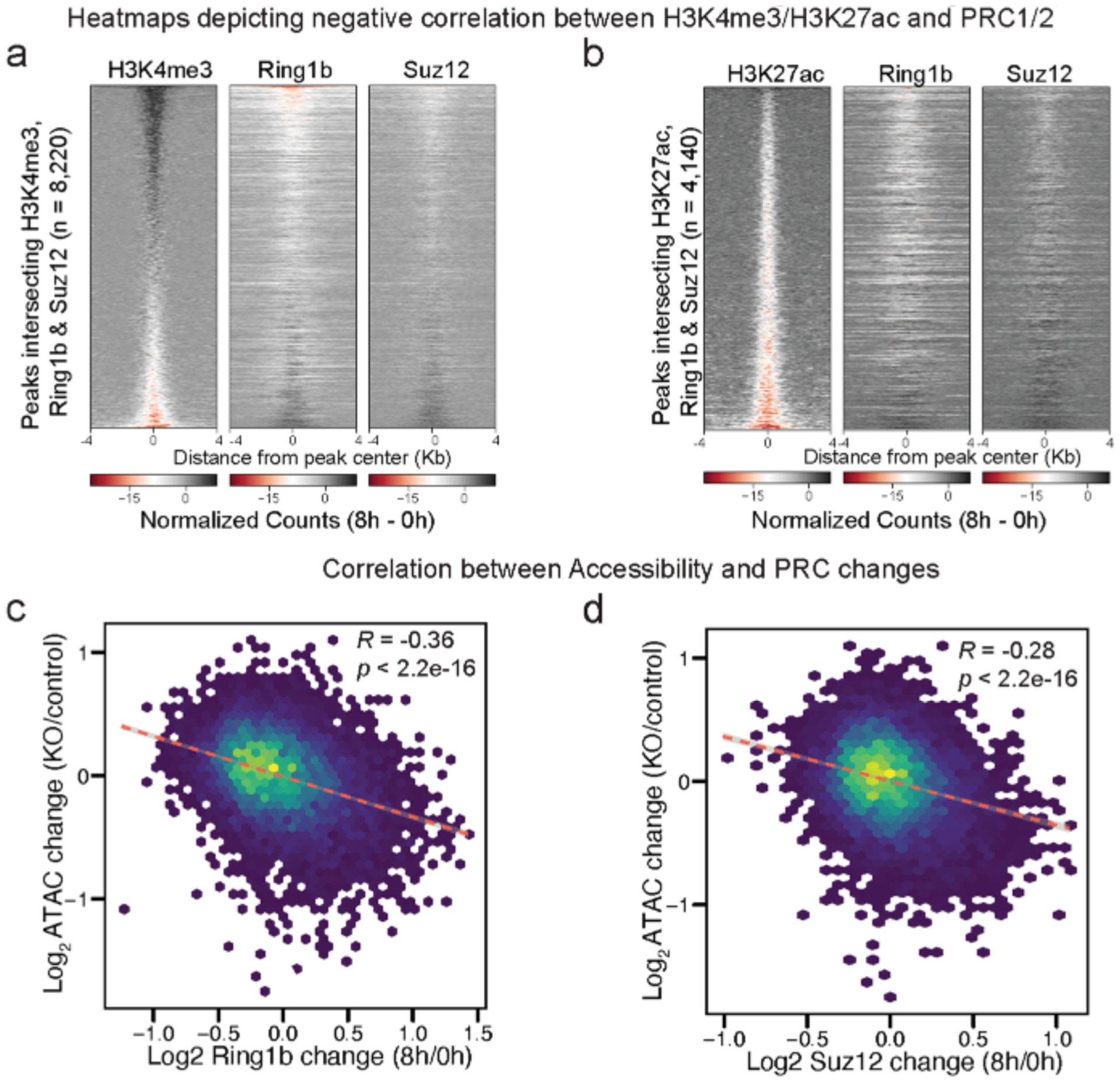
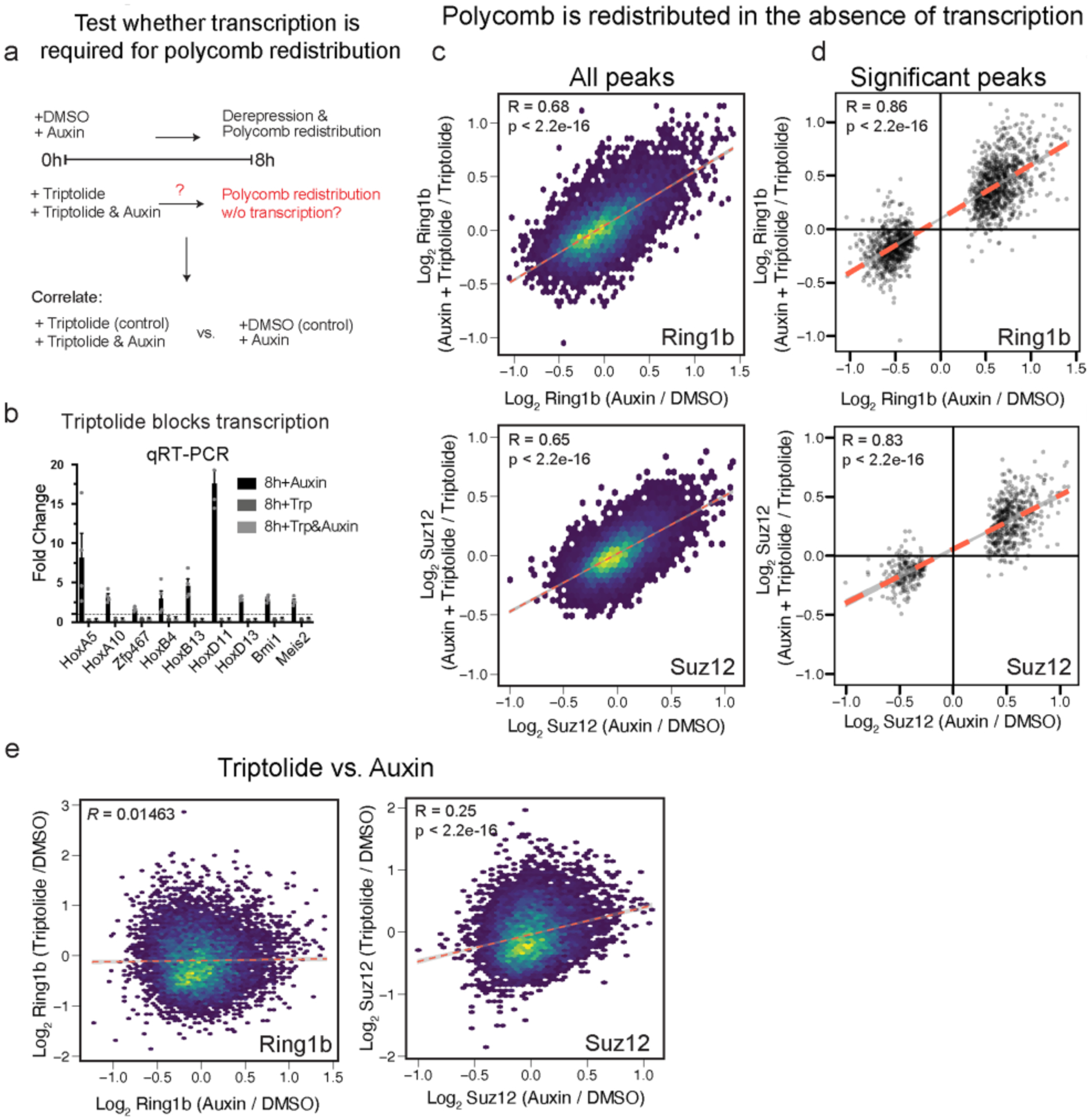
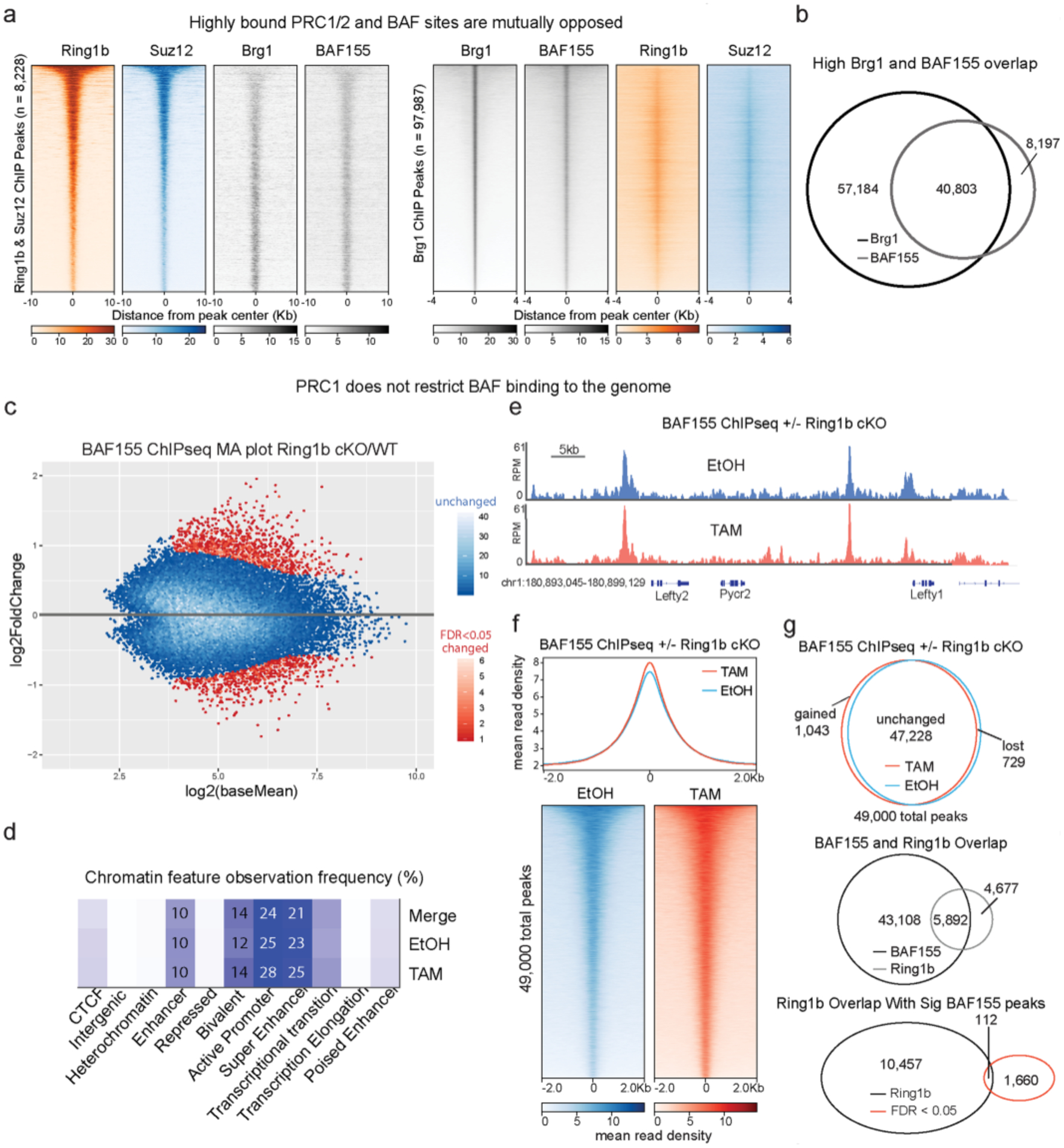
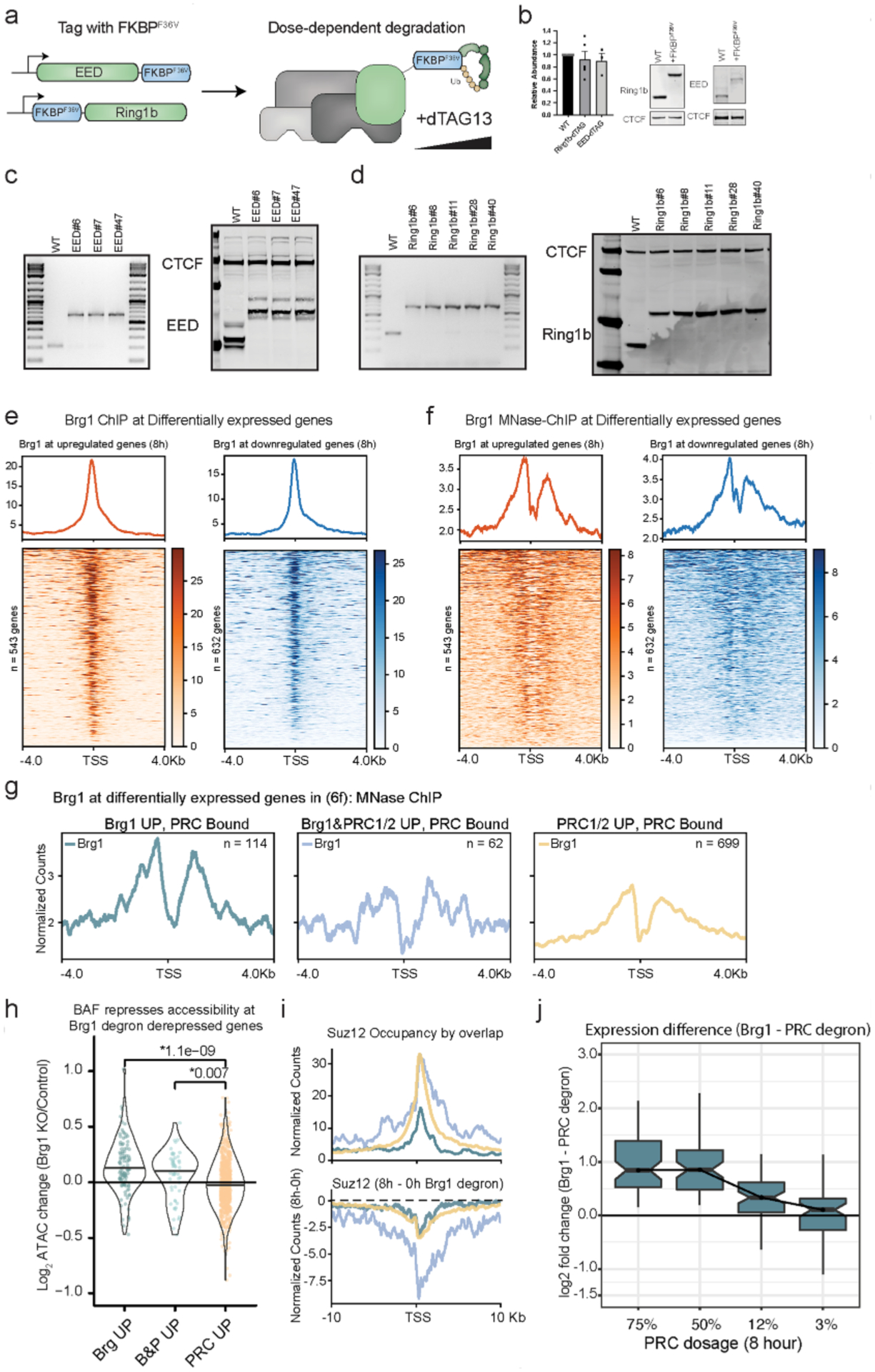
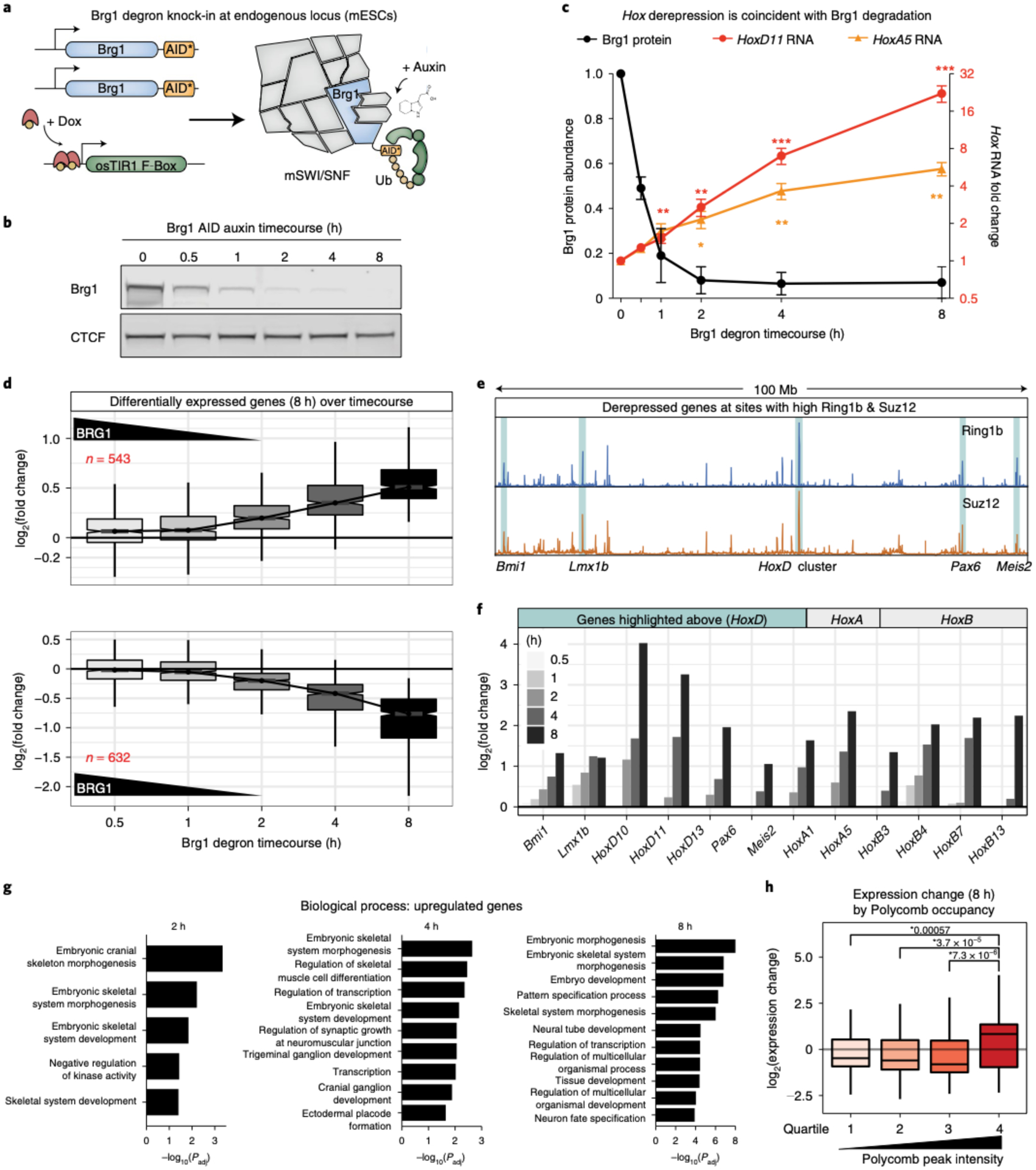
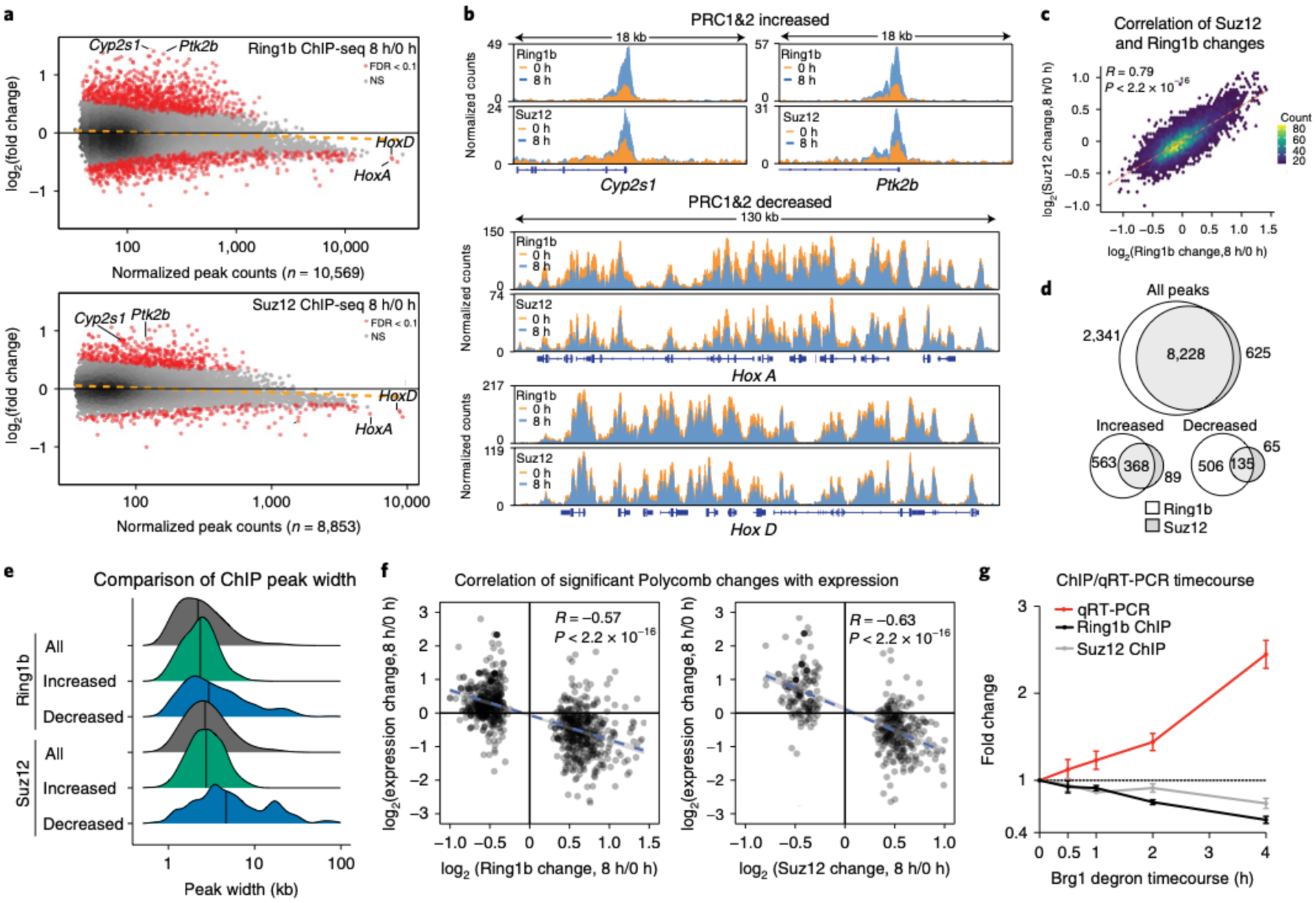
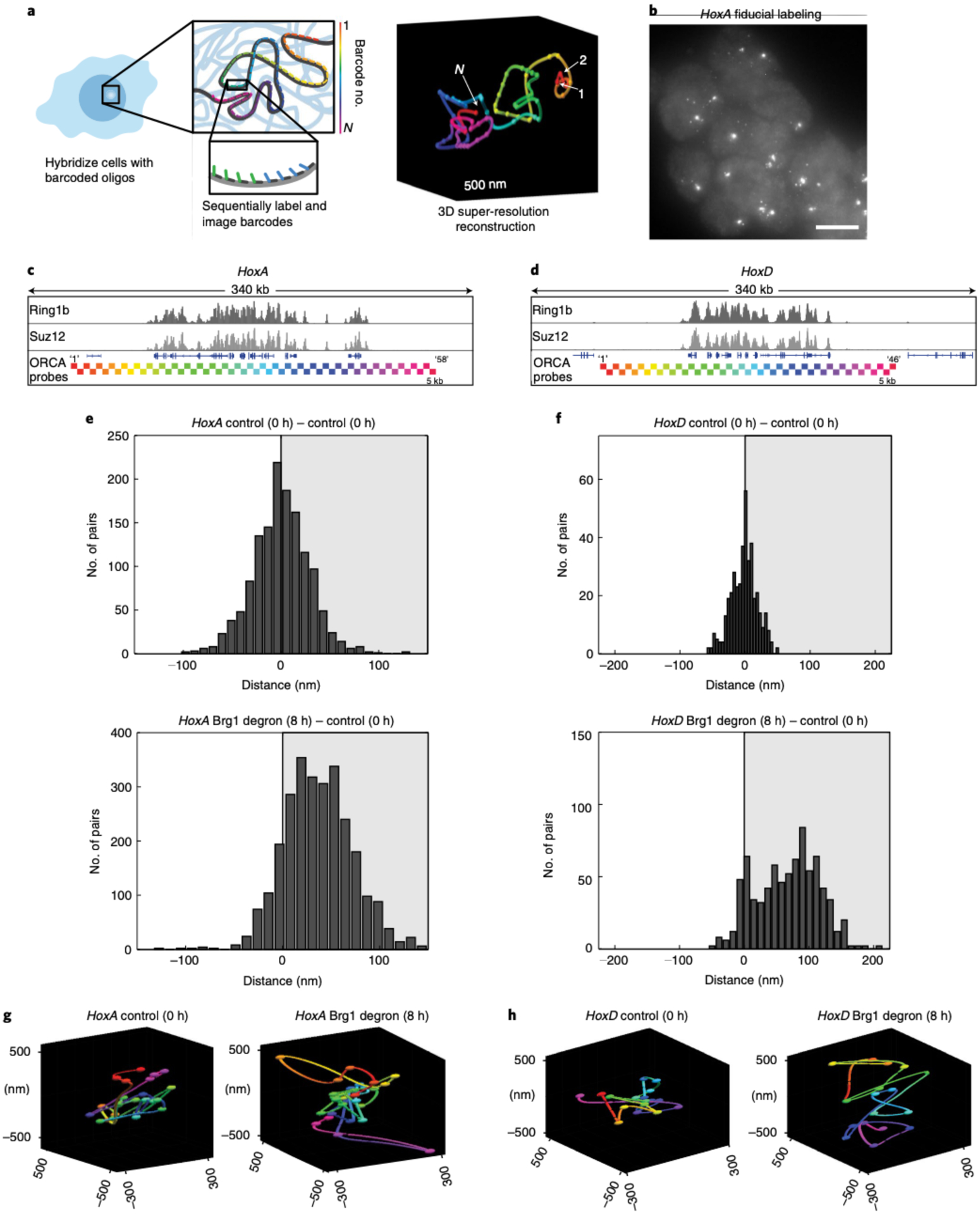
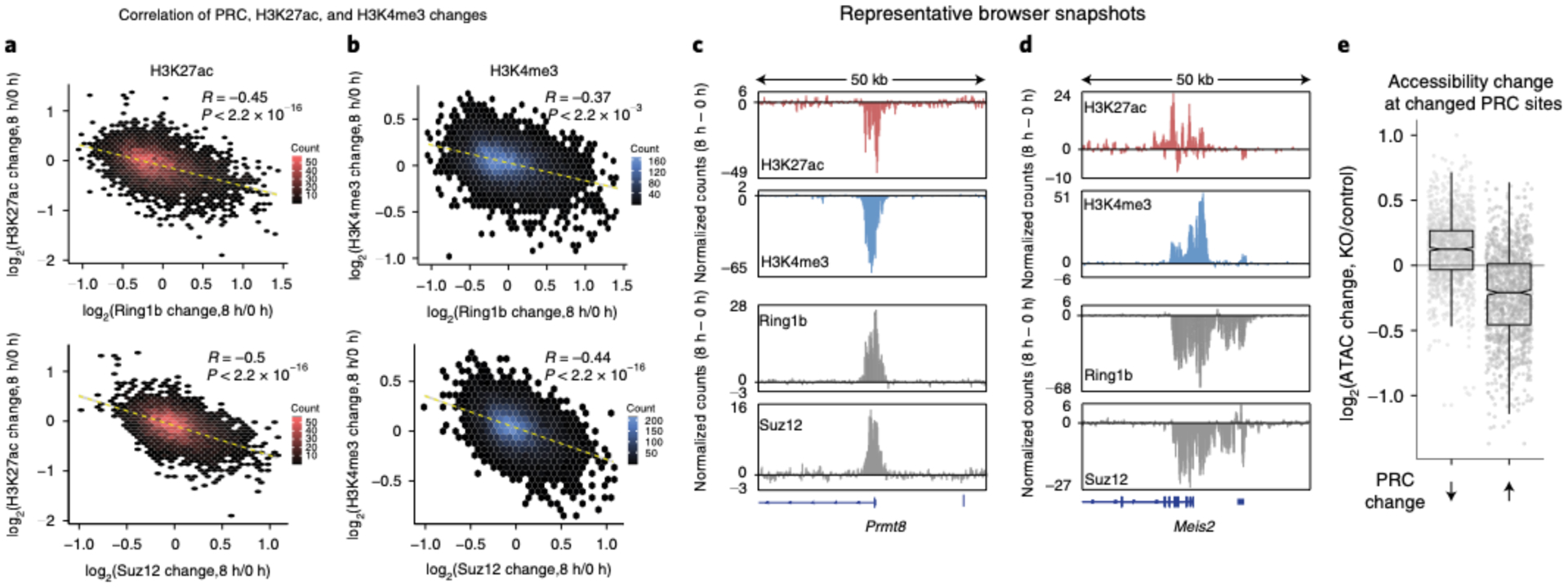
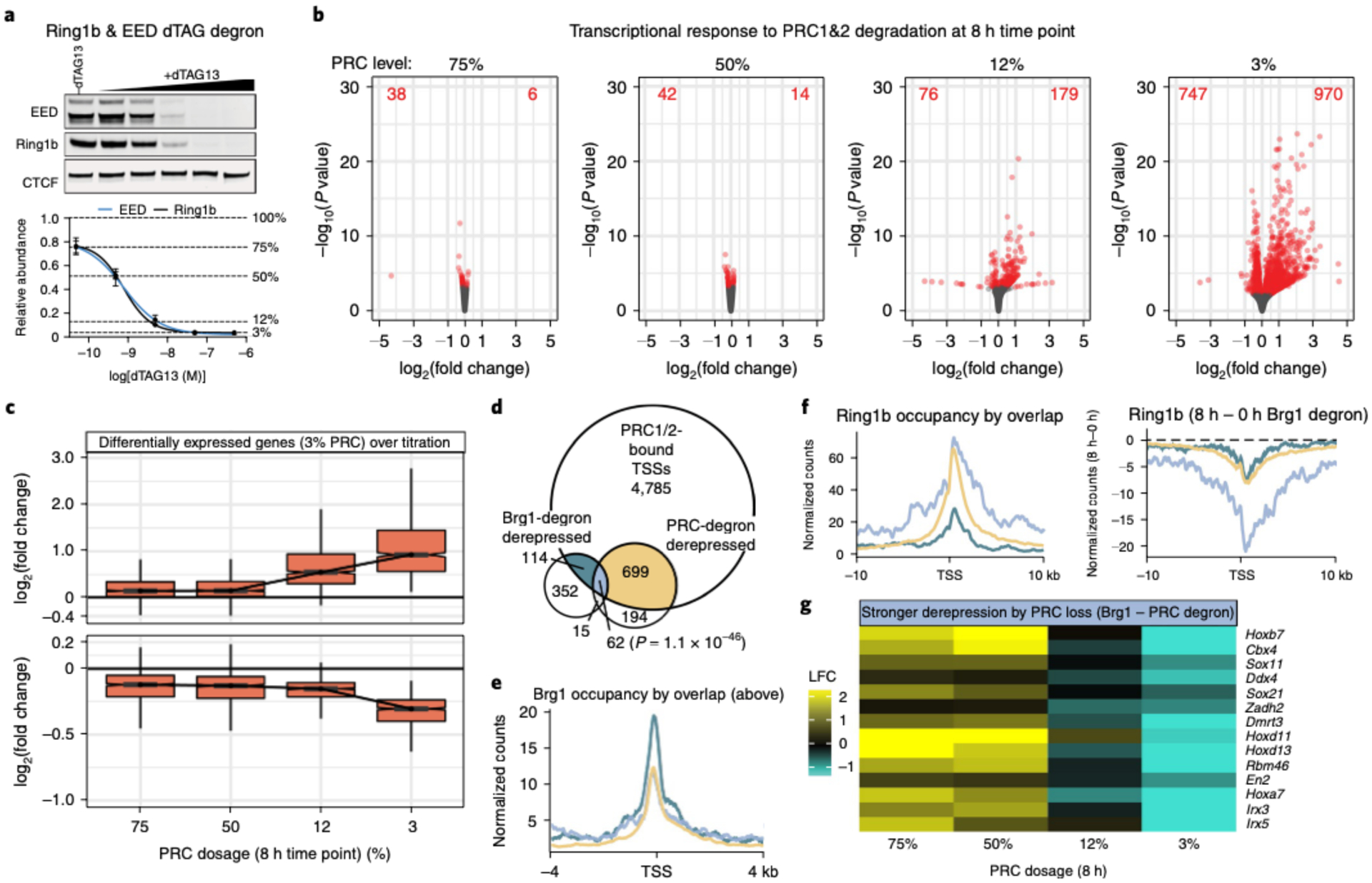
The mammalian SWI/SNF complex, or BAF complex, has a conserved and direct role in antagonizing Polycomb-mediated repression. Yet, BAF also promotes repression by Polycomb in stem cells and cancer. How BAF both antagonizes and promotes Polycomb-mediated repression remains unknown. Here, we utilize targeted protein degradation to dissect the BAF-Polycomb axis in mouse embryonic stem cells on short timescales. We report that rapid BAF depletion redistributes Polycomb repressive complexes PRC1 and PRC2 from highly occupied domains, like Hox clusters, to weakly occupied sites normally opposed by BAF. Polycomb redistribution from highly repressed domains results in their decompaction, gain of active epigenomic features and transcriptional derepression. Surprisingly, through dose-dependent degradation of PRC1 and PRC2, we identify a conventional role for BAF in Polycomb-mediated repression, in addition to global Polycomb redistribution. These findings provide new mechanistic insight into the highly dynamic state of the Polycomb-Trithorax axis.
哺乳动物的 SWI/SNF 复合物或 BAF 复合物在拮抗 Polycomb 介导的抑制中具有保守且直接的作用。然而,BAF 也促进干细胞和癌症中的 Polycomb 抑制。BAF 如何既能拮抗又能促进 Polycomb 介导的抑制仍然未知。在这里,我们利用靶向蛋白降解在短时间内在小鼠胚胎干细胞中剖析 BAF-Polycomb 轴。我们报告说,快速的 BAF 耗竭将 Polycomb 抑制复合物 PRC1 和 PRC2 从高度占据的区域(如 Hox 簇)重新分配到通常由 BAF 反对的弱占据位点。从高度抑制的区域重新分配 Polycomb 导致其解压缩、获得活跃的表观遗传特征和转录去抑制。令人惊讶的是,通过 PRC1 和 PRC2 的剂量依赖性降解,我们确定了 BAF 在 Polycomb 介导的抑制中的传统作用,除了全局 Polycomb 再分配。这些发现为 Polycomb-Trithorax 轴的高度动态状态提供了新的机制见解。