Laboratory of Technological Innovation in Health (LAIS), Federal University of Rio Grande do Norte (UFRN), Natal, RN, Brazil.
Department of Informatics Engineering, Univ Coimbra, CISUC-Center for Informatics and Systems of the University of Coimbra, Coimbra, Portugal.
Biomed Eng Online. 2021 Jun 15;20(1):61. doi: 10.1186/s12938-021-00896-2.
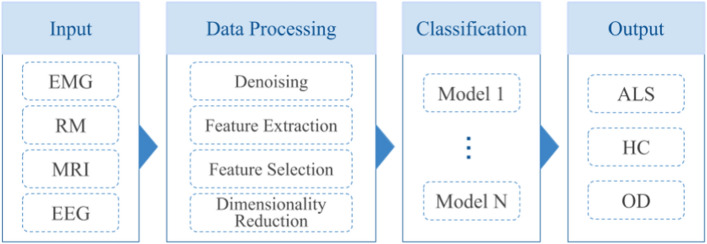
The use of machine learning (ML) techniques in healthcare encompasses an emerging concept that envisages vast contributions to the tackling of rare diseases. In this scenario, amyotrophic lateral sclerosis (ALS) involves complexities that are yet not demystified. In ALS, the biomedical signals present themselves as potential biomarkers that, when used in tandem with smart algorithms, can be useful to applications within the context of the disease.
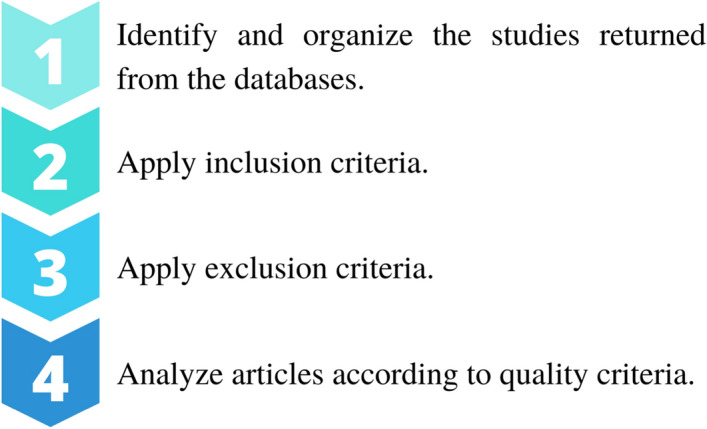
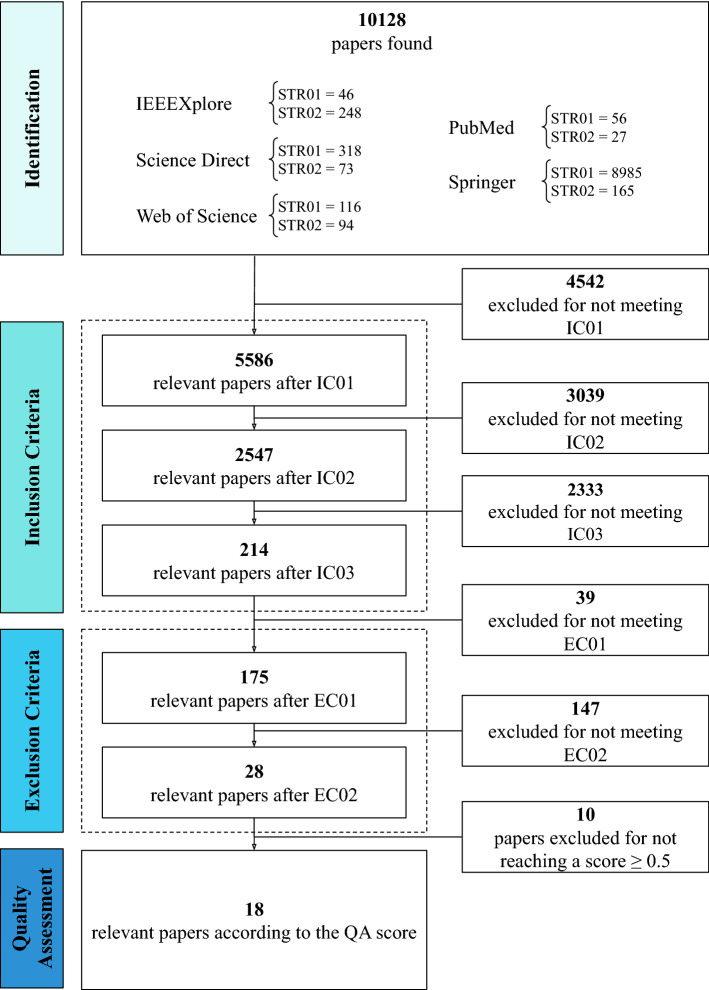
This Systematic Literature Review (SLR) consists of searching for and investigating primary studies that use ML techniques and biomedical signals related to ALS. Following the definition and execution of the SLR protocol, 18 articles met the inclusion, exclusion, and quality assessment criteria, and answered the SLR research questions.
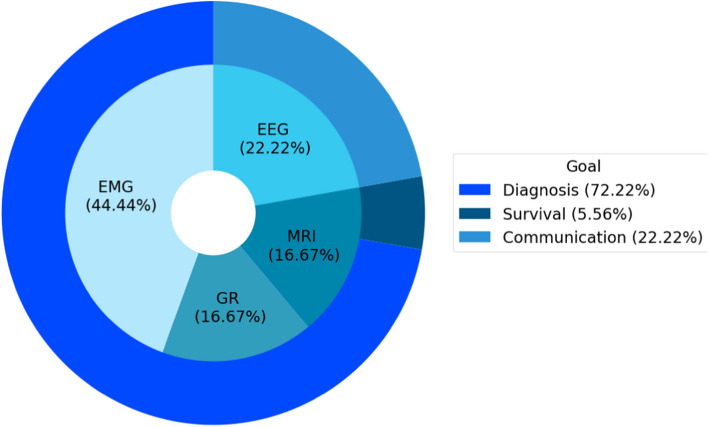
Based on the results, we identified three classes of ML applications combined with biomedical signals in the context of ALS: diagnosis (72.22%), communication (22.22%), and survival prediction (5.56%).
Distinct algorithmic models and biomedical signals have been reported and present promising approaches, regardless of their classes. In summary, this SLR provides an overview of the primary studies analyzed as well as directions for the construction and evolution of technology-based research within the scope of ALS.
机器学习(ML)技术在医疗保健中的应用涵盖了一个新兴概念,即设想为解决罕见疾病做出巨大贡献。在这种情况下,肌萎缩侧索硬化症(ALS)涉及尚未解开的复杂性。在 ALS 中,生物医学信号本身就是潜在的生物标志物,当与智能算法结合使用时,可用于疾病背景下的应用。
本系统文献综述(SLR)包括搜索和调查使用 ML 技术和与 ALS 相关的生物医学信号的原始研究。在定义和执行 SLR 协议后,有 18 篇文章符合纳入、排除和质量评估标准,并回答了 SLR 研究问题。
根据结果,我们确定了在 ALS 背景下与生物医学信号相结合的三类 ML 应用:诊断(72.22%)、交流(22.22%)和生存预测(5.56%)。
已经报道了不同的算法模型和生物医学信号,并提出了有前途的方法,无论其类别如何。总之,本 SLR 提供了对所分析的主要研究的概述,以及 ALS 范围内基于技术的研究的构建和发展方向。