Mikami Norihisa, Tani Hiroko, Kawakami Ryoji, Sugimoto Atsushi, Sakaguchi Shimon, Ikuta Tomoki
Department of Experimental Immunology Immunology Frontier Research Center Osaka University Suita Japan.
Institute for Bee Products and Health Science Yamada Bee Company, Inc. Okayama Japan.
Food Sci Nutr. 2021 Apr 7;9(6):3200-3208. doi: 10.1002/fsn3.2281. eCollection 2021 Jun.
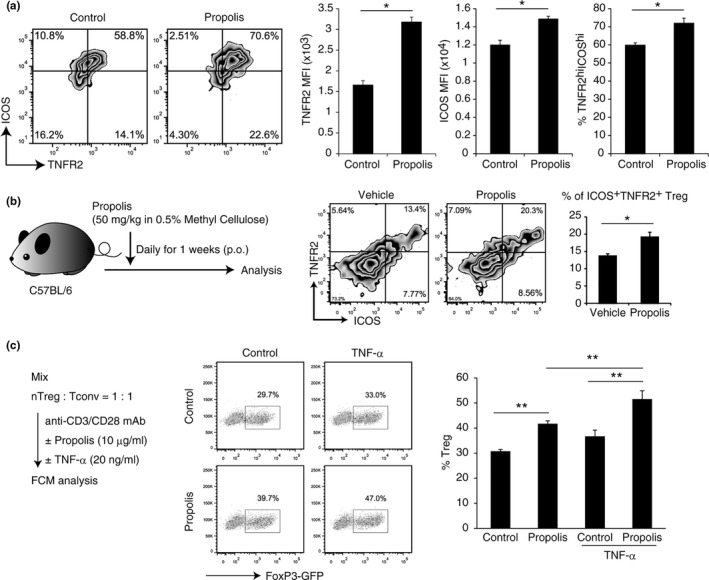
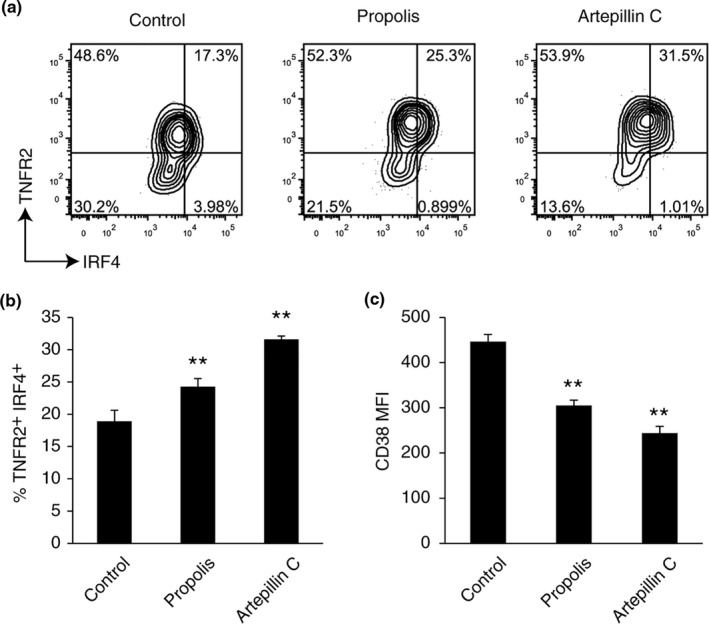
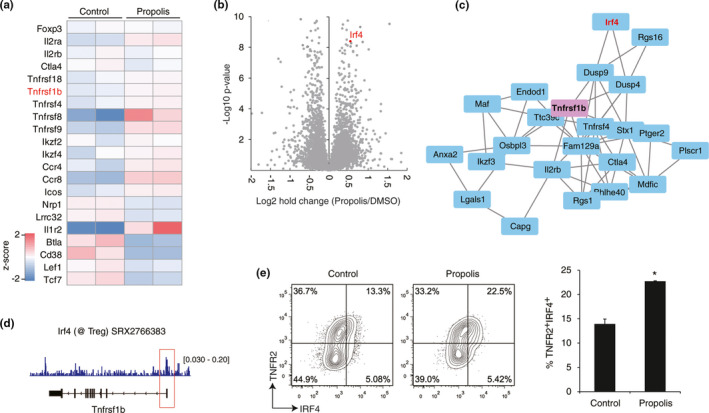
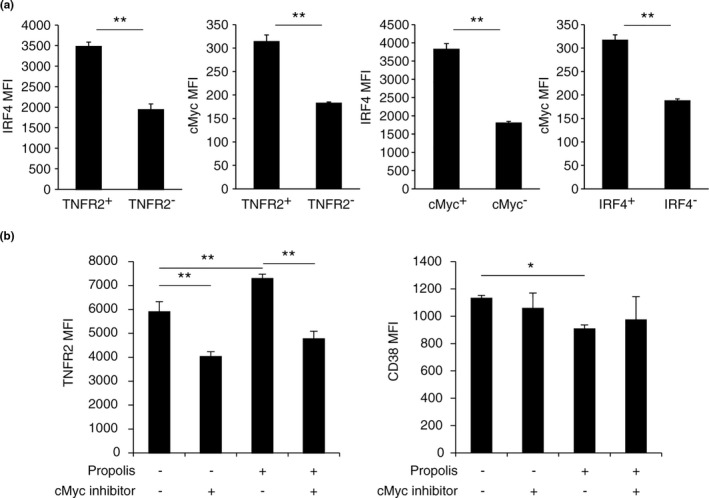
FoxP3 regulatory T cells (Tregs) are needed to suppress inflammatory diseases and maintain immune homeostasis. The suppressive function of Tregs can be used to control autoimmune or inflammatory diseases; therefore, it is well studied how Tregs can be artificially up- or downregulated in vitro and in vivo, by using antibodies, chemical compounds, foods, and natural resources. Propolis is a famous functional food that has an anti-inflammatory effect. However, the influences of propolis on Treg function have not been fully evaluated so far. Here, we demonstrated that Brazilian green propolis increases TNFR2 expression in Tregs via the IRF4/cMyc axis, and artepillin C was a major effective component of propolis on Tregs. These results indicate that propolis and artepillin C have the potential as Treg activators via TNFR2 expression and may be useful for the prevention and/or therapy of autoimmune or inflammatory diseases.
叉头框蛋白P3调节性T细胞(Tregs)对于抑制炎症性疾病和维持免疫稳态是必需的。Tregs的抑制功能可用于控制自身免疫性或炎症性疾病;因此,人们对如何在体外和体内通过使用抗体、化合物、食物和天然资源来人工上调或下调Tregs进行了深入研究。蜂胶是一种具有抗炎作用的著名功能性食品。然而,迄今为止,蜂胶对Treg功能的影响尚未得到充分评估。在此,我们证明巴西绿蜂胶通过IRF4/cMyc轴增加Tregs中TNFR2的表达,而artepillin C是蜂胶对Tregs的主要有效成分。这些结果表明,蜂胶和artepillin C通过TNFR2表达具有作为Treg激活剂的潜力,可能对自身免疫性或炎症性疾病的预防和/或治疗有用。