Xu Hongcheng, Gao Libo, Wang Yuejiao, Cao Ke, Hu Xinkang, Wang Liang, Mu Meng, Liu Min, Zhang Haiyan, Wang Weidong, Lu Yang
School of Mechano-Electronic Engineering, Xidian University, Xi'an, 710071, People's Republic of China.
CityU-Xidian Joint Laboratory of Micro/Nano-Manufacturing, Xi'an, 710071, People's Republic of China.
Nanomicro Lett. 2020 Aug 8;12(1):159. doi: 10.1007/s40820-020-00498-y.
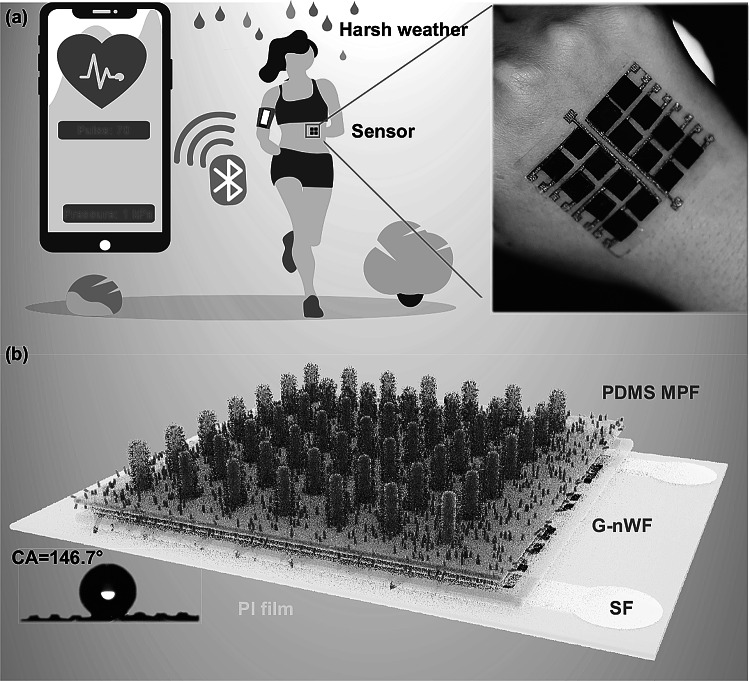
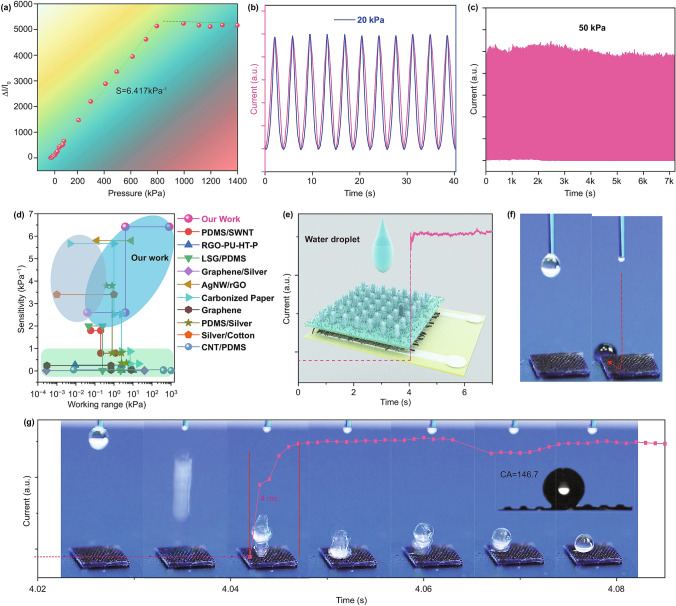
The laser-engraved method was introduced to fabricate the electrode for the sensor. The sensor showed a wide linear working range, superior sensitivity, and fast response time and also exhibited excellent viability in a wet situation. Wireless integrated network sensors successfully monitored the health states.
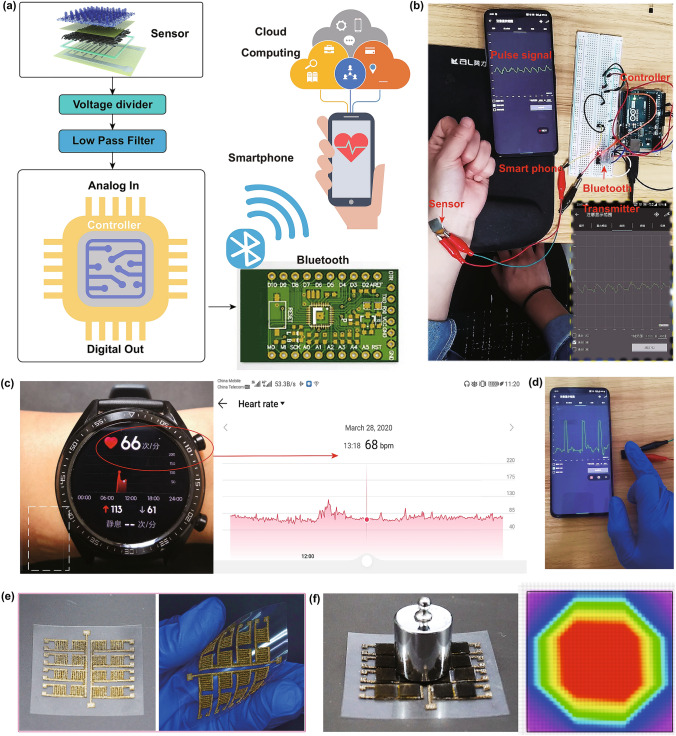
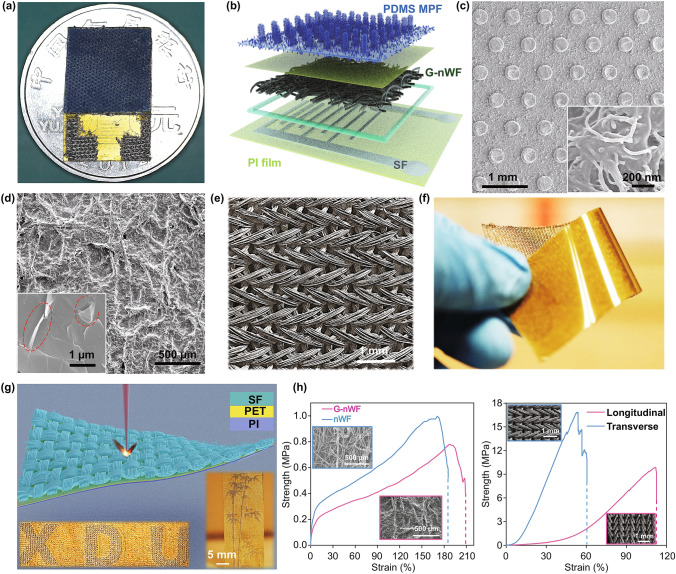
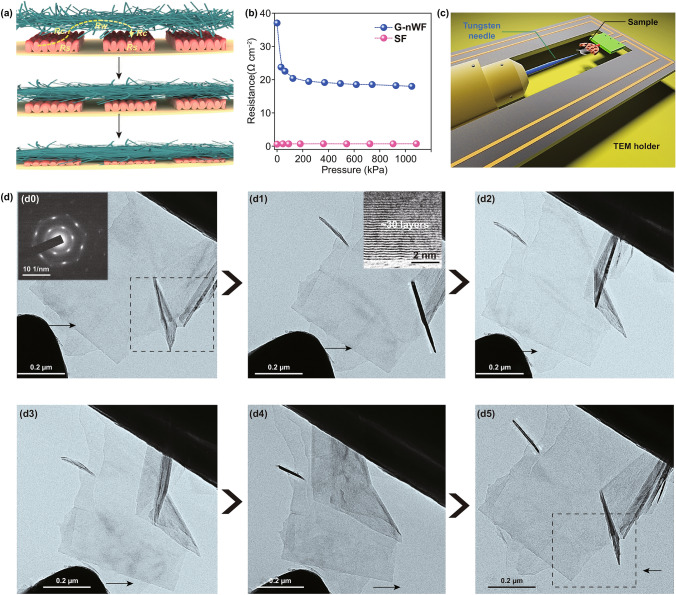
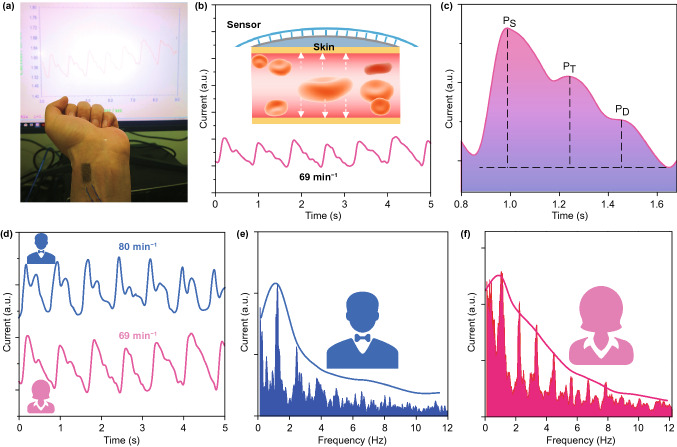
Developing flexible sensors with high working performance holds intense interest for diverse applications in leveraging the Internet-of-things (IoT) infrastructures. For flexible piezoresistive sensors, traditionally most efforts are focused on tailoring the sensing materials to enhance the contact resistance variation for improving the sensitivity and working range, and it, however, remains challenging to simultaneously achieve flexible sensor with a linear working range over a high-pressure region (> 100 kPa) and keep a reliable sensitivity. Herein, we devised a laser-engraved silver-coated fabric as “soft” sensor electrode material to markedly advance the flexible sensor’s linear working range to a level of 800 kPa with a high sensitivity of 6.4 kPa yet a fast response time of only 4 ms as well as long-time durability, which was rarely reported before. The integrated sensor successfully routed the wireless signal of pulse rate to the portable smartphone, further demonstrating its potential as a reliable electronic. Along with the rationally building the electrode instead of merely focusing on sensing materials capable of significantly improving the sensor’s performance, we expect that this design concept and sensor system could potentially pave the way for developing more advanced wearable electronics in the future. [Image: see text]
The online version of this article (10.1007/s40820-020-00498-y) contains supplementary material, which is available to authorized users.
引入激光雕刻法来制造传感器的电极。该传感器具有宽线性工作范围、卓越的灵敏度和快速响应时间,并且在潮湿环境中也表现出优异的耐用性。无线集成网络传感器成功监测了健康状态。
开发具有高工作性能的柔性传感器对于利用物联网(IoT)基础设施的各种应用具有浓厚的兴趣。对于柔性压阻式传感器,传统上大多数努力都集中在定制传感材料上,以增强接触电阻变化来提高灵敏度和工作范围,然而,要同时实现具有超过高压区域(>100 kPa)的线性工作范围且保持可靠灵敏度的柔性传感器仍然具有挑战性。在此,我们设计了一种激光雕刻的镀银织物作为“软”传感器电极材料,将柔性传感器的线性工作范围显著提高到800 kPa的水平,具有6.4 kPa的高灵敏度以及仅4毫秒的快速响应时间和长期耐用性,这在以前很少有报道。集成传感器成功地将脉搏率的无线信号传输到便携式智能手机,进一步证明了其作为可靠电子产品的潜力。除了合理构建电极而不仅仅关注能够显著提高传感器性能的传感材料外,我们期望这种设计概念和传感器系统可能为未来开发更先进的可穿戴电子产品铺平道路。[图片:见正文]
本文在线版本(10.1007/s40820-020-00498-y)包含补充材料,授权用户可获取。