• 文献检索
  • 文档翻译
  • 深度研究
  • 学术资讯
  • Suppr Zotero 插件Zotero 插件
  • 邀请有礼
  • 套餐&价格
  • 历史记录
应用&插件
Suppr Zotero 插件Zotero 插件浏览器插件Mac 客户端Windows 客户端微信小程序
定价
高级版会员购买积分包购买API积分包
服务
文献检索文档翻译深度研究API 文档MCP 服务
关于我们
关于 Suppr公司介绍联系我们用户协议隐私条款
关注我们

Suppr 超能文献

核心技术专利:CN118964589B侵权必究
粤ICP备2023148730 号-1Suppr @ 2026

文献检索

告别复杂PubMed语法,用中文像聊天一样搜索,搜遍4000万医学文献。AI智能推荐,让科研检索更轻松。

立即免费搜索

文件翻译

保留排版,准确专业,支持PDF/Word/PPT等文件格式,支持 12+语言互译。

免费翻译文档

深度研究

AI帮你快速写综述,25分钟生成高质量综述,智能提取关键信息,辅助科研写作。

立即免费体验

血液基混合纳米流体在电磁场和偶应力的共同作用下流动。

Blood based hybrid nanofluid flow together with electromagnetic field and couple stresses.

机构信息

Center of Excellence in Theoretical and Computational Science (TaCS-CoE), Faculty of Science, King Mongkut's University of Technology Thonburi (KMUTT), 126 Pracha Uthit Rd., Bang Mod, Thung Khru, Bangkok, 10140, Bangkok, Thailand.

Department of Basic Sciences, College of Science and Theoretical Studies, Saudi Electronic University, Riyadh, Saudi Arabia.

出版信息

Sci Rep. 2021 Jun 18;11(1):12865. doi: 10.1038/s41598-021-92186-z.

DOI:10.1038/s41598-021-92186-z
PMID:34145347
原文链接:https://pmc.ncbi.nlm.nih.gov/articles/PMC8213823/
Abstract

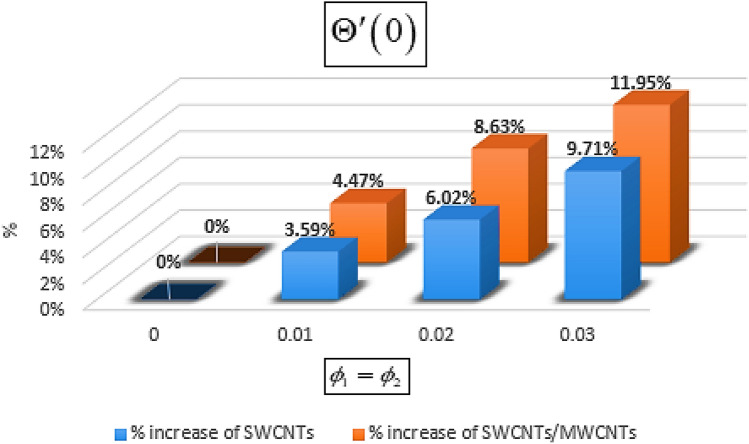
In this investigation, heat transportation together with irreversibility analysis for the flow of couple stress hybrid nanofluid past over a stretching surface is considered. The innovative characteristics and aims of this work are to note that the transportation heat couple stress model involves EMHD, viscous dissipation, Joule heating, and heat absorption, and omission. The hybrid nanofluid is prepared due to the suspension of the solid nanoparticles of the SWCNTs and MWCNTs in pure human blood. This mathematical model is an appropriate model for biological advantages including testing of human blood for drug deliveries to various parts of the human body. Particularly, the Prandtl number used for the blood is 21 and very large as compared to the other base fluids. Necessary modifications are used to translate the defining partial differential equations and boundary conditions into a layout that can be computed. To obtain mathematical approximations for the resulting scheme of nonlinear differential equations, the innovative homotopy analysis method (HAM) is used. The explanation for velocity, energy, and entropy are exposed and the flow against various influential factors ([Formula: see text]) is discussed graphically. The numerical values are calculated and summarized for dimensionless [Formula: see text] In addition, the current study is compared for various values of [Formula: see text] to that published literature and an impressive agreement in terms of finding is reported. It has also been noticed that the [Formula: see text] and [Formula: see text] factors retard the hybrid nanofluid flow, while the temperature of fluid becomes upsurges by the rise in these factors. 11.95% enhancement in the heat transfer rate has been attained using the hybrid nanofluids.

摘要

在本研究中,考虑了传热以及对具有偶应力的混合纳米流体在拉伸表面上流动的不可逆性分析。这项工作的创新特点和目标是指出,传输热偶应力模型涉及到 EMHD、粘性耗散、焦耳加热和热吸收以及省略。混合纳米流体是由于将 SWCNTs 和 MWCNTs 的固体纳米颗粒悬浮在纯人血中而制备的。这个数学模型是一种适合生物优势的模型,包括对人血进行测试,以将药物输送到人体的各个部位。特别是,用于血液的 Prandtl 数为 21,与其他基础流体相比非常大。需要进行必要的修改,以便将定义的偏微分方程和边界条件转换为可以计算的格式。为了获得非线性微分方程的所得方案的数学近似,使用了创新的同伦分析方法(HAM)。速度、能量和熵的解释以及对各种影响因素([公式:见文本])的流动进行了图形讨论。计算并总结了无量纲[公式:见文本]的数值。此外,还将当前研究与已发表文献中各种[公式:见文本]值进行了比较,报告了在发现方面的令人印象深刻的一致性。还注意到,[公式:见文本]和[公式:见文本]因素会阻碍混合纳米流体的流动,而这些因素的上升会使流体温度升高。使用混合纳米流体可将传热速率提高 11.95%。
https://cdn.ncbi.nlm.nih.gov/pmc/blobs/fa9d/8213823/a0a0d8daa856/41598_2021_92186_Fig26_HTML.jpg
https://cdn.ncbi.nlm.nih.gov/pmc/blobs/fa9d/8213823/d47bfae19f83/41598_2021_92186_Fig1_HTML.jpg
https://cdn.ncbi.nlm.nih.gov/pmc/blobs/fa9d/8213823/55b767668580/41598_2021_92186_Fig2_HTML.jpg
https://cdn.ncbi.nlm.nih.gov/pmc/blobs/fa9d/8213823/973b6679c65d/41598_2021_92186_Fig3_HTML.jpg
https://cdn.ncbi.nlm.nih.gov/pmc/blobs/fa9d/8213823/6d8d6c97d3c7/41598_2021_92186_Fig4_HTML.jpg
https://cdn.ncbi.nlm.nih.gov/pmc/blobs/fa9d/8213823/f9d17b2d9ab1/41598_2021_92186_Fig5_HTML.jpg
https://cdn.ncbi.nlm.nih.gov/pmc/blobs/fa9d/8213823/6864b6586734/41598_2021_92186_Fig6_HTML.jpg
https://cdn.ncbi.nlm.nih.gov/pmc/blobs/fa9d/8213823/9dd3ac6c3d66/41598_2021_92186_Fig7_HTML.jpg
https://cdn.ncbi.nlm.nih.gov/pmc/blobs/fa9d/8213823/b19d36d3b9f3/41598_2021_92186_Fig8_HTML.jpg
https://cdn.ncbi.nlm.nih.gov/pmc/blobs/fa9d/8213823/720559555edc/41598_2021_92186_Fig9_HTML.jpg
https://cdn.ncbi.nlm.nih.gov/pmc/blobs/fa9d/8213823/ab774a63408d/41598_2021_92186_Fig10_HTML.jpg
https://cdn.ncbi.nlm.nih.gov/pmc/blobs/fa9d/8213823/6b559673c6a5/41598_2021_92186_Fig11_HTML.jpg
https://cdn.ncbi.nlm.nih.gov/pmc/blobs/fa9d/8213823/bdddc8f6a674/41598_2021_92186_Fig12_HTML.jpg
https://cdn.ncbi.nlm.nih.gov/pmc/blobs/fa9d/8213823/d1a99d2bc62f/41598_2021_92186_Fig13_HTML.jpg
https://cdn.ncbi.nlm.nih.gov/pmc/blobs/fa9d/8213823/065c170c2143/41598_2021_92186_Fig14_HTML.jpg
https://cdn.ncbi.nlm.nih.gov/pmc/blobs/fa9d/8213823/dc99e97c8cac/41598_2021_92186_Fig15_HTML.jpg
https://cdn.ncbi.nlm.nih.gov/pmc/blobs/fa9d/8213823/55c532264d6f/41598_2021_92186_Fig16_HTML.jpg
https://cdn.ncbi.nlm.nih.gov/pmc/blobs/fa9d/8213823/eab68b9a8d3e/41598_2021_92186_Fig17_HTML.jpg
https://cdn.ncbi.nlm.nih.gov/pmc/blobs/fa9d/8213823/ad0d72feaf6b/41598_2021_92186_Fig18_HTML.jpg
https://cdn.ncbi.nlm.nih.gov/pmc/blobs/fa9d/8213823/8c9664b306ed/41598_2021_92186_Fig19_HTML.jpg
https://cdn.ncbi.nlm.nih.gov/pmc/blobs/fa9d/8213823/778fb474df11/41598_2021_92186_Fig20_HTML.jpg
https://cdn.ncbi.nlm.nih.gov/pmc/blobs/fa9d/8213823/66368354e19d/41598_2021_92186_Fig21_HTML.jpg
https://cdn.ncbi.nlm.nih.gov/pmc/blobs/fa9d/8213823/dc42eb3ad64e/41598_2021_92186_Fig22_HTML.jpg
https://cdn.ncbi.nlm.nih.gov/pmc/blobs/fa9d/8213823/dee2e5382ef5/41598_2021_92186_Fig23_HTML.jpg
https://cdn.ncbi.nlm.nih.gov/pmc/blobs/fa9d/8213823/19cf636ad214/41598_2021_92186_Fig24_HTML.jpg
https://cdn.ncbi.nlm.nih.gov/pmc/blobs/fa9d/8213823/791e6ac44cdb/41598_2021_92186_Fig25_HTML.jpg
https://cdn.ncbi.nlm.nih.gov/pmc/blobs/fa9d/8213823/a0a0d8daa856/41598_2021_92186_Fig26_HTML.jpg
https://cdn.ncbi.nlm.nih.gov/pmc/blobs/fa9d/8213823/d47bfae19f83/41598_2021_92186_Fig1_HTML.jpg
https://cdn.ncbi.nlm.nih.gov/pmc/blobs/fa9d/8213823/55b767668580/41598_2021_92186_Fig2_HTML.jpg
https://cdn.ncbi.nlm.nih.gov/pmc/blobs/fa9d/8213823/973b6679c65d/41598_2021_92186_Fig3_HTML.jpg
https://cdn.ncbi.nlm.nih.gov/pmc/blobs/fa9d/8213823/6d8d6c97d3c7/41598_2021_92186_Fig4_HTML.jpg
https://cdn.ncbi.nlm.nih.gov/pmc/blobs/fa9d/8213823/f9d17b2d9ab1/41598_2021_92186_Fig5_HTML.jpg
https://cdn.ncbi.nlm.nih.gov/pmc/blobs/fa9d/8213823/6864b6586734/41598_2021_92186_Fig6_HTML.jpg
https://cdn.ncbi.nlm.nih.gov/pmc/blobs/fa9d/8213823/9dd3ac6c3d66/41598_2021_92186_Fig7_HTML.jpg
https://cdn.ncbi.nlm.nih.gov/pmc/blobs/fa9d/8213823/b19d36d3b9f3/41598_2021_92186_Fig8_HTML.jpg
https://cdn.ncbi.nlm.nih.gov/pmc/blobs/fa9d/8213823/720559555edc/41598_2021_92186_Fig9_HTML.jpg
https://cdn.ncbi.nlm.nih.gov/pmc/blobs/fa9d/8213823/ab774a63408d/41598_2021_92186_Fig10_HTML.jpg
https://cdn.ncbi.nlm.nih.gov/pmc/blobs/fa9d/8213823/6b559673c6a5/41598_2021_92186_Fig11_HTML.jpg
https://cdn.ncbi.nlm.nih.gov/pmc/blobs/fa9d/8213823/bdddc8f6a674/41598_2021_92186_Fig12_HTML.jpg
https://cdn.ncbi.nlm.nih.gov/pmc/blobs/fa9d/8213823/d1a99d2bc62f/41598_2021_92186_Fig13_HTML.jpg
https://cdn.ncbi.nlm.nih.gov/pmc/blobs/fa9d/8213823/065c170c2143/41598_2021_92186_Fig14_HTML.jpg
https://cdn.ncbi.nlm.nih.gov/pmc/blobs/fa9d/8213823/dc99e97c8cac/41598_2021_92186_Fig15_HTML.jpg
https://cdn.ncbi.nlm.nih.gov/pmc/blobs/fa9d/8213823/55c532264d6f/41598_2021_92186_Fig16_HTML.jpg
https://cdn.ncbi.nlm.nih.gov/pmc/blobs/fa9d/8213823/eab68b9a8d3e/41598_2021_92186_Fig17_HTML.jpg
https://cdn.ncbi.nlm.nih.gov/pmc/blobs/fa9d/8213823/ad0d72feaf6b/41598_2021_92186_Fig18_HTML.jpg
https://cdn.ncbi.nlm.nih.gov/pmc/blobs/fa9d/8213823/8c9664b306ed/41598_2021_92186_Fig19_HTML.jpg
https://cdn.ncbi.nlm.nih.gov/pmc/blobs/fa9d/8213823/778fb474df11/41598_2021_92186_Fig20_HTML.jpg
https://cdn.ncbi.nlm.nih.gov/pmc/blobs/fa9d/8213823/66368354e19d/41598_2021_92186_Fig21_HTML.jpg
https://cdn.ncbi.nlm.nih.gov/pmc/blobs/fa9d/8213823/dc42eb3ad64e/41598_2021_92186_Fig22_HTML.jpg
https://cdn.ncbi.nlm.nih.gov/pmc/blobs/fa9d/8213823/dee2e5382ef5/41598_2021_92186_Fig23_HTML.jpg
https://cdn.ncbi.nlm.nih.gov/pmc/blobs/fa9d/8213823/19cf636ad214/41598_2021_92186_Fig24_HTML.jpg
https://cdn.ncbi.nlm.nih.gov/pmc/blobs/fa9d/8213823/791e6ac44cdb/41598_2021_92186_Fig25_HTML.jpg
https://cdn.ncbi.nlm.nih.gov/pmc/blobs/fa9d/8213823/a0a0d8daa856/41598_2021_92186_Fig26_HTML.jpg

相似文献

1
Blood based hybrid nanofluid flow together with electromagnetic field and couple stresses.血液基混合纳米流体在电磁场和偶应力的共同作用下流动。
Sci Rep. 2021 Jun 18;11(1):12865. doi: 10.1038/s41598-021-92186-z.
2
Heat transfer analysis of fractional model of couple stress Casson tri-hybrid nanofluid using dissimilar shape nanoparticles in blood with biomedical applications.应用于生物医学的不同形状纳米颗粒在血液中带偶应力 Casson 三杂交纳米流体分数阶模型的传热分析。
Sci Rep. 2023 Mar 21;13(1):4596. doi: 10.1038/s41598-022-25127-z.
3
Computation of stagnation coating flow of electro-conductive ternary Williamson hybrid [Formula: see text] nanofluid with a Cattaneo-Christov heat flux model and magnetic induction.电导电性三元威廉姆森混合[公式:见文本]纳米流体的停驻涂层流动计算,考虑 Cattaneo-Christov 热通量模型和磁感应。
Sci Rep. 2023 Jul 6;13(1):10972. doi: 10.1038/s41598-023-37197-8.
4
Comparative study on heat transfer and friction drag in the flow of various hybrid nanofluids effected by aligned magnetic field and nonlinear radiation.对齐磁场和非线性辐射作用下各种混合纳米流体流动中传热与摩擦阻力的对比研究
Sci Rep. 2021 Feb 11;11(1):3691. doi: 10.1038/s41598-021-81581-1.
5
The Flow of Blood-Based Hybrid Nanofluids with Couple Stresses by the Convergent and Divergent Channel for the Applications of Drug Delivery.基于血液的混合纳流在药物输送应用中的汇聚和发散通道中具有耦合应力的流动。
Molecules. 2021 Oct 20;26(21):6330. doi: 10.3390/molecules26216330.
6
Impacts of entropy generation in second-grade fuzzy hybrid nanofluids on exponentially permeable stretching/shrinking surface.二阶模糊混合纳米流体中熵产生对指数渗透拉伸/收缩表面的影响。
Sci Rep. 2023 Dec 13;13(1):22132. doi: 10.1038/s41598-023-48142-0.
7
Dissipated electroosmotic EMHD hybrid nanofluid flow through the micro-channel.耗散电渗电磁混合纳米流体流经微通道。
Sci Rep. 2022 Mar 19;12(1):4771. doi: 10.1038/s41598-022-08672-5.
8
Magneto rotating flow of hybrid nanofluid with entropy generation.磁旋转混合纳米流体的熵产生流动。
Comput Methods Programs Biomed. 2020 Jan;183:105093. doi: 10.1016/j.cmpb.2019.105093. Epub 2019 Sep 24.
9
Modeling and computational analysis of hybrid class nanomaterials subject to entropy generation.混合类纳米材料的熵产生建模与计算分析。
Comput Methods Programs Biomed. 2019 Oct;179:104973. doi: 10.1016/j.cmpb.2019.07.001. Epub 2019 Jul 3.
10
Mixed convection stagnation point flow of the blood based hybrid nanofluid around a rotating sphere.旋转球体周围基于血液的混合纳米流体的混合对流驻点流动。
Sci Rep. 2021 Apr 2;11(1):7460. doi: 10.1038/s41598-021-86868-x.

引用本文的文献

1
Exploring nanoparticle dynamics in binary chemical reactions within magnetized porous media: a computational analysis.探索磁化多孔介质中二元化学反应中的纳米颗粒动力学:计算分析
Sci Rep. 2024 Oct 26;14(1):25505. doi: 10.1038/s41598-024-76757-4.
2
Investigation of blood flow characteristics saturated by graphene/CuO hybrid nanoparticles under quadratic radiation using VIM: study for expanding/contracting channel.采用 VIM 研究二次辐射下被石墨烯/CuO 杂化纳米粒子饱和的血流特性:扩张/收缩通道的研究。
Sci Rep. 2023 May 25;13(1):8503. doi: 10.1038/s41598-023-35695-3.
3
Spherical Hybrid Nanoparticles for Homann Stagnation-Point Flow in Porous Media via Homotopy Analysis Method.
基于同伦分析法的多孔介质中霍曼驻点流动的球形混合纳米颗粒
Nanomaterials (Basel). 2023 Mar 9;13(6):1000. doi: 10.3390/nano13061000.
4
A brief comparative examination of tangent hyperbolic hybrid nanofluid through a extending surface: numerical Keller-Box scheme.通过延伸表面对双曲正切混合纳米流体进行的简要对比研究:数值凯勒-箱格式
Sci Rep. 2021 Dec 15;11(1):24032. doi: 10.1038/s41598-021-03392-8.
5
Darcy-Forchheimer couple stress hybrid nanofluids flow with variable fluid properties.具有可变流体特性的达西-福希海默耦合应力混合纳米流体流动
Sci Rep. 2021 Oct 4;11(1):19612. doi: 10.1038/s41598-021-98891-z.