Velissaris Dimitrios, Zareifopoulos Nicholas, Karamouzos Vasileios, Karanikolas Evangelos, Pierrakos Charalampos, Koniari Ioanna, Karanikolas Menelaos
Department of Internal Medicine, General University Hospital of Patras, Patras, GRC.
Department of Psychiatry, General Hospital of Nikaia, Piraeus "Agios Panteleimon", Athens, GRC.
Cureus. 2021 May 13;13(5):e15019. doi: 10.7759/cureus.15019.
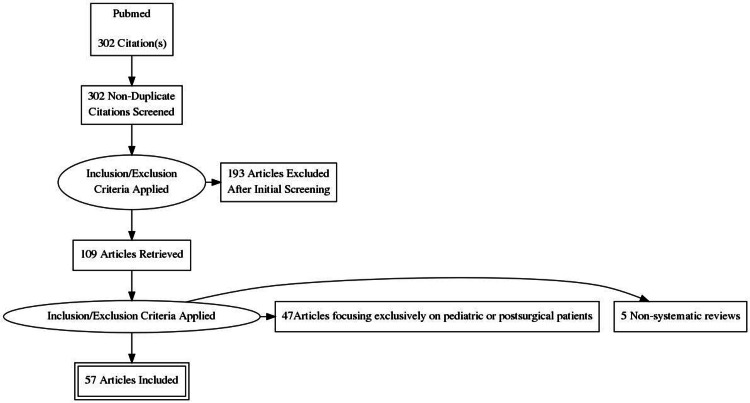
Sepsis is a condition characterized by high morbidity and mortality which is commonly encountered in an emergency and critical care setting. Despite a substantial body of research, the ideal biomarker for the diagnosis and prognostic stratification of septic patients remains unknown. This review aimed to summarize the publications referring to the validity of the biomarker presepsin when used for the detection, monitoring and prognosis in patients suffering with sepsis. This work is a narrative review based on a PubMed/Medline search conducted in order to identify all relevant publications referring to the use of presepsin in sepsis. Search was not limited by year of publication so all articles archived in the database would be retrieved. No article from before 2010 was identified. A total of 57 publications of the last decade were included, all of which support the use of presepsin as a biomarker for the assessment of septic patients. It has been used alone or in combination with commonly used biomarkers in the evaluation of patients with sepsis in settings such as the emergency department and the intensive care unit. It is useful in the initial workup of patients with suspected sepsis in the emergency setting and may be a predictive factor of mortality and the most severe complication of sepsis. Presepsin seems to be a valuable tool for the laboratory workup of sepsis, especially when used in conjunction with other biomarkers and clinical rating scores with an established role in this population. Further research is needed to evaluate the clinical implications of utilizing presepsin measurements in the workup of sepsis.
脓毒症是一种发病率和死亡率都很高的病症,在急诊和重症监护环境中很常见。尽管有大量研究,但用于脓毒症患者诊断和预后分层的理想生物标志物仍然未知。本综述旨在总结有关可溶性髓系细胞触发受体-1(presepsin)作为生物标志物用于脓毒症患者检测、监测和预后评估有效性的相关文献。这项工作是一项叙述性综述,基于对PubMed/Medline进行的检索,以识别所有提及presepsin在脓毒症中应用的相关文献。检索不受出版年份限制,因此将检索数据库中存档的所有文章。未检索到2010年以前的文章。共纳入了过去十年的57篇文献,所有这些文献均支持将presepsin用作评估脓毒症患者的生物标志物。它已单独使用或与常用生物标志物联合用于急诊科和重症监护病房等环境中脓毒症患者的评估。它在急诊环境中对疑似脓毒症患者的初步检查中很有用,可能是死亡率和脓毒症最严重并发症的预测因素。Presepsin似乎是脓毒症实验室检查的一个有价值的工具,尤其是当它与其他生物标志物和在该人群中已确立作用的临床评分相结合使用时。需要进一步研究以评估在脓毒症检查中利用presepsin测量的临床意义。