Muppala Sridevi, Gudlavalleti Pavan Kumar, Malireddy Kodandarami Reddy, Puligundla Sateesh Kumar, Dasari Premalatha
Department of Biotechnology, Nuziveedu Seeds Limited, Hyderabad, Telangana, 501401, India.
Department of Biotechnology, Jawaharlal Nehru Technological University, Hyderabad, Telangana, 500085, India.
J Genet Eng Biotechnol. 2021 Jun 24;19(1):96. doi: 10.1186/s43141-021-00195-2.
In crop plants, to cope up with the demand of food for rising population, revolutionary crop improvement programmes are being implemented for higher and higher yields. Abiotic stress, especially at flowering stage, causes drastic effect on yield in plants. Deforestation and urbanization made the water table very low and changed the climate which led to untimely and unforeseen rains which affect the yield of a crop through stress, both by lack of water as well as water logging (abiotic stress). Development of tolerant plants through breeding is a time-consuming programme and does not perform well in normal conditions. Development of stress-tolerant plants through transgenic technology is the better solution. Maize is a major crop used as food and fodder and has the commercial value in ethanol production. Hence, the genes viz., nced (9-cis-epoxycarotenoid dioxygenase) and rpk (receptor-like protein kinase), which play the key roles in the abscisic acid pathway and upstream component in ABA signaling have been transferred into maize plants through Agrobacterium-mediated transformation by optimizing several parameters to obtain maximum frequency of transformation.
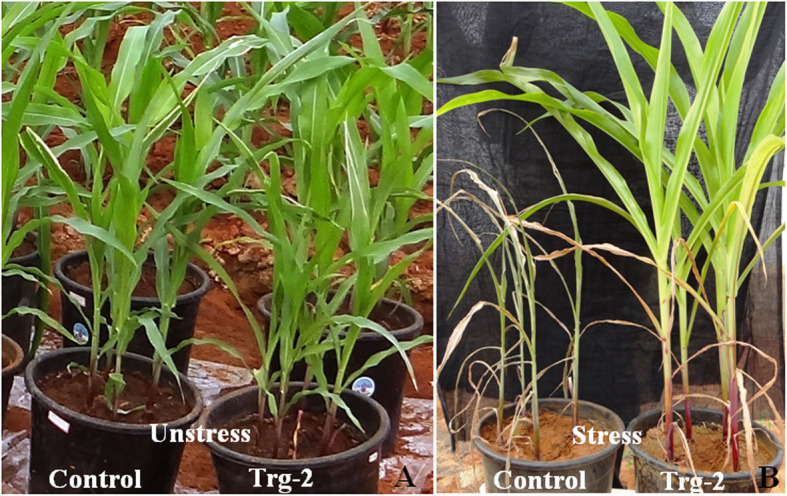
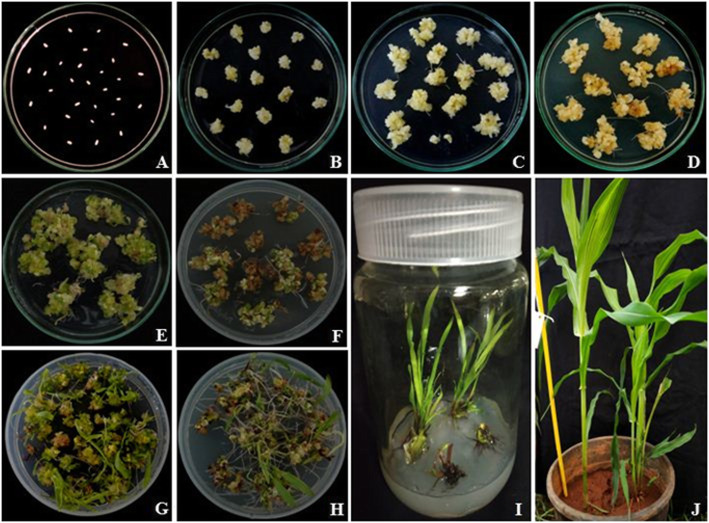
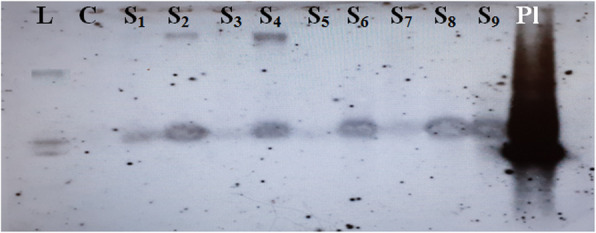
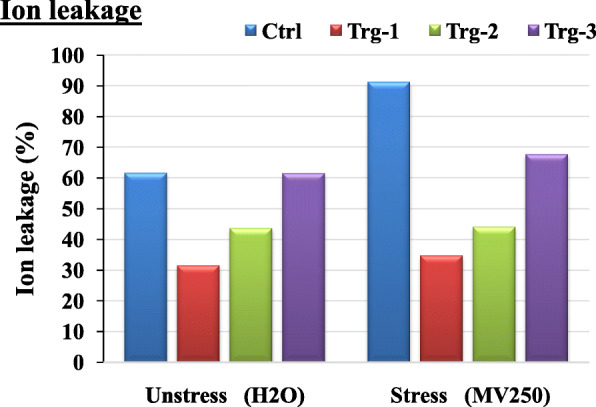
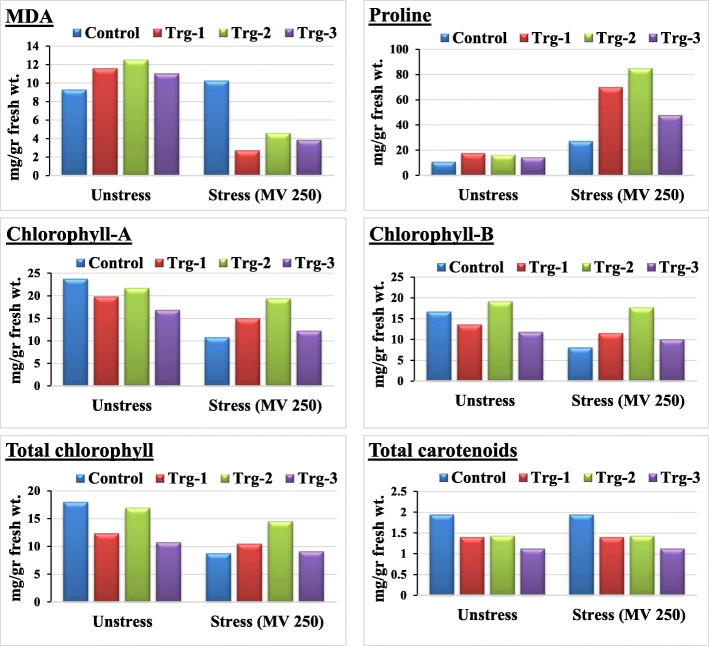
Cultures raised from immature embryos of 2-mm size isolated from maize cobs, 12-15 days after pollination, were used for transformation. rpk and nced genes under the control of leaP and salT promoters respectively, cloned using gateway technology, have been introduced into elite maize inbred lines. Maximum frequency of transformation was observed with the callus infected after 20 days of inoculation by using 100 μM acetosyringone, 10 min infection time, and 2 days incubation period after co-cultivation resulted in maximum frequency of transformation (6%) in the NM5884 inbred line. Integration of the genes has been confirmed with molecular characterization by performing PCRs with marker as well as gene-specific primers and through southern hybridization. Physiological and biochemical characterization was done in vitro (artificial stress) and in vivo (pot experiments).
Changes in the parameters which affect the transformation frequency yielded maximum frequency of transformation with 20-day-old callus in the NM5884 inbred line. Introducing two or more genes using gateway technology is useful for developing stable transgenic plants with desired characters, abiotic stress tolerance in this study.
在农作物中,为了满足不断增长的人口对粮食的需求,正在实施革命性的作物改良计划以实现更高的产量。非生物胁迫,尤其是在开花期,会对植物产量产生巨大影响。森林砍伐和城市化导致地下水位极低,改变了气候,引发了不合时宜且不可预见的降雨,这通过缺水和涝灾(非生物胁迫)对作物产量产生影响。通过育种培育耐胁迫植物是一个耗时的计划,并且在正常条件下表现不佳。通过转基因技术培育耐胁迫植物是更好的解决方案。玉米是一种主要用作食物和饲料的作物,在乙醇生产中具有商业价值。因此,在脱落酸途径中起关键作用以及在ABA信号传导中作为上游成分的基因,即nced(9-顺式环氧类胡萝卜素双加氧酶)和rpk(类受体蛋白激酶),已通过农杆菌介导的转化被转入玉米植株,通过优化多个参数以获得最高的转化频率。
从授粉后12 - 15天的玉米穗轴上分离出的2毫米大小的未成熟胚培养的愈伤组织用于转化。分别在leaP和salT启动子控制下的rpk和nced基因,使用Gateway技术克隆后,已被导入优良玉米自交系。通过使用100μM乙酰丁香酮、10分钟感染时间以及共培养后2天的孵育期,在接种20天后感染愈伤组织时观察到最高的转化频率,在NM5884自交系中达到了最高转化频率(6%)。通过使用标记物以及基因特异性引物进行PCR以及Southern杂交,通过分子鉴定确认了基因的整合。在体外(人工胁迫)和体内(盆栽试验)进行了生理和生化鉴定。
影响转化频率的参数变化在NM5884自交系中使20日龄愈伤组织获得了最高的转化频率。使用Gateway技术导入两个或更多基因对于培育具有所需性状的稳定转基因植物是有用的,在本研究中是培育耐非生物胁迫的植物。