Risha Marua Abu, Ali Asghar, Siengdee Puntita, Trakooljul Nares, Haack Fiete, Dannenberger Dirk, Wimmers Klaus, Ponsuksili Siriluck
Institute of Genome Biology, Functional Genome Analysis Research Unit, Leibniz Institute for Farm Animal Biology (FBN), Dummerstorf, Germany.
Institute of Muscle Biology and Growth, Leibniz Institute for Farm Animal Biology (FBN), Dummerstorf, Germany.
PeerJ. 2021 Jun 14;9:e11625. doi: 10.7717/peerj.11625. eCollection 2021.
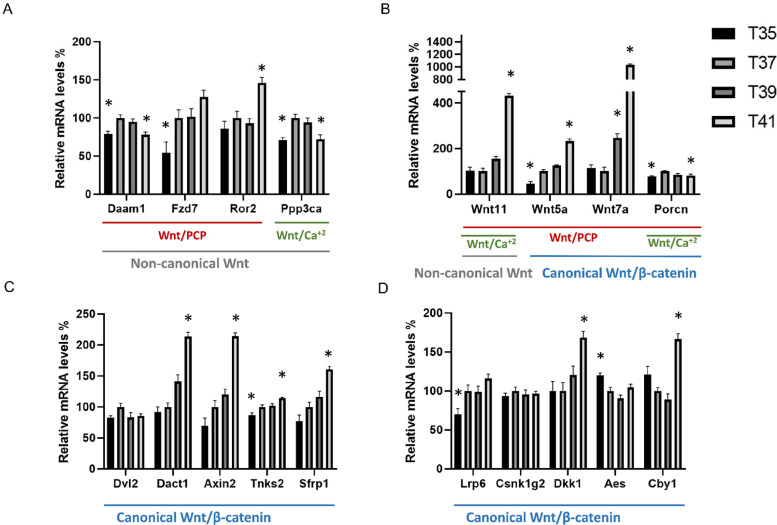
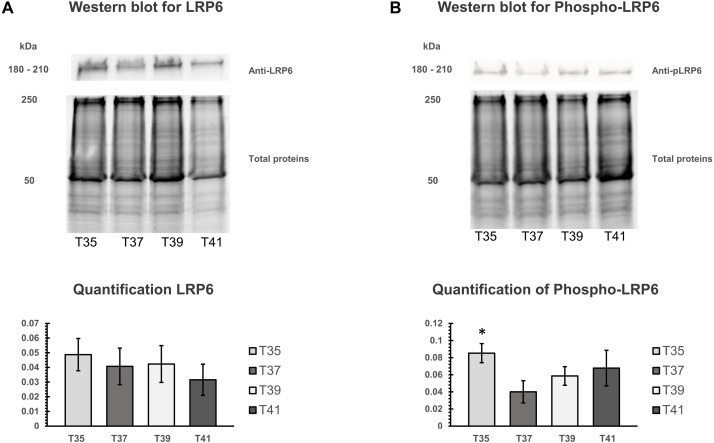
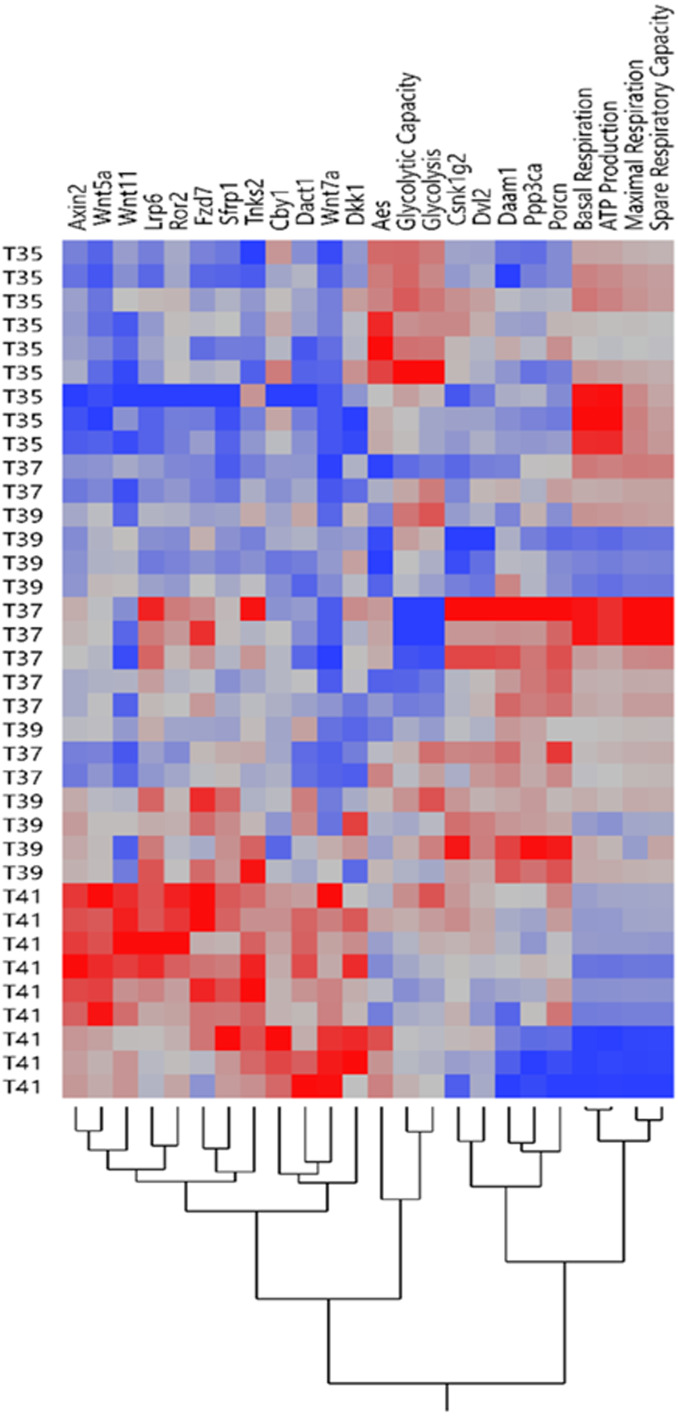
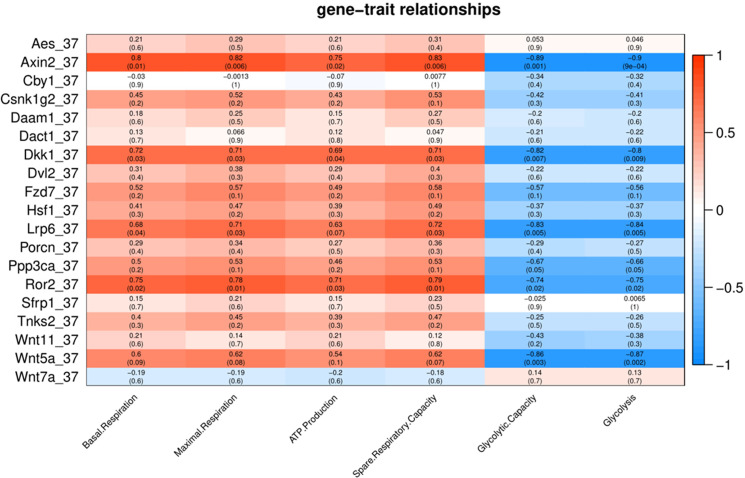
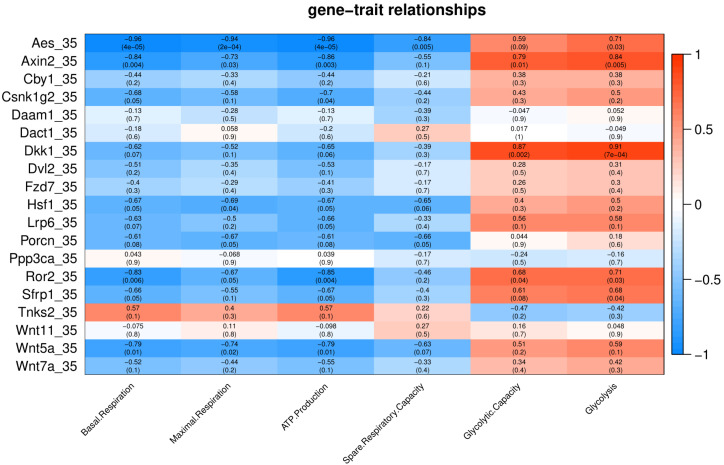
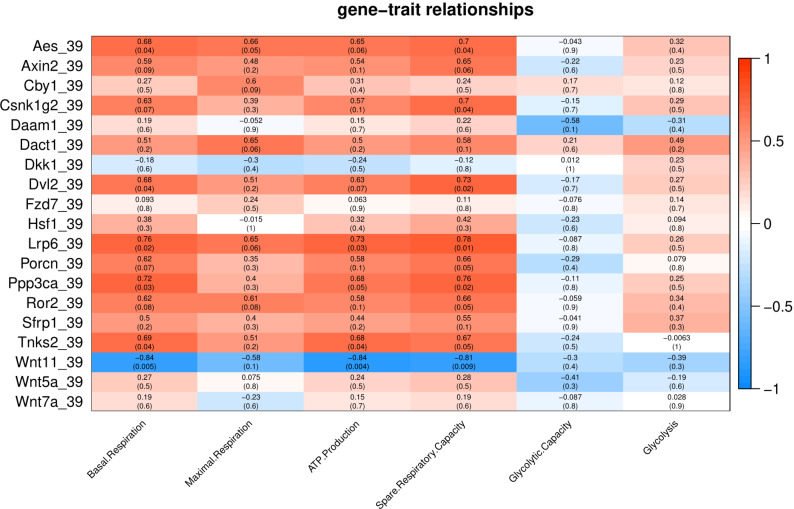
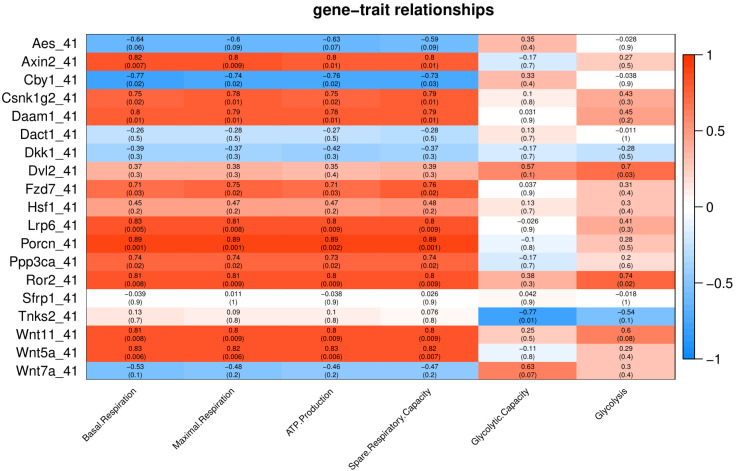
Temperature stress is one of the main environmental stressors affecting the welfare, health and productivity of livestock. Temperature changes can modify cell membrane components, disrupting the crosstalk between the cell and its surroundings by affecting signaling pathways including Wnt signaling pathway, which subsequently disrupts cell energy metabolism. The present study aims to understand the effect of temperature stress on the expression of genes involved in Wnt signaling pathways, and their interaction with energy metabolism in C2C12 myoblasts cells. The C2C12 cells were exposed to cold stress (35 °C), mild heat stress (39 °C) and severe heat stress (41 °C), whereas 37 °C was used as control temperature. Transcript levels of important genes involved in Wnt signaling including , and were significantly altered under severe heat stress (41 °C), whereas eight Wnt signaling-related transcripts ( and ) were significantly altered under cold stress (35 °C) compared to control. Under heat stress transcripts of the Wnt/β-catenin inhibitors (, and ) and negative regulators ( and ) are activated. A positive correlation between oxidative phosphorylation and Wnt-related transcripts was found under high temperatures. Transcripts of the cell membrane receptors, including and , and the members of Wnt/Ca signaling pathway, including and were downregulated under cold stress. Many Wnt signaling-related transcripts were positively correlated with glycolysis under cold stress. These findings indicate a cross-talk between Wnt signaling and energy metabolism under thermal stress.
温度应激是影响家畜福利、健康和生产力的主要环境应激源之一。温度变化可改变细胞膜成分,通过影响包括Wnt信号通路在内的信号转导途径,破坏细胞与其周围环境之间的相互作用,进而扰乱细胞能量代谢。本研究旨在了解温度应激对C2C12成肌细胞中Wnt信号通路相关基因表达的影响,以及它们与能量代谢的相互作用。将C2C12细胞暴露于冷应激(35℃)、轻度热应激(39℃)和重度热应激(41℃)下,而37℃用作对照温度。在重度热应激(41℃)下,参与Wnt信号传导的重要基因(包括 、 和 )的转录水平显著改变,而与对照相比,在冷应激(35℃)下,八个与Wnt信号相关的转录本( 和 )显著改变。在热应激下,Wnt/β-连环蛋白抑制剂( 、 和 )和负调控因子( 和 )的转录本被激活。在高温下,发现氧化磷酸化与Wnt相关转录本之间存在正相关。在冷应激下,细胞膜受体(包括 和 )以及Wnt/Ca信号通路成员(包括 和 )的转录本下调。在冷应激下,许多与Wnt信号相关的转录本与糖酵解呈正相关。这些发现表明热应激下Wnt信号与能量代谢之间存在相互作用。