Institute of Bioengineering, Queen Mary University of London, London E1 4NS, U.K.
School of Engineering and Materials Science, Queen Mary University of London, London E1 4NS, U.K.
ACS Nano. 2021 Jul 27;15(7):11202-11217. doi: 10.1021/acsnano.0c09814. Epub 2021 Jun 28.
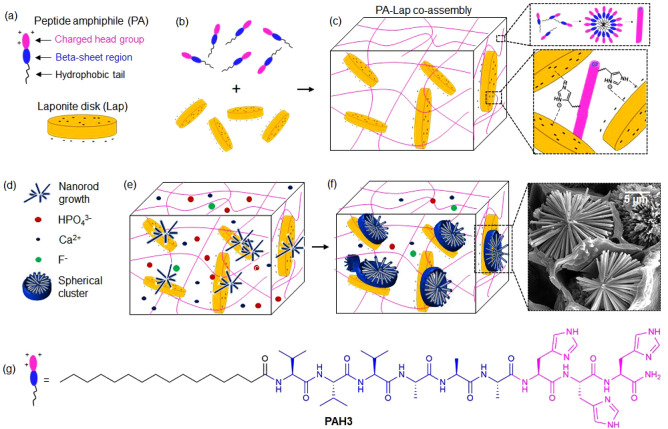
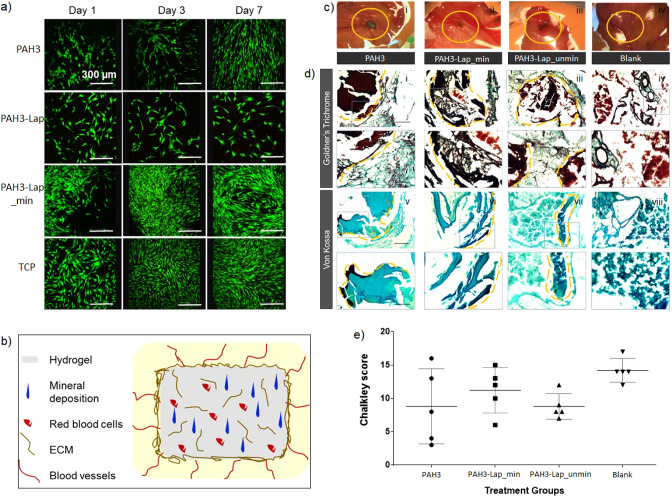
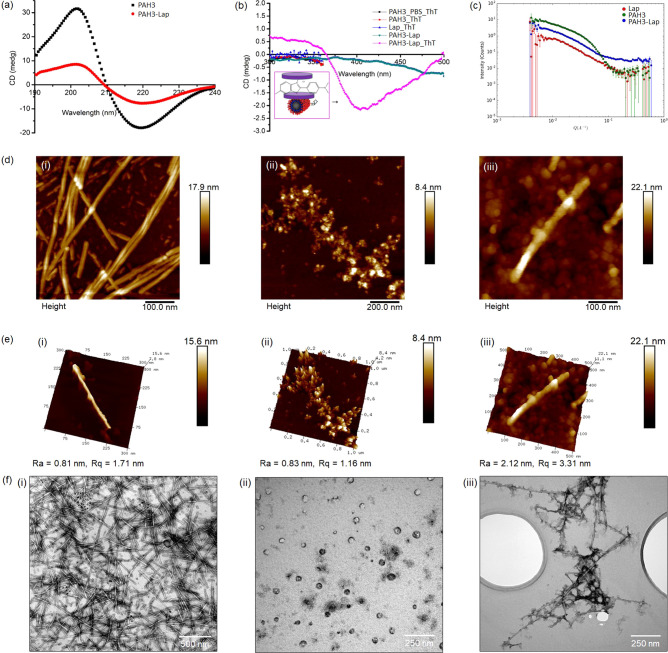
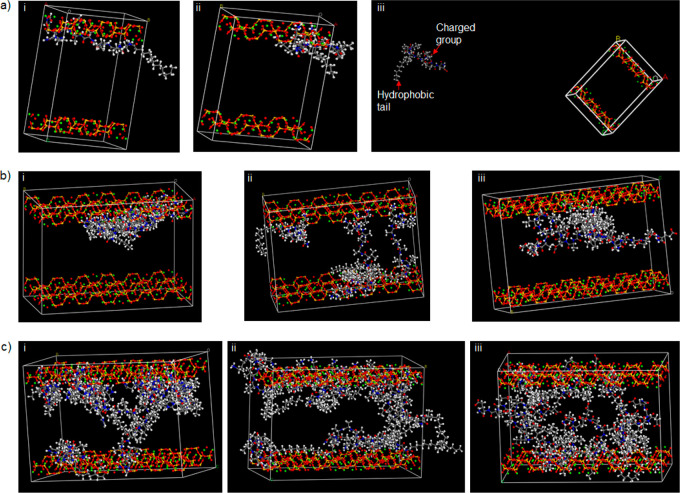
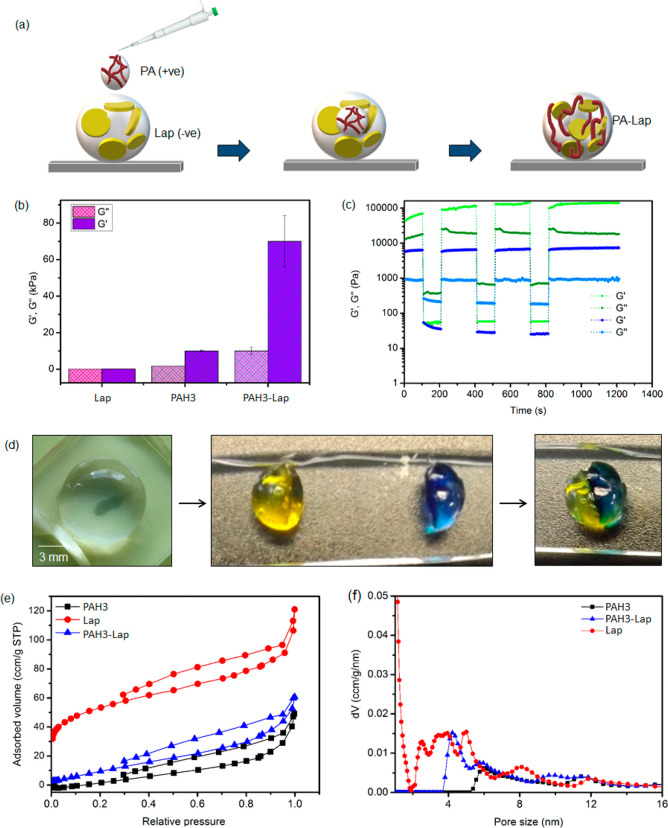
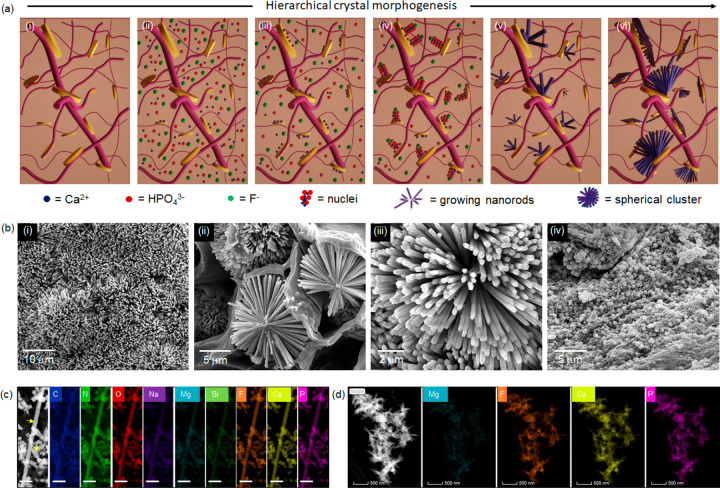
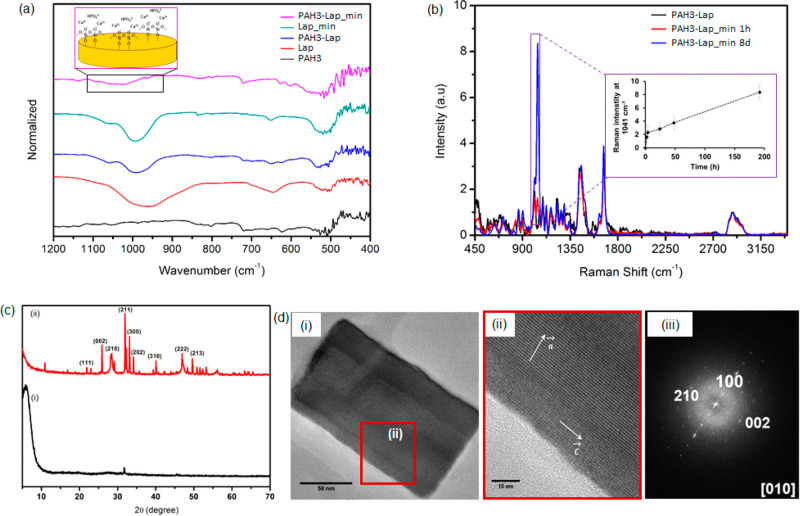
Synthetic nanostructured materials incorporating both organic and inorganic components offer a unique, powerful, and versatile class of materials for widespread applications due to the distinct, yet complementary, nature of the intrinsic properties of the different constituents. We report a supramolecular system based on synthetic nanoclay (Laponite, ) and peptide amphiphiles (PAs, ) rationally designed to coassemble into nanostructured hydrogels with high structural integrity and a spectrum of bioactivities. Spectroscopic and scattering techniques and molecular dynamic simulation approaches were harnessed to confirm that nanofibers electrostatically adsorbed and conformed to the surface of nanodisks. Electron and atomic force microscopies also confirmed an increase in diameter and surface area of nanofibers after coassembly with . Dynamic oscillatory rheology revealed that the coassembled hydrogels displayed high stiffness and robust self-healing behavior while gas adsorption analysis confirmed a hierarchical and heterogeneous porosity. Furthermore, this distinctive structure within the three-dimensional (3D) matrix provided spatial confinement for the nucleation and hierarchical organization of high-aspect ratio hydroxyapatite nanorods into well-defined spherical clusters within the 3D matrix. Applicability of the organic-inorganic hydrogels was assessed using human bone marrow-derived stromal cells (hBMSCs) and using a chick chorioallantoic membrane (CAM) assay. The results demonstrated that the organic-inorganic hydrogels promote human skeletal cell proliferation and, upon mineralization, integrate with the CAM, are infiltrated by blood vessels, stimulate extracellular matrix production, and facilitate extensive mineral deposition relative to the controls.
基于合成纳米粘土(Laponite )和肽两亲分子(PAs )的超分子体系被设计为可组装成具有高结构完整性和多种生物活性的纳米结构水凝胶。光谱和散射技术以及分子动力学模拟方法被用来证实纳米纤维静电吸附并符合纳米盘的表面。电子显微镜和原子力显微镜也证实了纳米纤维与组装后的直径和表面积增加。动态振荡流变学表明,共组装的水凝胶表现出高刚性和强大的自修复行为,而气体吸附分析证实了分层和不均匀的多孔性。此外,这种三维(3D )基质内的独特结构为高纵横比羟基磷灰石纳米棒的成核和分级组织提供了空间限制,形成了 3D 基质内的规则球形簇。使用人骨髓基质细胞(hBMSCs )和鸡胚尿囊膜(CAM )评估了有机-无机水凝胶的适用性。结果表明,有机-无机水凝胶促进人成骨细胞的增殖,并且在矿化后与 CAM 整合,被血管浸润,刺激细胞外基质的产生,并相对于对照促进广泛的矿物质沉积。