Department of Clinical Immunology, Auckland Hospital, Auckland, New Zealand; Department of Virology and Immunology, Auckland Hospital, Auckland, New Zealand; Department of Molecular Medicine and Pathology, School of Medicine, Faculty of Medical and Health Sciences, University of Auckland, Auckland, New Zealand.
Department of Clinical Immunology, Auckland Hospital, Auckland, New Zealand; Department of Medicine, School of Medicine, Faculty of Medical and Health Sciences, University of Auckland, Auckland, New Zealand.
J Allergy Clin Immunol Pract. 2021 Oct;9(10):3575-3583. doi: 10.1016/j.jaip.2021.06.019. Epub 2021 Jun 25.
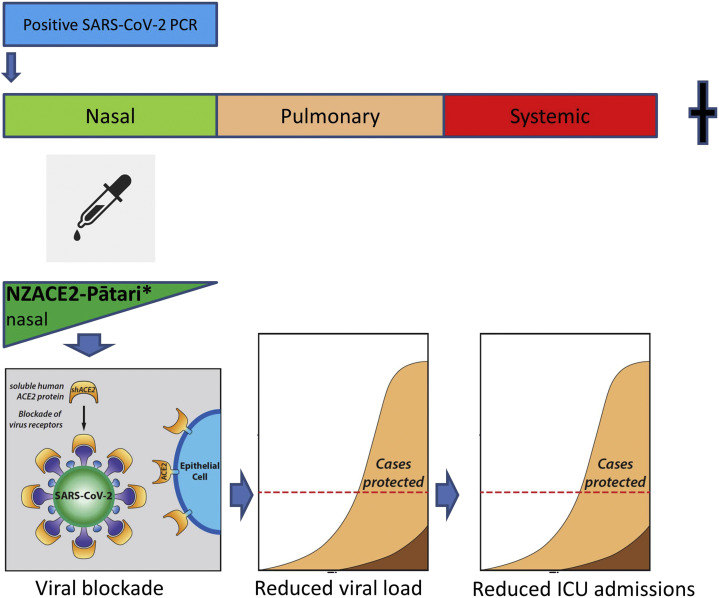
COVID-19 has had a calamitous effect on the global community. Despite intense study, the immunologic response to the infection is only partially understood. In addition to older age and ethnicity, patients with comorbidities including obesity, diabetes, hypertension, coronary artery disease, malignancy, renal, and pulmonary disease may experience severe outcomes. Some patients with primary immunodeficiency (PID) and secondary immunodeficiency also appear to be at increased risk from COVID-19. In addition to vulnerability to SARS-CoV-2, patients with PIDs often have chronic pulmonary disease and may not respond to vaccines, which exacerbates their long-term risk. Patients with common variable immunodeficiency disorders, the most frequent symptomatic PID in adults and children, have a spectrum of B- and T-cell defects. It may be possible to stratify their risk for severe COVID-19 based on age, ethnicity, the severity of the T-cell defect, and the presence of other comorbidities. Patients with common variable immunodeficiency disorders and other immunodeficiencies are at risk for Chronic COVID-19, a dangerous stalemate between a suboptimal immune response and SARS-CoV-2. Intra-host viral evolution could result in the rapid emergence of vaccine-resistant mutants and variants of high consequence; it is a public health emergency. Vaccination and prevention of Chronic COVID-19 in immunodeficient patients is therefore of the utmost priority. Having a reliable diagnostic assay for T-cell immunity to SARS-CoV-2 is critical for evaluating responses to vaccines in these patients. New treatments for SARS-CoV-2 such as NZACE2-Pātari are likely to be particularly beneficial for immunodeficient patients, especially those who fail to mount a robust T-cell response to COVID-19 vaccines.
COVID-19 对全球社会造成了灾难性的影响。尽管进行了深入研究,但人们对感染的免疫反应仍只是部分了解。除了年龄和种族因素外,患有肥胖症、糖尿病、高血压、冠心病、恶性肿瘤、肾脏和肺部疾病等合并症的患者可能会出现严重后果。一些原发性免疫缺陷(PID)和继发性免疫缺陷患者似乎也面临更高的 COVID-19 风险。除了对 SARS-CoV-2 的易感性之外,PID 患者通常还患有慢性肺部疾病,并且可能对疫苗没有反应,这会增加他们的长期风险。常见可变免疫缺陷症患者,即成人和儿童中最常见的有症状 PID,存在 B 细胞和 T 细胞缺陷。根据年龄、种族、T 细胞缺陷的严重程度以及其他合并症的存在,可能可以对其 COVID-19 重症风险进行分层。常见可变免疫缺陷症患者和其他免疫缺陷患者存在慢性 COVID-19 的风险,这是一种免疫反应不佳和 SARS-CoV-2 之间危险的僵局。病毒在宿主内的进化可能导致疫苗耐药突变体和高后果变体的迅速出现;这是一个公共卫生紧急情况。因此,免疫缺陷患者的疫苗接种和预防慢性 COVID-19 是当务之急。拥有针对 SARS-CoV-2 的 T 细胞免疫的可靠诊断检测方法对于评估这些患者对疫苗的反应至关重要。针对 SARS-CoV-2 的新型治疗方法,如 NZACE2-Pātari,可能对免疫缺陷患者特别有益,特别是那些对 COVID-19 疫苗无法产生强大 T 细胞反应的患者。