Center for Proteomics and Bioinformatics Department of Nutrition School of Medicine Case Western Reserve University Cleveland Ohio USA.
Division of General Medical Sciences School of Medicine Case Western Reserve University Cleveland Ohio USA.
J Extracell Vesicles. 2021 Jun;10(8):e12112. doi: 10.1002/jev2.12112. Epub 2021 Jun 18.
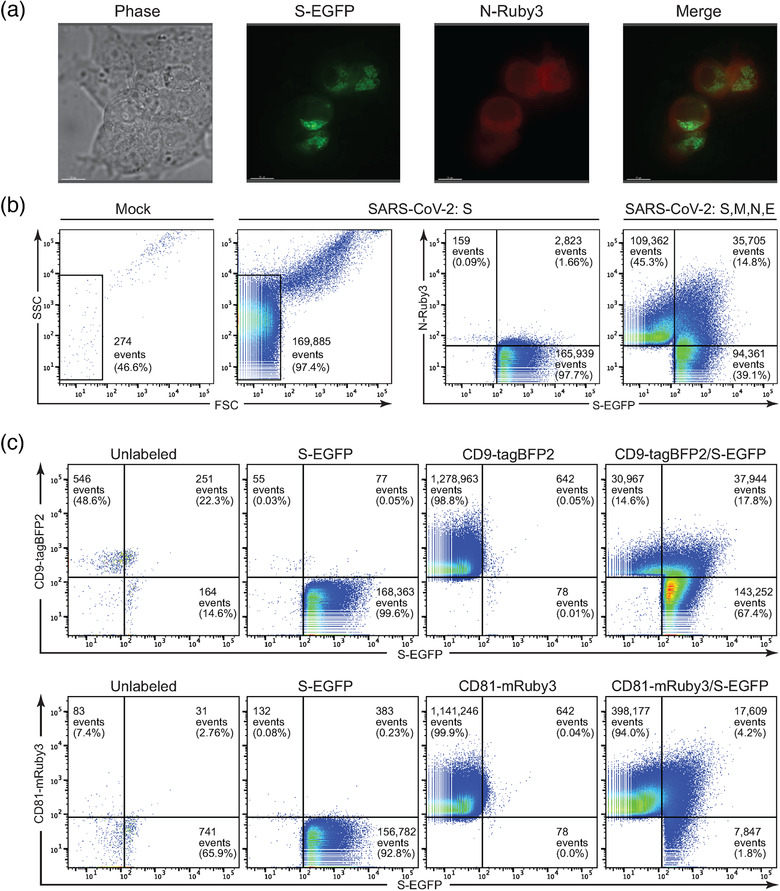
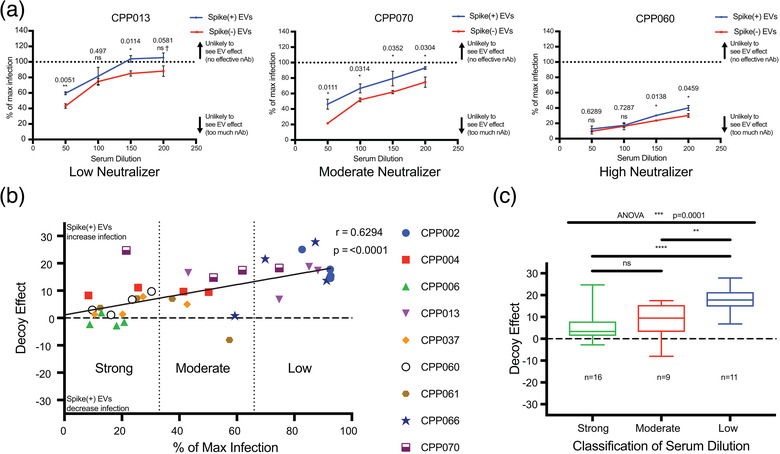
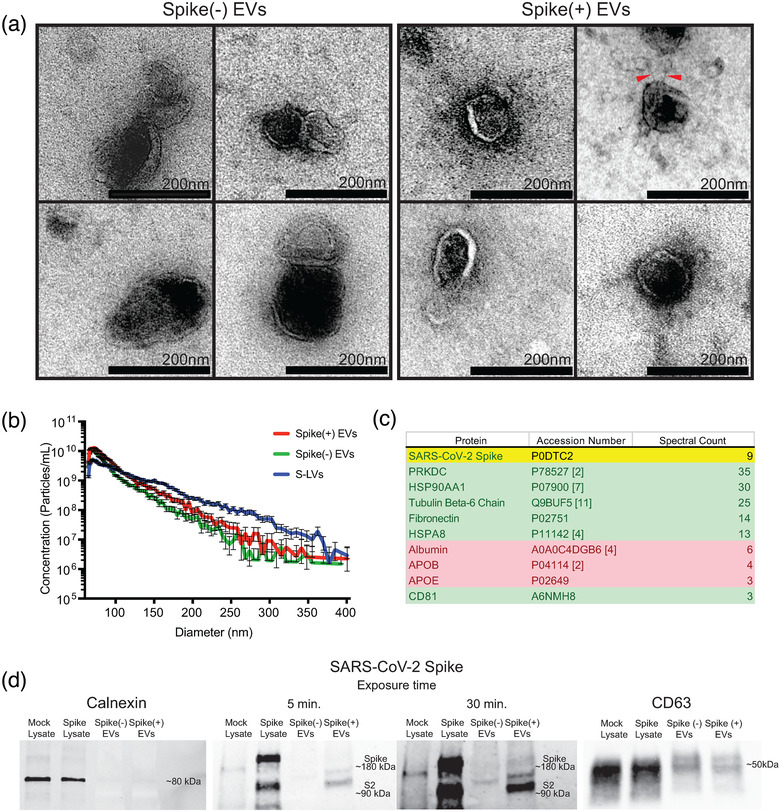
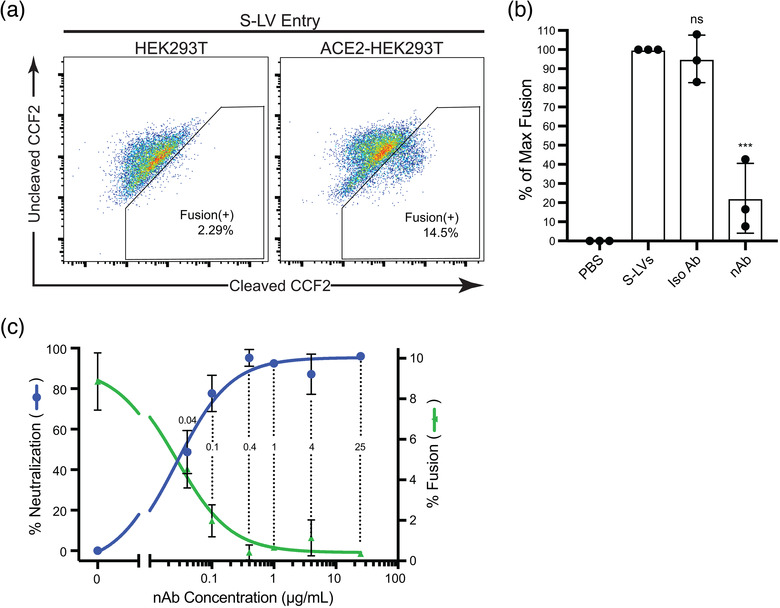
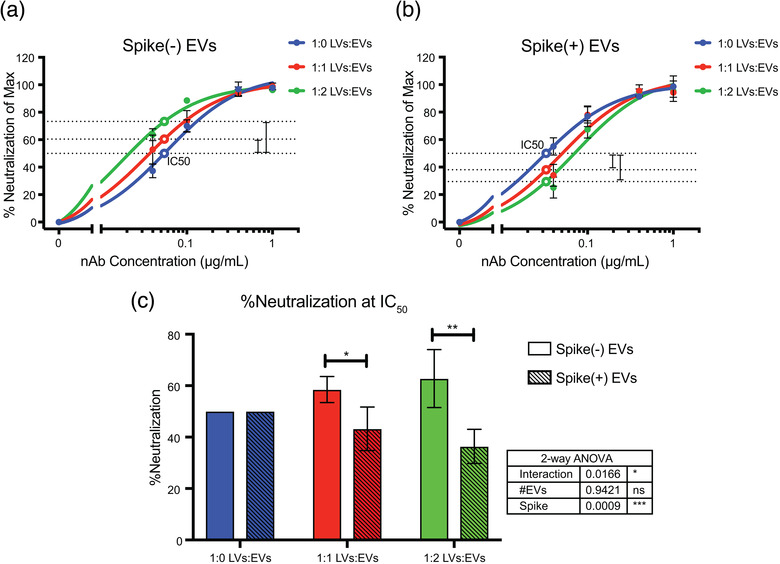
In late 2019, a novel coronavirus named severe acute respiratory syndrome coronavirus 2 (SARS-CoV-2) emerged in Wuhan, China. SARS-CoV-2 and the disease it causes, coronavirus disease 2019 (COVID-19), spread rapidly and became a global pandemic in early 2020. SARS-CoV-2 spike protein is responsible for viral entry and binds to angiotensin converting enzyme 2 (ACE2) on host cells, making it a major target of the immune system - particularly neutralizing antibodies (nAbs) that are induced by infection or vaccines. Extracellular vesicles (EVs) are small membraned particles constitutively released by cells, including virally-infected cells. EVs and viruses enclosed within lipid membranes share some characteristics: they are small, sub-micron particles and they overlap in cellular biogenesis and egress routes. Given their shared characteristics, we hypothesized that EVs released from spike-expressing cells could carry spike and serve as decoys for anti-spike nAbs, promoting viral infection. Here, using mass spectrometry and nanoscale flow cytometry (NFC) approaches, we demonstrate that SARS-CoV-2 spike protein can be incorporated into EVs. Furthermore, we show that spike-carrying EVs act as decoy targets for convalescent patient serum-derived nAbs, reducing their effectiveness in blocking viral entry. These findings have important implications for the pathogenesis of SARS-CoV-2 infection in vivo and highlight the complex interplay between viruses, extracellular vesicles, and the immune system that occurs during viral infections.
2019 年末,一种新型冠状病毒——严重急性呼吸综合征冠状病毒 2(SARS-CoV-2)在中国武汉出现。SARS-CoV-2 及其引起的疾病,即 2019 年冠状病毒病(COVID-19),迅速传播,并于 2020 年初成为全球大流行。SARS-CoV-2 的刺突蛋白负责病毒进入,并与宿主细胞上的血管紧张素转换酶 2(ACE2)结合,使其成为免疫系统的主要靶标 - 特别是由感染或疫苗诱导的中和抗体(nAbs)。细胞(包括病毒感染的细胞)持续释放的小膜颗粒称为细胞外囊泡(EVs)。EVs 和脂质膜内的病毒具有一些共同特征:它们是小的亚微米颗粒,并且在细胞发生和出芽途径中重叠。鉴于它们的共同特征,我们假设从表达刺突蛋白的细胞释放的 EVs 可以携带刺突蛋白,并作为中和抗刺突 nAbs 的诱饵,促进病毒感染。在这里,我们使用质谱和纳米级流式细胞术(NFC)方法证明了 SARS-CoV-2 刺突蛋白可以整合到 EVs 中。此外,我们还表明,携带刺突的 EVs 可以作为恢复期患者血清来源的 nAbs 的诱饵靶标,降低其阻断病毒进入的有效性。这些发现对 SARS-CoV-2 感染体内发病机制具有重要意义,并强调了病毒、细胞外囊泡和免疫系统在病毒感染过程中相互作用的复杂性。