Dipartimento di Chimica, Università degli Studi di Milano, Via Golgi, 19, Milan, Italy.
Department of Humanities, University of Trento, via Tommaso Gar 14 I, Trento, Italy.
Environ Sci Pollut Res Int. 2022 Apr;29(20):29419-29437. doi: 10.1007/s11356-021-15085-w. Epub 2021 Jul 1.
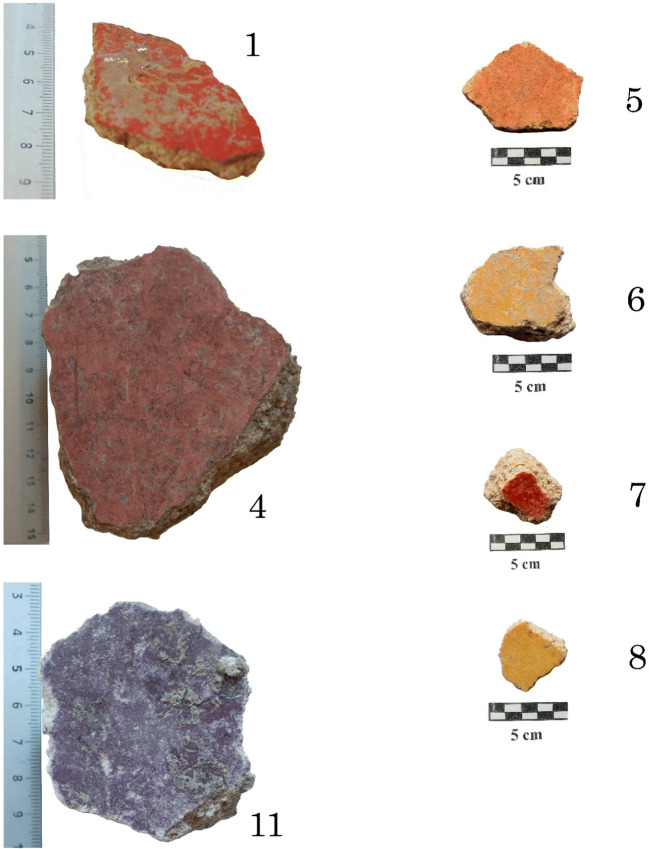
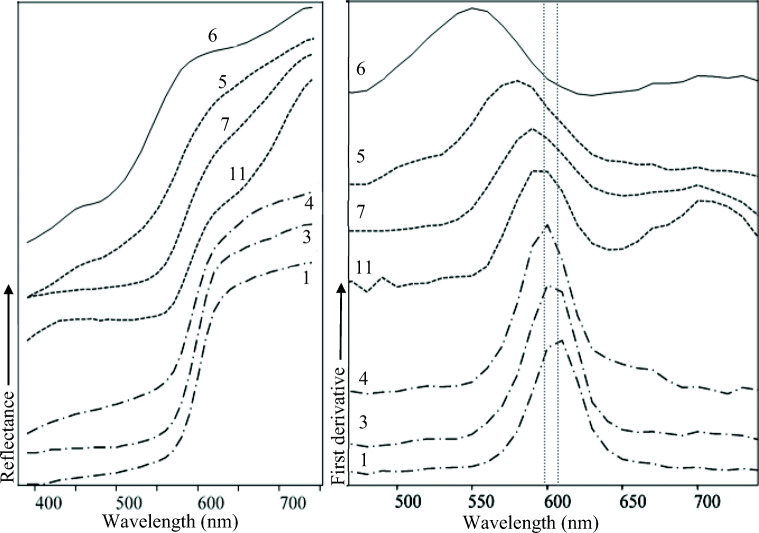
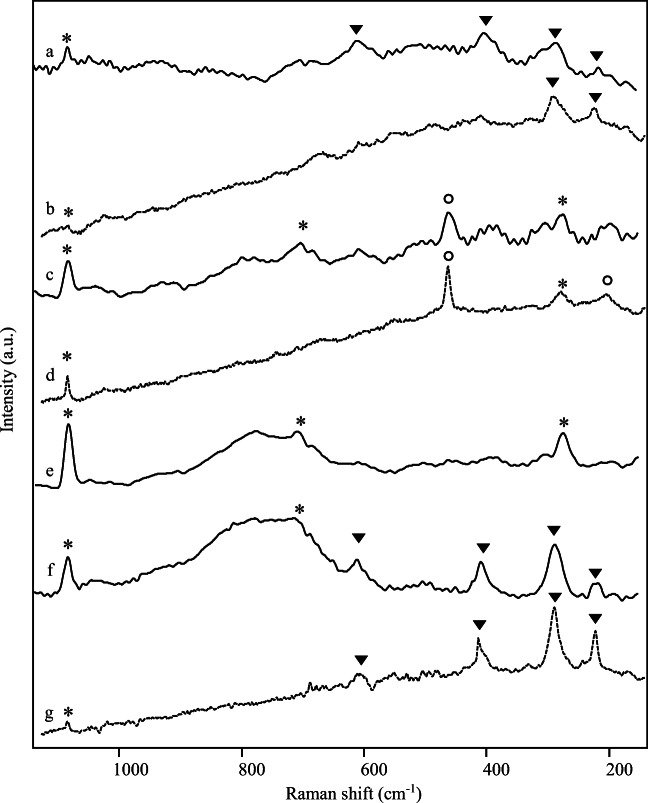
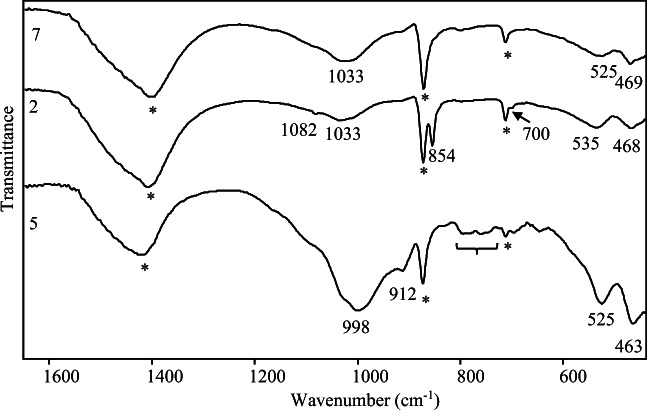
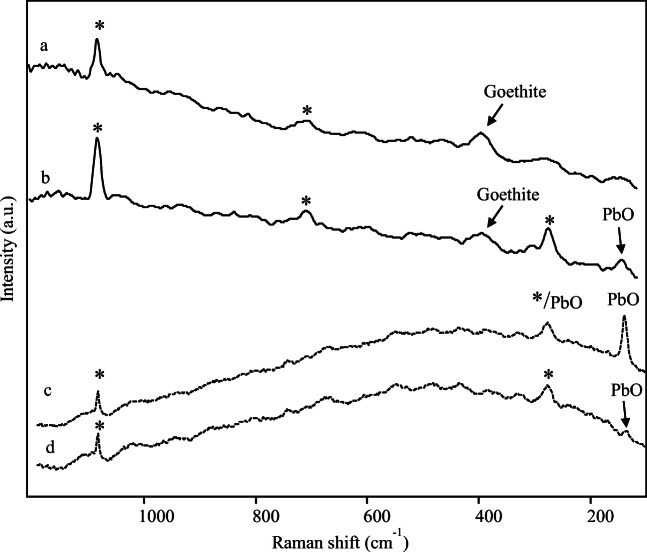
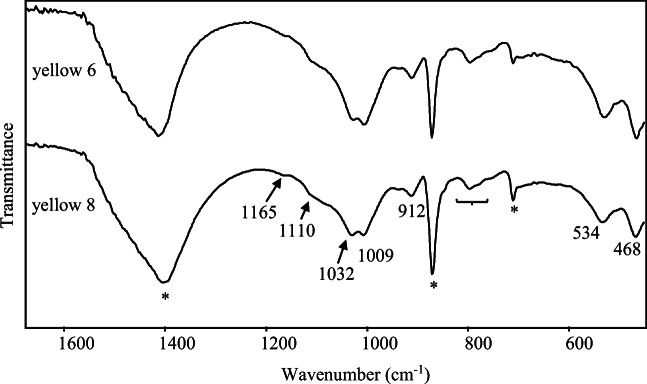
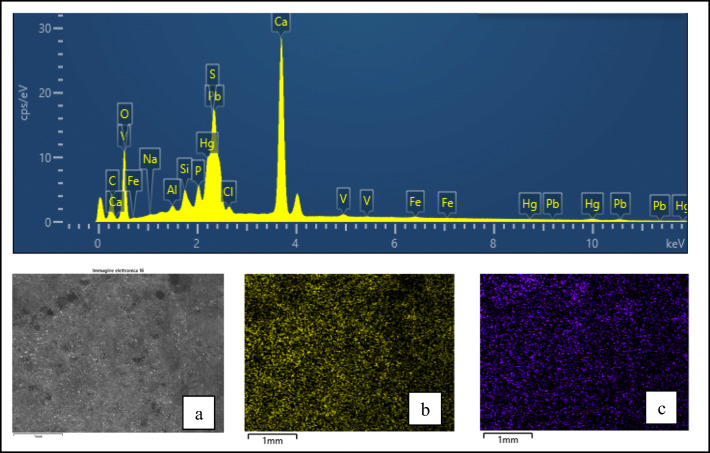
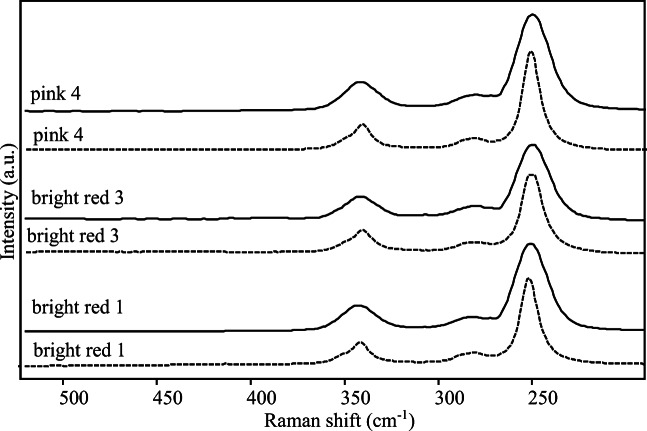
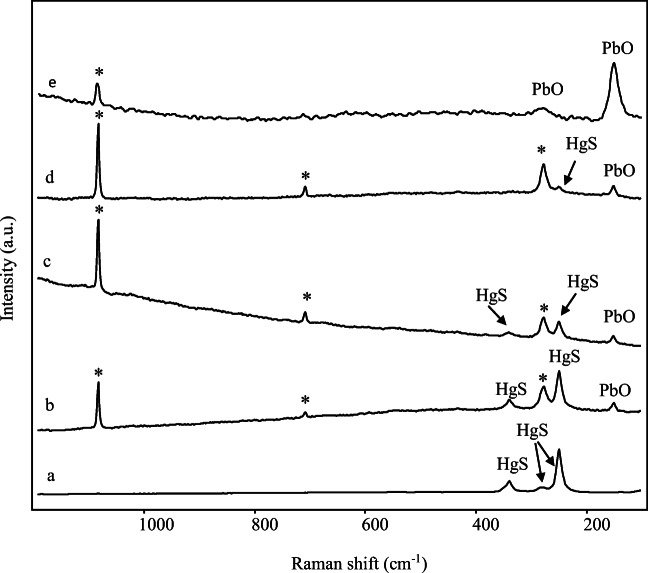
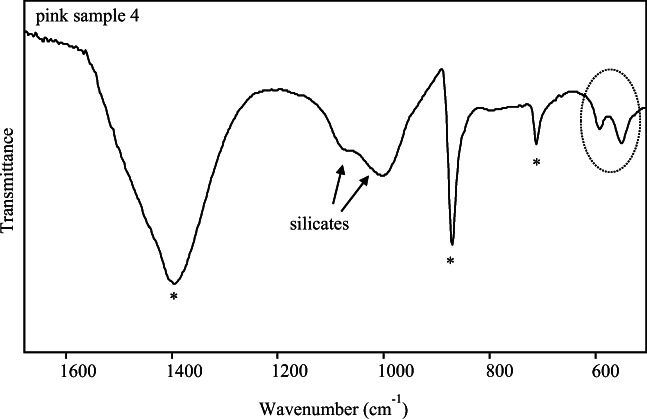
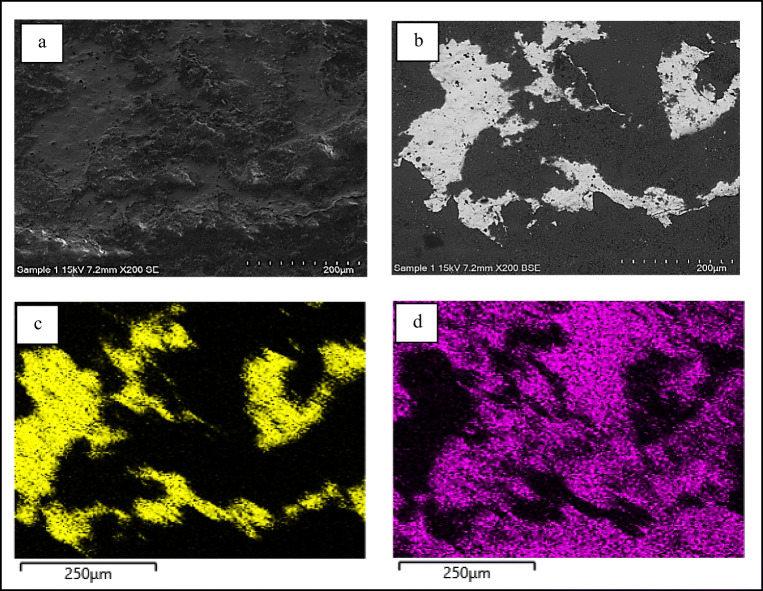
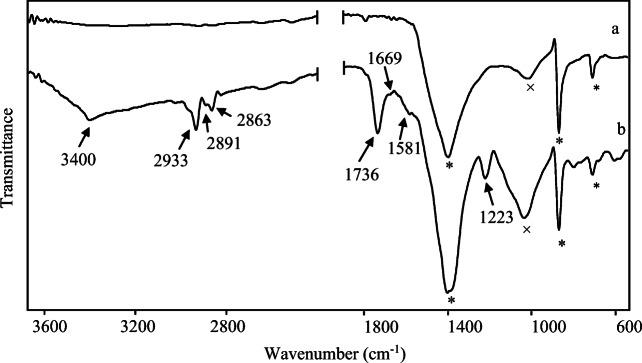
The aim of this work has been the identification of the painter's materials employed in the wall decoration of some destroyed buildings dating approximately between the first century B.C. and the first century A.D. This research originates from a previously started joined archaeological and analytical investigation concerning a varied group of findings that resulted from a rescue excavation performed by Soprintendenza Archeologica in the area of Monte d'Oro in Rome. The focus of this study progression has been directed to a numerous selection of monochrome red, pink and yellow-pigmented fragments. The analyses were performed by means of scanning electron microscopy energy dispersive X-ray spectroscopy (SEM-EDX) combined with Raman and Fourier transform infrared (FTIR) spectroscopies; visible reflectance measurements have also been carried out and the relevance of this technique in such a kind of archaeological studies has been highlighted. Most attention has been given to the assessment of the performances of non-destructive techniques achieved by portable Raman, and visible reflectance instrumentation to test their diagnostic capabilities. In addition to the expected and well-known pigments such as cinnabar, red ochre, hematite for the reds and yellow ochre for the yellows, the study highlighted a diffuse use of mixed colours and in some cases the possible presence of overlapped painted layers and confirmed the presence of gildings. Among the mixtures of pigments, the most singular outcome concerns the pink fragments revealing the possible application of bone white, which seems to be rather uncommon as a pigment in Roman wall decorations.
这项工作的目的是确定在公元前一世纪至公元一世纪之间一些被破坏的建筑物的墙壁装饰中使用的画家材料。这项研究源于之前开始的联合考古和分析调查,涉及一组从罗马蒙特多罗地区的 Soprintendenza Archeologica 进行的抢救性挖掘中获得的各种发现。本研究进展的重点是大量单色红色、粉红色和黄色着色碎片。分析是通过扫描电子显微镜能量色散 X 射线光谱 (SEM-EDX) 与拉曼和傅里叶变换红外 (FTIR) 光谱相结合进行的;还进行了可见反射率测量,并强调了这种技术在这种考古研究中的重要性。最关注的是评估便携式拉曼和可见反射率仪器实现的非破坏性技术的性能,以测试其诊断能力。除了预期和众所周知的颜料,如朱砂、红赭石、赤铁矿用于红色,和黄色赭石用于黄色,研究还强调了混合颜色的广泛使用,在某些情况下可能存在重叠的绘画层,并证实了镀金的存在。在颜料混合物中,最独特的结果涉及粉红色碎片,揭示了骨白色的可能应用,这似乎在罗马墙壁装饰中作为颜料相当罕见。