VeroScience LLC, Tiverton, RI 02878, USA.
Int J Mol Sci. 2021 Jun 7;22(11):6142. doi: 10.3390/ijms22116142.
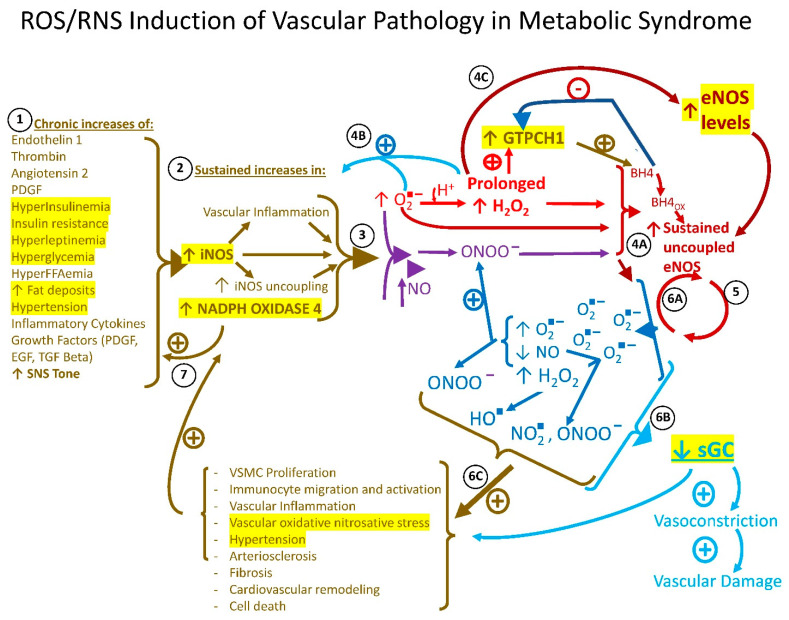
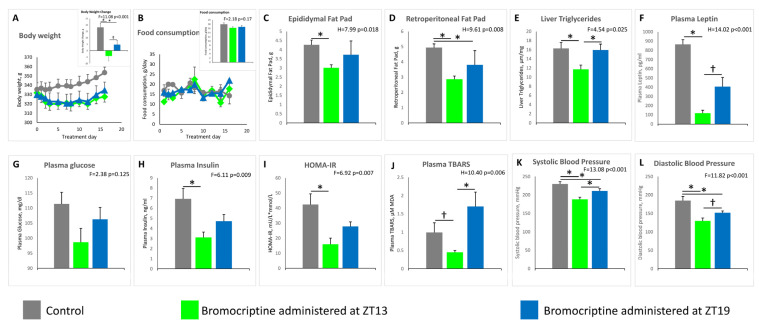
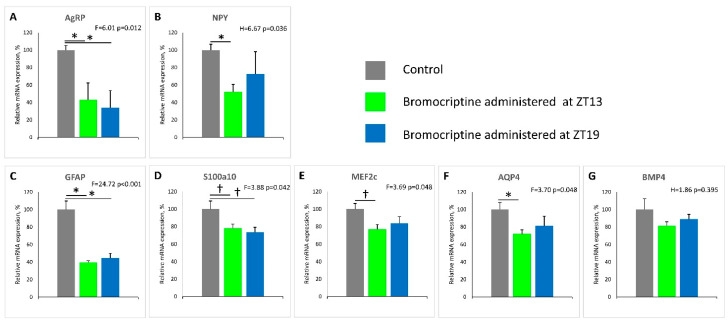
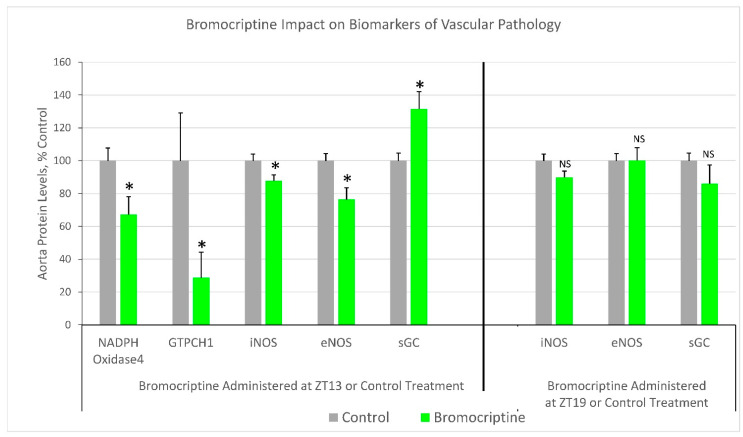
The treatment of type 2 diabetes patients with bromocriptine-QR, a unique, quick release micronized formulation of bromocriptine, improves glycemic control and reduces adverse cardiovascular events. While the improvement of glycemic control is largely the result of improved postprandial hepatic glucose metabolism and insulin action, the mechanisms underlying the drug's cardioprotective effects are less well defined. Bromocriptine is a sympatholytic dopamine agonist and reduces the elevated sympathetic tone, characteristic of metabolic syndrome and type 2 diabetes, which potentiates elevations of vascular oxidative/nitrosative stress, known to precipitate cardiovascular disease. Therefore, this study investigated the impact of bromocriptine treatment upon biomarkers of vascular oxidative/nitrosative stress (including the pro-oxidative/nitrosative stress enzymes of NADPH oxidase 4, inducible nitric oxide (iNOS), uncoupled endothelial nitric oxide synthase (eNOS), the pro-inflammatory/pro-oxidative marker GTP cyclohydrolase 1 (GTPCH 1), and the pro-vascular health enzyme, soluble guanylate cyclase (sGC) as well as the plasma level of thiobarbituric acid reactive substances (TBARS), a circulating marker of systemic oxidative stress), in hypertensive SHR rats held on a high fat diet to induce metabolic syndrome. Inasmuch as the central nervous system (CNS) dopaminergic activities both regulate and are regulated by CNS circadian pacemaker circuitry, this study also investigated the time-of-day-dependent effects of bromocriptine treatment (10 mg/kg/day at either 13 or 19 h after the onset of light (at the natural waking time or late during the activity period, respectively) among animals held on 14 h daily photoperiods for 16 days upon such vascular biomarkers of vascular redox state, several metabolic syndrome parameters, and mediobasal hypothalamic (MBH) mRNA expression levels of neuropeptides neuropeptide Y (NPY) and agouti-related protein (AgRP) which regulate the peripheral fuel metabolism and of mRNA expression of other MBH glial and neuronal cell genes that support such metabolism regulating neurons in this model system. Such bromocriptine treatment at ZT 13 improved (reduced) biomarkers of vascular oxidative/nitrosative stress including plasma TBARS level, aortic NADPH oxidase 4, iNOS and GTPCH 1 levels, and improved other markers of coupled eNOS function, including increased sGC protein level, relative to controls. However, bromocriptine treatment at ZT 19 produced no improvement in either coupled eNOS function or sGC protein level. Moreover, such ZT 13 bromocriptine treatment reduced several metabolic syndrome parameters including fasting insulin and leptin levels, as well as elevated systolic and diastolic blood pressure, insulin resistance, body fat store levels and liver fat content, however, such effects of ZT 19 bromocriptine treatment were largely absent versus control. Finally, ZT 13 bromocriptine treatment reduced MBH NPY and AgRP mRNA levels and mRNA levels of several MBH glial cell/neuronal genes that code for neuronal support/plasticity proteins (suggesting a shift in neuronal structure/function to a new metabolic control state) while ZT 19 treatment reduced only AgRP, not NPY, and was with very little effect on such MBH glial cell genes expression. These findings indicate that circadian-timed bromocriptine administration at the natural circadian peak of CNS dopaminergic activity (that is diminished in insulin resistant states), but not outside this daily time window when such CNS dopaminergic activity is naturally low, produces widespread improvements in biomarkers of vascular oxidative stress that are associated with the amelioration of metabolic syndrome and reductions in MBH neuropeptides and gene expressions known to facilitate metabolic syndrome. These results of such circadian-timed bromocriptine treatment upon vascular pathology provide potential mechanisms for the observed marked reductions in adverse cardiovascular events with circadian-timed bromocriptine-QR therapy (similarly timed to the onset of daily waking as in this study) of type 2 diabetes subjects and warrant further investigations into related mechanisms and the potential application of such intervention to prediabetes and metabolic syndrome patients as well.
用溴麦角隐亭-QR(一种独特的、快速释放的溴麦角隐亭微粉化制剂)治疗 2 型糖尿病患者,可以改善血糖控制并减少不良心血管事件。虽然血糖控制的改善主要是由于餐后肝葡萄糖代谢和胰岛素作用的改善,但药物的心脏保护作用的机制还不太清楚。溴麦角隐亭是一种交感神经抑制剂和多巴胺激动剂,可以降低代谢综合征和 2 型糖尿病的升高的交感神经张力,从而增强已知会引发心血管疾病的血管氧化/硝化应激的升高。因此,本研究调查了溴麦角隐亭治疗对血管氧化/硝化应激生物标志物(包括 NADPH 氧化酶 4、诱导型一氧化氮合酶(iNOS)、解偶联内皮一氧化氮合酶(eNOS)、促炎/氧化应激标志物 GTP 环化水解酶 1(GTPCH 1)和促血管健康酶可溶性鸟苷酸环化酶(sGC)的影响)的影响,以及高血压 SHR 大鼠在高脂肪饮食下诱导代谢综合征时血浆硫代巴比妥酸反应物质(TBARS)水平(一种全身性氧化应激的循环标志物)。由于中枢神经系统(CNS)多巴胺能活动既调节又受中枢生物钟电路的调节,本研究还调查了溴麦角隐亭治疗的时间依赖性效应(在自然觉醒时间或活动期晚期,分别在光照开始后 13 或 19 小时每天 14 小时光周期下,以 10mg/kg/天给予动物),对血管氧化还原状态、几种代谢综合征参数以及中脑下丘脑(MBH)神经肽 NPY 和 AgRP 的 mRNA 表达水平的影响,这些神经肽调节外周燃料代谢,以及支持该模型系统中这种代谢调节神经元的其他 MBH 神经胶质和神经元细胞基因的 mRNA 表达水平。这种溴麦角隐亭治疗在 ZT 13 时改善(降低)了血管氧化/硝化应激的生物标志物,包括血浆 TBARS 水平、主动脉 NADPH 氧化酶 4、iNOS 和 GTPCH 1 水平,并改善了其他与 eNOS 功能偶联的标志物,包括增加 sGC 蛋白水平,与对照组相比。然而,溴麦角隐亭治疗在 ZT 19 时并没有改善偶联的 eNOS 功能或 sGC 蛋白水平。此外,这种 ZT 13 溴麦角隐亭治疗降低了几种代谢综合征参数,包括空腹胰岛素和瘦素水平,以及升高的收缩压和舒张压、胰岛素抵抗、体脂肪储存水平和肝脂肪含量,但 ZT 19 溴麦角隐亭治疗的这些作用在很大程度上与对照组相比是不存在的。最后,ZT 13 溴麦角隐亭治疗降低了 MBH NPY 和 AgRP mRNA 水平以及编码神经元支持/可塑性蛋白的 MBH 神经胶质细胞/神经元基因的 mRNA 水平(表明神经元结构/功能向新的代谢控制状态转变),而 ZT 19 治疗仅降低了 AgRP,而不是 NPY,并且对这种 MBH 神经胶质细胞基因表达的影响很小。这些发现表明,在自然的中枢神经系统多巴胺能活动的昼夜高峰时(在胰岛素抵抗状态下减少)给予定时的溴麦角隐亭治疗,而不是在这种中枢神经系统多巴胺能活动自然较低的每日时间窗口之外给予治疗,会广泛改善与代谢综合征相关的血管氧化应激生物标志物,并减少已知促进代谢综合征的 MBH 神经肽和基因表达。这种定时溴麦角隐亭治疗对血管病理的结果为观察到的 2 型糖尿病患者中与定时溴麦角隐亭-QR 治疗(与本研究中一样,在每天醒来时开始)相关的不良心血管事件的显著减少提供了潜在的机制,并进一步调查了相关机制以及这种干预措施在糖尿病前期和代谢综合征患者中的潜在应用。