Institute of Anatomy, Faculty of Medicine, University of Zurich, Winterthurerstrasse 190, 8057 Zurich, Switzerland.
Innovation Cluster Space and Aviation (UZH Space Hub), Air Force Center, University of Zurich, Überlandstrasse 271, 8600 Dübendorf, Switzerland.
Int J Mol Sci. 2021 Jun 23;22(13):6752. doi: 10.3390/ijms22136752.
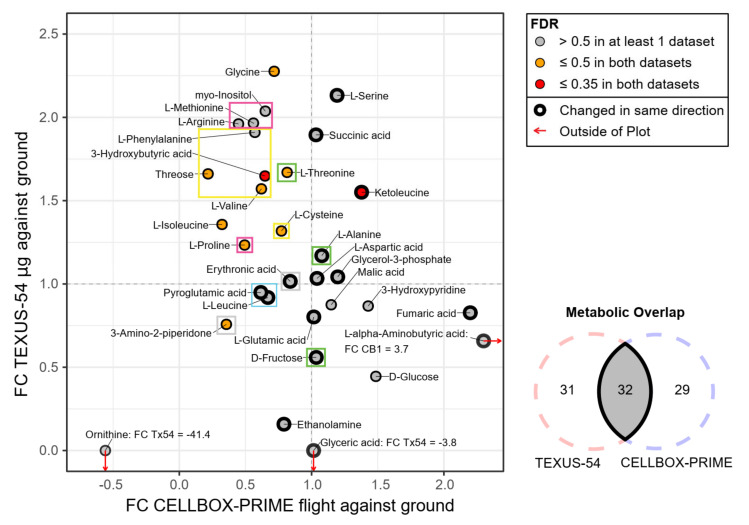
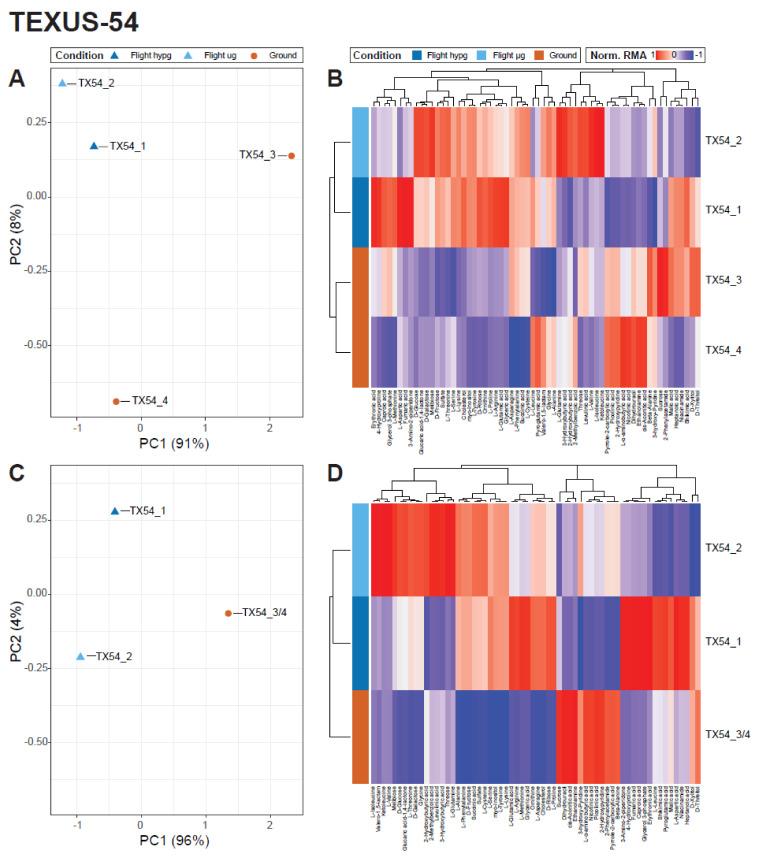
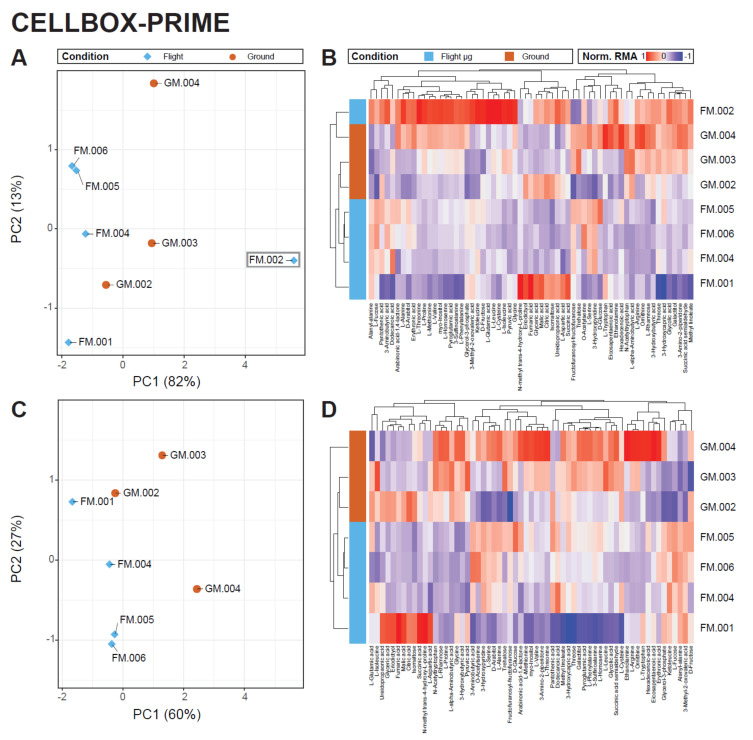
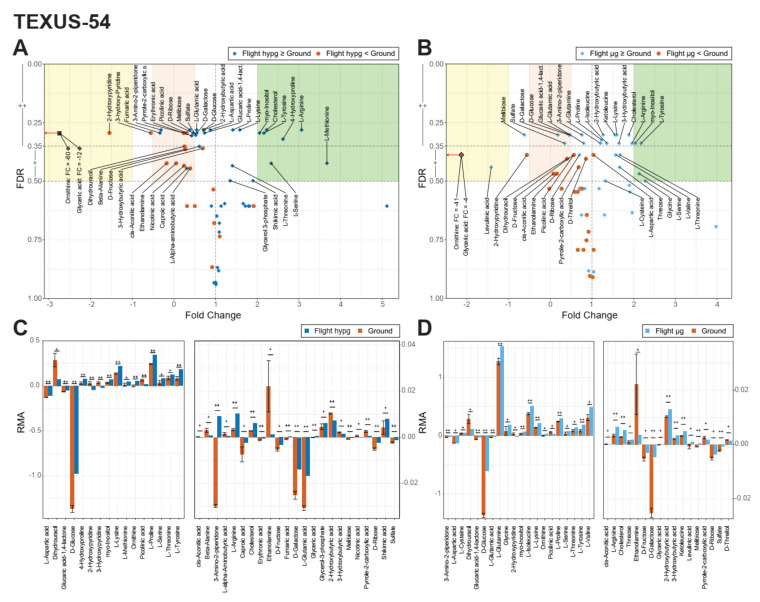
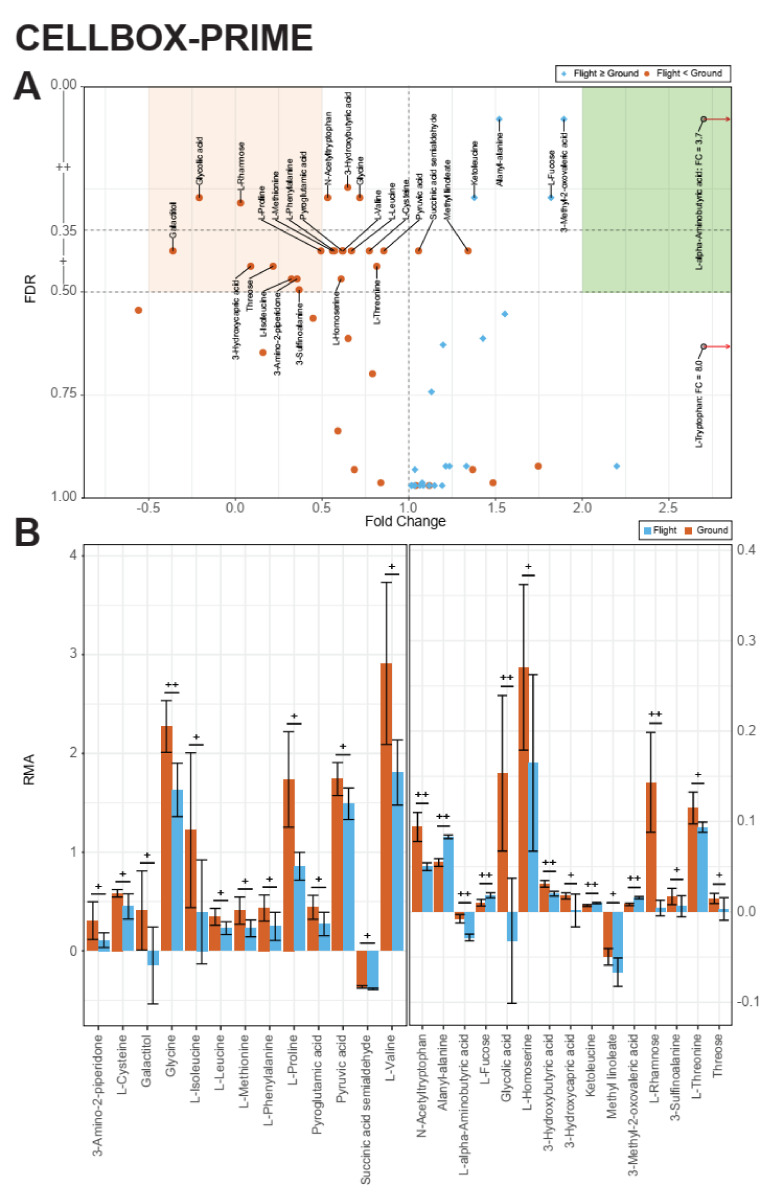
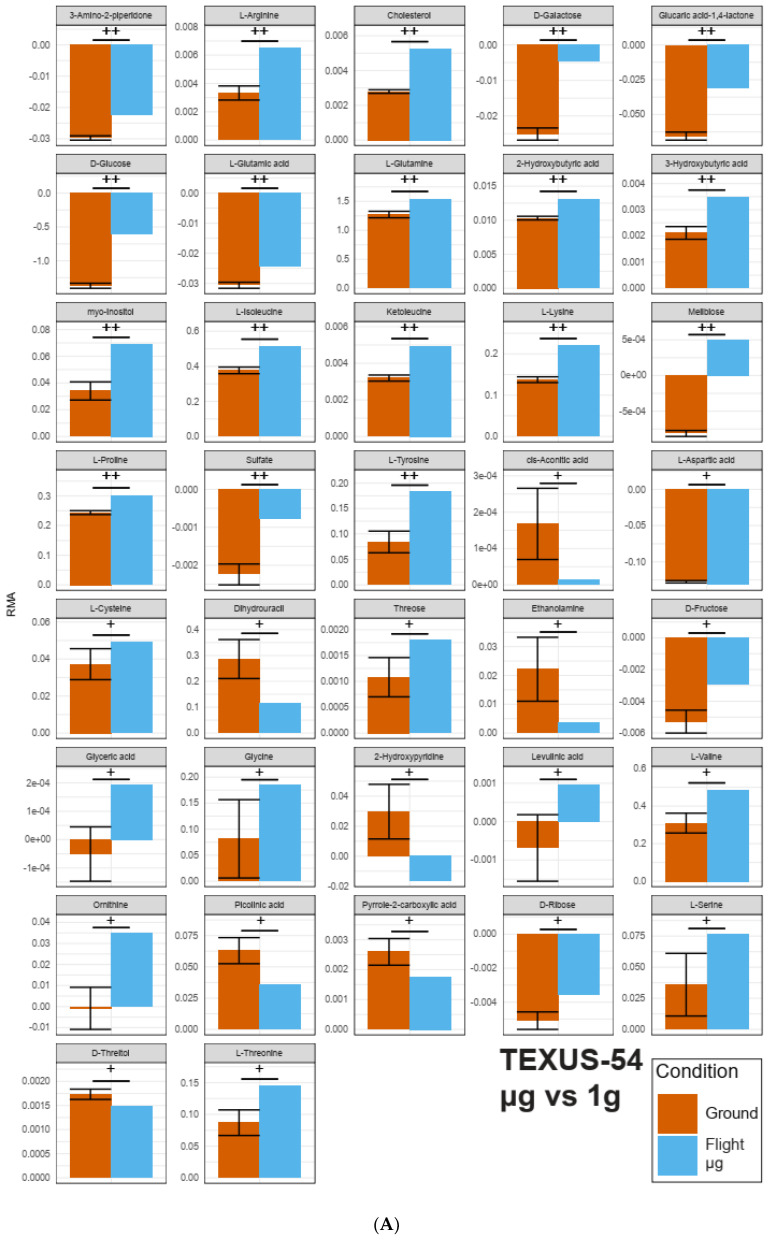
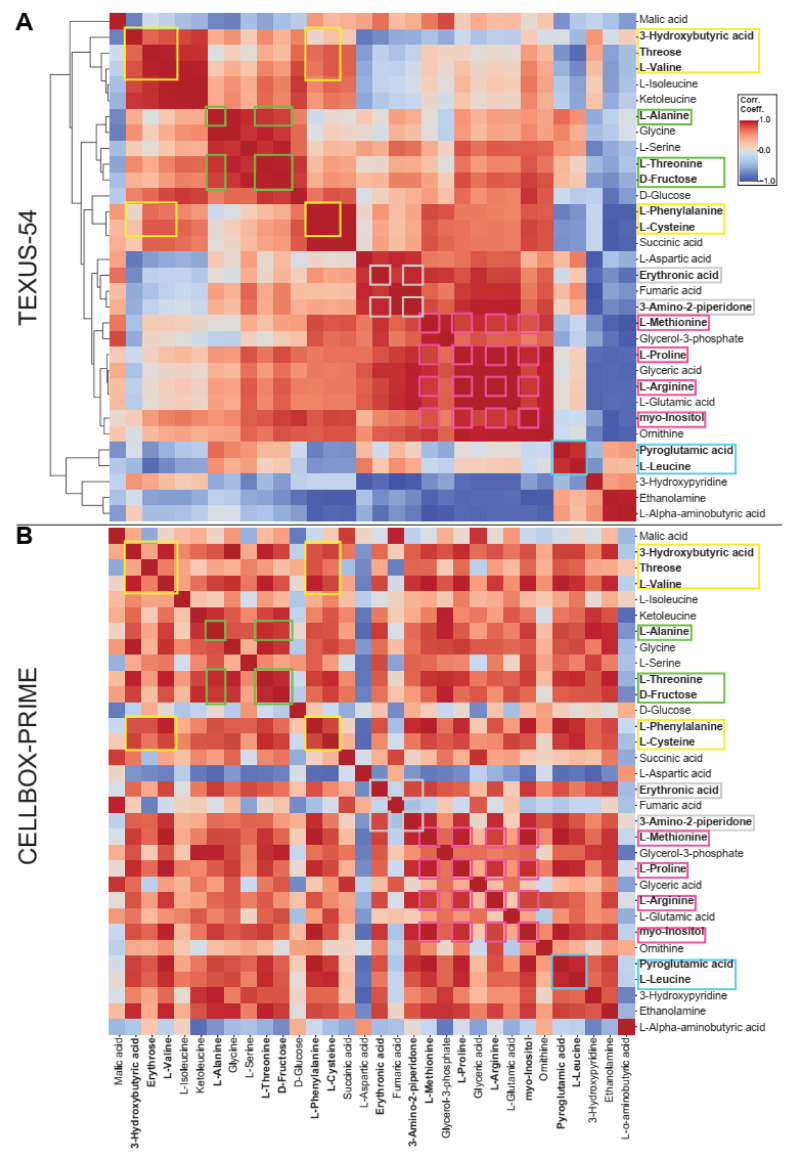
Microgravity acts on cellular systems on several levels. Cells of the immune system especially react rapidly to changes in gravity. In this study, we performed a correlative metabolomics analysis on short-term and long-term microgravity effects on primary human macrophages. We could detect an increased amino acid concentration after five minutes of altered gravity, that was inverted after 11 days of microgravity. The amino acids that reacted the most to changes in gravity were tightly clustered. The observed effects indicated protein degradation processes in microgravity. Further, glucogenic and ketogenic amino acids were further degraded to Glucose and Ketoleucine. The latter is robustly accumulated in short-term and long-term microgravity but not in hypergravity. We detected highly dynamic and also robust adaptative metabolic changes in altered gravity. Metabolomic studies could contribute significantly to the understanding of gravity-induced integrative effects in human cells.
微重力在多个层面上作用于细胞系统。免疫系统的细胞尤其会迅速对重力变化做出反应。在这项研究中,我们对短期和长期微重力对原代人巨噬细胞的影响进行了相关的代谢组学分析。我们可以在改变重力后的五分钟内检测到氨基酸浓度的增加,而在微重力 11 天后则会反转。对重力变化反应最强烈的氨基酸紧密聚集在一起。观察到的效应表明微重力中存在蛋白质降解过程。此外,生糖和生酮氨基酸进一步降解为葡萄糖和酮亮氨酸。后者在短期和长期微重力中大量积累,但在超重时不会积累。我们在改变重力时检测到高度动态和稳健的适应性代谢变化。代谢组学研究可以为理解重力对人体细胞引起的综合效应做出重大贡献。