Wysocka-Mincewicz Marta, Gołębiewska Joanna, Olechowski Andrzej, Szalecki Mieczysław
Clinic of Endocrinology and Diabetology, Children's Memorial Health Institute in Warsaw, 04-730 Warszawa, Poland.
Department of Ophthalmology, Military Institute of Aviation Medicine, 01-755 Warsaw, Poland.
Life (Basel). 2021 Jun 21;11(6):590. doi: 10.3390/life11060590.
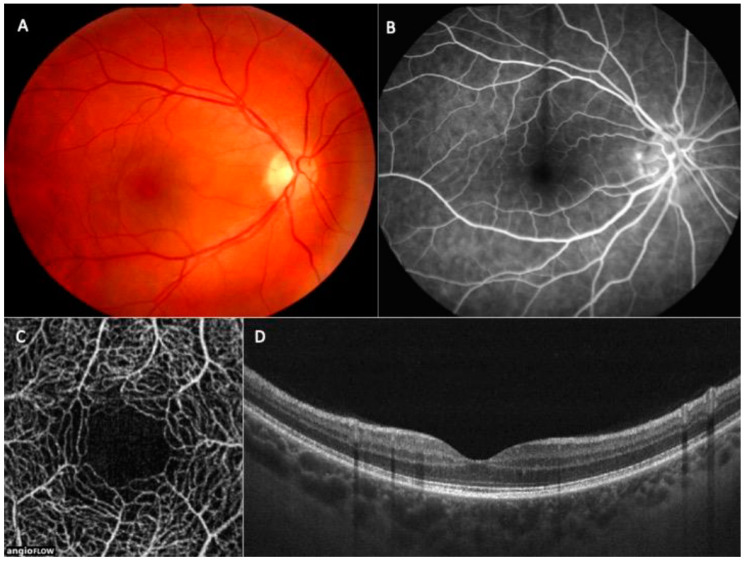
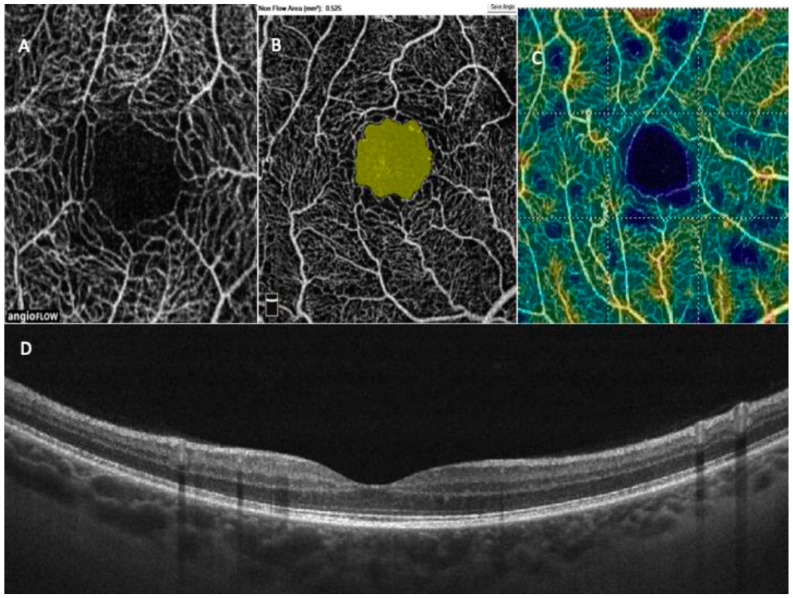
To describe the occurrence of diabetic retinopathy, the principles for pediatric care of patients with diabetes, and the utility of optical coherence tomography. Pediatric patients with type 1 diabetes should be screened for diabetic retinopathy upon the lapse of 5 years following the diagnosis. The patients in the time of puberty, who should be screened promptly after the diabetes diagnosis, and patients with type 2 diabetes are the exceptions. Special attention must be paid not only to retinopathy, but also to other possible concomitant conditions, such as cataract, refractive errors, or neuropathy. New techniques, such as optical coherence tomography angiography (OCTA), may contribute greatly to the early detection of retinopathy, facilitating the decision to modify the treatment. The application of modern insulin pumps with continuous glucose monitoring systems has greatly diminished the incidence rate of early symptoms of diabetic retinopathy in the pediatric population.
描述糖尿病视网膜病变的发生情况、糖尿病患儿的护理原则以及光学相干断层扫描的作用。1型糖尿病患儿应在确诊后5年进行糖尿病视网膜病变筛查。青春期患儿(确诊糖尿病后应立即进行筛查)和2型糖尿病患儿除外。不仅要特别关注视网膜病变,还要关注其他可能伴随的病症,如白内障、屈光不正或神经病变。光学相干断层扫描血管造影(OCTA)等新技术可能对视网膜病变的早期检测有很大帮助,有助于做出调整治疗的决策。现代胰岛素泵与连续血糖监测系统的应用大大降低了儿科人群糖尿病视网膜病变早期症状的发生率。