Verdura Sara, Cuyàs Elisabet, Ruiz-Torres Verónica, Micol Vicente, Joven Jorge, Bosch-Barrera Joaquim, Menendez Javier A
Girona Biomedical Research Institute (IDIBGI), 17190 Girona, Spain.
Metabolism and Cancer Group, Program against Cancer Therapeutic Resistance (ProCURE), Catalan Institute of Oncology, 17007 Girona, Spain.
Pharmaceuticals (Basel). 2021 Jun 11;14(6):559. doi: 10.3390/ph14060559.
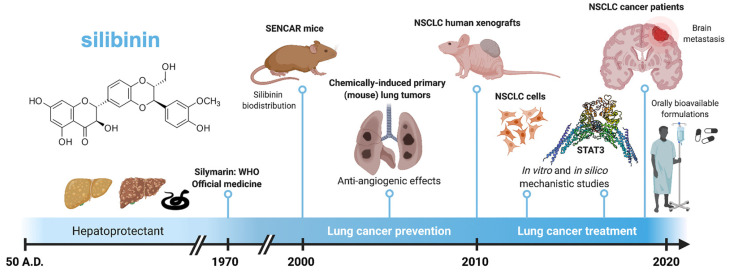
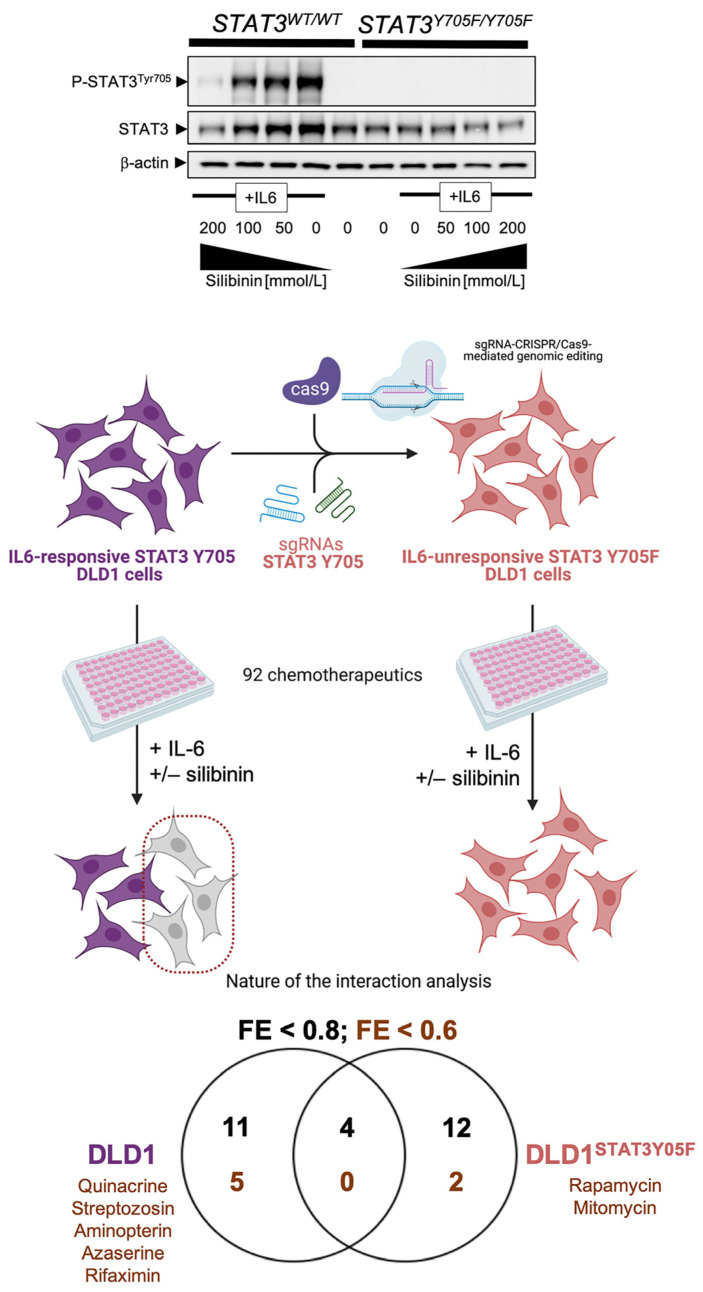
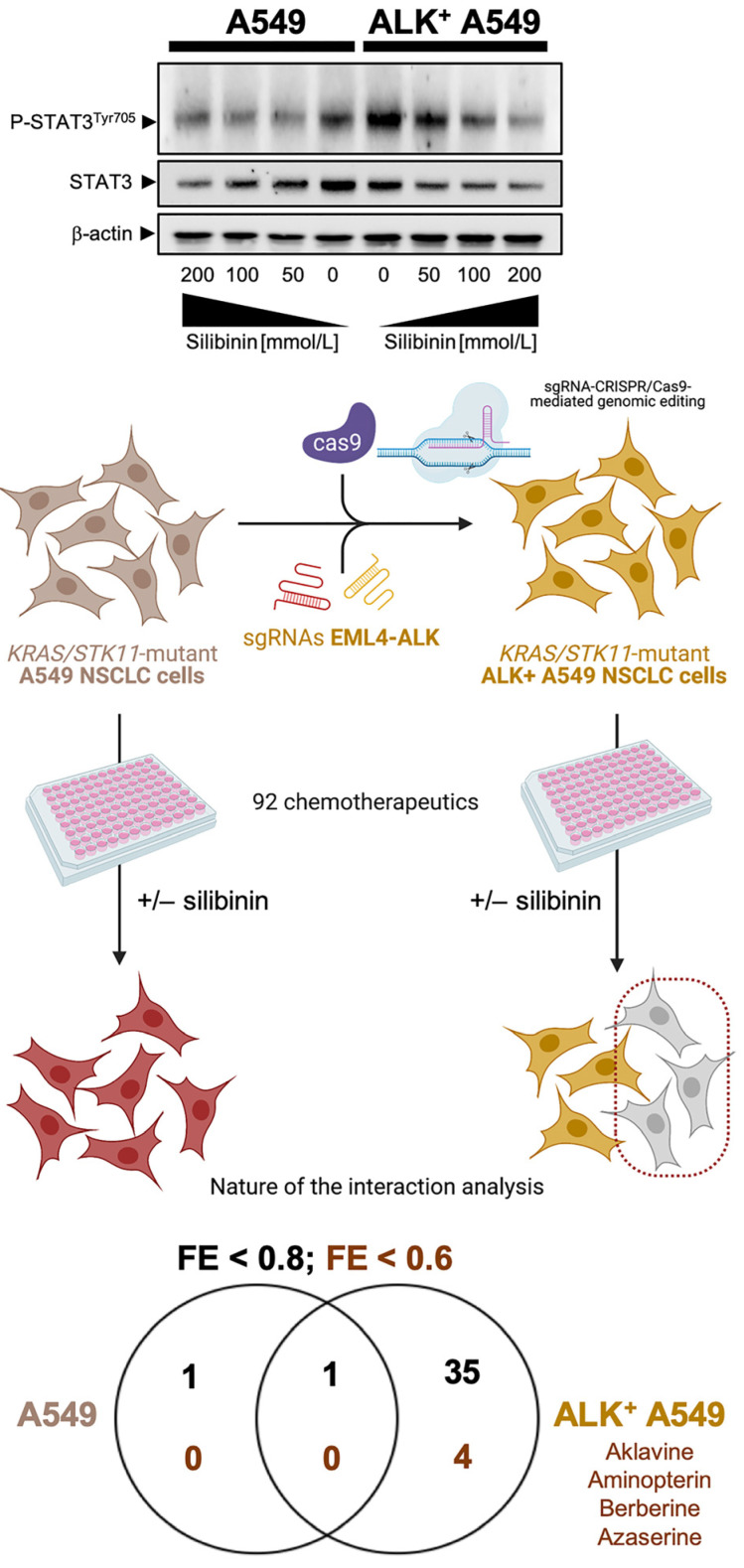
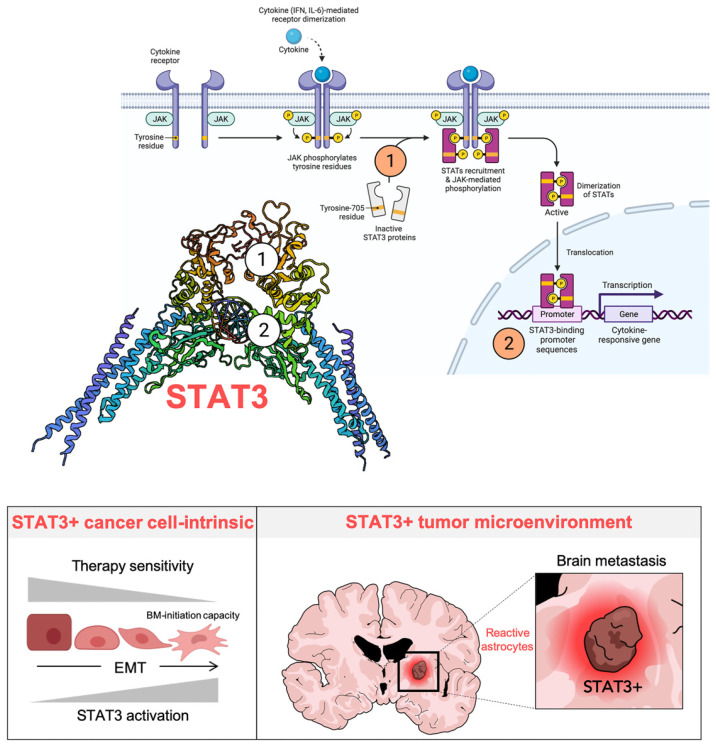
The flavonolignan silibinin, the major bioactive component of the silymarin extract of (milk thistle) seeds, is gaining traction as a novel anti-cancer therapeutic. Here, we review the historical developments that have laid the groundwork for the evaluation of silibinin as a chemopreventive and therapeutic agent in human lung cancer, including translational insights into its mechanism of action to control the aggressive behavior of lung carcinoma subtypes prone to metastasis. First, we summarize the evidence from chemically induced primary lung tumors supporting a role for silibinin in lung cancer prevention. Second, we reassess the preclinical and clinical evidence on the effectiveness of silibinin against drug resistance and brain metastasis traits of lung carcinomas. Third, we revisit the transcription factor STAT3 as a central tumor-cell intrinsic and microenvironmental target of silibinin in primary lung tumors and brain metastasis. Finally, by unraveling the selective vulnerability of silibinin-treated tumor cells to drugs using CRISPR-based chemosensitivity screenings (e.g., the hexosamine biosynthesis pathway inhibitor azaserine), we illustrate how the therapeutic use of silibinin against targetable weaknesses might be capitalized in specific lung cancer subtypes (e.g., co-mutant tumors). Forthcoming studies should take up the challenge of developing silibinin and/or next-generation silibinin derivatives as novel lung cancer-preventive and therapeutic biomolecules.
黄酮木脂素水飞蓟宾是水飞蓟(奶蓟)种子水飞蓟素提取物的主要生物活性成分,作为一种新型抗癌疗法正越来越受到关注。在此,我们回顾了为评估水飞蓟宾作为人类肺癌化学预防和治疗剂奠定基础的历史发展,包括对其作用机制的转化见解,以控制易于转移的肺癌亚型的侵袭行为。首先,我们总结了化学诱导的原发性肺肿瘤的证据,支持水飞蓟宾在肺癌预防中的作用。其次,我们重新评估了水飞蓟宾对抗肺癌耐药性和脑转移特征有效性的临床前和临床证据。第三,我们重新审视转录因子STAT3作为水飞蓟宾在原发性肺肿瘤和脑转移中的核心肿瘤细胞内在和微环境靶点。最后,通过使用基于CRISPR的化学敏感性筛选(例如己糖胺生物合成途径抑制剂重氮丝氨酸)揭示水飞蓟宾处理的肿瘤细胞对药物的选择性脆弱性,我们说明了如何在特定肺癌亚型(例如 共突变肿瘤)中利用水飞蓟宾针对可靶向弱点的治疗用途。未来的研究应迎接开发水飞蓟宾和/或下一代水飞蓟宾衍生物作为新型肺癌预防和治疗生物分子的挑战。