D'Amico Ramona, Trovato Salinaro Angela, Cordaro Marika, Fusco Roberta, Impellizzeri Daniela, Interdonato Livia, Scuto Maria, Ontario Maria Laura, Crea Roberto, Siracusa Rosalba, Cuzzocrea Salvatore, Di Paola Rosanna, Calabrese Vittorio
Department of Chemical, Biological, Pharmaceutical and Environmental Sciences, University of Messina, 98166 Messina, Italy.
Department of Biomedical and Biotechnological Sciences, University of Catania, 95123 Catania, Italy.
Antioxidants (Basel). 2021 Jun 29;10(7):1046. doi: 10.3390/antiox10071046.
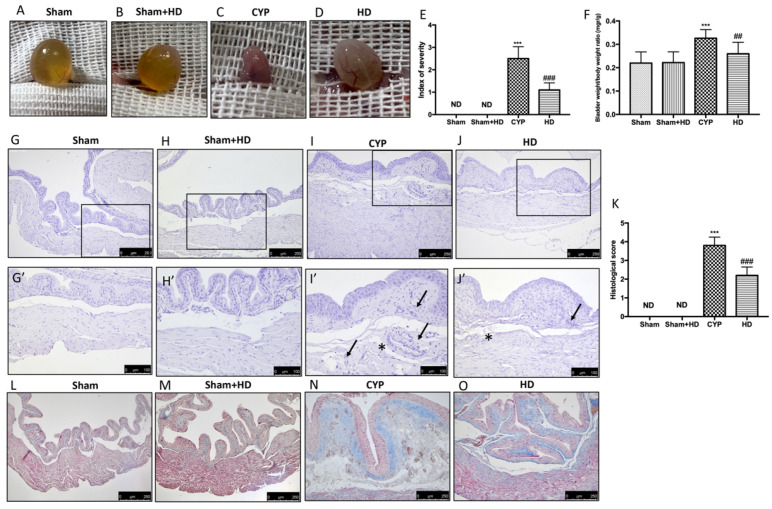
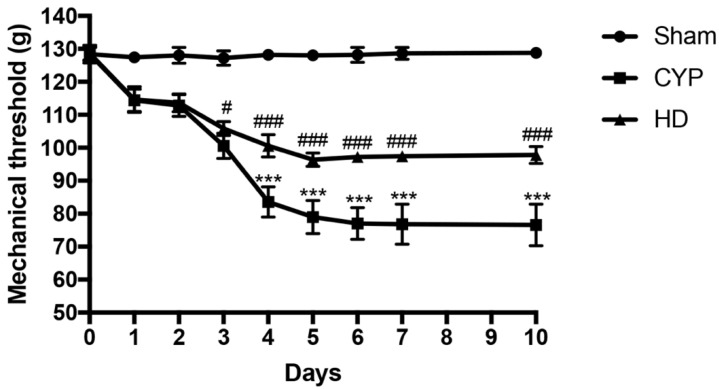
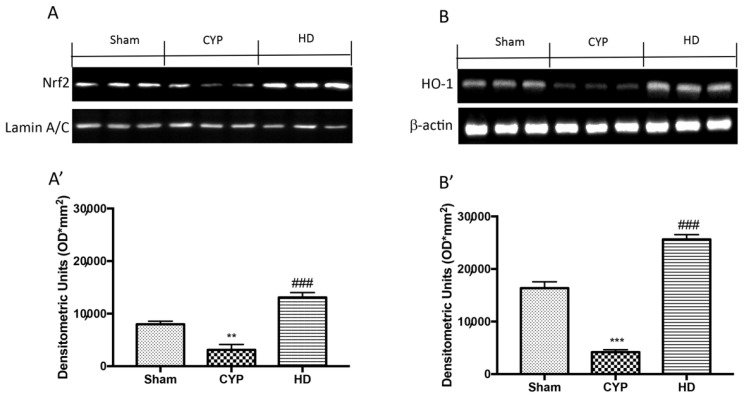
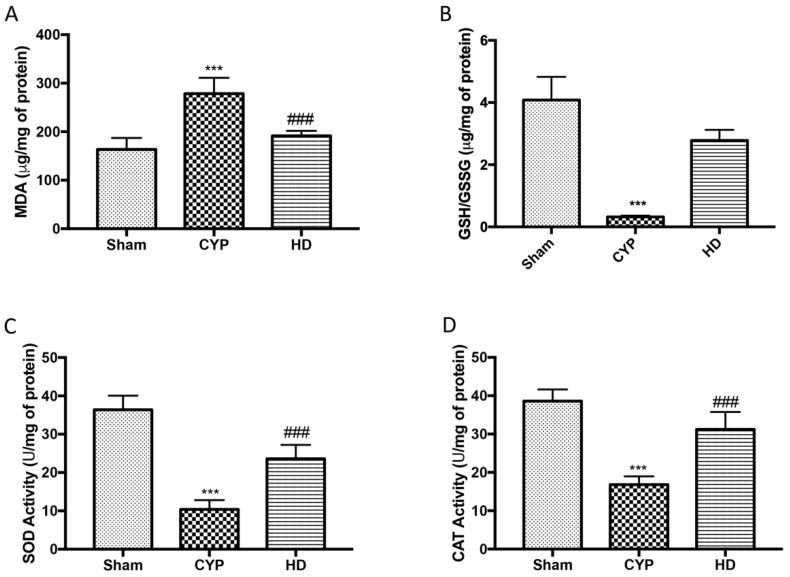
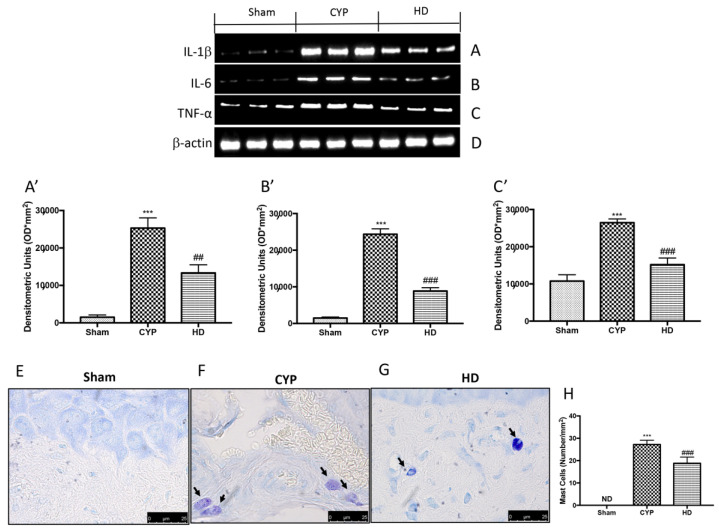
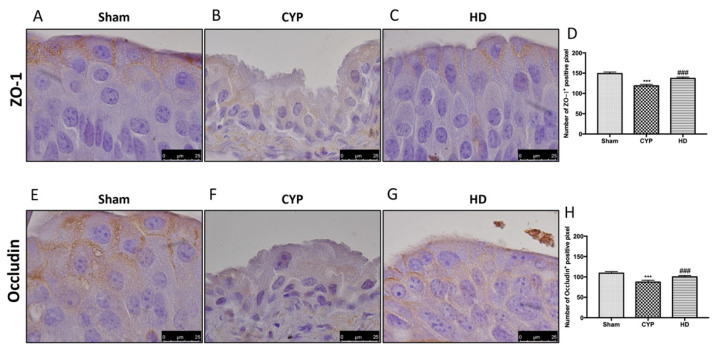
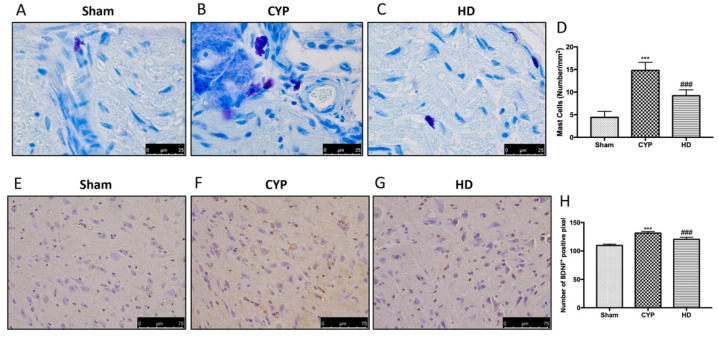
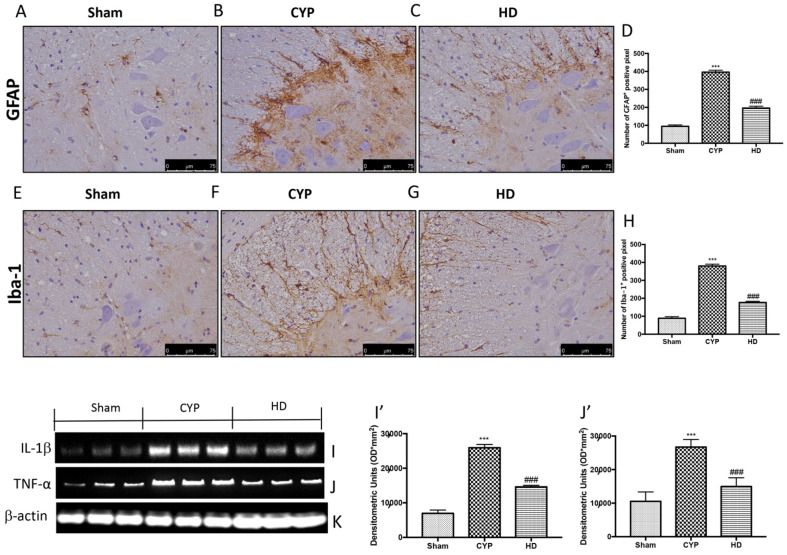
Interstitial cystitis/painful bladder syndrome (IC/PBS) is a chronic bladder condition characterized by frequent urination, inflammation, oxidative stress, and pain. The aim of the study was to evaluate the anti-inflammatory and antioxidant effects of an oral administration of Hidrox (10 mg/kg) in the bladder and spinal cord in a rodent model of IC/BPS. The chronic animal model of cystitis was induced by repeated intraperitoneal injections of cyclophosphamide (CYP) for five consecutive days. Treatment with Hidrox began on the third day of the CYP injection and continued until the 10th day. CYP administration caused macroscopic and histological bladder changes, inflammatory infiltrates, increased mast cell numbers, oxidative stress, decreased expression of the tight endothelial junction (e.g., zonula occludens-1 (ZO-1) and occludin), and bladder pain. Treatment with Hidrox was able to improve CYP-induced inflammation and oxidative stress via the nuclear factor erythroid 2-related factor 2 (Nrf2)/heme oxygenase 1 (HO-1) pathway. It was also able to reduce bladder pain which was aggravated by the activation of neuroinflammation in the central nervous system. In particular, Hidrox reduced the brain-derived neurotrophic factor (BDNF), as well as the activation of astrocytes and microglia, consequently reducing mechanical allodynia. These results indicate that nutritional consumption of Hidrox can be considered as a new therapeutic approach for human cystitis, increasing the conceivable potential of a significant improvement in the quality of life associated with a lowering of symptom intensity in patients with IC/BPS.
间质性膀胱炎/膀胱疼痛综合征(IC/PBS)是一种慢性膀胱疾病,其特征为尿频、炎症、氧化应激和疼痛。本研究的目的是评估在IC/BPS啮齿动物模型中口服希德罗斯(10毫克/千克)对膀胱和脊髓的抗炎和抗氧化作用。通过连续五天腹腔注射环磷酰胺(CYP)诱导建立慢性膀胱炎动物模型。在注射CYP的第三天开始用希德罗斯治疗,并持续至第10天。给予CYP导致膀胱出现宏观和组织学变化、炎症浸润、肥大细胞数量增加、氧化应激、紧密内皮连接(如闭合蛋白-1(ZO-1)和闭合蛋白)的表达降低以及膀胱疼痛。用希德罗斯治疗能够通过核因子红细胞2相关因子2(Nrf2)/血红素加氧酶1(HO-1)途径改善CYP诱导的炎症和氧化应激。它还能够减轻因中枢神经系统神经炎症激活而加重的膀胱疼痛。特别是,希德罗斯降低了脑源性神经营养因子(BDNF)以及星形胶质细胞和小胶质细胞的激活,从而减轻了机械性异常性疼痛。这些结果表明,食用希德罗斯可被视为治疗人类膀胱炎的一种新的治疗方法,增加了改善IC/BPS患者生活质量、降低症状强度的潜在可能性。