Arampatzis Athanasios S, Giannakoula Konstantina, Kontogiannopoulos Konstantinos N, Theodoridis Konstantinos, Aggelidou Eleni, Rat Angélique, Kampasakali Elli, Willems Anne, Christofilos Dimitrios, Kritis Aristeidis, Papageorgiou Vassilios P, Tsivintzelis Ioannis, Assimopoulou Andreana N
Laboratory of Organic Chemistry, School of Chemical Engineering, Aristotle University of Thessaloniki (AUTh), Thessaloniki 54124, Greece.
Natural Products Research Centre of Excellence (NatPro-AUTh), Center of Interdisciplinary Research and Innovation of Aristotle University of Thessaloniki (CIRI-AUTh), Thessaloniki 57001, Greece.
Regen Biomater. 2021 Jun 10;8(3):rbab011. doi: 10.1093/rb/rbab011. eCollection 2021 Jun.
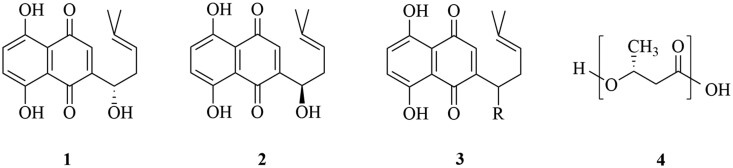
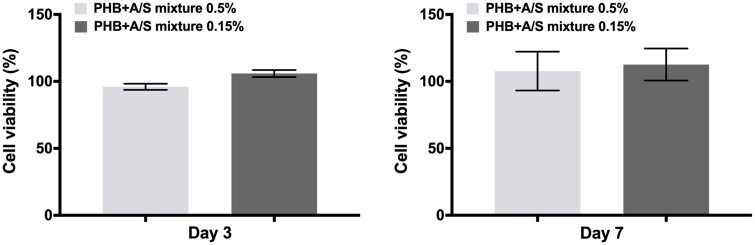
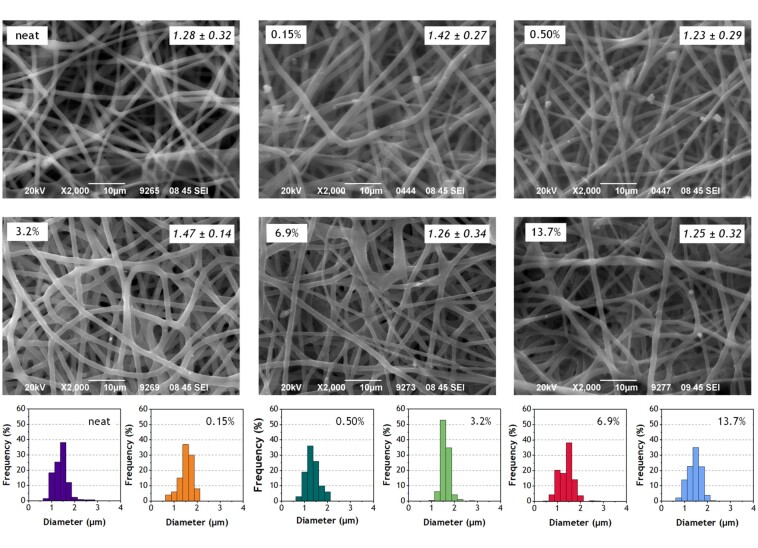
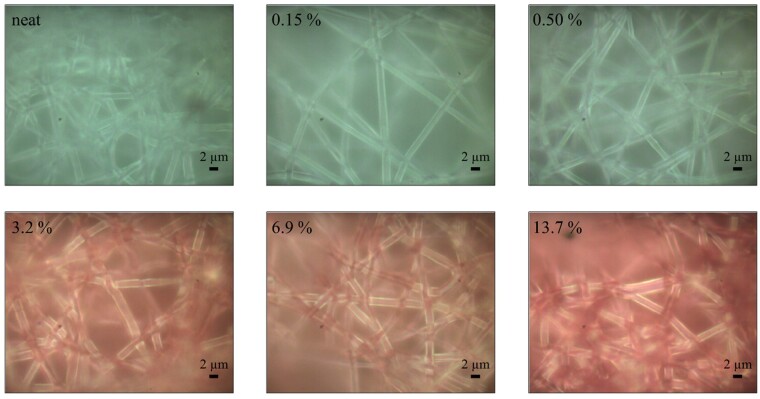
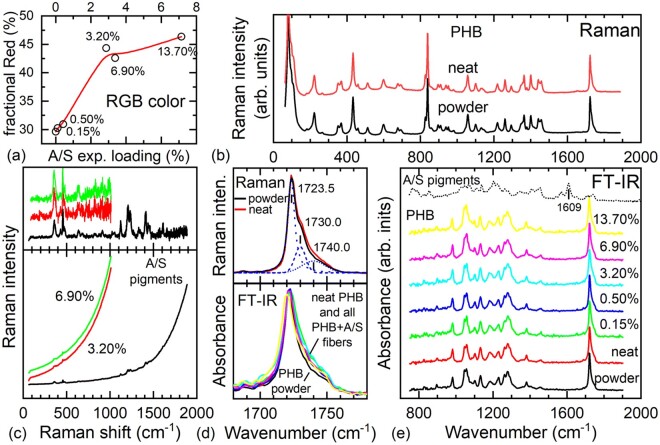
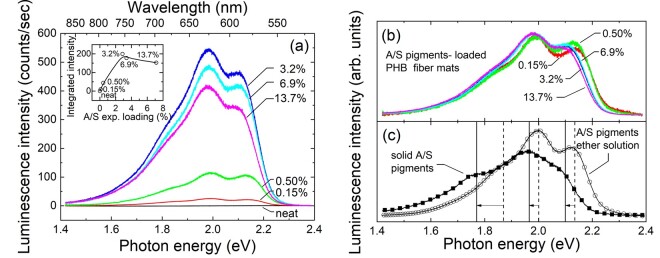
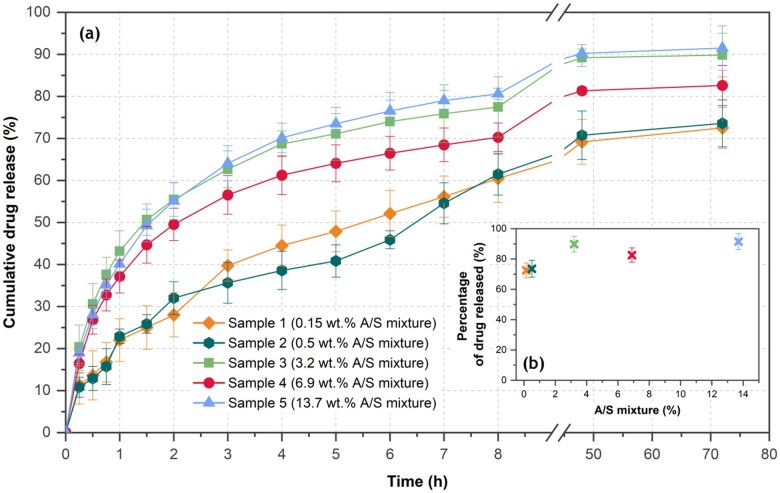
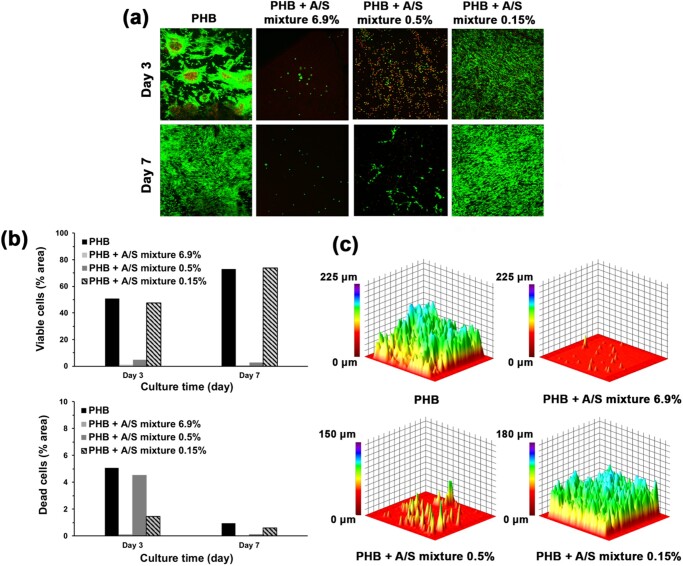
The aim of this study was to investigate the potential of novel electrospun fiber mats loaded with alkannin and shikonin (A/S) derivatives, using as carrier a highly biocompatible, bio-derived, eco-friendly polymer such as poly[(R)-3-hydroxybutyric acid] (PHB). PHB fibers containing a mixture of A/S derivatives at different ratios were successfully fabricated via electrospinning. Αs evidenced by scanning electron microscopy, the fibers formed a bead-free mesh with average diameters from 1.25 to 1.47 μm. Spectroscopic measurements suggest that electrospinning marginally increases the amorphous content of the predominantly crystalline PHB in the fibers, while a significant drug amount lies near the fiber surface for samples of high total A/S content. All scaffolds displayed satisfactory characteristics, with the lower concentrations of A/S mixture-loaded PHB fiber mats achieving higher porosity, water uptake ratios, and entrapment efficiencies. The dissolution studies revealed that all samples released more than 70% of the encapsulated drug after 72 h. All PHB scaffolds tested by cell viability assay were proven non-toxic for Hs27 fibroblasts, with the 0.15 wt.% sample favoring cell attachment, spreading onto the scaffold surface, as well as cell proliferation. Finally, the antimicrobial activity of PHB meshes loaded with A/S mixture was documented for and .
本研究的目的是研究负载紫朱草素和紫草素(A/S)衍生物的新型电纺纤维垫的潜力,使用一种高度生物相容、生物衍生、生态友好的聚合物,如聚(R)-3-羟基丁酸(PHB)作为载体。通过静电纺丝成功制备了含有不同比例A/S衍生物混合物的PHB纤维。扫描电子显微镜显示,这些纤维形成了无珠网状结构,平均直径为1.25至1.47μm。光谱测量表明,静电纺丝略微增加了纤维中主要为结晶态的PHB的无定形含量,而对于总A/S含量高的样品,大量药物位于纤维表面附近。所有支架都表现出令人满意的特性,较低浓度的负载A/S混合物的PHB纤维垫具有更高的孔隙率、吸水率和包封效率。溶出度研究表明,所有样品在72小时后释放了超过70%的包封药物。通过细胞活力测定测试的所有PHB支架对Hs27成纤维细胞均无毒,0.15 wt.%的样品有利于细胞附着、在支架表面铺展以及细胞增殖。最后,记录了负载A/S混合物的PHB网对[具体对象1]和[具体对象2]的抗菌活性。