Department of Biological Science, College of Natural Sciences and Mathematics, California State University Fullerton, Fullerton, United States.
Department of Biology, University of Maryland, College Park, United States.
Elife. 2021 Jul 2;10:e67449. doi: 10.7554/eLife.67449.
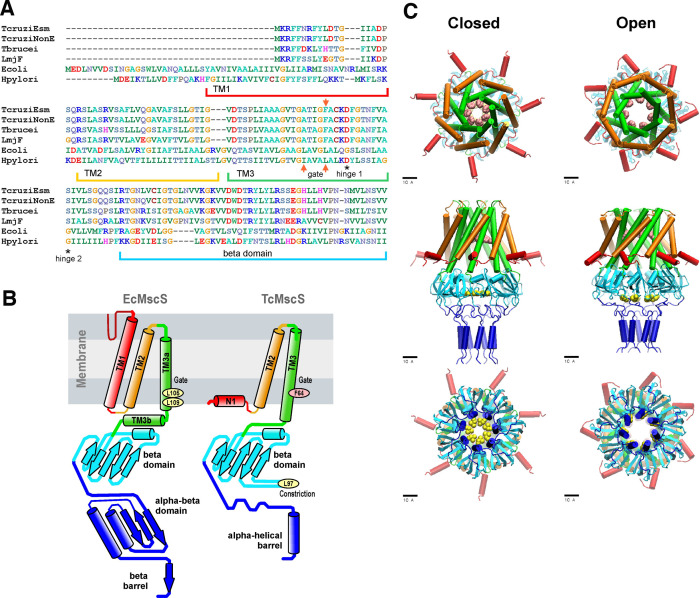
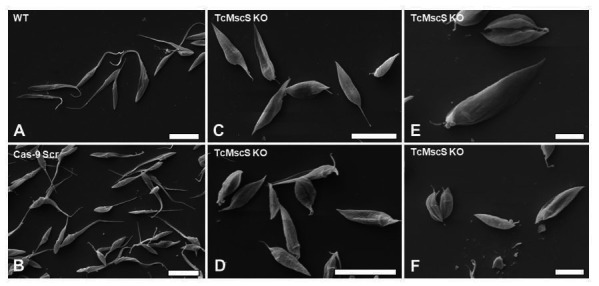
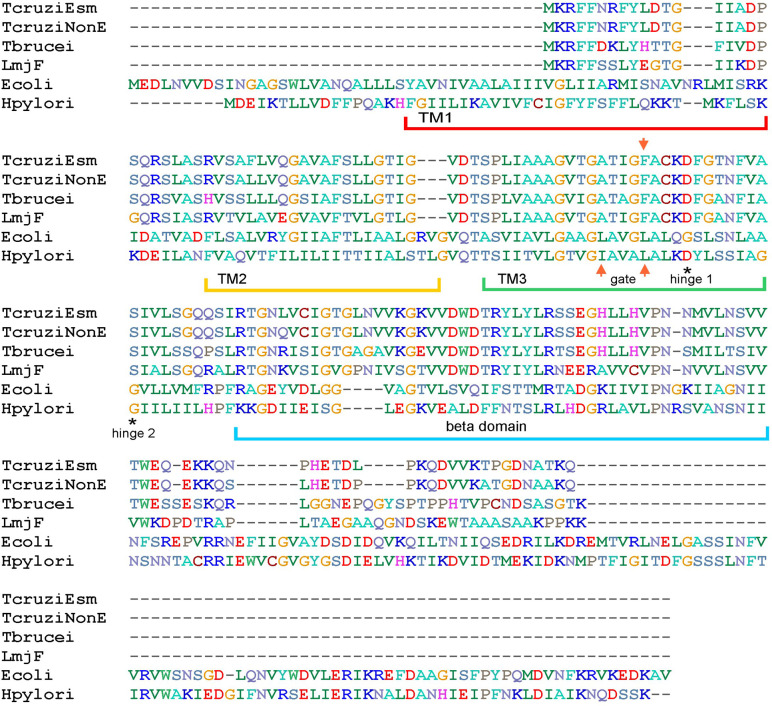
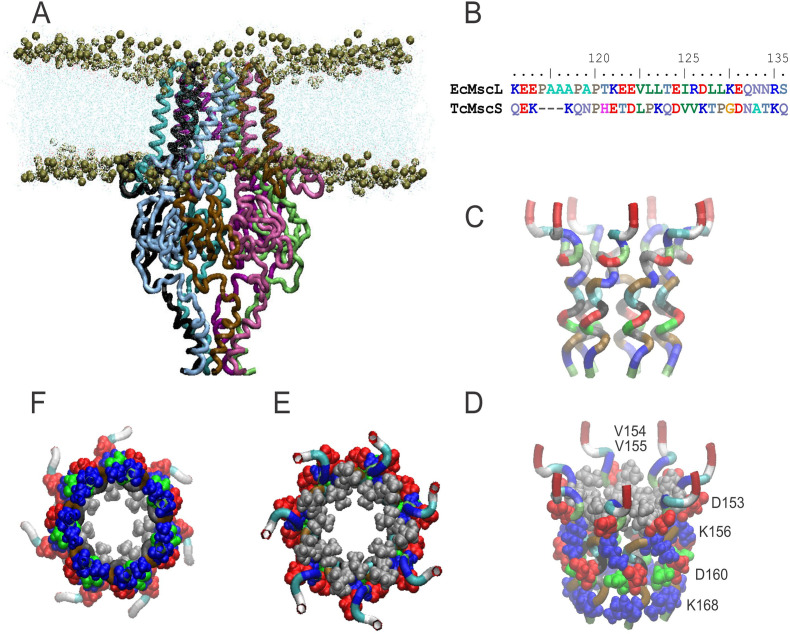
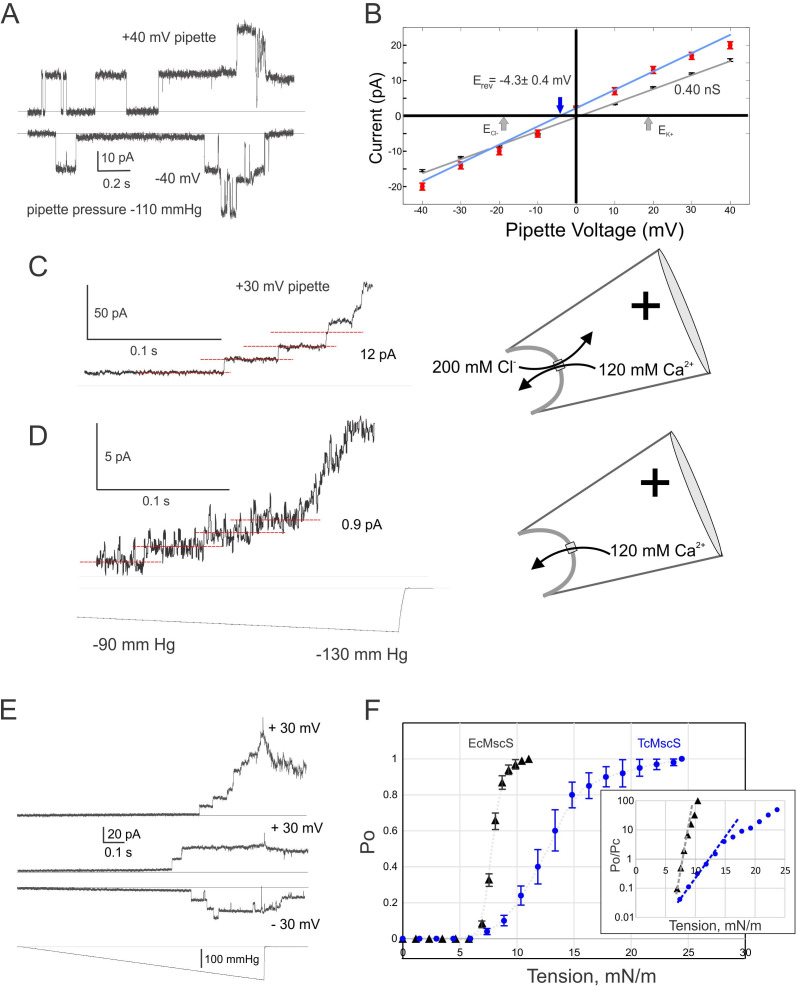
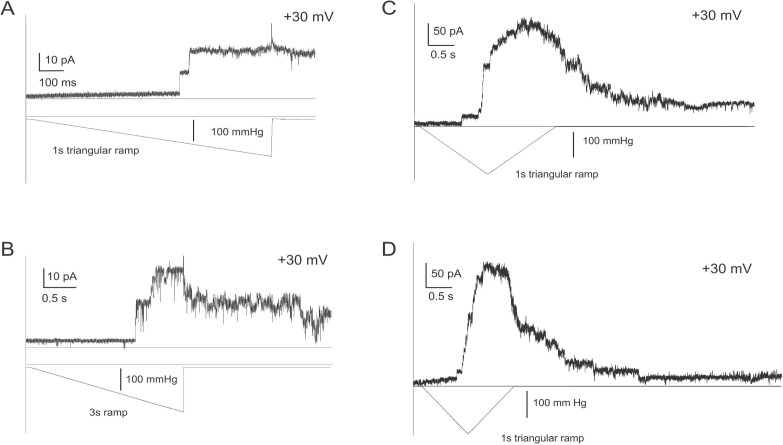
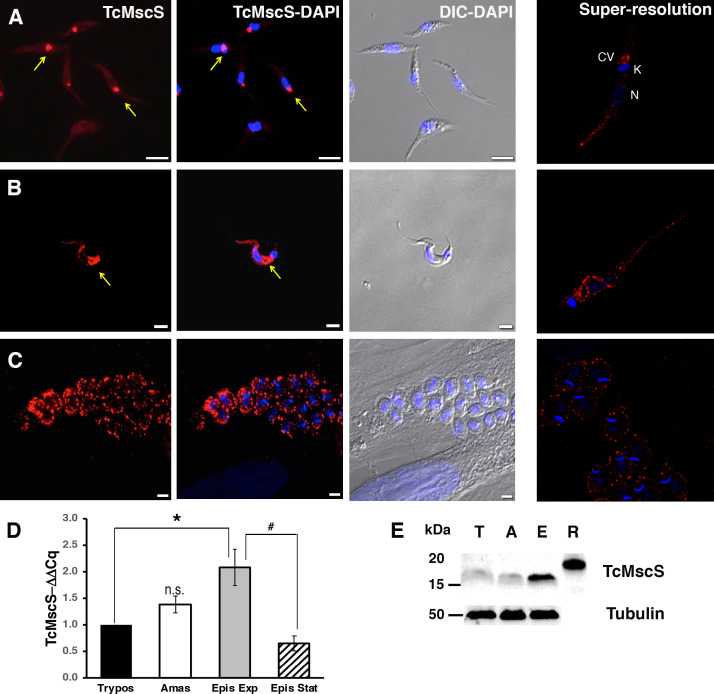
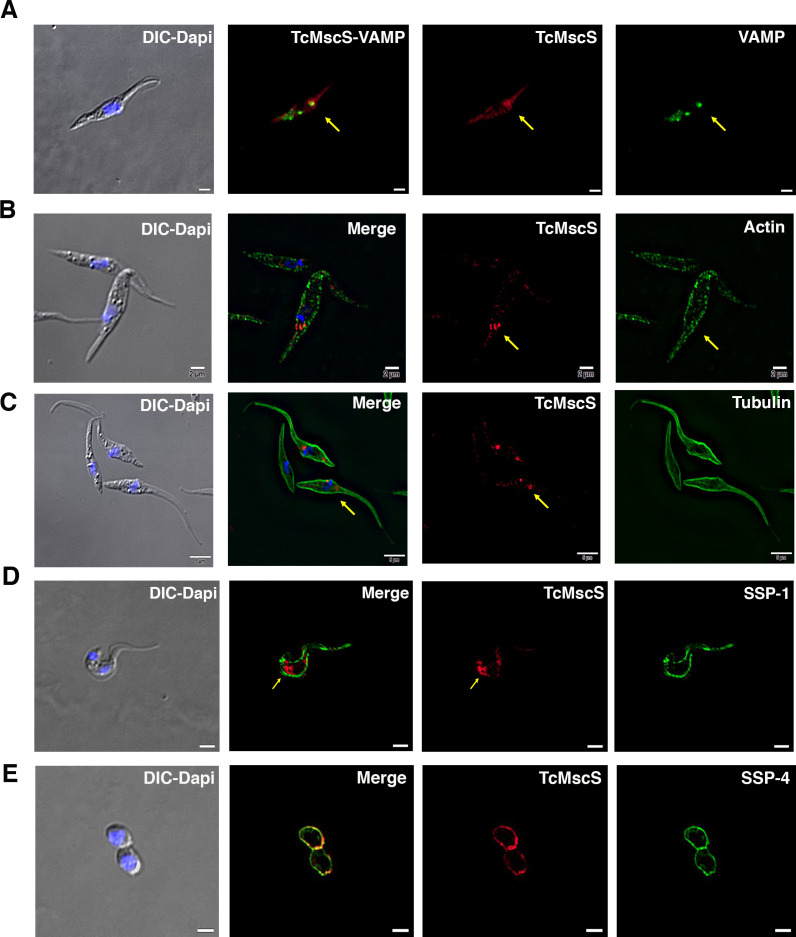
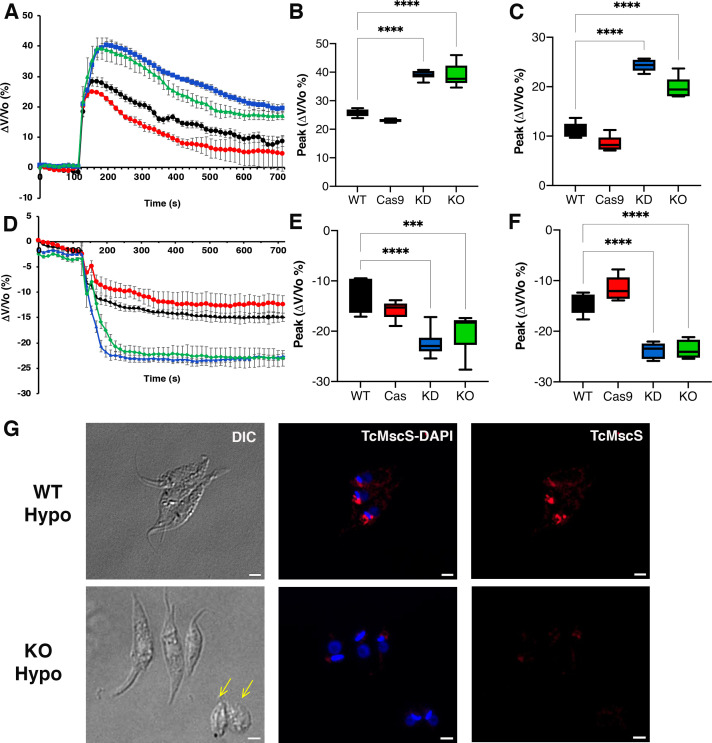
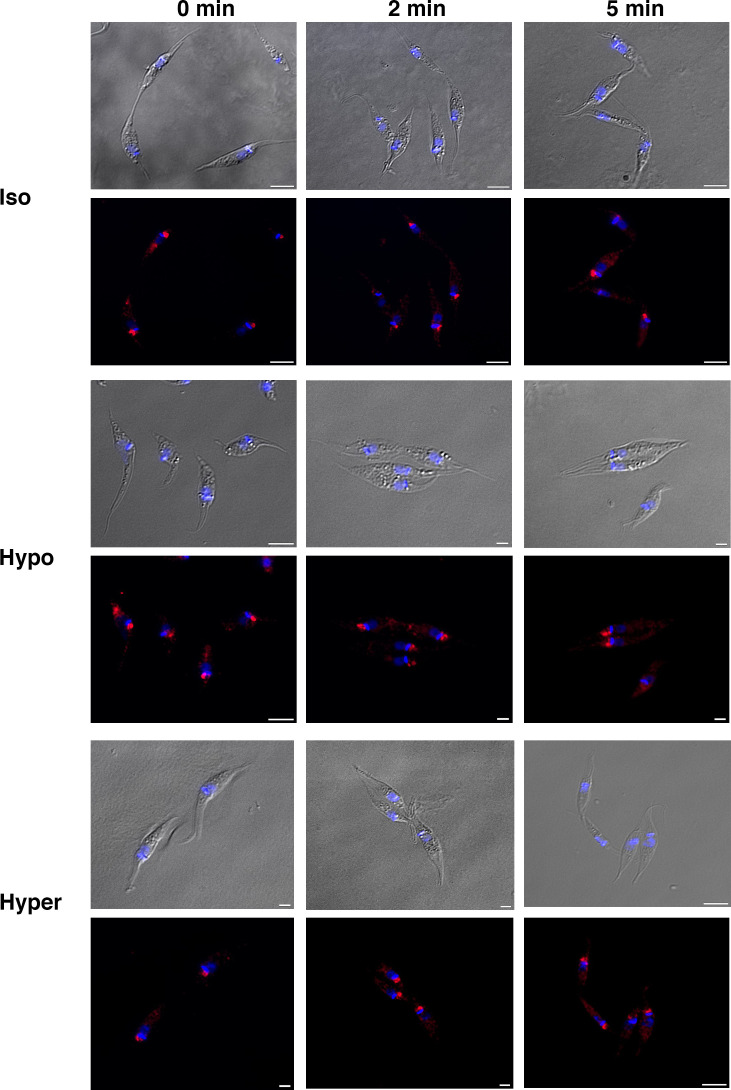
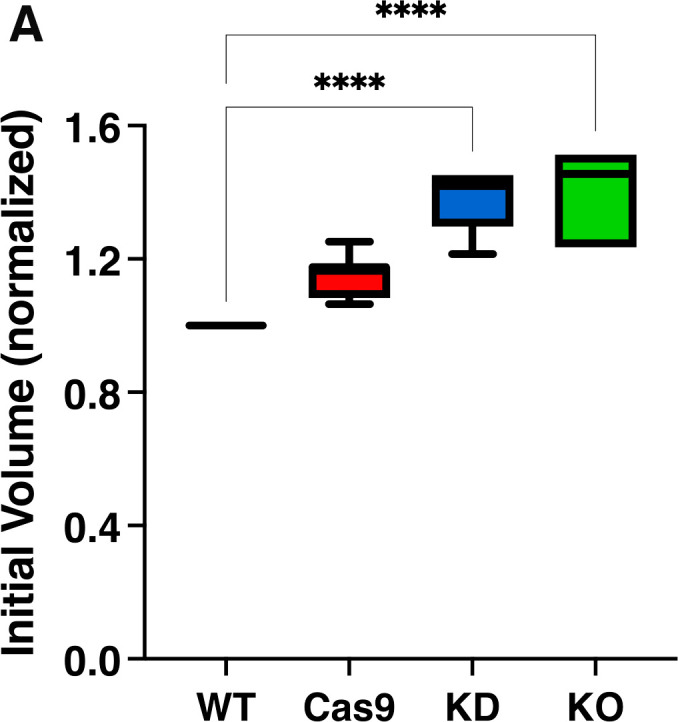
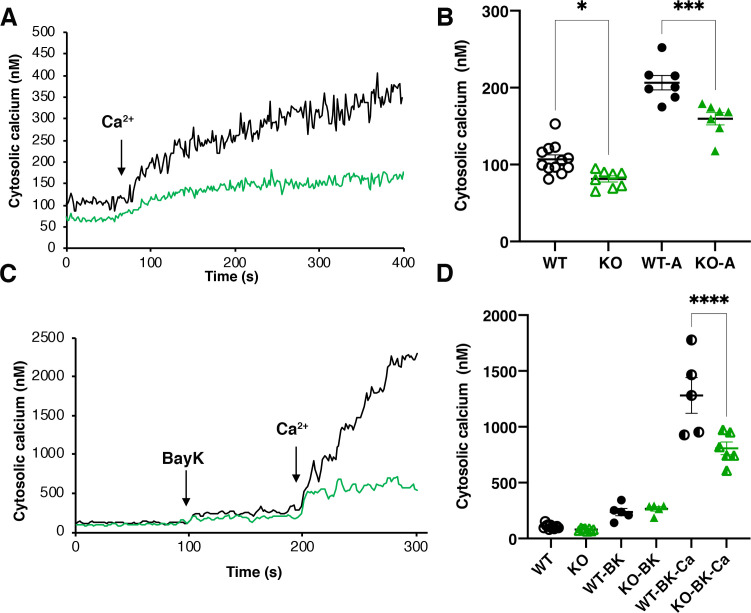
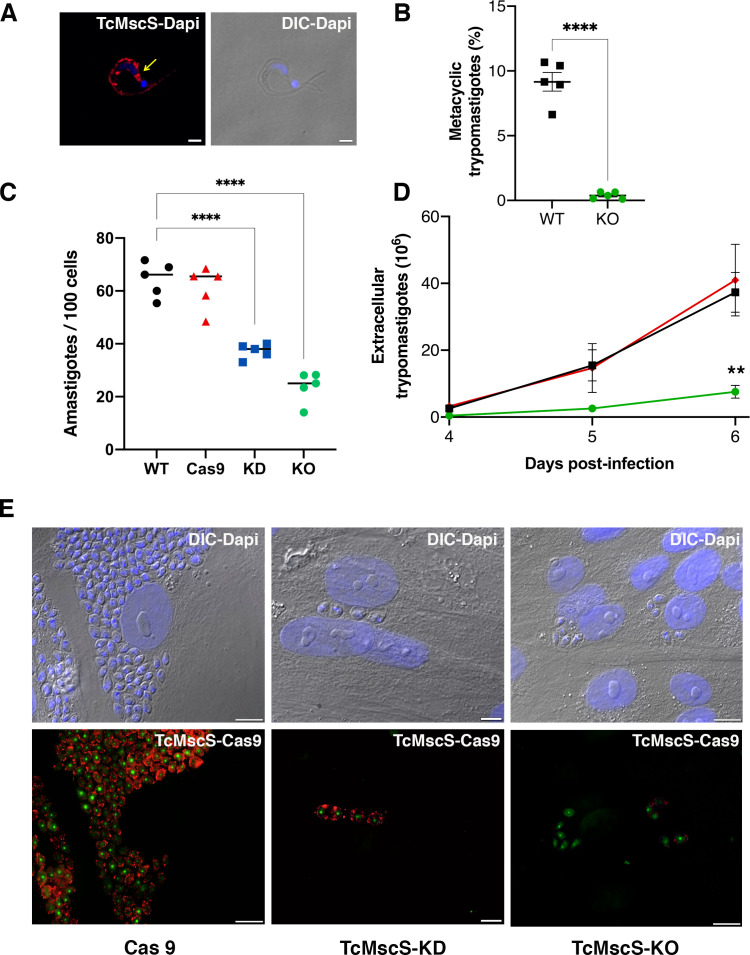
The causative agent of Chagas disease undergoes drastic morphological and biochemical modifications as it passes between hosts and transitions from extracellular to intracellular stages. The osmotic and mechanical aspects of these cellular transformations are not understood. Here we identify and characterize a novel mechanosensitive channel in (TcMscS) belonging to the superfamily of small-conductance mechanosensitive channels (MscS). TcMscS is activated by membrane tension and forms a large pore permeable to anions, cations, and small osmolytes. The channel changes its location from the contractile vacuole complex in epimastigotes to the plasma membrane as the parasites develop into intracellular amastigotes. TcMscS knockout parasites show significant fitness defects, including increased cell volume, calcium dysregulation, impaired differentiation, and a dramatic decrease in infectivity. Our work provides mechanistic insights into components supporting pathogen adaptation inside the host, thus opening the exploration of mechanosensation as a prerequisite for protozoan infectivity.
恰加斯病的病原体在宿主间传播并从细胞外阶段转变为细胞内阶段时,会经历剧烈的形态和生化改变。这些细胞转化的渗透和机械方面尚不清楚。在这里,我们在(TcMscS)中鉴定并表征了一种新型机械敏感通道,该通道属于小电导机械敏感通道(MscS)超家族。TcMscS 被膜张力激活,并形成一种对阴离子、阳离子和小渗透物可渗透的大孔。随着寄生虫发育成细胞内无鞭毛体,通道从原生动物的伸缩泡复合体转移到质膜。TcMscS 敲除寄生虫表现出明显的适应性缺陷,包括细胞体积增大、钙失调、分化受损以及感染力显著下降。我们的工作为支持病原体在宿主内适应的组分提供了机制见解,从而开辟了将机械感觉作为原生动物感染力的先决条件进行探索的途径。