Department of Optometry and Vision Science, School of Optometry, University of Alabama at Birmingham, Birmingham, AL, USA.
Department of Dermatology, School of Medicine, University of Alabama at Birmingham, Birmingham, AL, USA.
Cell Death Dis. 2021 Jul 2;12(7):664. doi: 10.1038/s41419-021-03944-w.
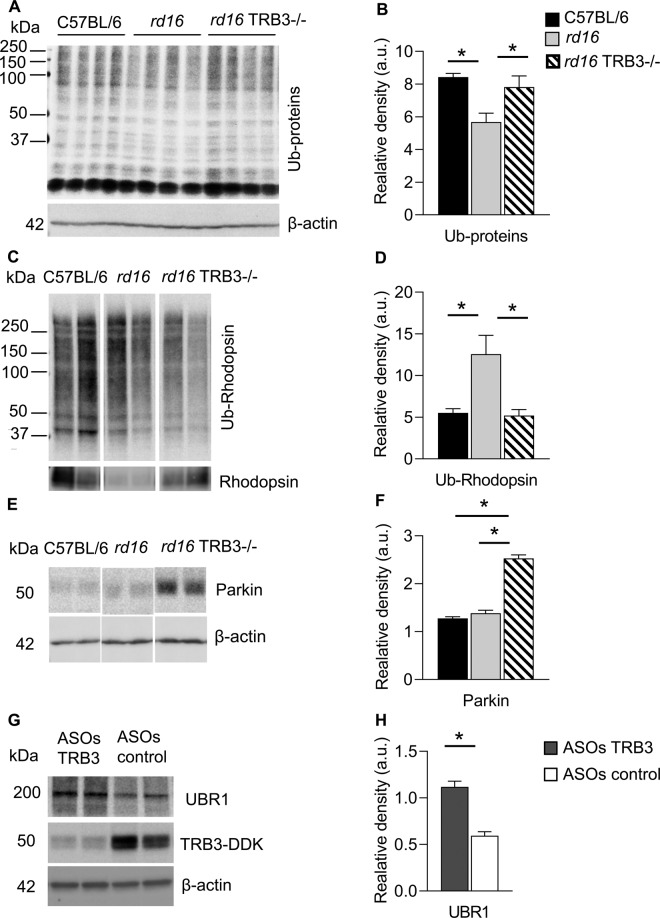
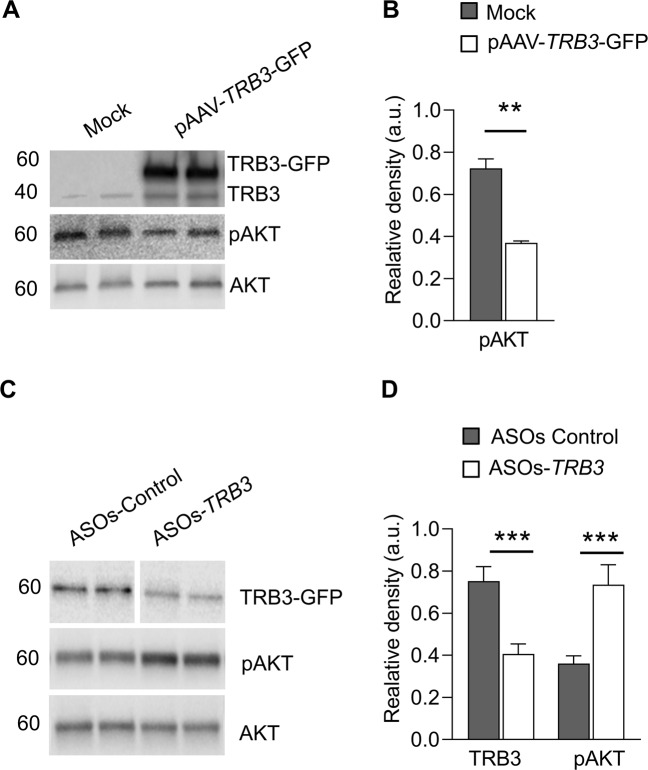
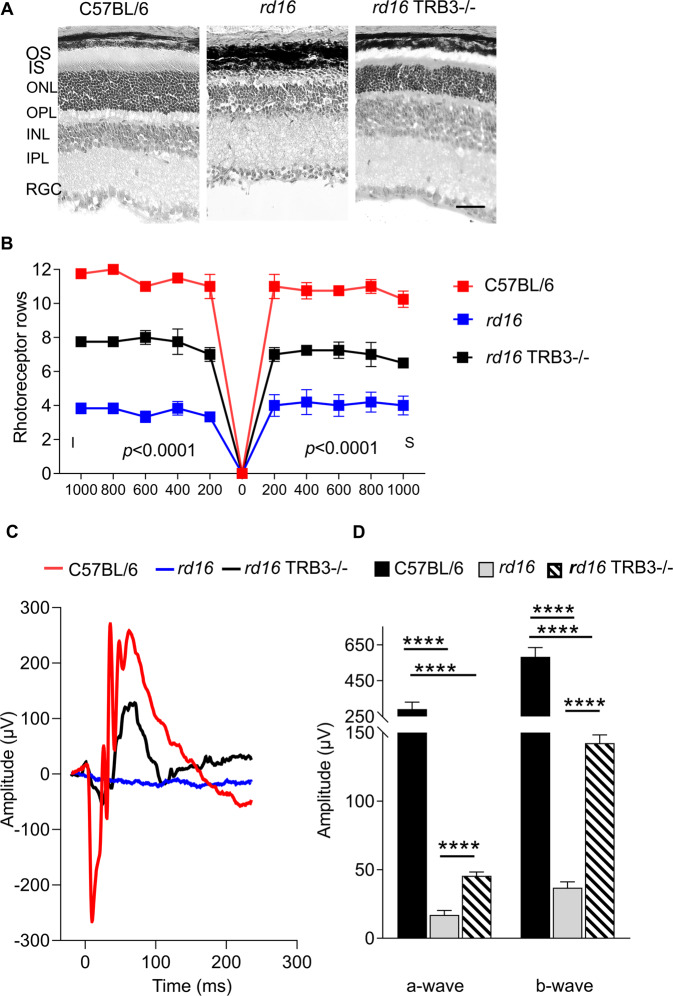
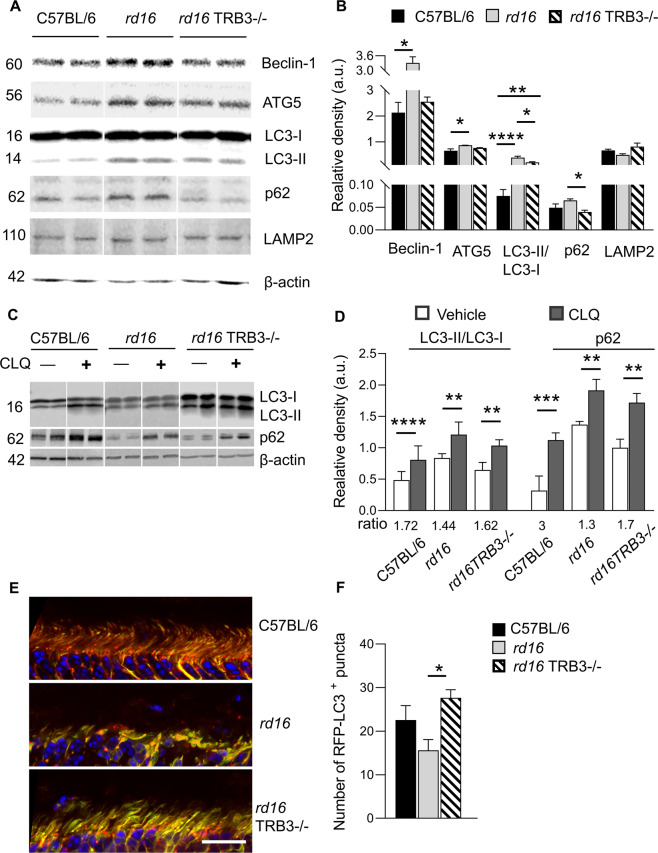
Various retinal degenerative disorders manifest in alterations of the AKT/mTOR axis. Despite this, consensus on the therapeutic targeting of mTOR in degenerating retinas has not yet been achieved. Therefore, we investigated the role of AKT/mTOR signaling in rd16 retinas, in which we restored the AKT/mTOR axis by genetic ablation of pseudokinase TRB3, known to inhibit phosphorylation of AKT and mTOR. First, we found that TRB3 ablation resulted in preservation of photoreceptor function in degenerating retinas. Then, we learned that the mTOR downstream cellular pathways involved in the homeostasis of photoreceptors were also reprogrammed in rd16 TRB3 retinas. Thus, the level of inactivated translational repressor p-4E-BP1 was significantly increased in these mice along with the restoration of translational rate. Moreover, in rd16 mice manifesting decline in p-mTOR at P15, we found elevated expression of Beclin-1 and ATG5 autophagy genes. Thus, these mice showed impaired autophagy flux measured as an increase in LC3 conversion and p62 accumulation. In addition, the RFP-EGFP-LC3 transgene expression in rd16 retinas resulted in statistically fewer numbers of red puncta in photoreceptors, suggesting impaired late autophagic vacuoles. In contrast, TRIB3 ablation in these mice resulted in improved autophagy flux. The restoration of translation rate and the boost in autophagosome formation occurred concomitantly with an increase in total Ub and rhodopsin protein levels and the elevation of E3 ligase Parkin1. We propose that TRB3 may retard retinal degeneration and be a promising therapeutic target to treat various retinal degenerative disorders.
各种视网膜退行性疾病表现为 AKT/mTOR 轴的改变。尽管如此,在退行性视网膜中靶向 mTOR 的治疗共识尚未达成。因此,我们研究了 AKT/mTOR 信号在 rd16 视网膜中的作用,在 rd16 视网膜中,通过基因敲除已知抑制 AKT 和 mTOR 磷酸化的伪激酶 TRB3 来恢复 AKT/mTOR 轴。首先,我们发现 TRB3 缺失导致退行性视网膜中感光细胞功能的保留。然后,我们了解到涉及感光细胞稳态的 mTOR 下游细胞途径也在 rd16 TRB3 视网膜中被重新编程。因此,在这些小鼠中,失活的翻译抑制剂 p-4E-BP1 的水平显著增加,同时翻译速率也得到恢复。此外,在 P15 时表现出 p-mTOR 下降的 rd16 小鼠中,我们发现 Beclin-1 和 ATG5 自噬基因的表达升高。因此,这些小鼠表现出自噬通量受损,表现为 LC3 转化和 p62 积累增加。此外,rd16 视网膜中 RFP-EGFP-LC3 转基因的表达导致感光细胞中红色斑点的数量明显减少,表明晚期自噬空泡受损。相比之下,这些小鼠中 TRIB3 的缺失导致自噬通量的改善。翻译速率的恢复和自噬体形成的增加伴随着 Ub 和视紫红质蛋白水平的增加以及 E3 连接酶 Parkin1 的升高。我们提出,TRB3 可能会延缓视网膜变性,是治疗各种视网膜退行性疾病的有希望的治疗靶点。