Department of Human Biology, NUTRIM School of Nutrition and Translational Research in Metabolism, Maastricht University Medical Center(+), Maastricht, the Netherlands.
Department of Nutrition and Movement Sciences, NUTRIM School of Nutrition and Translational Research in Metabolism, Maastricht University Medical Center(+), Maastricht, the Netherlands.
Mol Metab. 2021 Nov;53:101287. doi: 10.1016/j.molmet.2021.101287. Epub 2021 Jul 3.
Recent studies suggest that hypoxia exposure may improve glucose homeostasis, but well-controlled human studies are lacking. We hypothesized that mild intermittent hypoxia (MIH) exposure decreases tissue oxygen partial pressure (pO) and induces metabolic improvements in people who are overweight/obese.
In a randomized, controlled, single-blind crossover study, 12 men who were overweight/obese were exposed to MIH (15 % O, 3 × 2 h/day) or normoxia (21 % O) for 7 consecutive days. Adipose tissue (AT) and skeletal muscle (SM) pO, fasting/postprandial substrate metabolism, tissue-specific insulin sensitivity, SM oxidative capacity, and AT and SM gene/protein expression were determined. Furthermore, primary human myotubes and adipocytes were exposed to oxygen levels mimicking the hypoxic and normoxic AT and SM microenvironments.
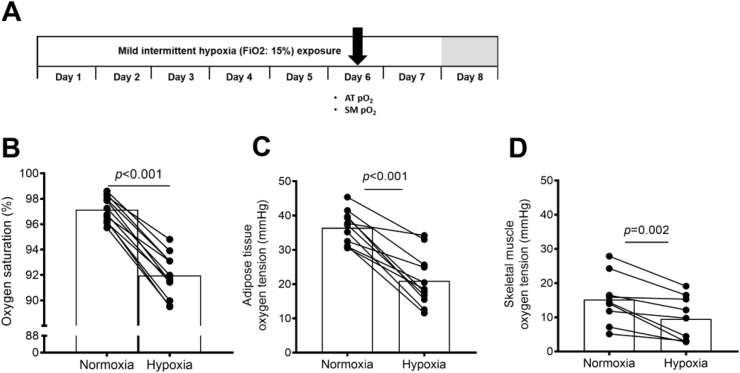
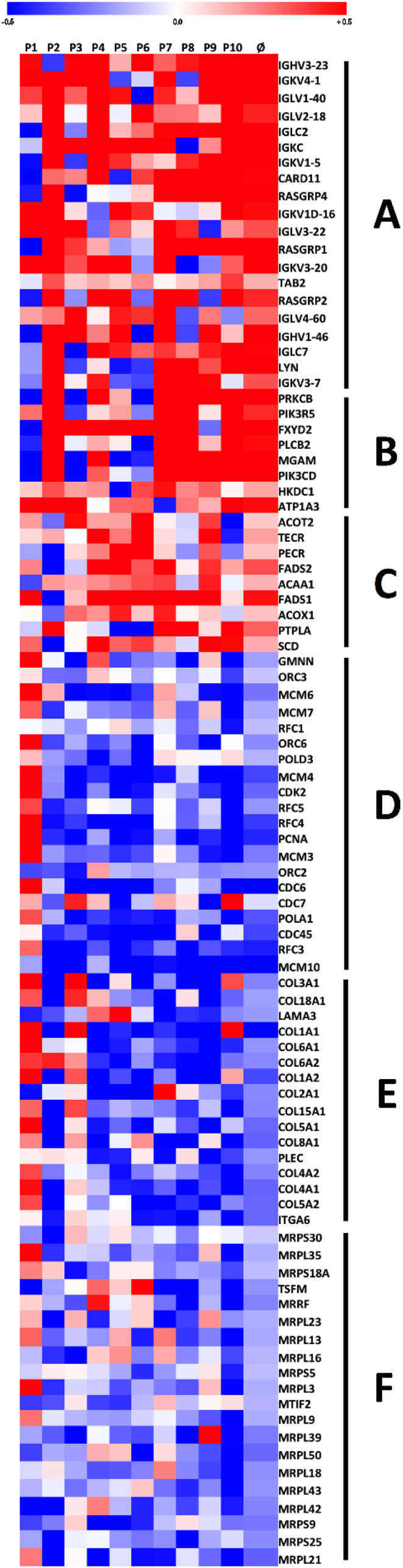
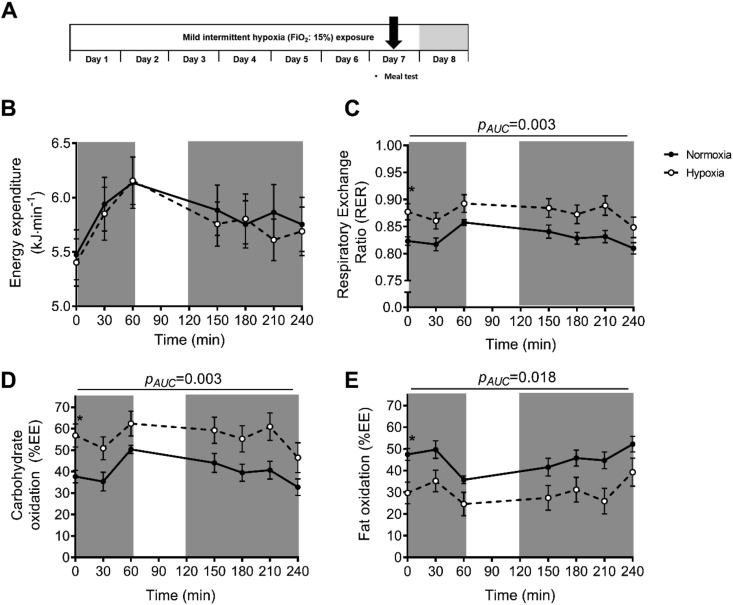
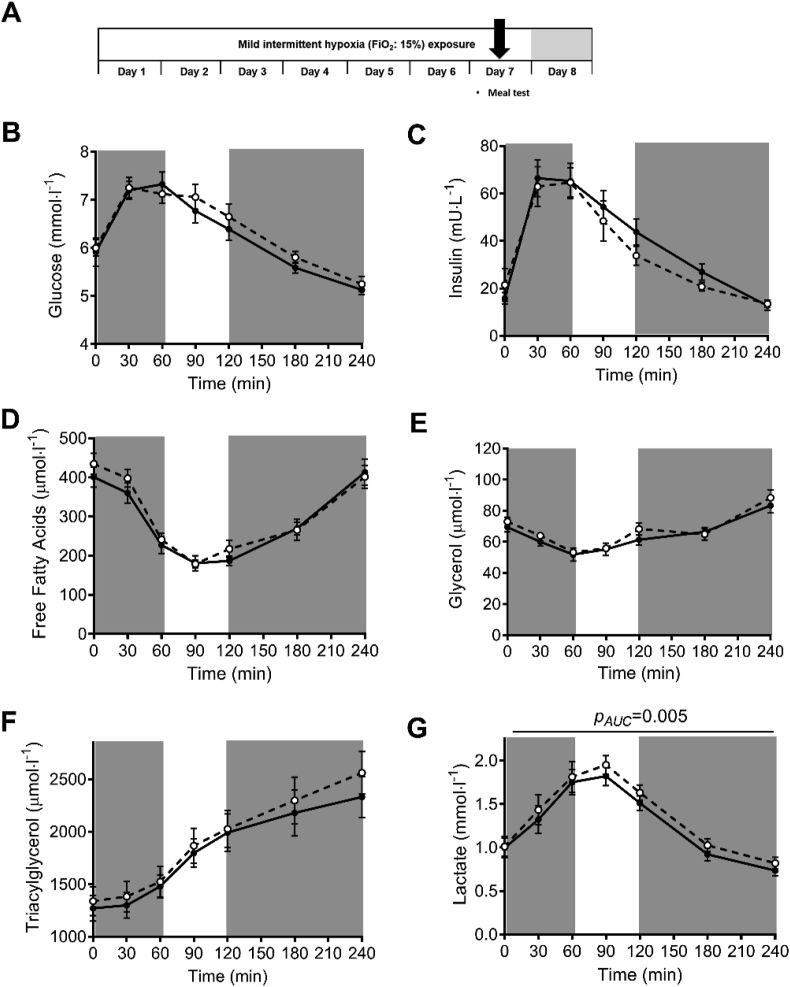
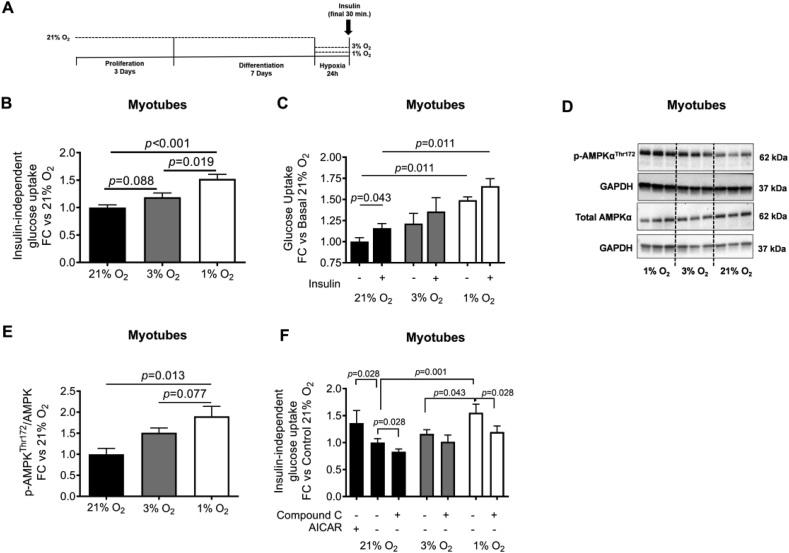
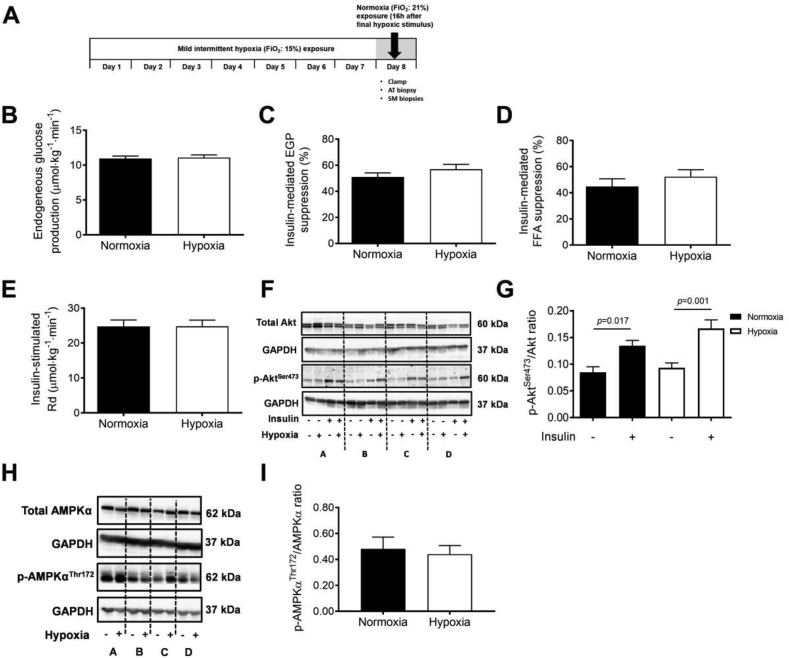
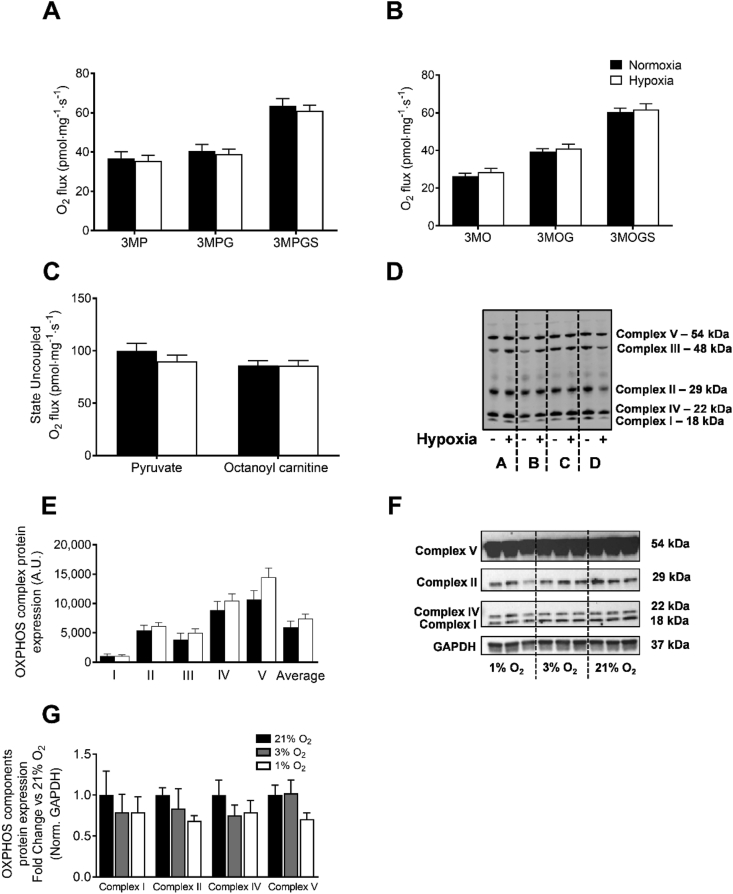
MIH decreased systemic oxygen saturation (92.0 ± 0.5 % vs 97.1 ± 0.3, p < 0.001, respectively), AT pO (21.0 ± 2.3 vs 36.5 ± 1.5 mmHg, p < 0.001, respectively), and SM pO (9.5 ± 2.2 vs 15.4 ± 2.4 mmHg, p = 0.002, respectively) compared to normoxia. In addition, MIH increased glycolytic metabolism compared to normoxia, reflected by enhanced fasting and postprandial carbohydrate oxidation (p = 0.002) and elevated plasma lactate concentrations (p = 0.005). Mechanistically, hypoxia exposure increased insulin-independent glucose uptake compared to standard laboratory conditions (50 %, p < 0.001) and physiological normoxia (25 %, p = 0.019) through AMP-activated protein kinase in primary human myotubes but not in primary human adipocytes. MIH upregulated inflammatory/metabolic pathways and downregulated extracellular matrix-related pathways in AT but did not alter systemic inflammatory markers and SM oxidative capacity. MIH exposure did not induce significant alterations in AT (p = 0.120), hepatic (p = 0.132) and SM (p = 0.722) insulin sensitivity.
Our findings demonstrate for the first time that 7-day MIH reduces AT and SM pO, evokes a shift toward glycolytic metabolism, and induces adaptations in AT and SM but does not induce alterations in tissue-specific insulin sensitivity in men who are overweight/obese. Future studies are needed to investigate further whether oxygen signaling is a promising target to mitigate metabolic complications in obesity.
This study is registered at the Netherlands Trial Register (NL7120/NTR7325).
最近的研究表明,缺氧暴露可能改善葡萄糖稳态,但缺乏良好控制的人体研究。我们假设,轻度间歇性缺氧(MIH)暴露会降低组织氧分压(pO),并改善超重/肥胖人群的代谢。
在一项随机、对照、单盲交叉研究中,12 名超重/肥胖男性连续 7 天分别接受 MIH(15% O,3×2 小时/天)或常氧(21% O)暴露。测定脂肪组织(AT)和骨骼肌(SM)的 pO、空腹/餐后底物代谢、组织特异性胰岛素敏感性、SM 氧化能力以及 AT 和 SM 的基因/蛋白表达。此外,将原代人肌管和脂肪细胞暴露于模拟缺氧和常氧 AT 和 SM 微环境的氧水平。
与常氧相比,MIH 降低了全身氧饱和度(92.0±0.5% vs 97.1±0.3%,p<0.001)、AT pO(21.0±2.3 vs 36.5±1.5 mmHg,p<0.001)和 SM pO(9.5±2.2 vs 15.4±2.4 mmHg,p=0.002)。此外,与常氧相比,MIH 增加了糖酵解代谢,表现为空腹和餐后碳水化合物氧化增强(p=0.002)和血浆乳酸浓度升高(p=0.005)。在机制上,与标准实验室条件(50%,p<0.001)和生理常氧(25%,p=0.019)相比,缺氧暴露通过 AMP 激活的蛋白激酶增加了胰岛素非依赖性葡萄糖摄取。MIH 在 AT 中上调了炎症/代谢途径,下调了细胞外基质相关途径,但未改变全身炎症标志物和 SM 氧化能力。MIH 暴露并未引起超重/肥胖男性 AT(p=0.120)、肝(p=0.132)和 SM(p=0.722)胰岛素敏感性的显著改变。
我们的研究结果首次表明,7 天 MIH 降低了 AT 和 SM 的 pO,引起了向糖酵解代谢的转变,并在 AT 和 SM 中诱导了适应性改变,但不会引起超重/肥胖男性组织特异性胰岛素敏感性的改变。需要进一步的研究来探讨氧信号是否是减轻肥胖代谢并发症的有希望的靶点。
本研究在荷兰试验登记处(NL7120/NTR7325)注册。