Deng Ziteng, Han Deping, Wang Yuying, Wang Qiuzhen, Yan Xue, Wang Shujing, Liu Xuelian, Song Weiping, Ma Yunfei
School of Veterinary Medicine, China Agricultural University, Beijing 100193, China.
State Key Laboratory of Direct-Fed Microbial Engineering, Beijing DaBeiNong Science and Technology Group Co., Ltd. (DBN), Beijing 100192, China; New Hope Liuhe Co., Ltd./Key Laboratory of Feed and Livestock and Poultry Products Quality & Safety Control, Ministry of Agriculture, Chengdu, Sichuan 61002, China.
Poult Sci. 2021 Aug;100(8):101283. doi: 10.1016/j.psj.2021.101283. Epub 2021 May 28.
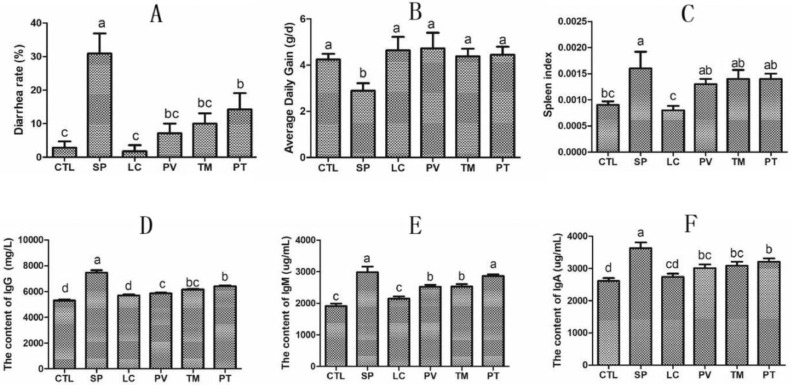
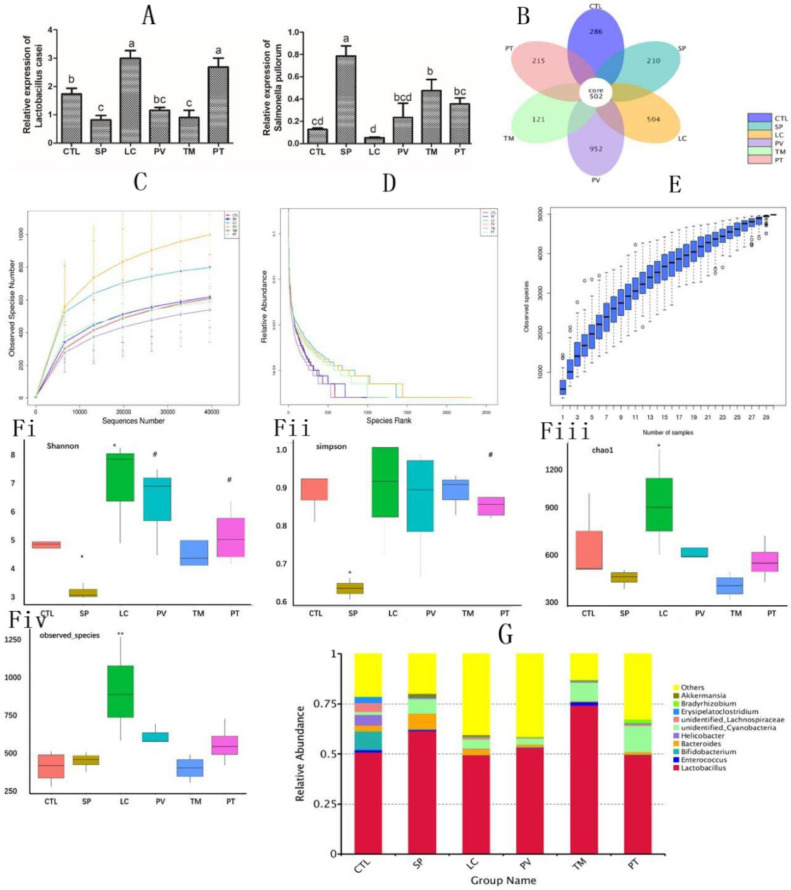
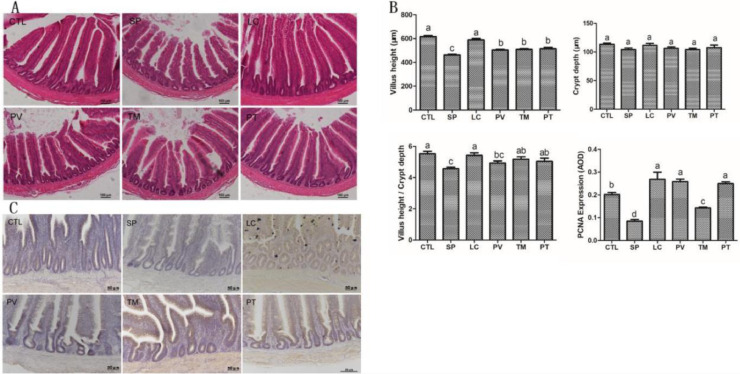
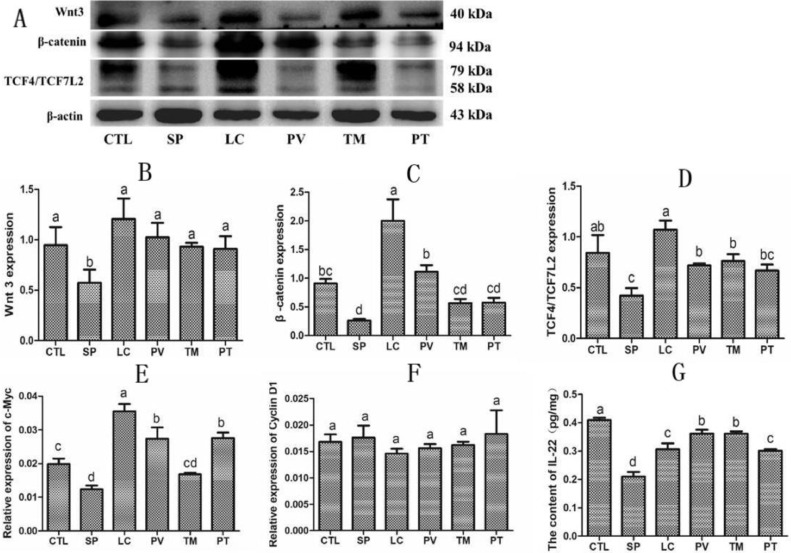
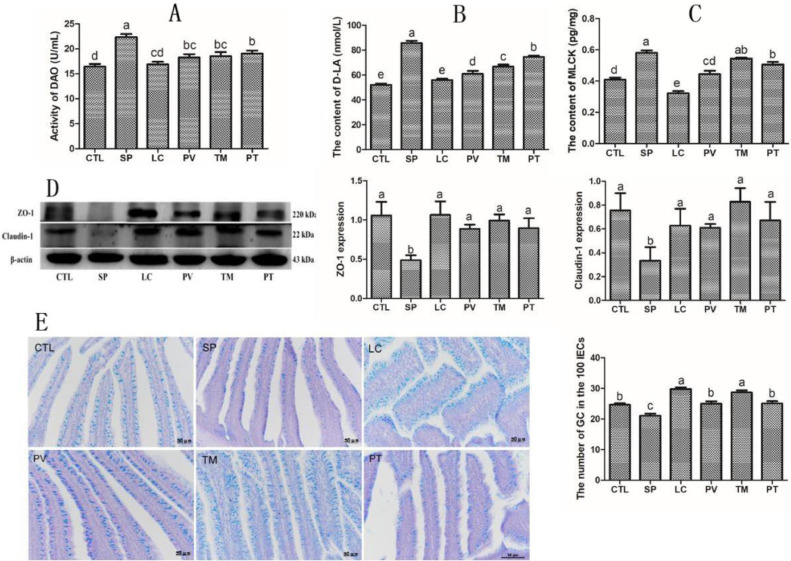
Dysfunction of the intestinal mucosal barrier of chicks caused by Salmonella pullorum is of great harm to the poultry industry. Probiotics are recognized for their beneficial health-promoting properties, promoting maintenance of bowel epithelial integrity and host immune system homeostasis. Our previous research showed that Lactobacillus casei protects jejunal mucosa from injury in chicks infected with S. pullorum. However, the specific mechanisms underlying its protective properties are still not fully understood. In the present study, we aimed to explore the mechanisms underlying the protective effects of L. casei on the intestinal mucosal barrier of chicks infected with S. pullorum through histological, immunological, and molecular biology methods. The results indicated that L. casei significantly reduced the diarrhea rate, increased the daily weight gain, and maintained normal levels of IgA, IgM, and IgG in the serum of chicks infected with S. pullorum. Furthermore, we found that L. casei markedly improved the immunity of gut mucosa by regulating cytokine and chemokine receptor balance, elevating the number of intraepithelial lymphocytes, and hence effectively restraining bowel inflammation. Strikingly, feeding of infected chicks with L. casei notably boosted interleukin-22 expression to activate the Wingless-Int pathway, moderated diamine oxidase and D-lactic acid levels, diminished the generation of myosin light chain kinase, and expanded tight junction protein levels (Zonulin-1 and Claudin-1), strengthening the function of the gut mucosal epithelium. In addition, experiments using 16S rDNA sequencing also demonstrated that L. casei immensely weakened the adhesion of S. pullorum, mainly manifesting as improved diversity of the intestinal microbiota in the V4 area of infected chicks. Taken together, these results show that the application of L. casei may be a good strategy to regulate the intestinal inflammatory response of chicks infected with S. pullorum, providing new perspectives in producing antibiotic substitutes in poultry farms.
鸡白痢沙门氏菌引起的雏鸡肠道黏膜屏障功能障碍对家禽业危害极大。益生菌因其促进健康的有益特性而得到认可,可促进肠道上皮完整性的维持和宿主免疫系统的稳态。我们之前的研究表明,干酪乳杆菌可保护感染鸡白痢沙门氏菌的雏鸡空肠黏膜免受损伤。然而,其保护特性的具体机制仍未完全了解。在本研究中,我们旨在通过组织学、免疫学和分子生物学方法探索干酪乳杆菌对感染鸡白痢沙门氏菌的雏鸡肠道黏膜屏障保护作用的机制。结果表明,干酪乳杆菌显著降低了感染鸡白痢沙门氏菌雏鸡的腹泻率,增加了日增重,并维持了血清中IgA、IgM和IgG的正常水平。此外,我们发现干酪乳杆菌通过调节细胞因子和趋化因子受体平衡、增加上皮内淋巴细胞数量,从而显著提高肠道黏膜免疫力,有效抑制肠道炎症。引人注目的是,用干酪乳杆菌喂养感染雏鸡可显著提高白细胞介素-22的表达以激活无翅型MMTV整合位点家族(Wingless-Int)信号通路,降低二胺氧化酶和D-乳酸水平,减少肌球蛋白轻链激酶的产生,并增加紧密连接蛋白(闭合蛋白-1和zonulin-1)水平,增强肠道黏膜上皮的功能。此外,使用16S rDNA测序的实验还表明,干酪乳杆菌极大地减弱了鸡白痢沙门氏菌的黏附,主要表现为感染雏鸡V4区域肠道微生物群的多样性得到改善。综上所述,这些结果表明,应用干酪乳杆菌可能是调节感染鸡白痢沙门氏菌雏鸡肠道炎症反应的良好策略,为家禽养殖场生产抗生素替代品提供了新的视角。