Liu JinHui, Ji ChengJian, Wang Yichun, Zhang Cheng, Zhu HongJun
Department of Gynecology, The First Affiliated Hospital of Nanjing Medical University, Nanjing, 210029, Jiangsu, China.
Department of Urology, The First Affiliated Hospital of Nanjing Medical University, Nanjing, 210029, Jiangsu, China.
Cancer Cell Int. 2021 Jul 10;21(1):365. doi: 10.1186/s12935-021-02038-z.
Uterus corpus endometrial cancer (UCEC) is the main malignant tumor in gynecology, with a high degree of heterogeneity, especially in terms of prognosis and immunotherapy efficacy. DNA methylation is one of the most important epigenetic modifications. Studying DNA methylation can help predict the prognosis of cancer patients and provide help for clinical treatment. Our research aims to discover whether abnormal DNA methylation can predict the prognosis of UCEC and reflect the patient's tumor immune microenvironment.
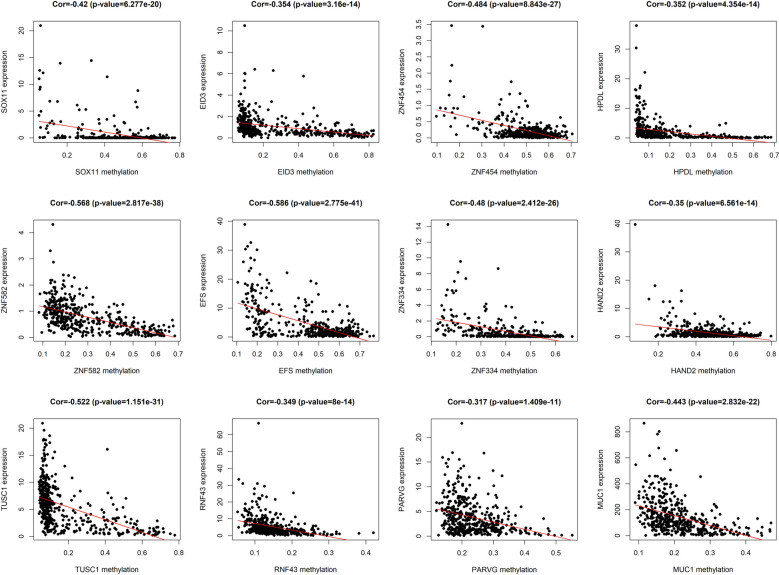
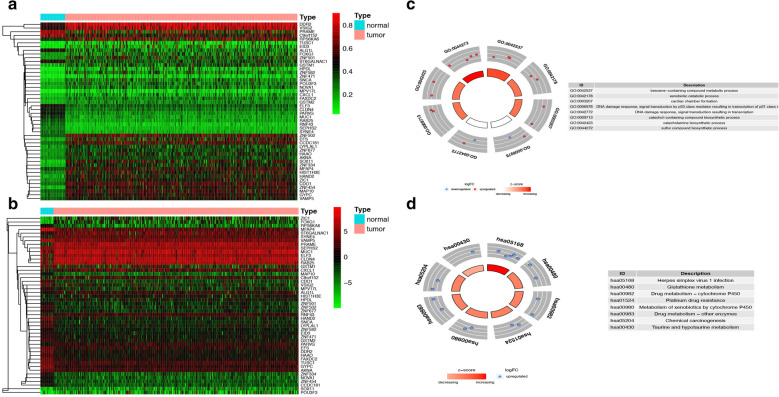
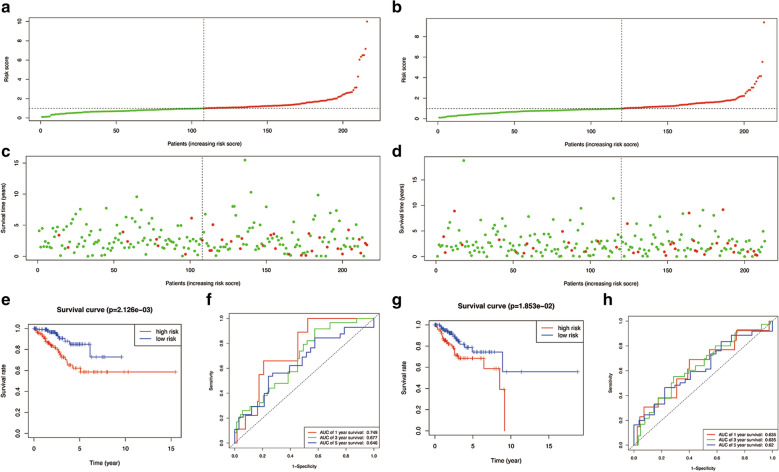
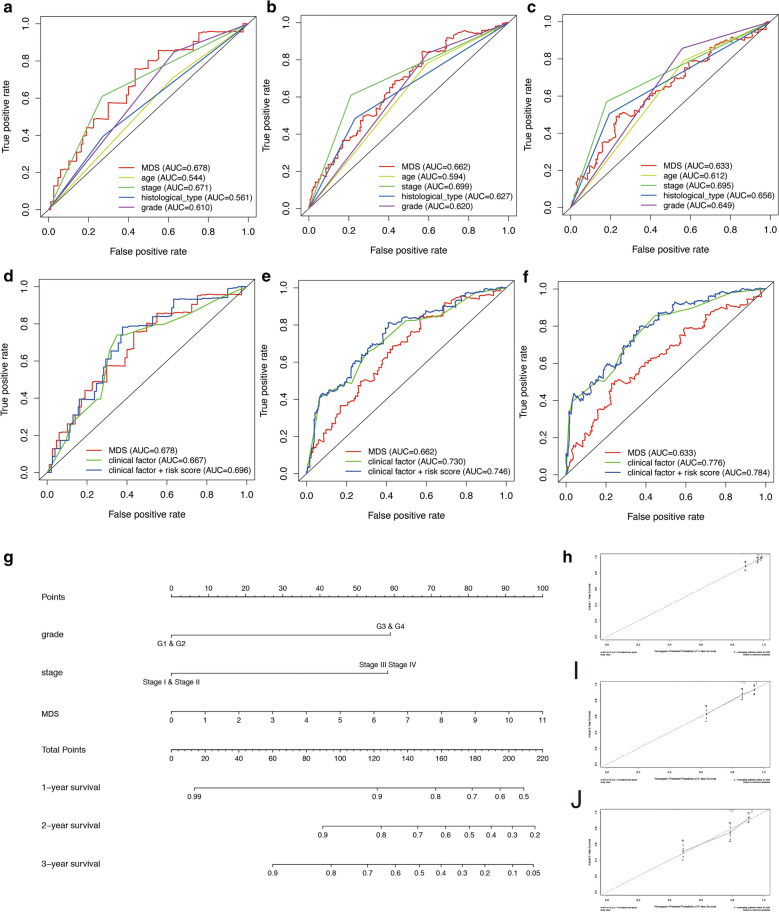
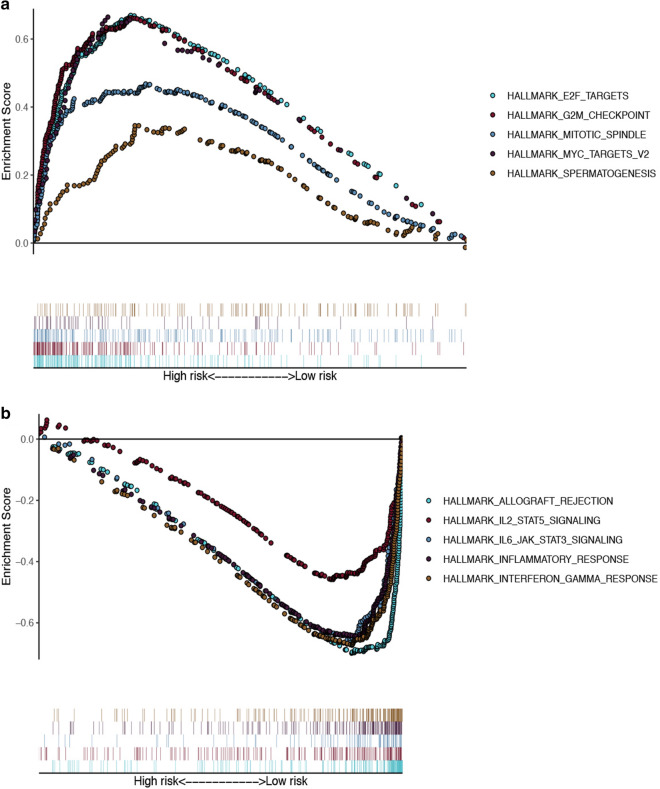
The clinical data, DNA methylation data, gene expression data and somatic mutation data of UCEC patients were all downloaded from the TCGA database. The MethylMix algorithm was used to integrate DNA methylation data and mRNA expression data. Univariate Cox regression analysis, Multivariate Cox regression analysis, and Lasso Cox regression analysis were used to determine prognostic DNA methylation-driven genes and to construct an independent prognostic index (MDS). ROC curve analysis and Kaplan-Meier survival curve analysis were used to evaluate the predictive ability of MDS. GSEA analysis was used to explore possible mechanisms that contribute to the heterogeneity of the prognosis of UCEC patients.
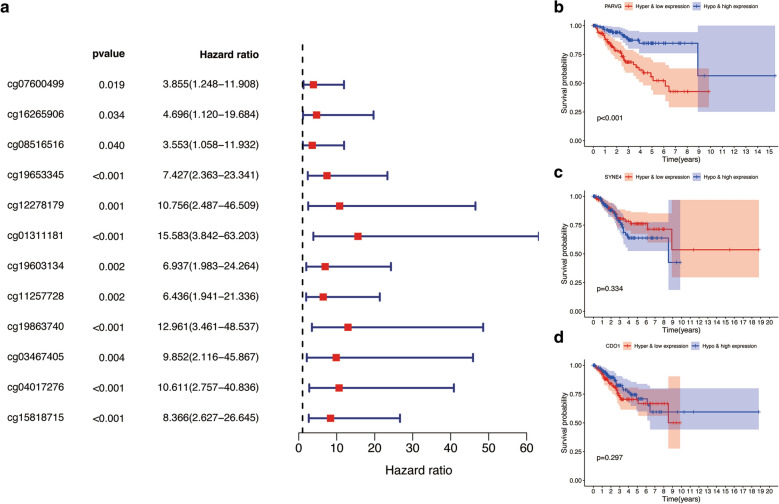
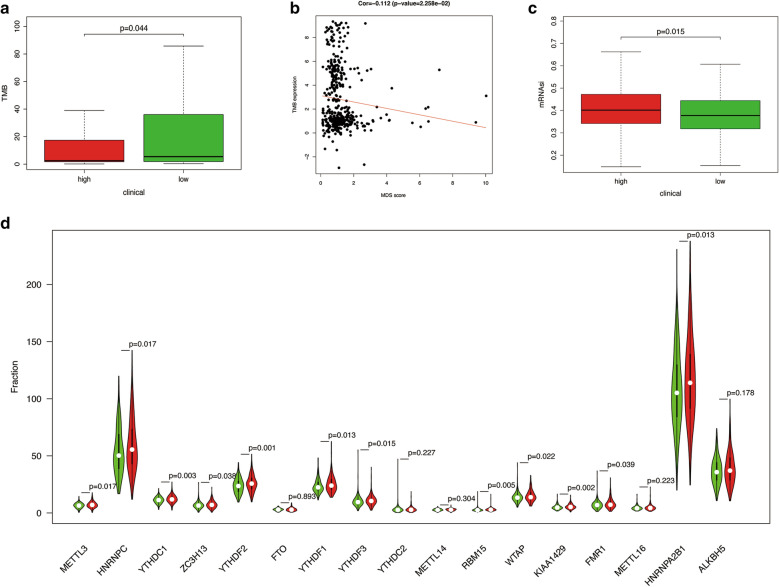
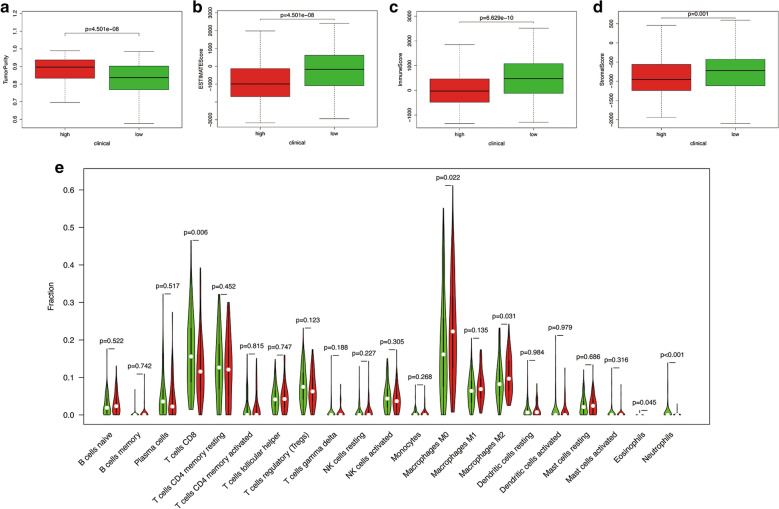
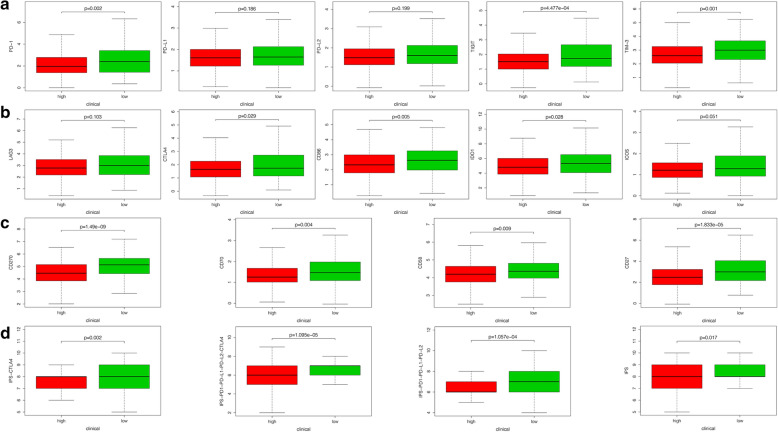
3 differential methylation-driven genes (DMDGs) (PARVG, SYNE4 and CDO1) were considered as predictors of poor prognosis in UCEC. An independent prognostic index was finally established based on 3 DMDGs. From the results of ROC curve analysis and survival curve analysis, MDS showed excellent prognostic ability in TCGA-UCEC. A new nomogram based on MDS and other prognostic clinical indicators has also been successfully established. The C-index of the nomogram for OS prediction was 0.764 (95% CI = 0.702-0.826). GSEA analysis suggests that there were differences in immune-related pathways among patients with different prognosis. The abundance of M2 macrophages and M0 macrophages were significantly enhanced in the high-risk group while T cells CD8, Eosinophils and Neutrophils were markedly elevated in the low-risk group. Meanwhile, patients in the low-risk group had higher levels of immunosuppressant expression, higher tumor mutational burden and immunophenoscore (IPS) scores. Joint survival analysis revealed that 7 methylation-driven genes could be independent prognostic factors for overall survival for UCEC.
We have successfully established a risk model based on 3 DMDGs, which could accurately predict the prognosis of patients with UCEC and reflect the tumor immune microenvironment.
子宫内膜癌(UCEC)是妇科主要的恶性肿瘤,具有高度异质性,尤其是在预后和免疫治疗疗效方面。DNA甲基化是最重要的表观遗传修饰之一。研究DNA甲基化有助于预测癌症患者的预后,并为临床治疗提供帮助。我们的研究旨在发现异常DNA甲基化是否能预测UCEC的预后并反映患者的肿瘤免疫微环境。
UCEC患者的临床数据、DNA甲基化数据、基因表达数据和体细胞突变数据均从TCGA数据库下载。使用MethylMix算法整合DNA甲基化数据和mRNA表达数据。采用单因素Cox回归分析、多因素Cox回归分析和Lasso Cox回归分析来确定预后DNA甲基化驱动基因,并构建独立预后指数(MDS)。采用ROC曲线分析和Kaplan-Meier生存曲线分析来评估MDS的预测能力。使用GSEA分析来探索导致UCEC患者预后异质性的可能机制。
3个差异甲基化驱动基因(DMDGs)(PARVG、SYNE4和CDO1)被认为是UCEC预后不良的预测指标。最终基于3个DMDGs建立了独立预后指数。从ROC曲线分析和生存曲线分析结果来看,MDS在TCGA-UCEC中显示出优异的预后预测能力。还成功建立了一种基于MDS和其他预后临床指标的新列线图。用于OS预测的列线图的C指数为0.764(95%CI = 0.702 - 0.826)。GSEA分析表明,不同预后患者的免疫相关途径存在差异。高危组中M2巨噬细胞和M0巨噬细胞的丰度显著增加,而低危组中T细胞CD8、嗜酸性粒细胞和中性粒细胞明显升高。同时,低危组患者的免疫抑制因子表达水平更高,肿瘤突变负荷和免疫表型评分(IPS)更高。联合生存分析显示,7个甲基化驱动基因可能是UCEC总生存的独立预后因素。
我们成功建立了基于3个DMDGs的风险模型,该模型可准确预测UCEC患者的预后并反映肿瘤免疫微环境。