Addeo Martina, Di Paola Giuseppina, Verma Henu Kumar, Laurino Simona, Russi Sabino, Zoppoli Pietro, Falco Geppino, Mazzone Pellegrino
Istituto di Ricerche Genetiche Gaetano Salvatore Biogem Scarl, Ariano Irpino, Italy.
Department of Biology, University of Naples Federico II, Naples, Italy.
Front Oncol. 2021 Jun 16;11:698394. doi: 10.3389/fonc.2021.698394. eCollection 2021.
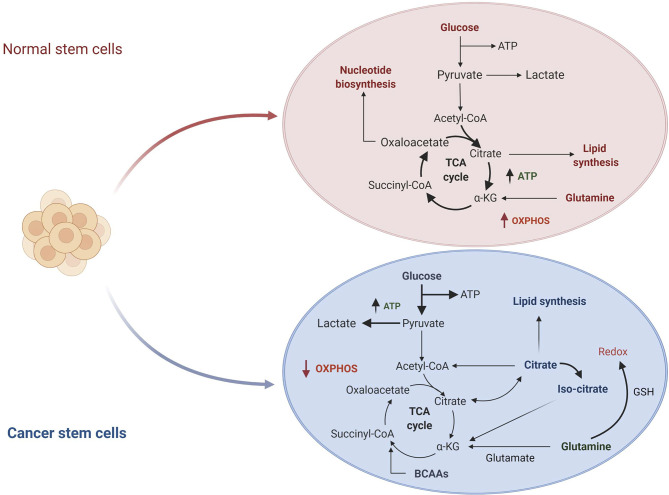
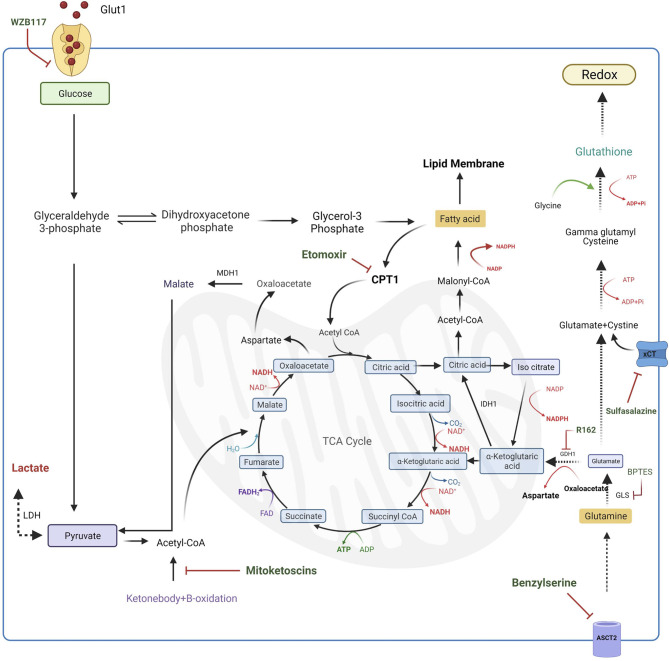
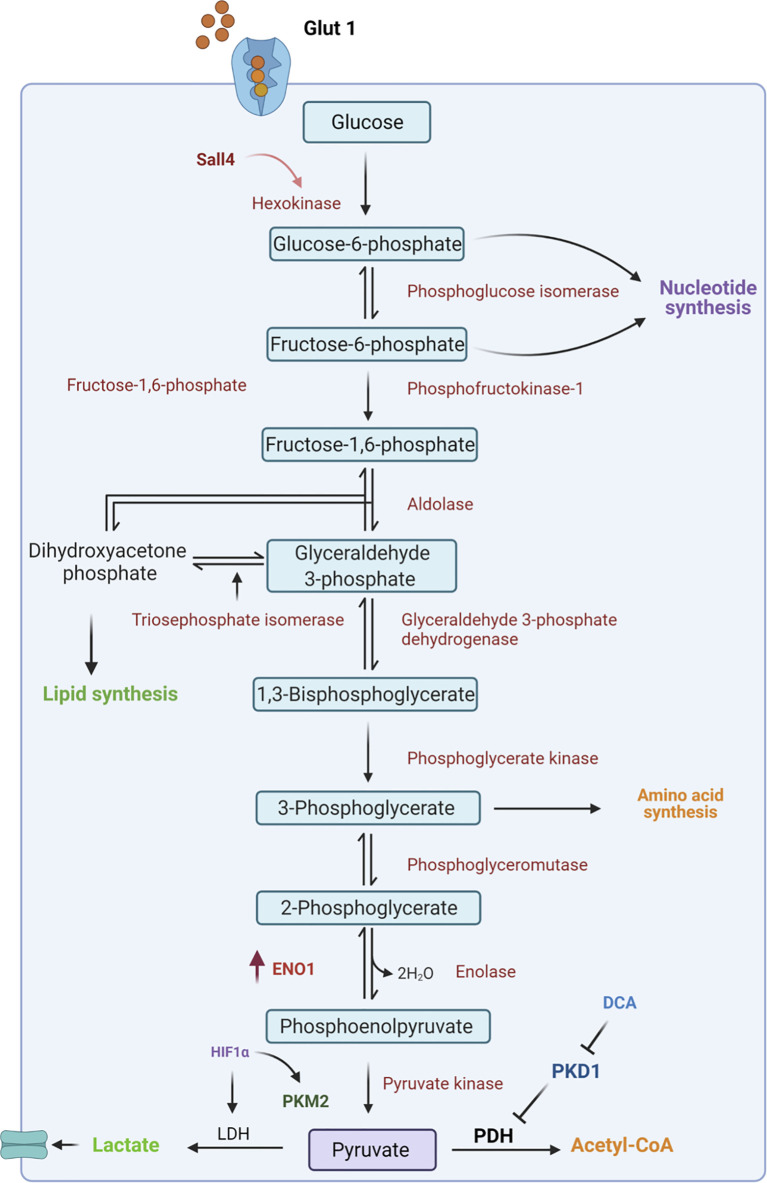
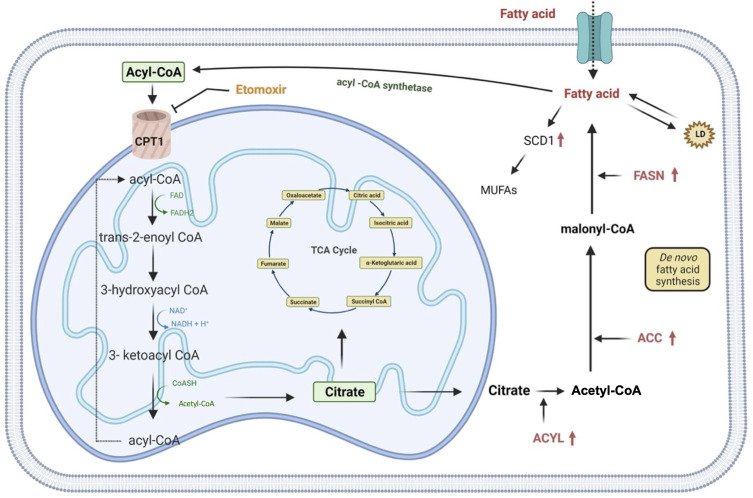
Gastric cancer (GC) is one of the most widespread causes of cancer-related death worldwide. Recently, emerging implied that gastric cancer stem cells (GCSCs) play an important role in the initiation and progression of GC. This subpopulation comprises cells with several features, such as self-renewal capability, high proliferating rate, and ability to modify their metabolic program, which allow them to resist current anticancer therapies. Metabolic pathway intermediates play a pivotal role in regulating cell differentiation both in tumorigenesis and during normal development. Thus, the dysregulation of both anabolic and catabolic pathways constitutes a significant opportunity to target GCSCs in order to eradicate the tumor progression. In this review, we discuss the current knowledge about metabolic phenotype that supports GCSC proliferation and we overview the compounds that selectively target metabolic intermediates of CSCs that can be used as a strategy in cancer therapy.
胃癌(GC)是全球癌症相关死亡最普遍的原因之一。最近,新出现的证据表明,胃癌干细胞(GCSCs)在胃癌的发生和发展中起重要作用。这一亚群细胞具有多种特性,如自我更新能力、高增殖率以及改变其代谢程序的能力,这些特性使它们能够抵抗目前的抗癌治疗。代谢途径中间体在肿瘤发生和正常发育过程中调节细胞分化方面起着关键作用。因此,合成代谢和分解代谢途径的失调为靶向GCSCs以根除肿瘤进展提供了重要契机。在本综述中,我们讨论了支持GCSC增殖的代谢表型的现有知识,并概述了可选择性靶向CSCs代谢中间体的化合物,这些化合物可作为癌症治疗的一种策略。